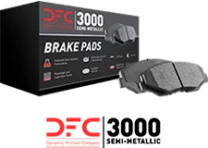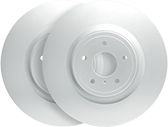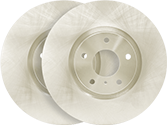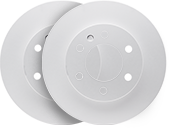
The Copper-Free Brake Pad Law Is Here: What Shops and Distributors Need to Know

As of January 1, 2025, brake pads sold in the United States cannot contain more than 0.5% copper by weight. That’s not a California-only rule anymore. It’s nationwide.

If you’re stocking or installing brake pads, you need to understand what changed, why it matters to your business, and how to make sure the pads on your shelves are compliant.

What the Law Actually Says

The Better Brake Rule originated in Washington State and California, then expanded through legislation adopted by all 50 states via the EPA’s Copper-Free Brake Initiative. The phase-in happened in two stages:

Stage 1 (January 1, 2021): Brake pads could contain no more than 5% copper by weight. This was the “Level A” compliance standard. Most manufacturers had already transitioned by this point.

Stage 2 (January 1, 2025): Brake pads cannot contain more than 0.5% copper by weight. This is the “Level N” compliance standard and represents the final phase. At 0.5%, copper is essentially eliminated as a functional ingredient in the friction compound.

The reason behind the regulation: copper particles from brake dust wash into waterways and are toxic to aquatic organisms, particularly salmon and steelhead in the Pacific Northwest.

The LeafMark System: What Those Symbols Mean

You’ve probably noticed a small leaf symbol on brake pad packaging. That’s the LeafMark, a compliance marking system developed by the Brake Manufacturers Council.

LeafMark “A”: Compliant with Level A (5% copper cap). This was the 2021 standard.

LeafMark “B”: Compliant with Level B (no more than trace amounts of specific heavy metals including lead, mercury, cadmium, asbestos, and chromium-VI).

LeafMark “N”: Compliant with Level N (0.5% copper cap). This is the current and final standard. Any pad manufactured after January 1, 2025 should carry the “N” designation.

What to look for on the box: The LeafMark should appear on packaging and may also be stamped on the backing plate. An “N” mark means the pad meets the current 0.5% copper standard.

What This Means for Your Inventory

If you have pre-2025 brake pads on your shelf that contain more than 0.5% copper, you’re not required to pull them from inventory and destroy them. The regulation applies to manufacturing and first sale, not to retail inventory that was legally produced before the deadline.

What distributors should do:

  • Confirm that all new orders from your pad suppliers are Level N compliant
  • Identify remaining pre-2025 copper-containing stock and move it through normal sales
  • Update your catalog and ordering systems to reflect current part numbers

What shops should do:

  • Verify that the pads your supplier is shipping carry the LeafMark “N” designation
  • If you’re buying pads from multiple sources, check compliance on everything. Counterfeit and grey-market pads may not meet the current standard.

How the Reformulation Affects Performance

This is the question that matters most to techs and shop owners: do copper-free pads perform as well as the previous generation?

The honest answer: it depends on the manufacturer.

Copper was a valuable ingredient in ceramic friction formulationss. It provided thermal conductivity, structural reinforcement, and friction stability across a wide temperature range. Removing copper without adequately replacing those functions degrades performance.

What happened with budget manufacturers: Some lower-tier brands essentially pulled copper from their existing formula without fully re-engineering the compound. The result is pads that don’t handle heat as well, may exhibit more noise, or have a different pedal feel than their predecessors.

What happened with quality manufacturers: Brands that invested in R&D developed new friction chemistries that replace copper’s functions with alternative materials. These manufacturers’ current copper-free pads match or exceed the performance of their previous formulations.

DFC’s entire pad lineup has been copper-free compliant since before the January 2025 deadline. The transition involved reformulating each vehicle-specific friction compound individually, not just swapping out copper across the board.

How to Evaluate Your Pad Supplier’s Copper-Free Transition

Ask for their reformulation timeline. A manufacturer that started reformulating in 2020 or 2021 had time to engineer properly. One that rushed to comply in 2024 may have cut corners.

Compare comeback rates before and after. If your comebacks on a particular pad line increased noticeably in the past 12 to 18 months, the reformulation might be the cause.

Request updated friction data. The friction coefficient curves for the copper-free version should be close to the previous version.

Check for FMSI certification continuity. A brand that maintained FMSI certification through the reformulation demonstrated that their new formula meets the same performance standards.

Counterfeit and Non-Compliant Pads

The copper-free regulation has created a secondary problem: counterfeit and non-compliant brake pads entering the market through online channels and grey-market distributors.

Pads manufactured outside the US that haven’t been reformulated may still contain copper above 0.5%. They’re cheaper because the manufacturer didn’t invest in reformulation.
How to protect yourself:

  • Buy from authorized distributors and established supply chains
  • Verify the LeafMark on every shipment from new or unfamiliar suppliers
  • Be skeptical of dramatically lower prices on pads that should be in the same cost range as other compliant products

DFC manufactures in-house at its LA facility. Every pad ships with Level N compliance, traceable manufacturing data, and the quality controls that come with domestic production.

Looking Ahead: Euro 7 Brake Dust Regulations

The US copper-free law is the first major environmental regulation on brake friction materials, but it won’t be the last. The European Union’s Euro 7 standard (expected to take effect in late 2026 or 2027) will regulate total brake dust particulate emissions, not just copper content.

Euro 7 sets limits on the mass of brake particles that can be emitted per kilometer driven. This is a fundamentally different approach from the US regulation because it restricts the output regardless of what’s in the pad.

For shops and distributors, the takeaway is simple: the regulatory environment around brake friction materials is getting more restrictive, not less. Suppliers that demonstrate compliance leadership today are the ones most likely to keep you compliant tomorrow.

Find copper-free, Level N compliant brake pads across DFC’s full product lineup at dynamicfriction.com.

The copper-free transition is done. The law is in effect. The question now is whether the pads on your shelf perform as well without copper as they did with it. That answer depends entirely on how much your manufacturer invested in getting the reformulation right.

Related: Which brake pads are made in the USA | How to choose the right pad line for your shop

Ceramic vs Semi-Metallic Brake Pads: The Professional’s Recommendation Guide

“Ceramic or semi-metallic?”

That question gets asked at the parts counter thousands of times a day across the country. And most of the time, the answer comes down to whatever the customer had before or whatever is cheapest on the shelf.

That’s not a recommendation. That’s a coin flip.

If you’re a technician, service writer, or counter professional, you should be able to explain why one type works better than the other for a specific vehicle and driving pattern. Not because it makes for good conversation, but because the wrong pad type on the wrong application is how you end up with noise complaints, comebacks, and customers who don’t trust your shop anymore.

Here’s how to get it right every time.

The Fundamental Difference (In 30 Seconds)

Ceramic and semi-metallic brake pads stop vehicles using two different friction mechanisms. Understanding this one concept explains almost everything about how each type behaves.

Semi-metallic pads use abrasive friction. The metal fibers in the pad physically grind against the rotor surface. Both the pad and rotor lose material with every stop. That’s why semi-metallic pads produce heavy, dark brake dust and tend to wear rotors faster.

Ceramic pads use adherent friction. During break-in procedure, the pad transfers a microscopic layer of friction material onto the rotor face. After that, braking happens as pad material contacts pad material. The rotor itself isn’t the primary wear surface. That’s why ceramic pads produce lighter dust and are easier on rotors.

Neither mechanism is better. They solve different problems. The trick is matching the mechanism to the vehicle and how the customer uses it.

Head-to-Head Comparison

Performance Factor Ceramic Semi-Metallic
Noise Quiet across most conditions Louder, especially cold or light braking
Brake Dust Light colored, doesn’t stick to wheels Heavy, dark, metallic dust
Cold Bite Slightly less aggressive when cold Strong initial bite even from cold
Heat Tolerance Good for normal driving, fades under extreme sustained heat Excellent under repeated hard braking and high heat
Rotor Wear Lower (adherent friction is gentler) Higher (abrasive friction removes rotor material)
Pedal Feel Consistent, linear Firm, more aggressive
Pad Life Longer in normal driving conditions Shorter in normal driving, longer under heavy-duty use
Cost Higher per set Lower per set
Best For Daily drivers, commuters, European vehicles Trucks, towing, fleet, performance

When to Recommend Ceramic

Ceramic is the right call for about 80% of the vehicles that come through a typical shop. Here’s the profile:

Sedans, crossovers, and compact SUVs in daily driving. A 2024 Toyota Camry that commutes 30 miles each way doesn’t need the heat management of semi-metallic. Ceramic gives that customer quieter brakes, less dust on the wheels, and longer combined pad and rotor life.

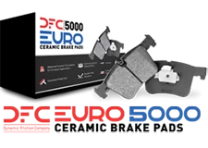
European vehicles. European brake systems are designed around specific friction coefficients and NVH targets. A BMW 3 Series or Mercedes C-Class with semi-metallic pads will be louder than the owner expects. Euro-specific ceramic formulations (like DFC 5000 Euro Ceramic) are engineered to match OE friction characteristics for these platforms.

Any customer who complains about brake dust. If someone walks in and the first thing they mention is black dust all over their wheels, that’s a ceramic customer. Full stop.

Vehicles that sit for days between drives. Ceramic pads are less prone to creating the kind of surface corrosion issues that develop when semi-metallic pads sit against a rotor in humid conditions.

The customer who values quiet operation. Ceramic formulations dampen the high-frequency vibrations that cause brake squeal better than semi-metallic.

When to Recommend Semi-Metallic

Semi-metallic pads exist because some applications generate more heat than ceramic can handle. Period. That’s the deciding factor.

Full-size trucks and SUVs that tow. A Ford F-250 pulling a 10,000-pound trailer down a mountain grade needs pads that can absorb and dissipate enormous amounts of heat without fading. Semi-metallic formulations handle that.

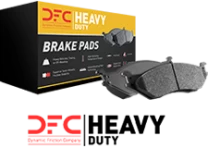
Fleet vehicles in stop-and-go duty cycles. Delivery vans, service trucks, and utility vehicles that spend all day in city traffic with frequent hard stops. For heavy fleet applications, DFC Heavy Duty and DFC Ultimate Duty Performance pads are formulated specifically for these duty cycles.

Performance driving. If your customer tracks their car, autocrosses, or drives aggressively, semi-metallic (or DFC Active Performance) gives them the heat resistance and aggressive bite they need.

Police and first responder vehicles. DFC Police pads are AMECA certified and designed for pursuit duty cycles.

Work trucks with regular heavy loads. Landscapers, contractors, tow trucks. These vehicles operate at or near GVWR regularly.

The Gray Area: When It Could Go Either Way

Mid-size SUVs that occasionally tow. A Chevy Tahoe that tows a boat twice a summer? Ceramic is fine. That same Tahoe towing a 6,000-pound camper every other weekend? Semi-metallic.

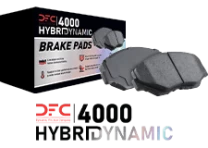
DFC 4000 HybriDynamic pads blend ceramic and semi-metallic properties to handle mixed driving patterns without the noise penalty of full semi-metallic or the heat limitations of full ceramic.

Older vehicles with drum/disc combination brakes. The front brakes do most of the work, so a semi-metallic front pad paired with the drum shoe setup in the rear often makes sense.

Customer preference conflicts with the application. Explain the tradeoffs honestly. Set expectations and let them decide.

The Quality Variable That Matters More Than Type

The quality gap between a cheap pad and a good pad within the same category is bigger than the gap between ceramic and semi-metallic in most applications.

What separates a quality pad from a cheap one:

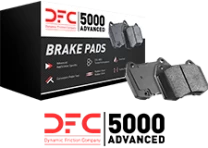
Vehicle-specific formulations. A DFC 5000 Advanced pad for a Honda CR-V uses a different friction compound than a DFC 5000 Advanced pad for a Ram 1500. Budget brands use one compound across hundreds of applications.

Post-curing. DFC post-cures 100% of its brake pads, stabilizing friction material before the pad ships.

Material quality. Better raw materials, tighter tolerances on fiber length and distribution, more consistent resin binders.

Backing plate quality. Precision-stamped plates with controlled flatness tolerances prevent noise and uneven wear.

The Counter Conversation: A Script That Works

Step 1: What’s the vehicle? Sedan or crossover? Almost certainly ceramic. Full-size truck? Depends on usage.

Step 2: How do they use it? “Do you tow anything regularly?” and “What kind of driving do you mostly do?”

Step 3: Any complaints about the current setup? Dust = ceramic. Fade = semi-metallic. Noise = specific formulation issue.

Step 4: Match the recommendation to the application.

Vehicle Type Primary Use Recommendation DFC Product
Sedan / Compact Daily driving Ceramic DFC 3000 Ceramic or DFC 5000 Advanced
Mid-size SUV / Crossover Daily driving Ceramic DFC 5000 Advanced
Mid-size SUV Mixed with light towing Hybrid DFC 4000 HybriDynamic
Full-size truck Daily, no towing Ceramic or Hybrid DFC 5000 Advanced or DFC 4000 HybriDynamic
Full-size truck Regular towing Semi-metallic DFC Heavy Duty
Work truck / Commercial Heavy-duty daily Semi-metallic DFC Ultimate Duty Performance
European sedan / SUV Any Euro ceramic DFC 5000 Euro Ceramic
Performance vehicle Spirited / track Performance DFC Active Performance
Police / First responder Pursuit rated AMECA certified DFC Police

Step 5: Set expectations. If switching from semi-metallic to ceramic, tell them the pedal will feel different. If switching the other way, warn them about dust and noise.

One More Thing: Matched Components Matter

A ceramic pad on a cheap rotor with inconsistent metallurgy won’t perform like a ceramic pad on a quality rotor. When the pad and rotor are designed as a system, break-in is faster, the transfer film develops more evenly, and NVH performance is better.

DFC offers complete brake kits with matched pads, rotors, and hardware. Find the right kit at dynamicfriction.com.

The ceramic vs semi-metallic question doesn’t have a universal answer. But it does have a right answer for every specific vehicle and driver.

The Warped Rotor Myth: What Actually Causes Brake Pulsation (And How to Fix It for Good)

Every technician has heard it. The customer walks in, grabs the counter, and says those two words: “warped rotors.”

And for decades, that’s exactly what the industry called it. Warped rotors. The diagnosis that explains the shudder in the steering wheel, the pulsing brake pedal, the vibration that gets worse the harder you stop. Simple enough, right?

Here’s the problem. Rotors don’t actually warp.

Not in any way that matches what most people mean when they say it. And if your shop keeps diagnosing brake pulsation as “warped rotors” without understanding what’s really going on underneath, you’re setting yourself up for comebacks, lost labor hours, and frustrated customers who keep coming back with the same complaint three months later.

Let’s talk about what’s really happening. Because once you understand it, you can fix it right the first time and stop chasing the same problem on every brake job.

Why Brake Rotors Can’t “Warp” Under Normal Driving

Cast iron brake rotors are manufactured at temperatures between 2,500 and 2,800 degrees Fahrenheit. That’s the temperature of molten iron being poured into a mold. To physically distort that casting after it’s cooled and machined, you’d need to hit it with similar heat.

Your customer’s Camry isn’t doing that. Not even close.

During normal driving, brake rotors operate between 200 and 400 degrees Fahrenheit. Hard braking on a steep mountain grade might push them to 600 or 700 degrees. Even a track day in a sports car rarely gets rotors above 900 degrees consistently.

To actually warp a cast iron rotor (meaning to permanently deform its shape through heat), you’d need to sustain temperatures above 1,000 to 1,200 degrees Fahrenheit across the rotor unevenly. That doesn’t happen in normal or even aggressive street driving.

So if the rotor isn’t warped, why does the brake pedal pulse?

The Real Culprit: Disc Thickness Variation

The answer is disc thickness variation, or DTV. This is the measurable difference in thickness between the thickest and thinnest points of the rotor as it rotates. When that variation gets large enough (usually more than 0.001 inches, depending on the application), the brake pad displacement changes as the rotor spins through the caliper. That fluctuation pushes and pulls the piston, which moves the brake fluid, which pulses the pedal.

That’s not warping. That’s uneven wear.

And here’s what matters to you as a tech or a shop owner: DTV is almost always caused by something that happened during the last brake job. Not by how the customer drives.

How Lateral Runout Creates DTV

The root cause of most disc thickness variation is lateral runout. That’s the side-to-side wobble of the rotor as it spins on the hub.

Picture it like this. If a rotor has even 0.002 inches of lateral runout, one spot on the rotor face is slightly closer to the brake pad than the rest. Every time the wheel rotates, that high spot makes contact with the pad. Over thousands of rotations, two things happen depending on your pad type:

With semi-metallic pads: The pad scrapes material off the rotor at the high spot. The rotor gets thinner in that area. Over time, you get a measurable thickness variation that causes pulsation.

With ceramic pads: The pad deposits friction material onto the rotor at the high spot. The rotor gets thicker in that area. Same result, different mechanism. Same pulsation.

Either way, you end up with a rotor that has uneven thickness. And either way, the customer comes back complaining about a vibration that wasn’t there when they picked up the car.

The Five Things That Actually Cause Brake Pulsation

If you want to eliminate brake pulsation complaints (and the comebacks that come with them), focus on these five causes. Every single one is preventable during a quality brake job.

1. Rust and Debris on the Hub Mounting Surface

This is the number one cause of lateral runout in the field. Period.

When a rotor sits on a hub that has corrosion buildup, rust scale, or road debris on the mounting face, the rotor can’t sit flat. Even a few thousandths of an inch of rust between the hub and rotor creates enough runout to eventually cause DTV.

The fix: Clean the hub face every single time you install a rotor. Wire brush it. Use a hub cleaning tool. Get the rust off. This takes 60 seconds and prevents 80% of pulsation comebacks.

2. Improper Lug Nut Torque

This one gets overlooked constantly, especially in busy shops where impact guns are doing the final tightening.

When lug nuts are torqued unevenly (which happens every time you rattle them down with an impact instead of using a torque wrench), the rotor mounting face gets pulled into a slight cone shape. That creates lateral runout from the start.

The fix: Hand-torque lug nuts in a star pattern to the manufacturer’s spec. Every time. No exceptions. Yes, it takes an extra minute. That minute saves you the 45 minutes of diagnosing a comeback.

3. Over-Tightening with Impact Guns

Related to the above, but worth calling out separately. Pneumatic impact guns can easily exceed the torque spec for wheel fasteners, which not only creates uneven clamping force but can also damage the threads and hub face over time.

The fix: Use the impact to snug the lug nuts, then finish with a calibrated torque wrench. Train every tech in the shop to do this consistently.

4. Pad Material Deposits (Pad Imprinting)

When new brake pads aren’t properly broken in, friction material can transfer unevenly onto the rotor surface. This creates high spots of deposited material that act just like thickness variation, producing a pulsation that the customer notices within the first few hundred miles.

This is especially common with ceramic formulations that rely on an adherent friction mechanism (transferring a thin, even layer of pad material onto the rotor face). If that initial transfer is uneven because the pads weren’t bedded properly, you get deposits instead of a uniform film.

The fix: Follow the pad manufacturer’s break-in procedure. For most applications, that means a series of moderate stops from 30-35 mph followed by a cool-down period. Don’t skip this step, and tell the customer not to sit on the brakes at a stoplight right after the install. That’s how you get pad imprinting.

One advantage of post-cured brake pads (like DFC’s entire lineup) is that the curing process stabilizes the friction material before it ever goes on the vehicle. That means more consistent pad transfer during break-in and a more uniform friction film on the rotor. It’s a small manufacturing detail that makes a real difference in the field.

5. Low-Quality Rotor Castings

Not all rotors are created equal. Cheap offshore castings can have inconsistencies in the iron metallurgy, uneven cooling during manufacturing, or poor machining tolerances. Those inconsistencies might not show up as lateral runout on a new rotor, but they accelerate the development of DTV once the rotor is in service.

The fix: Use rotors that are electronically inspected for runout, thickness variation, and dimensional accuracy before they ship. DFC runs every rotor through a 100% electronic inspection station that measures over 20 attributes to ensure OE-level specs. That kind of quality control eliminates the manufacturing variables that contribute to premature DTV.

How to Measure for DTV and Lateral Runout

If a customer comes in with a pulsation complaint, here’s the diagnostic process that actually identifies the root cause instead of just throwing parts at it.

Measuring Lateral Runout

  1. Mount a dial indicator on a fixed point (the caliper bracket or a magnetic base on the knuckle)
  2. Position the indicator tip against the rotor face, about 1 inch from the outer edge
  3. Rotate the rotor 360 degrees by hand
  4. Record the total indicator reading (TIR). Most manufacturers spec lateral runout at 0.002 inches or less

If runout exceeds spec, the rotor needs to come off. Clean the hub face, reinstall, and re-measure. If runout is still out of spec with a clean hub, the rotor itself may need to be replaced, or the hub assembly may have bearing wear contributing to the wobble.

Measuring Disc Thickness Variation

  1. Use an outside micrometer (not a caliper, you need the precision)
  2. Take thickness measurements at 8 to 12 equally spaced points around the rotor
  3. Record the difference between the thickest and thinnest readings
  4. Most manufacturers spec DTV at 0.001 inches or less

If DTV exceeds spec, the rotor needs to be replaced. Resurfacing can temporarily correct thickness variation, but if the underlying runout issue isn’t addressed, the DTV will come right back.

The Corrosion Factor: Why This Problem Is Getting Worse

There’s a reason brake pulsation complaints have increased over the past decade, and it’s not because rotors are getting worse. It’s because vehicles sit more.

Remote work, hybrid schedules, multicar households, and the rise of EVs with regenerative braking all mean that brake rotors spend more time sitting still, collecting moisture, and building up surface rust. That corrosion creates uneven surfaces that accelerate DTV development, especially on vehicles that sit for days between drives.

This is one reason coated rotors have gone from a “nice to have” to a “need to have” for shops that want to reduce pulsation comebacks. A quality corrosion-resistant coating (like DFC’s GeoSpec finish) protects the non-friction surfaces and the edges of the rotor from the rust buildup that contributes to runout over time. It also keeps rotors looking clean on the shelf, which matters if you’re a distributor managing inventory.

The Comeback Prevention Checklist

Print this out. Tape it to the wall in every bay. Follow it on every brake job and your pulsation comeback rate will drop to nearly zero.

  • Clean the hub mounting face (wire brush or hub cleaning tool)
  • Inspect the hub face for deep pitting or damage
  • Install rotor and check lateral runout with a dial indicator before installing pads
  • If runout exceeds 0.002″, reposition the rotor on the hub or address the hub surface
  • Install pads and hardware per manufacturer instructions
  • Torque lug nuts in a star pattern to manufacturer spec with a calibrated torque wrench
  • Perform proper pad break-in procedure (series of moderate stops, allow cool-down)
  • Advise customer: avoid heavy braking for the first 100 miles, don’t sit on the brake at stoplights during the break-in period

Stop Saying “Warped Rotors”

Language matters. When we tell customers their rotors are warped, we’re setting an expectation that rotors just do that on their own and there’s nothing anyone can do about it. That leads to repeated rotor replacements that don’t fix the actual problem, which means the customer keeps coming back with the same complaint and eventually loses trust in your shop.

When you explain that the pulsation is caused by thickness variation from a contaminated hub surface or improper torque, you’re telling the customer something different: this is preventable. We know how to fix it correctly. And when we do, it stays fixed.

That’s the difference between a shop that churns through brake jobs and a shop that builds a reputation for doing it right.

Choosing the Right Rotor to Minimize DTV

Not every rotor gives you the same starting point. Here’s what to look for when selecting rotors that resist DTV development:

Consistent metallurgy. Premium iron castings (G3000/G11H18 spec) with controlled carbon content provide more uniform wear characteristics than budget castings with inconsistent alloy composition.

Tight manufacturing tolerances. Rotors that are electronically inspected for runout and parallelism out of the box give you a better starting point. If the rotor has 0.001″ of runout before it ever goes on the vehicle, you’re already halfway to the DTV threshold.

Corrosion protection. Coated rotors reduce the surface rust that contributes to uneven pad contact and accelerated thickness variation. This matters more now than ever, with vehicles sitting longer between drives.

DFC’s rotor lineup is built with all three of these factors in mind. Every rotor passes a 100% electronic inspection measuring over 20 attributes. The Carbon Alloy line uses enhanced iron formulations for better wear characteristics. And the GeoSpec Coated line adds a patented corrosion-resistant finish that outperforms conventional zinc and paint coatings in salt spray testing.

Find DFC rotors for your application at dynamicfriction.com.

The “warped rotor” myth has been around for decades, but the science is clear: brake pulsation is caused by disc thickness variation and lateral runout, not by heat warping. Proper installation technique, quality components, and attention to the hub mounting surface are what separate a brake job that lasts from one that comes back in 90 days.

What to Do When Your Brake Parts Supplier Shuts Down

It happens faster than you’d think. One quarter you’re placing routine orders with a brake supplier you’ve used for years. The next quarter, you’re hearing rumors about financial trouble. Then the emails stop coming back. The reps stop calling. Backorders pile up. And one day you find out the company is closing its doors.

The aftermarket brake industry has seen this play out multiple times in recent years. Established brands with decades of history and thousands of loyal customers have disappeared, leaving shops and distributors scrambling to fill gaps in their brake programs with little warning.

If it’s happening to you right now, or if you want to be prepared in case it does, here’s the playbook.

Step 1: Assess What You Actually Lost

Before you start calling every brake supplier with a booth at AAPEX, take stock of what your former supplier was actually providing. This isn’t just a part number list. It’s a capability assessment.

Product categories. Were you buying just pads? Pads and rotors? Complete brake kits? Calipers? Hardware? The more categories you sourced from a single supplier, the more complex the replacement process.

Application coverage. Pull your last 12 months of purchase orders and identify your top 100 part numbers by volume. These are the applications you need to replace first. Everything else can wait.

Specialty products. Did you rely on them for police/fleet pads, heavy-duty applications, European vehicle coverage, or performance products? Specialty lines are harder to replace because not every supplier covers them.

Program benefits. Rebates, co-op marketing dollars, training programs, dedicated rep support. These are harder to quantify but real losses that your replacement supplier should address.

Inventory on hand. How much of their product is still on your shelves? That’s your runway. Once that inventory sells through, you need replacement product flowing in.

Step 2: Don’t Panic-Buy

The natural instinct is to grab whatever’s available from whoever can ship fastest. Resist that.

Panic-buying from unfamiliar suppliers or switching to the cheapest available alternative creates a new set of problems: inconsistent quality, higher comeback rates, products that don’t match your customers’ expectations, and a second transition when you eventually settle on a permanent replacement.

Use your existing inventory as a buffer. You have weeks, maybe months, before you’re truly out of stock on most applications. Use that time to evaluate properly instead of scrambling.

Step 3: Identify 2-3 Replacement Candidates

Don’t settle on the first supplier who shows up with a price sheet. Evaluate at least two or three options against these criteria:

Coverage Match

Can the replacement supplier cover your top 100 applications? What about your top 200? Where are the gaps?

Ask for a coverage analysis. A quality supplier will take your part number list and provide a cross-reference showing their equivalent part numbers, identify any applications they can’t cover, and tell you when coverage for those gaps is expected.

Quality Baseline

Your customers were used to a certain level of quality from your previous supplier. The replacement needs to match or exceed that level, or you’re trading one problem (no supplier) for another (comebacks).

Quality indicators to evaluate:

  • FMSI certification (and how many consecutive years)
  • Vehicle-specific friction formulations vs generic one-size-fits-all compounds
  • Post-curing on all pad lines (not just premium)
  • Rotor inspection process (100% electronic vs manual sampling)
  • Manufacturing location and transparency

Supply Chain Stability

You just lost a supplier. The last thing you need is to build a program around another one that’s financially shaky.

Look for:

  • How long have they been in business?
  • Do they manufacture in-house or private-label from overseas?
  • What’s their current fill rate? (Ask for data, not just a number.)
  • What’s their ownership structure? (Private equity with heavy debt loads has contributed to several aftermarket brand failures.)
  • Are they investing in new product development and facilities?

Pricing That Makes Sense Long-Term

Every supplier in the industry knows when a competitor shuts down. That means every remaining supplier is calling on the displaced accounts with aggressive introductory pricing. Be smart about this.

Ask:

  • What’s the standard pricing at my volume level after the introductory period?
  • What’s the volume rebate structure?
  • What are the payment terms?
  • What does the warranty claims process look like?
  • Is there co-op marketing or training support?

A supplier who offers a great 90-day introductory price and then raises it 15% isn’t giving you a deal. They’re renting your business short-term.

Step 4: Test Before You Commit

Don’t convert your entire brake program based on a price sheet and a sales call. Test the product first.

How to run a meaningful test:

  1. Select your top 5 to 8 applications (the vehicles you see most often)
  2. Order 20 to 30 sets across those applications
  3. Install them on customer vehicles with your normal process
  4. Track each installation: vehicle, date, technician, part number
  5. Follow up at 30 and 60 days for noise, vibration, dust, or any other complaints
  6. Compare the results against your experience with your previous supplier

This gives you real-world data on your actual vehicles with your technicians doing the work. It’s worth more than any specification sheet or trade show demo.

If the test pads perform well, expand the relationship. If they don’t, you’ve only exposed 20 to 30 customers instead of your entire base.

Step 5: Negotiate from a Position of Strength

When a competitor closes, displaced volume is up for grabs. Every remaining supplier wants it. That gives you leverage you don’t normally have.

Use it to negotiate:

  • Better pricing than you were getting from your previous supplier (the replacement supplier is gaining new volume, so there’s margin room)
  • Extended warranty terms to protect you during the transition
  • Stocking agreements that ensure your top applications are always available
  • Training support to get your counter staff and technicians familiar with the new product line
  • Co-op marketing to help you promote the new brand to your customers

The suppliers who are willing to invest in the transition (not just offer a price) are the ones building a long-term partnership. The ones who just drop a price sheet and disappear until the next order are selling you a transaction.

Step 6: Communicate the Change to Your Customers

If you’re a distributor, your shop accounts need to know what’s changing and why. If you’re a shop, your regular customers may notice different packaging or part names on their invoice.

Be proactive. A simple conversation works:

For shop customers: “We’ve upgraded our brake parts supplier. The new pads and rotors we’re using are [specific quality point: post-cured, vehicle-specific formulation, FMSI certified]. You’ll see the same or better performance from your brake job.”

For distribution accounts: “We’ve transitioned our brake program to [new supplier]. Here’s the cross-reference for the applications you order most frequently. Coverage, fill rates, and quality specs are all equal or better than what you were getting before.”

Nobody likes surprises. Get ahead of it.

Step 7: Monitor Performance and Adjust

The first 90 days after a supplier transition are the most important. Track everything:

  • Comeback rate on the new product vs your historical baseline
  • Fill rate from the new supplier (are they delivering what they promised?)
  • Counter staff and technician feedback (any fitment issues, noise complaints, or installation concerns?)
  • Customer response (any complaints or, better yet, compliments?)

If the numbers look good at 90 days, you’ve successfully transitioned. If something is off, you have data to bring to the supplier for correction, or data to support switching again if the first replacement isn’t working.

The Silver Lining

Losing a supplier is disruptive. There’s no way around that. But it’s also an opportunity to re-evaluate a purchasing decision that many shops and distributors made years ago and never revisited.

The aftermarket brake landscape has changed. Quality levels have shifted between brands. New manufacturers have matured. And suppliers that were “good enough” five years ago may not be the best option today. A forced transition is a chance to upgrade, not just replace.

DFC welcomes the comparison. Nine consecutive FMSI awards, in-house LA manufacturing, 100% post-curing, 100% electronic rotor inspection, nine pad lines with vehicle-specific formulations, and the most aggressive first-to-market coverage program in the aftermarket. Contact your DFC representative or visit dynamicfriction.com to start the conversation.

When a supplier disappears, the worst response is to panic. The best response is to use the disruption as a catalyst to build a stronger brake program than the one you had before.

For a structured evaluation framework, see our aftermarket brake supplier evaluation guide.

Friction Friday: 2023-2026 Toyota GR Corolla Brake Parts

The 2023–2026 Toyota GR Corolla delivers rally-inspired performance and all-wheel-drive capability, making precise and responsive braking essential. The DFC 5000 Brake Kit with GeoSpec Rotors provides OE-level fit, strong bite, and consistent stopping performance built for dynamic driving conditions.

Complete Brake Component Coverage

DFC supports the 2023-2026 Toyota GR Corolla with a full range of brake pads and rotors engineered for precise fitment and dependable performance. The DFC 5000 Series brake pads are paired with GeoSpec coated rotors to deliver a balanced combination of stopping power, durability, and quiet operation.

These components are available individually or as part of a complete brake solution, helping shops streamline installs and maintain consistent quality across every service.

Key Features and Benefits

DFC brake components for the 2023-2026 Toyota GR Corolla are designed with real-world driving conditions in mind:

  • OE-specific fitment for straightforward installation
  • Consistent braking response across varying speeds and traffic conditions
  • Quiet operation with reduced vibration and noise
  • GeoSpec coating to help protect rotors against corrosion
  • Reliable friction performance for daily driving demands

Product Image Reference

Image assets available featuring DFC 5000 Series brake pads and GeoSpec coated rotors for the 2023-2026 Toyota GR Corolla.

Stay Connected with DFC

The 2023-2026 Toyota GR Corolla demands braking components that match its performance standards. DFC components are engineered to meet OE specifications while delivering the stopping power, durability, and quiet operation that technicians and drivers expect.

DFC continues to expand coverage with OE-focused brake solutions that meet the needs of today’s vehicles. Stay tuned for more Friction Friday releases or connect with your DFC sales representative for the latest updates and product availability.

Friction Friday: 2023-2026 Maserati Grecale Brake Parts

The 2023–2026 Maserati Grecale blends luxury refinement with performance-driven dynamics, making smooth and dependable braking essential. The DFC 5000 Brake Kit with GeoSpec Rotors delivers OE-level fit, quiet operation, and consistent stopping performance designed for both daily driving and spirited use.

Complete Brake Component Coverage

DFC supports the 2023-2026 Maserati Grecale with a full range of brake pads and rotors engineered for precise fitment and dependable performance. The DFC 5000 Series brake pads are paired with GeoSpec coated rotors to deliver a balanced combination of stopping power, durability, and quiet operation.

These components are available individually or as part of a complete brake solution, helping shops streamline installs and maintain consistent quality across every service.

Key Features and Benefits

DFC brake components for the 2023-2026 Maserati Grecale are designed with real-world driving conditions in mind:

  • OE-specific fitment for straightforward installation
  • Consistent braking response across varying speeds and traffic conditions
  • Quiet operation with reduced vibration and noise
  • GeoSpec coating to help protect rotors against corrosion
  • Reliable friction performance for daily driving demands

Part Number Breakdown

Component TypePositionProduct DescriptionPart Number
Brake PadsFrontDFC 5000 Brake Pads1551-2546-00
Brake PadsRearDFC 5000 Brake Pads1551-1989-00
Hardware KitFrontDFC Disc Brake Hardware Kit340-79003
Hardware KitRearDFC Disc Brake Hardware Kit340-54029
RotorsFrontDFC GeoSpec Coated Rotor604-79014
RotorsRearDFC GeoSpec Coated Rotor604-79015

Product Image Reference

Image assets available featuring DFC 5000 Series brake pads and GeoSpec coated rotors for the 2023-2026 Maserati Grecale.

Stay Connected with DFC

The 2023-2026 Maserati Grecale demands braking components that match its performance standards. DFC components are engineered to meet OE specifications while delivering the stopping power, durability, and quiet operation that technicians and drivers expect.

DFC continues to expand coverage with OE-focused brake solutions that meet the needs of today’s vehicles. Stay tuned for more Friction Friday releases or connect with your DFC sales representative for the latest updates and product availability.

2019-2026 International CV515 Brake Parts Now Available

The 2019-2026 International CV515 is built for medium duty commercial applications where consistent braking performance is critical. Whether in fleet service, construction, or municipal use, these trucks operate under heavy loads and demanding conditions. DFC now supports this platform with OE-engineered brake pads and rotors designed to deliver reliable stopping power, long service life, and dependable fitment.

Complete Brake Component Coverage

DFC provides a full braking solution for the International CV515, including premium 5000 Series brake pads and GeoSpec coated rotors. These components are engineered to work together for balanced braking performance and simplified installation.

The 5000 Series pads are formulated for consistent friction and reduced noise, while GeoSpec rotors are built to handle high-duty cycles and resist environmental wear.

Key Features and Benefits

DFC brake components for the 2019-2026 International CV515 are designed with the demands of commercial vehicles in mind:

  • OE-level fitment for efficient installation and reduced downtime
  • Stable braking performance under heavy loads and repeated stops
  • Advanced friction formulation for consistent pedal feel
  • GeoSpec coating technology to protect against corrosion
  • Designed for fleet, construction, and municipal applications

Part Numbers for 2019-2026 International CV515

Component TypePositionProduct DescriptionPart Number
Brake PadsFrontDFC 5000 Series Brake Pads1551-0769-00
Brake PadsRearDFC 5000 Series Brake Pads1551-0769-00
RotorsFrontGeoSpec Coated Rotor604-54258
RotorsRearGeoSpec Coated Rotor604-54258

Product Image Reference

Refer to the latest DFC marketing assets for product visuals, including brake pads, rotors, and complete kit configurations for the International CV515.

Built for Demanding Work Environments

Medium duty trucks like the CV515 require braking systems that perform consistently under pressure. DFC components are engineered to meet OE specifications while delivering the durability and reliability technicians expect in high-use environments.

DFC supports distributors and service professionals with flexible purchasing options, including individual components and complete brake kits.

Stay connected with DFC for the latest product releases and expanded coverage. Check back next week for another Friction Friday update.

Friction Friday: 2026 Toyota C-HR Brake Parts

The 2026 Toyota C-HR brings bold styling and responsive handling to everyday driving. For vehicles built with this level of agility, braking performance must remain consistent and dependable. DFC now offers complete 2026 Toyota C-HR brake parts coverage, giving technicians and distributors a reliable OE replacement solution designed for smooth, controlled stopping in both city and highway conditions.

Complete Brake Component Coverage

DFC supports the 2026 Toyota C-HR with a full range of brake pads and rotors engineered for precise fitment and dependable performance. The DFC 5000 Series brake pads are paired with GeoSpec coated rotors to deliver a balanced combination of stopping power, durability, and quiet operation.

These components are available individually or as part of a complete brake solution, helping shops streamline installs and maintain consistent quality across every service.

Key Features and Benefits

DFC brake components for the 2026 Toyota C-HR are designed with real-world driving conditions in mind:

  • OE-specific fitment for straightforward installation
  • Consistent braking response across varying speeds and traffic conditions
  • Quiet operation with reduced vibration and noise
  • GeoSpec coating to help protect rotors against corrosion
  • Reliable friction performance for daily driving demands

This combination ensures that drivers experience confident braking while technicians benefit from dependable, hassle-free installs.

Part Number Breakdown

Component TypePositionProduct DescriptionPart Number
Brake PadsFrontDFC 5000 Series Brake Pads1551-1324-00
Brake PadsRearDFC 5000 Series Brake Pads1551-2305-00
RotorsFrontGeoSpec Coated Rotor604-76160
RotorsRearGeoSpec Coated Rotor604-75061

Product Image Reference

Image assets available featuring DFC 5000 Series brake pads and GeoSpec coated rotors for the 2026 Toyota C-HR.

Stay Connected with DFC

DFC continues to expand coverage with OE-focused brake solutions that meet the needs of today’s vehicles. Stay tuned for more Friction Friday releases or connect with your DFC sales representative for the latest updates and product availability.