 UNITED STATES














Why Stocking the Right Brake Parts Matters
Warehouse distributors are a vital link in the automotive supply chain—especially when it comes to brake components. Stocking the right parts ensures steady turnover, reduces downtime for service shops, and builds long-term trust with commercial and retail customers. In a rapidly evolving market, making informed stocking decisions is critical to staying competitive.
This guide highlights key strategies for warehouse distributors to stay ahead of trends, optimize inventory, and maximize ROI by focusing on high-demand brake parts.
1. Identify and Prioritize High-Demand Brake Components
Brake parts are not created equal when it comes to turnover. To optimize inventory, focus on the highest-demand categories:
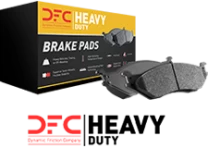
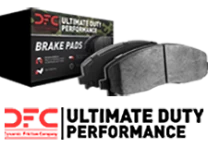
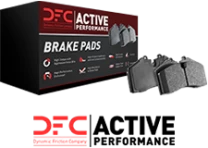
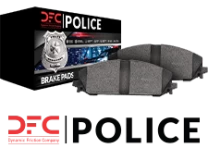
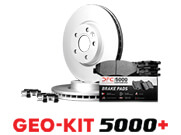
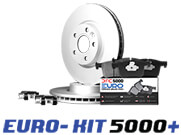
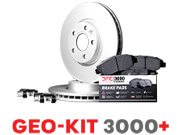
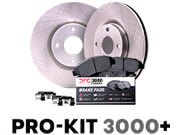
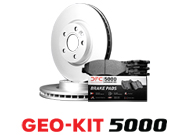
- Brake Pads – Frequently replaced across all vehicle types
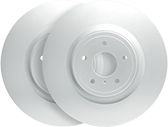
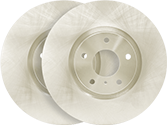
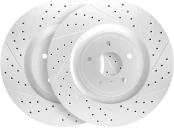
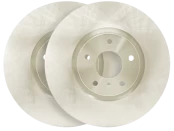
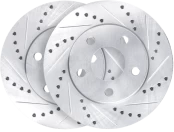
- Brake Rotors – Often paired with pad replacements
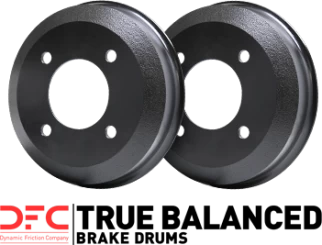
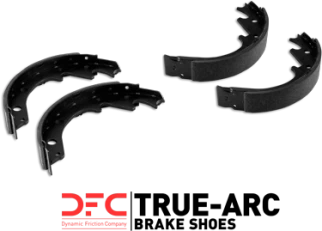
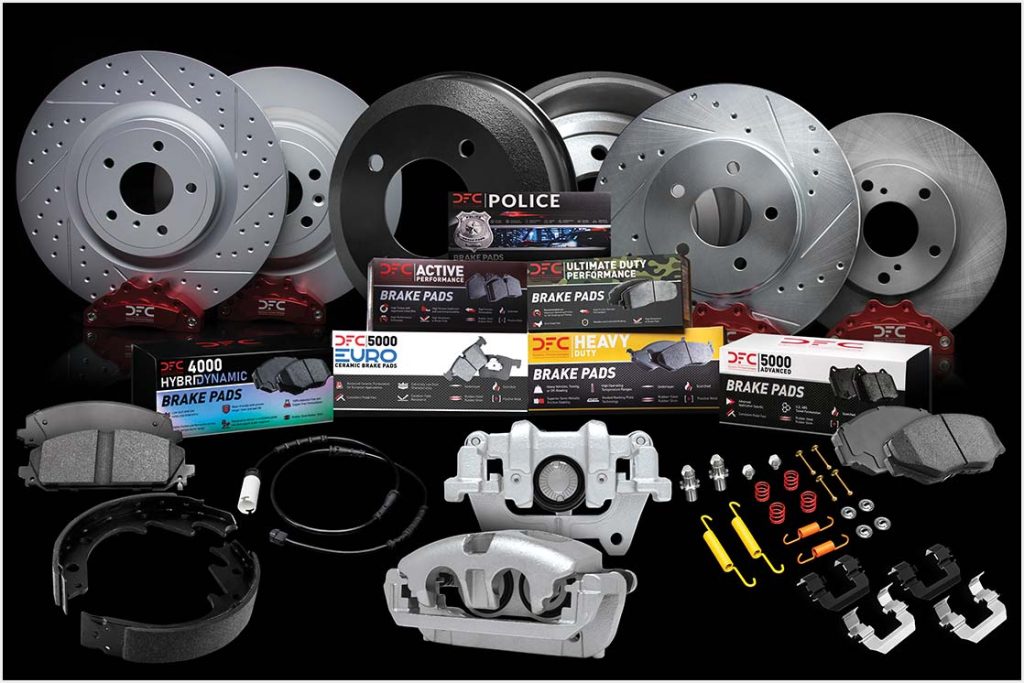
- Brake Shoes & Drums – Still in demand for older vehicles and fleet applications
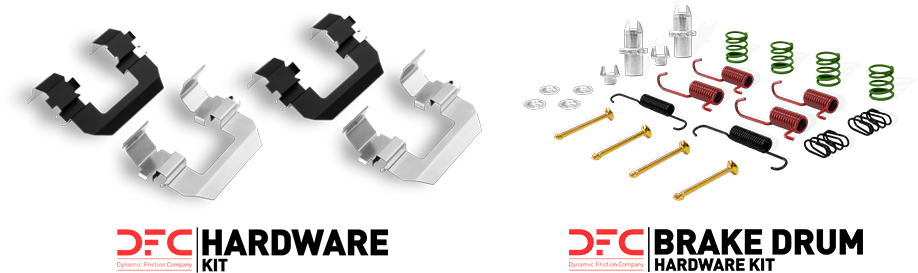
- Brake Hardware Kits – Crucial for complete, reliable brake service
How to Gauge Demand:
- Analyze your own sales data to identify top-moving SKUs
- Monitor market trends tied to new vehicle releases, aging fleets, and seasonality
- Engage directly with auto shops and fleet managers to understand recurring needs
Stocking these essentials not only reduces customer wait times but also positions you as a go-to source for reliable inventory.
2. Align Inventory with Vehicle and Industry Trends
Vehicle technology and ownership trends directly influence brake part demand. Staying informed allows you to adjust proactively.
Key Trends to Watch:
- Electric & Hybrid Vehicles – These vehicles use regenerative braking and require specialized pads and rotors
- Trucks and SUVs – Their increasing popularity calls for heavy-duty pads, rotors, and cooling technologies
- Fleet and Commercial Vehicles – Consistent, high-volume demand for durable, long-life components
Being ahead of these trends helps reduce backorder and keeps your customers equipped with what they need—when they need it.
3. Understand Brake Pad Types and Rotor Features
A strong understanding of product categories will help you stock parts that meet a wide variety of customer needs.
Brake Pad Types:
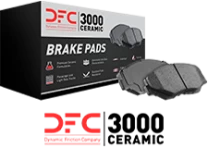
- Ceramic – Low noise, minimal dust, long wear life; ideal for everyday drivers
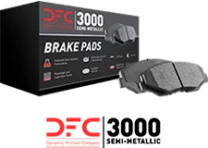
- Semi-Metallic – Excellent heat dissipation and durability; suited for performance and fleet use
- Low-Metallic – Balanced between stopping power and noise control
Brake Rotor Types:
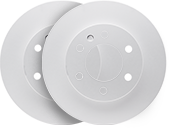
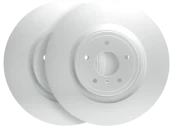
- Solid Rotors – Dependable for standard use
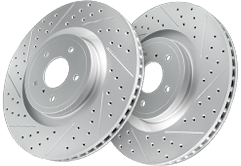
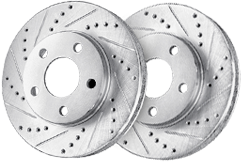
- Vented Rotors – Designed for better heat dissipation under high load
- Advanced Fin and Alloy Options – Offer improved cooling and structural integrity
By offering a diverse selection of friction materials and rotor styles, you increase your ability to serve a broader market base.
4. Balance Inventory to Minimize Dead Stock
Overstocking slow-moving items ties up cash and shelf space. Understocking high-demand parts risks losing sales and shop loyalty.
Inventory Best Practices:
- Implement Just-in-Time (JIT) strategies to reduce overstock
- Use inventory management software to track turnover in real-time
- Maintain strong supplier relationships for flexible replenishment
- Base orders on data-driven forecasts rather than guesswork
Smart inventory control helps you stay responsive while protecting your margins.
5. Stock Only Proven, Reliable Brake Brands
Quality matters. Mechanics and service shops rely on parts that perform reliably and install with confidence. Partnering with manufacturers like Dynamic Friction Company (DFC) ensures:
- OEM-level quality with advanced friction materials and metallurgy
- Consistent fill rates and fast shipping turnaround
- A comprehensive product line covering a wide range of makes and models
- Technical support and branded materials for your resellers and shop clients
DFC is a trusted name among professional installers and distributors, known for delivering the right balance of performance, reliability, and value.
6. Embrace E-Commerce and Digital Tools
Today’s auto professionals expect seamless digital ordering experiences. Distributors must evolve with this shift to remain competitive.
E-Commerce Essentials:
- Maintain an intuitive, mobile-friendly online catalog
- Display real-time stock levels to reduce misorders and delays
- Enable B2B integrations for high-volume accounts
- Offer advanced search, vehicle look-up, and cross-reference functionality
Digital convenience not only improves customer experience but expands your reach well beyond local markets.
7. Embrace Advancements in Brake Technology
Brake systems are becoming increasingly sophisticated. Stocking products that meet modern performance standards helps you stay ahead.
What to Look For:
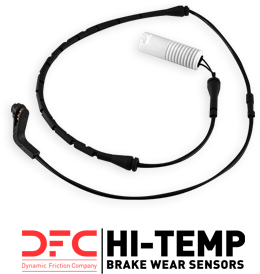
- Friction materials designed for high-temperature durability
- Rotors with enhanced cooling vanes or carbon alloy formulations
- Compatibility with electronic systems like ABS and electronic stability control (ESC)
Investing in advanced product lines helps you meet evolving customer expectations while building a premium inventory profile.
8. Use Smart Pricing Strategies and Promotions
Competitive pricing is essential, but it must be balanced with profitability. Strategic incentives can increase order volume and customer retention.
Tactics to Consider:
- Offer bulk discounts to high-volume clients
- Create loyalty programs for repeat buyers
- Run seasonal or clearance promotions on slower-moving SKUs
Smart pricing keeps you competitive without sacrificing your bottom line.
Conclusion: Future-Proof Your Inventory Strategy
Success in brake distribution comes down to anticipating demand, managing stock efficiently, and aligning with dependable brands. By focusing on high-demand brake parts, embracing digital sales channels, and partnering with a trusted manufacturer like DFC, warehouse distributors can increase customer satisfaction and grow market share.
Looking to streamline your brake inventory with a brand that delivers performance, reliability, and full coverage?
Contact Dynamic Friction Company today and discover how our brake solutions can support your distribution goals.