In the competitive automotive aftermarket, stocking the right parts isn’t just good business—it’s essential. Fast-moving brake components drive profitability, improve customer satisfaction, and reduce operational waste. Whether you manage a parts department, a warehouse, or a service counter, identifying top-selling SKUs ensures you stay ahead of demand and behind fewer missed sales.
Why It Pays to Prioritize Fast-Moving Parts
Brake parts with high turnover are the backbone of a well-managed inventory system. Keeping them on hand:
Reduces missed sales and service delays
Minimizes stockouts and customer frustration
Improves cash flow by avoiding overstock
Builds trust with faster service fulfillment
Optimizing your inventory around fast-movers translates to leaner operations, better forecasting, and higher margins.
The Foundation: Understand the Brake System
Brake systems are mission-critical for safety and performance. Stocking core components—pads, rotors, calipers, drums, and hardware kits—is non-negotiable. An organized inventory backed by real-time tracking ensures:
Accurate stock level monitoring
Faster response to demand shifts
Smart reorder thresholds
Clear visibility into product trends
Investing in inventory intelligence allows you to prevent both shortages and slow-moving surplus.
1. Use VIO Data and Digital Demand Trends
Start with Vehicle in Operation (VIO) data to identify high-population models in your service area. Prioritize brake parts for these vehicles—they move faster by default.
Go further by analyzing digital touchpoints:
Website search data
eCommerce product views
Vendor platform analytics
If front pads for a 2015–2020 Ford F-150 or rear rotors for a 2017 Honda Civic are constantly searched or purchased—stock them in volume.
2. Monitor SKU-Level Sales Velocity
Track how quickly specific part numbers sell and how frequently they’re viewed online. High-conversion SKUs with consistent sales are reliable fast-movers.
From DFC’s Lifecycle Projects strategy:
Monitor product page views
Track vendor click-outs
Flag SKUs with repeated interest—even if they haven’t converted yet
These behaviors signal high intent and can help guide proactive restocking.
3. Retarget High-Intent Shoppers
Not every fast-moving part is purchased immediately. Use retargeting campaigns to reconnect with customers who’ve shown interest but didn’t complete a purchase.
Tools like automated email flows, popups, and digital ads with urgency messaging (“Back in stock!” or “Going fast!”) convert interest into revenue. When paired with inventory triggers, this tactic ensures you’re stocked and ready when the sale hits.
4. Listen to Your Front-Line Team
Your techs and counter staff see trends in real time. They know which parts are always running low, reordered often, or requested by every third customer.
Regular feedback from the shop floor helps validate inventory data—and often catches fast-movers before your reports do.
Warehouse Insight: If your team is constantly rushing to reorder certain SKUs, those parts should always be in stock.
5. Personalize Stocking with Buyer Behavior Segmentation
DFC’s behavioral segmentation tools use product page interactions and click-out data to highlight fast-moving products. These insights fuel automated workflows that:
Target repeat viewers of your most popular parts
Create product-specific campaigns to boost velocity
Provide actionable data for smarter forecasting
Integrating this with your inventory strategy aligns marketing with stocking decisions, improving efficiency across the board.
Final Thoughts: Build Your Inventory Around What Sells
Fast-moving brake parts are the foundation of a profitable, efficient inventory strategy. By leveraging VIO data, digital insights, sales velocity, and front-line feedback, you can stock smarter—avoiding shortages while minimizing excess.
At Dynamic Friction Company (DFC), we help shops and distributors succeed with OE-quality brake parts built for high-volume demand and real-world performance. From data-backed stocking support to premium components, we’re here to help you streamline operations and drive results.
When buying brake pads in bulk, price often plays a major role. But is choosing the cheapest option really the most cost-effective decision? In reality, low-cost brake pads can lead to increased wear, safety risks, and higher long-term expenses—especially for warehouse distributors, shop owners, and fleet managers.
Investing in high-quality brake pads from a trusted manufacturer like Dynamic Friction Company (DFC) provides long-term value through durability, performance, and reduced returns. Here’s why smart bulk buyers know that quality pays off.
1. Understanding Brake Systems and Pad Materials
Brake pads are a critical part of the vehicle’s stopping system. Pressed against the rotor by calipers, they generate friction to slow and stop the vehicle. The quality of that friction—and how it affects other components—matters deeply.
Brake Pad Types:
Ceramic Brake Pads: Known for quiet, smooth operation and low dust. Ideal for consistent daily driving and long wear life.
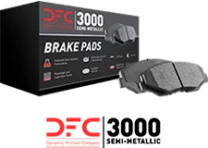
Semi-Metallic Brake Pads: Built for strength and heat dissipation, making them ideal for heavier loads and commercial use.
Organic Pads: Common in older vehicles but wear faster and offer less consistent performance.
Each formulation serves a purpose, but high-quality ceramic and semi-metallic pads strike the best balance for bulk buyers prioritizing performance and longevity.
2. The Hidden Costs of Cheap Brake Pads
Cheaper brake pads may offer upfront savings, but they often come with hidden liabilities that drive up total cost of ownership.
Frequent Replacements
Low-grade pads wear out faster, increasing labor costs and causing more vehicle downtime. For fleets and busy repair shops, these disruptions reduce efficiency and profitability.
Compromised Safety
Inconsistent friction levels can result in longer stopping distances, brake fade, and reduced control—putting vehicles and drivers at risk. Quality pads offer a reliable initial bite and fade-resistant performance.
Increased Wear on Rotors and Calipers
Cheap pads can be harsh on other brake system components, causing premature wear to rotors, calipers, and even brake fluid systems. Over time, this leads to costly repairs that far outweigh any initial savings.
Customer Complaints and Returns
For distributors and auto shops, low-cost pads often mean higher return rates and lower customer satisfaction. Protecting your reputation starts with stocking and selling reliable, high-performing components.
3. Why Bulk Buyers Should Choose Premium Brake Pads
High-quality brake pads offer measurable benefits that improve both vehicle performance and your business operations.
Longer Lifespan, Lower Service Costs
Premium pads are made with advanced friction materials and reinforced backing plates. This durability translates into fewer replacements and reduced service intervals.
Reliable Performance and Safer Braking
Top-tier pads dissipate heat efficiently and maintain stable friction—even under high loads or extreme conditions. This consistency is especially important for commercial vehicles, high-mileage fleets, and safety-conscious customers.
Better Rotor Compatibility
Quality brake pads are engineered to pair with rotors without causing undue wear. This helps protect the entire braking system and minimizes rotor resurfacing or replacement.
Stronger Customer Retention
Satisfied customers come back. Distributors and auto shops that prioritize quality earn more trust, more referrals, and more long-term business.
4. What to Look for When Buying Brake Pads in Bulk
Bulk buyers need to focus on quality and consistency—not just price. Here’s what to prioritize:
✔ Material Composition: Look for ceramic or semi-metallic formulations with proven performance. ✔ Reinforced Backing Plates: Choose pads with galvanized steel plates and mechanical bonding for improved strength and rust resistance. ✔ OEM or Equivalent Standards: Ensure the product meets or exceeds factory specs. ✔ Reputable Manufacturing: Work with trusted manufacturers known for rigorous testing and quality control. ✔ Certifications and Compliance: Verify adherence to safety standards and performance benchmarks.
5. Maintenance Matters Too
While quality pads are essential, maintaining the brake system helps extend their lifespan and performance.
Regularly inspect pads for wear and replace before damage occurs.
Check brake fluid levels and flush as needed to prevent corrosion.
Keep rotors clean and free from debris or glazing.
Educate customers on driving habits that can prolong pad life.
Cheap brake pads might save a few dollars upfront, but the long-term costs—from repairs to reputation—can be significant. Investing in high-quality brake pads protects your bottom line, your customers, and your brand.
For warehouse distributors, fleet managers, and professional repair shops, reliable performance is the best value.
Ready to Order Premium Brake Pads in Bulk?
Dynamic Friction Company offers a full line of high-performance brake pads engineered for longevity, safety, and profitability. Whether you’re restocking your warehouse or supplying high-volume clients, DFC delivers the quality and coverage you need to succeed.
📞 Contact DFC Today to learn more about our bulk purchasing options and premium brake solutions.
Warehouse distributors are a vital link in the automotive supply chain—especially when it comes to brake components. Stocking the right parts ensures steady turnover, reduces downtime for service shops, and builds long-term trust with commercial and retail customers. In a rapidly evolving market, making informed stocking decisions is critical to staying competitive.
This guide highlights key strategies for warehouse distributors to stay ahead of trends, optimize inventory, and maximize ROI by focusing on high-demand brake parts.
1. Identify and Prioritize High-Demand Brake Components
Brake parts are not created equal when it comes to turnover. To optimize inventory, focus on the highest-demand categories:
Brake Pads – Frequently replaced across all vehicle types
Analyze your own sales data to identify top-moving SKUs
Monitor market trends tied to new vehicle releases, aging fleets, and seasonality
Engage directly with auto shops and fleet managers to understand recurring needs
Stocking these essentials not only reduces customer wait times but also positions you as a go-to source for reliable inventory.
2. Align Inventory with Vehicle and Industry Trends
Vehicle technology and ownership trends directly influence brake part demand. Staying informed allows you to adjust proactively.
Key Trends to Watch:
Electric & Hybrid Vehicles – These vehicles use regenerative braking and require specialized pads and rotors
Trucks and SUVs – Their increasing popularity calls for heavy-duty pads, rotors, and cooling technologies
Fleet and Commercial Vehicles – Consistent, high-volume demand for durable, long-life components
Being ahead of these trends helps reduce backorder and keeps your customers equipped with what they need—when they need it.
3. Understand Brake Pad Types and Rotor Features
A strong understanding of product categories will help you stock parts that meet a wide variety of customer needs.
Brake Pad Types:
Ceramic – Low noise, minimal dust, long wear life; ideal for everyday drivers
Semi-Metallic – Excellent heat dissipation and durability; suited for performance and fleet use
Low-Metallic – Balanced between stopping power and noise control
Brake Rotor Types:
Solid Rotors – Dependable for standard use
Vented Rotors – Designed for better heat dissipation under high load
Advanced Fin and Alloy Options – Offer improved cooling and structural integrity
By offering a diverse selection of friction materials and rotor styles, you increase your ability to serve a broader market base.
4. Balance Inventory to Minimize Dead Stock
Overstocking slow-moving items ties up cash and shelf space. Understocking high-demand parts risks losing sales and shop loyalty.
Inventory Best Practices:
Implement Just-in-Time (JIT) strategies to reduce overstock
Use inventory management software to track turnover in real-time
Maintain strong supplier relationships for flexible replenishment
Base orders on data-driven forecasts rather than guesswork
Smart inventory control helps you stay responsive while protecting your margins.
5. Stock Only Proven, Reliable Brake Brands
Quality matters. Mechanics and service shops rely on parts that perform reliably and install with confidence. Partnering with manufacturers like Dynamic Friction Company (DFC) ensures:
OEM-level quality with advanced friction materials and metallurgy
Consistent fill rates and fast shipping turnaround
A comprehensive product line covering a wide range of makes and models
Technical support and branded materials for your resellers and shop clients
DFC is a trusted name among professional installers and distributors, known for delivering the right balance of performance, reliability, and value.
6. Embrace E-Commerce and Digital Tools
Today’s auto professionals expect seamless digital ordering experiences. Distributors must evolve with this shift to remain competitive.
E-Commerce Essentials:
Maintain an intuitive, mobile-friendly online catalog
Display real-time stock levels to reduce misorders and delays
Enable B2B integrations for high-volume accounts
Offer advanced search, vehicle look-up, and cross-reference functionality
Digital convenience not only improves customer experience but expands your reach well beyond local markets.
7. Embrace Advancements in Brake Technology
Brake systems are becoming increasingly sophisticated. Stocking products that meet modern performance standards helps you stay ahead.
What to Look For:
Friction materials designed for high-temperature durability
Rotors with enhanced cooling vanes or carbon alloy formulations
Compatibility with electronic systems like ABS and electronic stability control (ESC)
Investing in advanced product lines helps you meet evolving customer expectations while building a premium inventory profile.
8. Use Smart Pricing Strategies and Promotions
Competitive pricing is essential, but it must be balanced with profitability. Strategic incentives can increase order volume and customer retention.
Tactics to Consider:
Offer bulk discounts to high-volume clients
Create loyalty programs for repeat buyers
Run seasonal or clearance promotions on slower-moving SKUs
Smart pricing keeps you competitive without sacrificing your bottom line.
Conclusion: Future-Proof Your Inventory Strategy
Success in brake distribution comes down to anticipating demand, managing stock efficiently, and aligning with dependable brands. By focusing on high-demand brake parts, embracing digital sales channels, and partnering with a trusted manufacturer like DFC, warehouse distributors can increase customer satisfaction and grow market share.
Looking to streamline your brake inventory with a brand that delivers performance, reliability, and full coverage? Contact Dynamic Friction Company today and discover how our brake solutions can support your distribution goals.
When it comes to brake parts, compatibility and precise fitment are crucial. One small discrepancy in a brake pad or rotor can lead to performance issues, safety risks, and increased wear. That’s where FMSI standards come in. These standards ensure compatibility across all brake system components, emphasizing the importance of each part in maintaining safety and performance.
For auto shop workers, purchasing groups, and warehouse distributors, understanding FMSI (Friction Materials Standards Institute) codes ensures accurate part selection and optimal performance.
1. What Are FMSI Standards?
The Friction Materials Standards Institute (FMSI) was established to create a universal identification system for brake pads, brake shoes, and linings. This system assigns a unique alphanumeric code to each friction material shape and backing plate.
Why Is This Important?
✔ Ensures consistent sizing and shape across manufacturers ✔ Reduces misfit issues between pads and rotors ✔ Standardizes part identification for mechanics and distributors
Each FMSI number is tied to a specific vehicle application, making it easier to match the right brake pad or rotor with the correct braking system. FMSI standards also help in ensuring the correct rotor size for each vehicle application, which is crucial for optimal performance and safety.
2. Brake Component Types and FMSI Standards
The brake system is composed of various components, each playing a crucial role in ensuring safe and efficient braking. Understanding the different types of brake components and their corresponding FMSI (Friction Materials Standards Institute) standards is essential for selecting the right brake parts for your vehicle.
How FMSI Standards Improve Brake Pads Compatibility
Consistent Fitment Across Brands
Without a universal standard, brake pads from different manufacturers might have slight variations in shape, thickness, or mounting points, leading to fitment problems. Consistent fitment is crucial for all brake system components, including the brake pedal, to ensure effective and reliable braking.
FMSI prevents this by ensuring all manufacturers follow the same specifications, making it easier for mechanics and distributors to source and install the correct brake parts.
Eliminates Guesswork in Part Selection
For warehouse distributors and purchasing groups, FMSI numbers streamline inventory management by ensuring each brake part is assigned to the right vehicle applications. This provides a better idea of part compatibility, eliminating guesswork in the selection process.
✔ Reduces returns and exchanges due to incorrect fitment ✔ Helps identify the right parts quickly for large-scale purchasing ✔ Standardizes cross-referencing across multiple brands
FMSI and Brake Rotors Compatibility
While FMSI numbers primarily apply to friction materials, they also play a role in rotor compatibility.
🚗 Pad and rotor misalignment can cause uneven wear, excessive noise, and reduced braking efficiency. 🚗 Using FMSI-matched pads and rotors ensures proper friction contact and heat dissipation.
For example, DFC Premium Brake Rotors are designed using OEM specifications and FMSI-compliant pad shapes, ensuring proper contact and maximum stopping power. These rotors are also engineered to handle extreme heat, preventing warping and cracks during intense driving conditions.
4. The Role of FMSI in OE vs. Aftermarket Brake Parts
FMSI numbers bridge the gap between original equipment (OE) parts and aftermarket brake solutions.
🔧 OE manufacturers rely on FMSI standards to design factory-installed brake components. 🔧 Aftermarket brands, like DFC, use these same codes to create direct-fit replacement parts. Many aftermarket brake pads, including semi-metallic ones, are made from a blend of materials like steel, iron, and copper, offering superior performance in high temperatures. 🔧 This ensures aftermarket brake pads and rotors meet or exceed OEM fitment standards.
For mechanics, this means: No modifications, no guesswork—just perfectly matched brake parts every time.
6. FMSI Standards and Brake Safety
FMSI standards play a critical role in ensuring brake safety by providing a framework for the design, testing, and certification of brake components. By adhering to FMSI standards, brake manufacturers can ensure that their products meet the required safety and performance standards.
5. How to Use FMSI Standards When Selecting Brake Parts
When choosing brake pads or rotors, look for FMSI numbers on: ✅ Manufacturer catalogs✅ Brake pad backing plates✅ Retail and distributor websites
Selecting the right brake pads can also minimize brake dust, as different materials like semi-metallic and ceramic pads generate varying amounts of brake dust.
This eliminates confusion and ensures every brake component fits precisely with its intended application.
Final Thoughts
FMSI standards are the backbone of brake pad and rotor compatibility. By following these guidelines, mechanics, distributors, and purchasing groups can ensure optimal fitment, performance, and safety. Additionally, FMSI-compliant parts are engineered to provide quiet braking, minimizing noise and vibration for a smoother, more comfortable driving experience.
Looking for **FMSI-compliant brake pads and rotors?**DFC offers premium, direct-fit brake solutions that adhere to industry standards for quality, reliability, and performance.
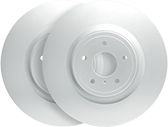
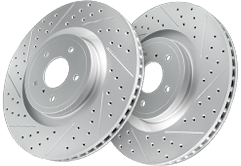
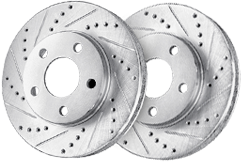
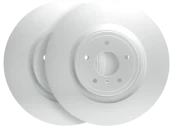
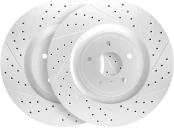
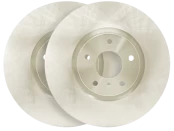
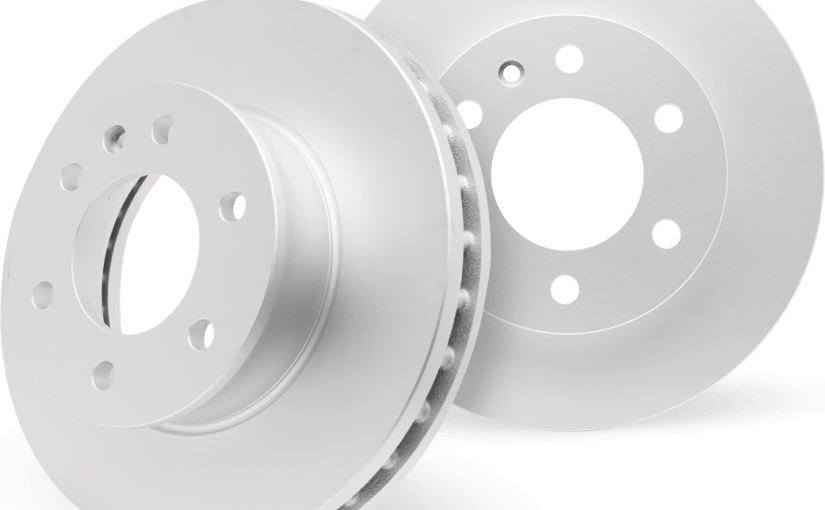
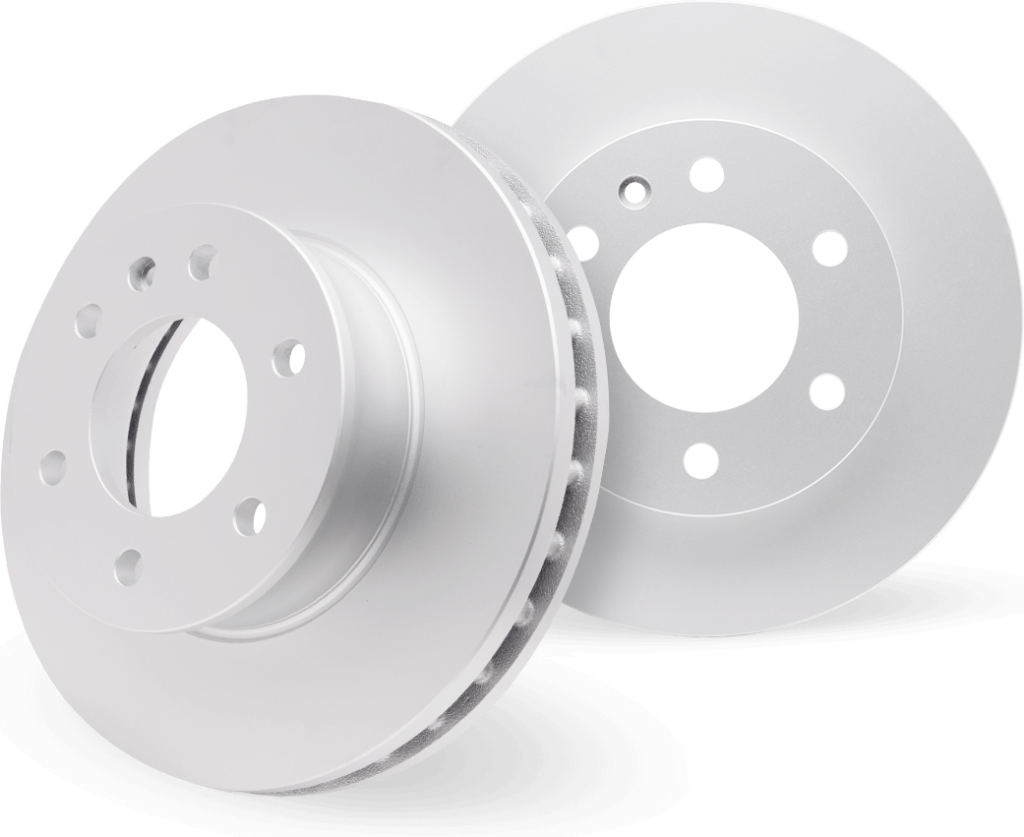
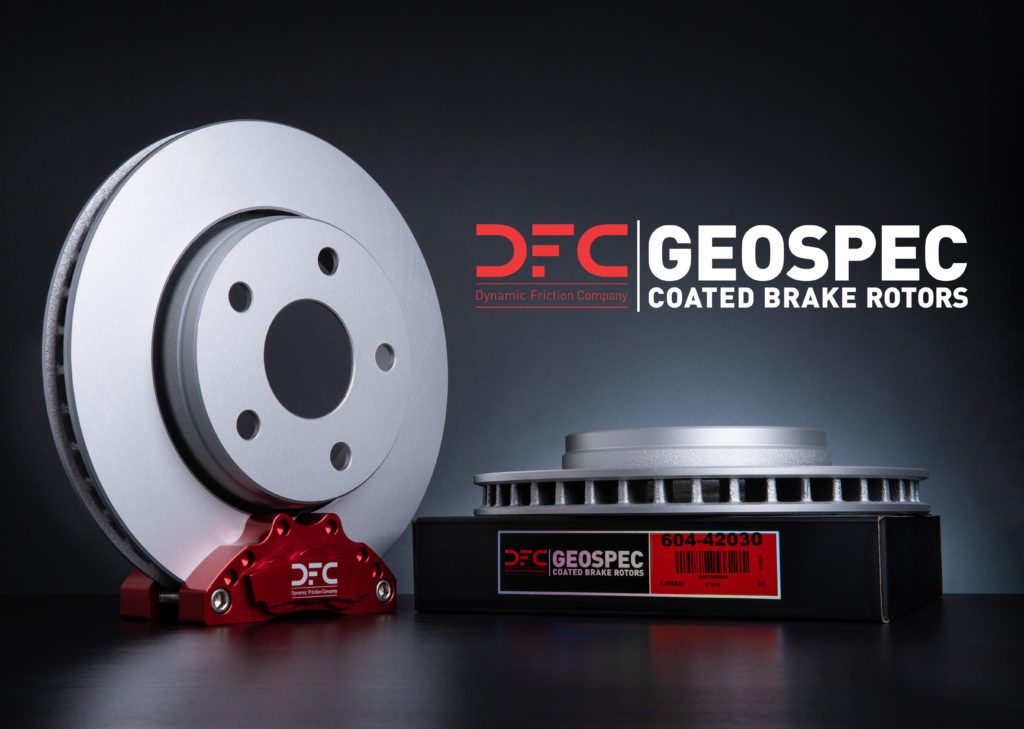
Developed to form a durable and attractive silver-gray finish, DFC GEOSPEC Coated Brake Rotors fight rust far better than conventional paint or zinc coatings.
When it comes to brake performance, longevity, and reliability, achieving a balance in brake pad selection is crucial for optimal performance and disc longevity. Additionally, certain aluminium alloys containing copper affect their susceptibility to corrosion. At Dynamic Friction Company (DFC), our corrosion-resistant GeoSpec Coated Brake Rotors set the industry standard, offering superior protection and performance compared to competitors. With cutting-edge engineering and a focus on customer value, DFC ensures your braking system operates at peak efficiency for longer.
The Problem with Corrosion in Braking Systems
Corrosion can significantly impact the effectiveness and lifespan of brake components. When rotors and other metal components, including iron, are exposed to moisture, road salt, and other environmental factors, they begin to rust. This corrosion weakens the structural integrity of the rotor, compromises braking performance, and accelerates wear. For drivers, this means increased maintenance costs and potential safety risks.
Advanced Corrosion Protection Technology
In the realm of corrosion protection, advancements in technology have significantly enhanced our ability to safeguard metal surfaces. At the forefront of this innovation is the development of new materials and manufacturing processes that provide added protection against rust and corrosion. One of the most effective methods is the application of anti-rust technology, which involves coating metal surfaces to prevent rust formation.
Various types of coatings, such as epoxy, acrylic, and ceramic, offer unique properties tailored to specific needs. Epoxy coatings, renowned for their high corrosion resistance, are ideal for high-traffic areas and environments exposed to harsh elements. Acrylic coatings, known for their flexibility, are perfect for applications where the metal surface experiences movement or vibration. Ceramic coatings, on the other hand, provide exceptional heat resistance and durability.
Beyond coatings, other technologies like corrosion inhibitors play a crucial role. These chemicals, when applied to metal surfaces, actively prevent corrosion. Additionally, the use of corrosion-resistant materials such as stainless steel and titanium offers an alternative to traditional metals, ensuring longevity and durability.
By leveraging advanced corrosion protection technology, it is possible to achieve the best results in protecting metal surfaces. Whether through innovative coatings or the use of superior materials, these advancements ensure that metal components remain resilient and functional over time, providing peace of mind and reducing maintenance costs.
By following this structured approach, the new sections will seamlessly integrate into the existing article, maintaining consistency in tone and style while providing valuable information on advanced corrosion protection technology.
How DFC’s GeoSpec Coating Provides Corrosion Protection
DFC GeoSpec Coated Brake Rotors are engineered with a patented coating technology that forms a durable silver-gray finish. Unlike conventional paints or zinc coatings, our coating is specifically designed to provide superior corrosion resistance in the harshest conditions.
Key features of DFC’s GeoSpec Coating include:
Enhanced Rust Prevention: Outperforms standard coatings to protect against rust and environmental wear.
Durable, Attractive Finish: The silver-gray finish maintains its appearance and performance over time.
Ready-to-Install Design: Processed and shipped dry, eliminating the need for additional cleaning or preparation.
Weight Management: Helps manage the weight of the braking system, reducing strain and enhancing performance.
What Sets DFC Apart from the Competition
Patented Technology: While many competitors use basic zinc or paint coatings, DFC’s patented solution provides longer-lasting and more effective protection.
Non-Directional Finish: Promotes quicker and more even brake pad bed-in for smoother stops and reduced noise, enhancing overall braking speed.
High Carbon Content: Improves durability, noise dampening, and overall rotor performance.
Industry-Standard Compliance: GeoSpec rotors meet or exceed the highest quality standards, ensuring safety and reliability for all vehicle types.
Benefits for Drivers and Technicians
For vehicle owners, DFC GeoSpec Coated Brake Rotors mean fewer replacements and greater peace of mind. Technicians benefit from the time-saving ready-to-install design, reducing labor costs and improving efficiency in the shop.
Proven Performance Across All Applications
DFC’s GeoSpec Coated Rotors are ideal for a wide range of vehicles, from daily drivers to heavy-duty applications. Whether you face harsh winters, frequent road salt exposure, or high-performance braking demands, these rotors provide unmatched resilience and reliability.
Choose DFC for Long-Lasting Braking Solutions
At DFC, we’re committed to innovation, quality, and value. Our corrosion-resistant GeoSpec Coated Brake Rotors outperform competitors by delivering durable, ready-to-install solutions that keep your vehicle’s braking system in top shape.
When you need brake components that stand the test of time, DFC is the name to trust.
Why choose geospec coated rotors for your vehicle? This guide cuts through the clutter to explain the geospec coated rotor benefits clearly and concisely. Expect to find out how these rotors offer superior corrosion resistance, long-lasting performance, and sleek aesthetics. We’ll help you understand why they might be the smart choice for your brake system needs without resorting to technical complexities or a sales approach. Dive in for a straightforward breakdown of the advantages that geospec coated rotors bring to the table.
Key Takeaways
Geospec coated rotors offer superior corrosion resistance, enhanced wear characteristics due to premium G3000 Castings, and aesthetic appeal with a durable silver-gray finish, aligning with OE vane configurations for precise fitment.
DFC’s extensive inventory includes over 1400 SKUs of Geospec coated rotors, providing comprehensive coverage for a wide range of foreign and domestic passenger cars and light trucks, ensuring compatibility and optimized performance.
Proper maintenance and a correct bed-in process are essential for the longevity and optimal performance of Geospec coated rotors, and DFC brake kits offer a complete solution with all necessary components for a harmonious brake system.
The Geospec Coating Advantage
The brake system is a very important part of keeping your car running safely. Geospec rotors are special parts made with high-quality G3000 Castings. These rotors are not just regular parts; they are made with advanced technology to match the original parts in your car for a perfect fit.
Geospec rotors are treated with a special coating process that uses rust-preventing solutions, making them last longer. This coating protects the rotors from rust while giving them a nice silver-gray color that looks good on your car. The DFC Geospec program promises that these rotors will last a long time and work very well.
Superior Corrosion Resistance
The Geospec coating is a powerful shield that wins the fight against rust and decay. It offers the best protection against corrosion when compared to older methods like zinc plating or simple paint. A brake rotor with Geospec’s modern technology stands strong against tough conditions. It also has a lasting silver-gray color that not only keeps rust away but also makes the rotor work well for a longer time.
Enhanced Wear Characteristics
The durability of a braking system is essential for its performance, and Geospec rotors are renowned for their resilience. They possess:
Superior wear characteristics due to the use of high-quality iron castings that enhance the strength, consistency, and longevity of these brake rotors
Construction aimed at long-term use
A design that reduces the chances of friction contamination
Promotion of an even bed-in process and steady wear over time
Through regular upkeep combined with their intrinsic design advantages, Geospec coated rotors can achieve a prolonged service life. When maintained correctly, these rotors preserve their exceptional wear characteristics, ensuring dependable performance from your braking system without compromise.
Aesthetic Appeal
A vehicle’s looks are as important as how it works, and the special silver-gray color of Geospec coated brake rotors helps make a car look better. This is more noticeable for cars with wheels that you can see through, where these shiny, modern-looking rotors can make the car look more attractive. The Geospec coating is not just for show. It also protects against rust and keeps the rotors looking good even in tough weather.
The special paint on these rotors lasts longer than other kinds of paint, so it stays looking new for a long time. This makes not only car fans happy but also people who drive every day and like their car to look nice for a long time. Cars with Geospec rotors are better because they work well and look good, which makes them stand out because of their great performance and nice look.
Complete Vehicle Coverage: The DFC Promise
The Dynamic Friction Company (DFC) focuses on high-quality products, especially its unique Geospec coating. DFC offers a wide range of brake parts for many kinds of vehicles, including cars from other countries and trucks for light work. They promise to keep the same high standards for all vehicles, new and old, going back to 1930.
DFC has a large supply of brake parts to make sure drivers can always get the high-quality performance and strong braking power that the Geospec coating provides.
Extensive Range for Passenger Vehicles
The Geospec rotor program offers a wide range of choices, with about 1,400 different products for many kinds of cars from all over the world. DFC makes sure there is a large selection for car owners to find exactly what they need.
These products cover many years of car models, from very old ones made in 1930 to the newest ones on the roads today. Geospec has a big supply of important brake parts like rotors and pads. This means they can help a lot of different cars, making sure drivers can get the right part for their car’s brakes.
Light Truck Applications Boasting Full Protection
Geospec coated rotors are designed to handle the extra demands of light trucks, which often carry heavier loads and operate in tough conditions. These rotors are strong and last a long time because of their high-quality coating, making them perfect for light trucks. They are made with precision to fit each truck model exactly, which means they work just right for each truck. The special coating covers the whole rotor, protecting it from wear and rust, and is made to fit the truck’s specific needs.
Discovering the Geospec Program
The Geospec program by Dynamic Friction Company leads the way with its top-notch coated rotors. It offers a wide variety of choices, with over 1400 types made for different cars and light trucks. This means that every vehicle can find the right fit with this advanced rotor program.
Redesigning Rotor Surfaces
DFC carefully applies coating to every part of the rotor surface to make sure it’s even. This careful approach sets Geospec rotors apart from others.
Using precise machines, DFC makes rotors that match the exact size and balance needed. This careful making process ensures that the rotors work consistently and meet high-quality standards.
The All-Inclusive Brake Kit Solution
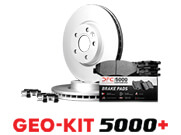
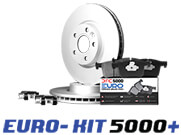
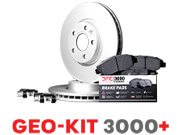
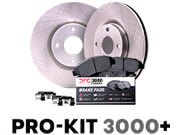
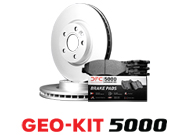
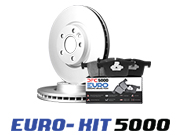
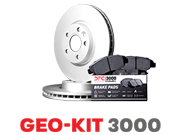
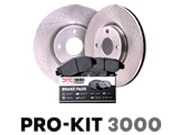
DFC takes great pride in offering a comprehensive brake kit, meticulously crafted as axle-specific sets for particular vehicle models. The kits feature Geospec coated rotors and represent the ease and financial benefits that come with acquiring an entire set for one axle, which boosts the efficiency of maintaining and replacing parts within the brake system.
The advantage of opting for DFC’s full brake kit is found in its ability to eliminate the necessity for incremental buying, guaranteeing that clients are provided with exceptional defense against both wear and corrosion.
What’s Included in a DFC Brake Kit
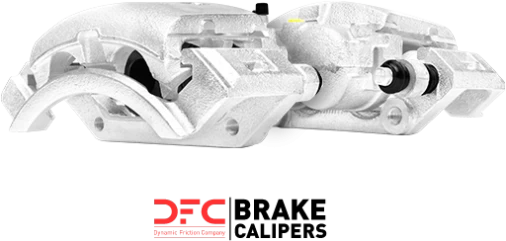
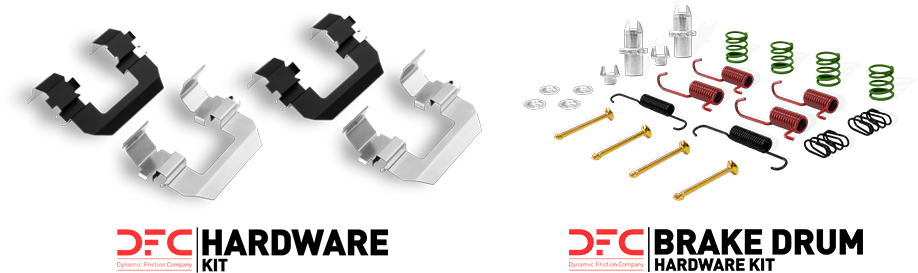
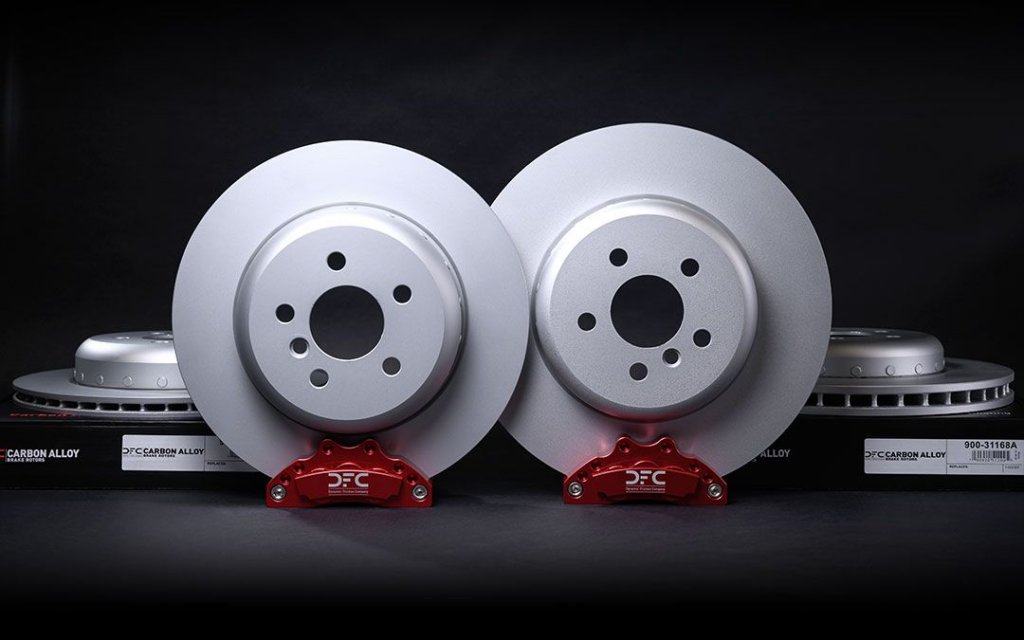
The DFC brake kit encompasses a full set of critical braking components, comprising calipers, discs, and pads for a total system overhaul. This package comes with upgraded pads and an inclusive hardware kit to deliver a fully integrated braking solution. Depending on the vehicle’s requirements, the kit may also contain extra elements like wear sensors, brake fluids, and rotor rings to cater specifically to that application.
Constructed from stainless steel, the provided DFC Hardware Kits are designed to resist corrosion while enduring high temperatures. This enhances both the durability and lifespan of each brake kit component.
Why Choose a Complete Kit
Choosing a complete brake kit provides numerous advantages.
The components are engineered to work together seamlessly, enhancing the vehicle’s braking system performance and compatibility.
Noise issues become less of an issue with this option.
Smooth operation is achieved since all the new parts are created to operate in unison.
A complete brake kit from DFC offers additional benefits.
It streamlines the process of choosing the right parts
Delivers a matched system that simplifies selection
Effectively restores optimal performance
Meets varying customer needs concerning price, function, and design.
Summary
We understand that the Geospec-coated rotors from DFC are very good for many reasons. They do not rust easily, last a long time, and look nice. These rotors help your car run smoothly and look stylish. DFC promises to have the right rotor for every kind of vehicle because they care about quality and have many options.
Choosing a complete brake kit from DFC is even better because it has everything you need in one package. This makes it easy to use and take care of your car’s brakes. If you take good care of these rotors and use them the right way, they will work well for a long time. When you pick Geospec-coated rotors, you are choosing safety and a great driving experience.
 UNITED STATES