Why Standardizing Brake Parts Across Fleets Can Reduce Maintenance Costs

DFC Blog

Introduction

Fleet maintenance is all about efficiency. Whether you’re managing a municipal fleet, a commercial delivery operation, or a repair shop servicing fleet accounts, minimizing downtime and maintenance costs is essential. One of the most effective—yet often overlooked—ways to streamline operations is by standardizing brake components.

Here’s how choosing consistent, high-quality brake parts across your fleet can help reduce costs, simplify inventory, and improve long-term performance. These advantages are especially valuable for fleet owners seeking to control expenses.


1. Introduction to Fleet Management

Fleet management is the backbone of any business that depends on commercial vehicles, trucks, or company cars to deliver goods and services. It involves more than keeping vehicles roadworthy—it’s about optimizing every facet of operations to reduce costs, minimize downtime, and boost efficiency.

Modern fleet management leverages technology such as fleet management software to track vehicles, monitor fuel use, and schedule preventive maintenance. This proactive approach helps businesses avoid costly repairs and unplanned downtime, ultimately improving profitability and safety.


2. Lower Inventory Overhead

When vehicles across a fleet require different brake parts, inventory management becomes a challenge. Standardizing brake components allows you to:

  • Reduce the number of SKUs in stock
  • Minimize overstocking and obsolescence
  • Free up valuable warehouse space

With fewer part numbers to manage, restocking becomes more efficient. DFC supports this approach by offering extensive coverage for high-VIO and fleet-dominant vehicle platforms.


3. Simplified Maintenance Procedures

Standardized brake systems lead to streamlined service protocols, resulting in:

  • Faster turnaround times
  • Reduced training requirements
  • Lower risk of installation errors

Whether technicians are rotating between vehicles or working across locations, a standardized setup ensures consistent, reliable workflows—reducing maintenance variability and boosting productivity.


4. Reduced Downtime for Fleet Vehicles

Every hour a vehicle is out of commission costs your business. Standardizing parts helps reduce downtime by eliminating common repair delays caused by:

  • Misidentified parts
  • Inconsistent component performance
  • Waiting on hard-to-source items
  • Unplanned breakdowns

DFC’s reliable inventory and high fill rates ensure that standardized parts are readily available and quickly shipped—keeping your fleet moving.


5. Improved Cost Control and Forecasting

Using uniform brake parts makes it easier to:

  • Track performance and wear rates
  • Predict replacement intervals
  • Secure bulk pricing agreements

This predictability simplifies budgeting and improves cost forecasting, particularly for high-utilization fleets where brake maintenance is a significant expense.


6. Enhanced Safety and Performance

Consistency in brake components supports safer, more reliable vehicle operation by:

  • Ensuring uniform braking performance
  • Streamlining diagnostics and troubleshooting
  • Reducing performance-related service calls

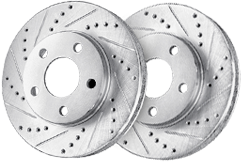
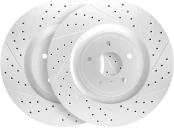
DFC’s brake pads, rotors, and hardware are engineered for fit and durability, helping fleets maintain safety without sacrificing quality or fuel efficiency.


7. The Role of Fleet Managers in Standardization

Fleet managers are central to successful standardization. Their responsibilities include overseeing maintenance schedules, monitoring driver behavior, and ensuring compliance with safety protocols.

By using fleet management software, they can implement standardized maintenance workflows, optimize route planning, and promote safe driving practices. This leads to fewer surprises, lower costs, and more reliable fleet performance.


8. Implementing Standardization Across Fleets

To roll out standardization successfully, fleet managers should:

  • Develop clear maintenance policies and procedures
  • Communicate expectations to drivers, technicians, and stakeholders
  • Use data and analytics tools to monitor compliance and outcomes

Standardizing essential tasks—such as brake inspections and replacements—reduces wear and tear, extends vehicle lifespan, and increases overall fleet efficiency.


9. Monitoring Progress and Evaluating Effectiveness

Ongoing evaluation is key to long-term success. Fleet managers should track KPIs such as:

  • Vehicle downtime
  • Fuel consumption
  • Maintenance and repair costs

By leveraging real-time data, managers can identify trends, adjust strategies, and optimize resource allocation. This data-driven approach ensures that standardization efforts deliver measurable, sustained value.


Conclusion

Standardizing brake parts across your fleet—whether for a dozen vehicles or a thousand—isn’t just smart maintenance; it’s a strategic advantage. From simplifying inventory to reducing service time and costs, the benefits compound across every vehicle and repair cycle.

Partner with DFC to streamline your fleet’s brake systems and start driving down maintenance costs with confidence.

Why Fleets Are Choosing Premium Brake Options for Safety

DFC Blog

In the transportation and logistics industry, safety isn’t just a priority—it’s a necessity. Fleet managers must ensure their vehicles meet rigorous safety standards while operating efficiently under heavy demands. One critical area that directly impacts safety and performance is the braking system, including high-quality brake discs. More fleets are now opting for premium brake options to achieve superior stopping power, enhanced durability, and consistent performance. Here’s why premium brakes are becoming the go-to solution for fleet safety.

Understanding Brake Options

When it comes to choosing the right brakes for your vehicle, there are several options to consider. Understanding the different types of brakes and their characteristics can help you make an informed decision. Here are some key factors to consider:

  • Brake Type: There are several types of brakes, including disc brakes, drum brakes, and carbon-ceramic brakes. Each type has its own strengths and weaknesses, and some are better suited to certain types of driving. For instance, disc brakes are known for their superior stopping power and heat dissipation, making them ideal for high-performance vehicles and heavy-duty applications.
  • Brake Material: Brake pads and rotors can be made from a variety of materials, including ceramic, semi-metallic, and organic. Ceramic brake pads offer low dust and long-lasting performance, while semi-metallic pads provide excellent stopping power and durability. Organic pads, on the other hand, are quieter but may wear out faster.
  • Brake Size: The size of your brakes can significantly affect their performance. Larger brakes can provide better stopping power, which is crucial for fleet vehicles carrying heavy loads. However, they may also be heavier and more expensive, so it’s essential to balance performance needs with budget constraints.
  • Brake Brand: There are many different brake brands available, each with its own reputation for quality and performance. Choosing a reputable brand like Dynamic Friction Company, ensures that you get reliable and high-quality brake components.

By considering these factors, you can choose the right brakes for your vehicle and driving style, ensuring optimal performance and safety.

1. Enhanced Safety for Heavy-Duty Use

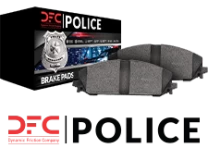
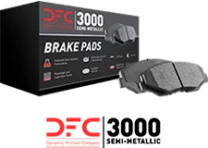
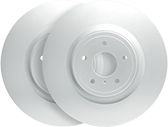
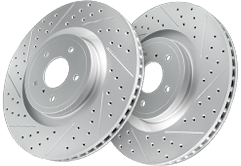
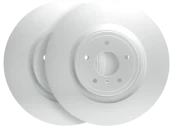
Fleet vehicles often carry significant loads, making reliable braking systems essential to prevent accidents. Premium brakes, such as DFC Heavy Duty Brake Pads, DFC POLICE Brake Pads or GeoSpec Coated Brake Rotors, are engineered for high-performance applications.

These brake components deliver superior stopping power even in extreme conditions, ensuring optimal performance for trucks, delivery vans, or law enforcement vehicles. With advanced materials and designs, premium brakes provide consistent braking distances, reducing the risk of collisions.


2. Extended Durability Reduces Downtime

Fleets operate on tight schedules, where vehicle downtime can be costly. Premium brake components, like DFC’s high-carbon rotors and post-cured brake pads, offer extended durability, minimizing the need for frequent replacements.

High-quality materials resist wear, heat, and corrosion better than standard options, making them a cost-effective investment in the long term. For instance, DFC GeoSpec Coated Brake Rotors feature superior rust resistance, ensuring reliable performance across varied weather conditions.


3. Reduced Noise and Vibration for Driver Comfort

Driver comfort is a significant concern for fleet managers, especially for long-haul drivers. Premium brake systems often include features like rubber-steel-rubber shims and chamfered designs to minimize noise and vibrations.

For example, DFC brake pads are specifically designed to improve NVH (noise, vibration, and harshness) characteristics, providing a smoother and quieter ride. This not only enhances driver satisfaction but also reduces wear on other vehicle components.


4. Compliance with Industry Standards

Regulations surrounding vehicle safety and environmental impact are stricter than ever. Premium brakes are designed to meet or exceed these standards.

For example, DFC brake pads are 100% asbestos-free and copper-free, aligning with California and Washington’s low-copper restrictions for 2021/2025. Investing in premium brake options ensures your fleet remains compliant with evolving industry standards while maintaining exceptional safety.


5. Long-Term Cost Savings

While premium brake systems may come with a higher upfront cost, they offer significant savings in the long run. Their durability and reliability reduce maintenance costs, while their superior performance minimizes accident-related expenses.

Moreover, the reduced wear and tear on related components, such as calipers and wheel bearings, further extend the overall life of the vehicle. With fewer disruptions to fleet operations, premium brakes contribute to a more efficient and profitable business model.


6. Brake Pad Maintenance

Proper maintenance is essential to ensure the longevity and performance of your brake pads. Here are some tips to help you maintain your brake pads:

  • Regular Inspection: Regularly inspect your brake pads for wear and damage. Look for signs of wear, such as thinning or cracking, and replace them as needed. This helps prevent brake failure and ensures consistent stopping power.
  • Proper Installation: Make sure your brake pads are installed correctly, following the manufacturer’s instructions. Incorrect installation can lead to uneven wear and reduced braking performance.
  • Cleanliness: Keep your brake pads clean and free of debris, which can affect their performance and longevity. Regularly cleaning your brake components helps maintain optimal braking efficiency.
  • Replacement: Replace your brake pads as needed, following the manufacturer’s recommended replacement schedule. Timely replacement ensures that your braking system remains effective and safe.

By following these tips, you can help extend the life of your brake pads and ensure optimal braking performance. Proper maintenance not only enhances safety but also reduces the overall cost of brake system upkeep for your fleet vehicles.

Choosing the Right Premium Brake Solution

Selecting the right premium brake components for your fleet starts with understanding key factors such as vehicle type, operating environment, and load demands. Whether you’re managing commercial trucks or law enforcement vehicles, tailored options like DFC Heavy Duty Brake Pads and DFC POLICE Brake Pads are engineered to meet the specific performance and durability requirements of demanding applications.

By partnering with a trusted manufacturer like Dynamic Friction Company (DFC), fleet managers gain peace of mind knowing their vehicles are equipped with OE-quality brake solutions—purpose-built for safety, reliability, and regulatory compliance.


The Key Advantages of DFC Police Brake Pads

DFC Blog

When it comes to fleet operations, especially for law enforcement, ensuring vehicle safety and reliability is paramount. Police vehicles operate under extreme conditions, requiring components that can withstand rigorous use while maintaining peak performance. DFC POLICE Brake Pads are specifically designed to meet these demands, offering unmatched stopping power, durability, and efficiency. Let’s explore the key advantages of DFC POLICE Brake Pads and why they’re the optimal choice for police fleets.

1. Superior Stopping Power and Performance

DFC POLICE Brake Pads are engineered with precision as part of high performance braking systems to provide exceptional stopping performance. These pads deliver reliable braking in high-pressure situations, ensuring law enforcement vehicles can stop safely and quickly when it matters most. Key features include:

  • Post-Cured and Scorched Design: Ensures stable friction performance and immediate stopping power.
  • Advanced Friction Stability: Maintains consistent braking performance across a wide temperature range.

This superior stopping ability boosts officer safety and operational efficiency, essential for fleet performance.

2. Durability to Match Demanding Applications

Fleet vehicles experience intense use, from high-speed pursuits to continuous stop-and-go traffic. DFC POLICE Brake Pads are built with premium materials that enhance durability and extend the lifespan of the braking system. These innovative friction formulations not only boost performance but also significantly increase pad and rotor lifetime, reducing disc wear and maintenance needs over time.

  • Thermal Barrier Underlayer: Reduces heat transfer, preventing overheating and wear on the caliper.
  • Noise and Vibration Control: DFC Premium Rubber-Steel-Rubber shims minimize noise, vibration, and harshness (NVH), providing a smoother, quieter ride even under heavy loads.

Longer-lasting brake pads mean reduced downtime and lower replacement costs, making them a cost-effective solution for fleet managers.

3. Safety Features of DFC Brake Pads

When it comes to law enforcement vehicles, safety is non-negotiable. DFC POLICE Brake Pads are engineered with advanced safety features to ensure the highest level of protection and reliability, even in the most demanding situations. These innovative brake pads deliver unmatched stopping power, providing peace of mind for officers and civilians alike. Key safety features include:

  • Enhanced Heat Management: DFC brake pads are designed to dissipate heat quickly, significantly reducing the risk of brake failure. This ensures consistent performance, even during high-speed pursuits or emergency stops.
  • Improved Durability: Built to last, these brake pads offer a longer lifespan and reduced wear. This minimizes the need for frequent replacements, reducing downtime and maintenance costs for fleet operations.
  • Quiet Operation: The advanced design of DFC brake pads ensures minimal noise during operation. This allows police vehicles to approach critical situations quietly, maintaining operational efficiency and tactical advantage.
  • Minimal Dust Generation: With a low-dust formula, these brake pads reduce the risk of brake component contamination. This not only maintains the longevity of the braking system but also contributes to cleaner air and a healthier environment.

By incorporating these safety features, DFC POLICE Brake Pads ensure that law enforcement vehicles are equipped with robust brake systems capable of handling the rigorous demands of police work.

3. Environmentally Friendly and Compliance-Ready

Sustainability is becoming a growing priority in the automotive industry. DFC POLICE Brake Pads meet stringent environmental standards, ensuring your fleet stays compliant:

  • 100% Copper-Free and Asbestos-Free: Aligns with California and Washington’s environmental restrictions.
  • Low-Dust Formula: Minimizes brake dust emissions, contributing to cleaner air and reduced maintenance needs.

Choosing environmentally responsible brake pads demonstrates a commitment to sustainability without compromising on performance.

4. OEM Technology for Reliable Quality

DFC integrates Original Equipment Manufacturer (OEM) technology into every brake pad, guaranteeing consistency and reliability. With features like chamfered and slotted designs and positive mold construction, DFC POLICE Brake Pads offer:

  • Uniform friction material density.
  • Noise reduction technology.
  • Enhanced braking responsiveness.

This adherence to OEM standards ensures a seamless fit and performance, reducing installation times and maximizing fleet efficiency.

5. Tailored for Fleet Needs

Police fleets require specialized products designed to endure unique operational demands. Law enforcement vehicles equipped with DFC POLICE Brake Pads experience improved braking performance, enhanced durability, and superior heat management, which are critical for high-speed pursuits and operational safety. DFC POLICE Brake Pads offer a dependable solution tailored specifically for these needs, providing:

  • Reliable performance under emergency braking conditions.
  • Low maintenance and high durability, reducing costs.
  • Compatibility with a wide range of vehicles for simplified inventory management.

Why DFC POLICE Brake Pads Are the Top Choice for Fleet Operations

DFC’s commitment to quality, innovation, and performance makes its POLICE Brake Pads a standout choice for law enforcement and fleet managers. The new police brake pads are specifically engineered to meet the rigorous demands of police vehicles, offering enhanced performance, durability, and safety during high-speed pursuits. By investing in DFC POLICE Brake Pads, fleet operators benefit from increased safety, reduced costs, and environmentally friendly solutions, all tailored to the demanding conditions of police operations.

Equip your fleet with DFC POLICE Brake Pads and experience the difference in performance, durability, and reliability. Contact us today to learn more about our cutting-edge braking solutions for law enforcement and fleet applications.

Three Amazon Delivery Vehicles That Will DOUBLE Your Fleet Parts Sales

DFC Blog

There is no greater sight than watching one of Amazon’s blue vans pull up with your latest purchase. Aside from playing the role of real-life Santa Claus, those vans form a part of Amazon’s vast delivery network. 

To get the job done, Amazon counts on a sizable fleet of Ford Transit, Mercedes-Benz Sprinter, and Ram ProMaster vans. Amazon’s influence in the van industry is so strong that sales have skyrocketed for all three models.  

Don’t miss out on the sales of these brake parts! 
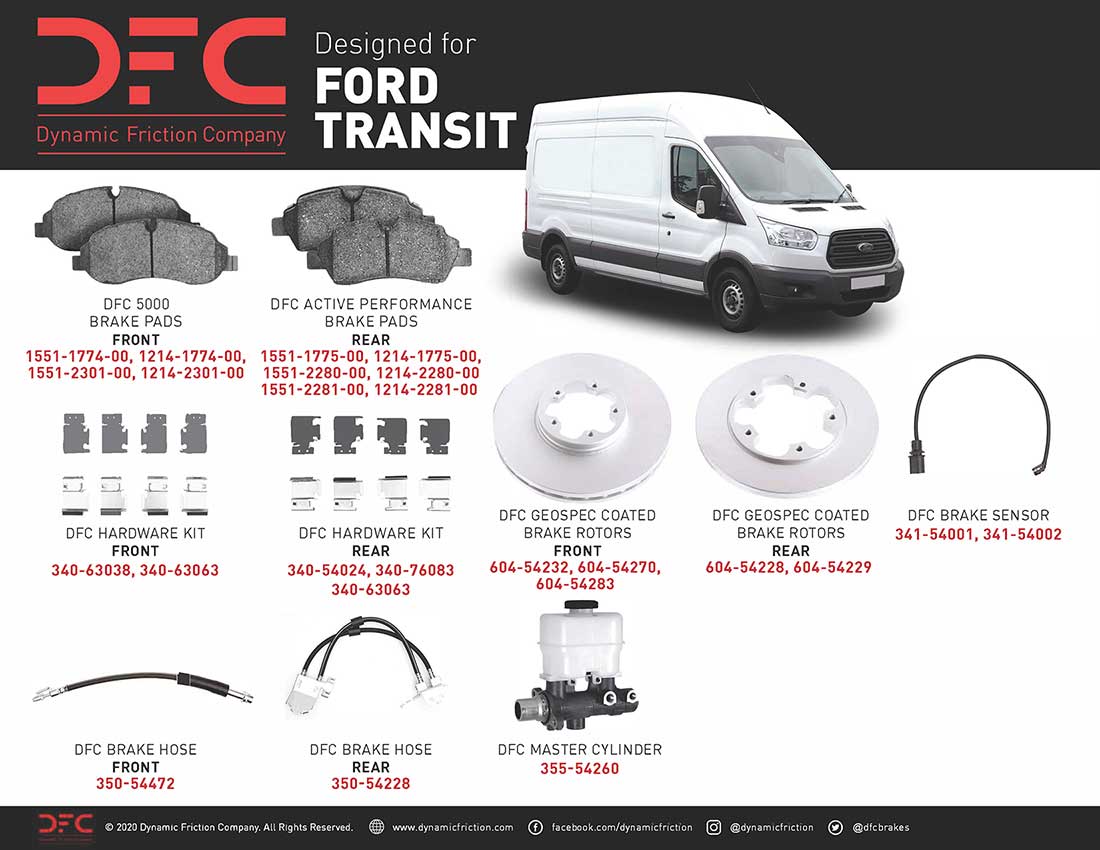
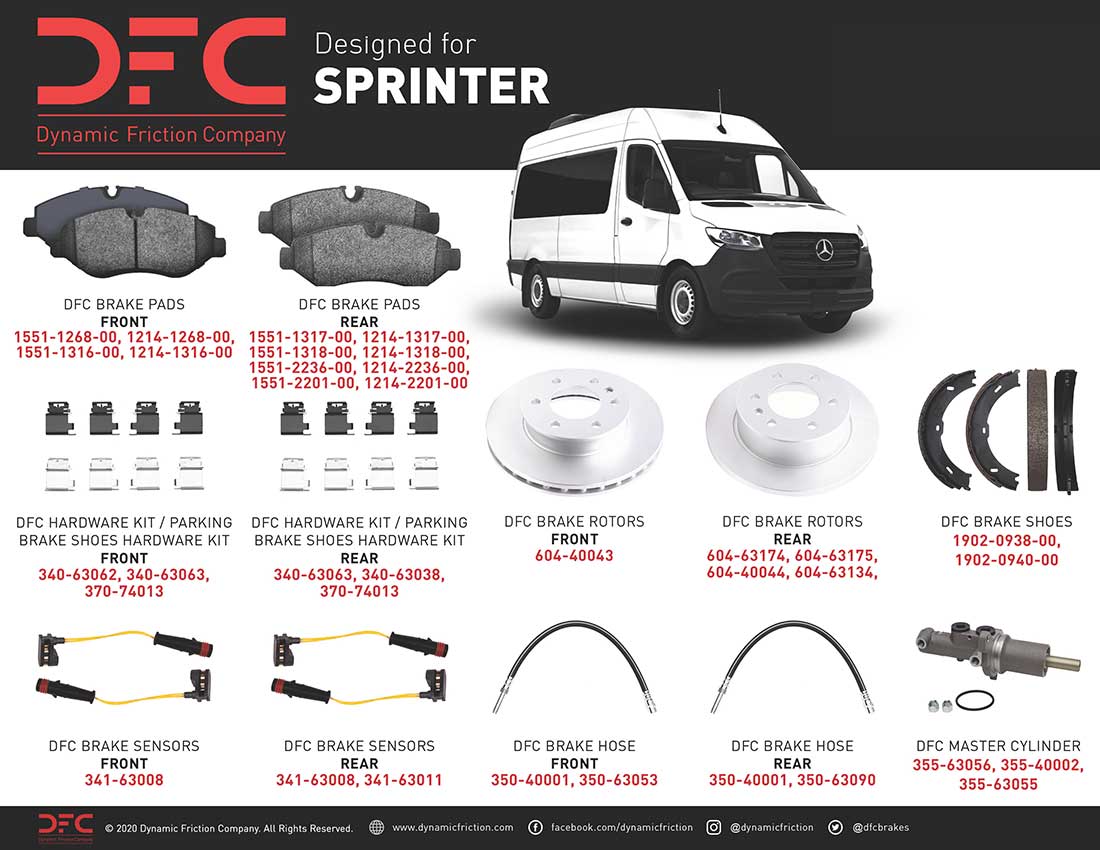
Dynamic Friction is pleased to announce that it currently stocks rotors, pads, and hardware for all three vehicles.  

#1 Ford Transit
In 2019, Ford managed to sell 153,868 Transit vans, a huge leap over 117,577 sold in 2015. Mercedes-Benz sold considerably fewer Sprinters, with 31,851 sold in 2019. In contrast, the Sprinter sold 28,519 units in 2015. The Ram ProMaster also saw massive gains with 56,409 sold in 2019 compared to 28,345 in 2015.

DFC Blog

#2 Mercedes Sprinter
Amazon announced on Wednesday that it would acquire 20,000 new Mercedes-Benz Sprinter vans for use in its new delivery program.

DFC Blog

#3 Ram Promaster
Fiat Chrysler — which sells Ram ProMaster and ProMaster City vans to Amazon, UPS and the USPS — delivered more than 51,000 units through September. That was up 25% from a year earlier and put the model on pace for its best year since at least 2014.
DFC Blog

About Dynamic Friction Company

DFC is an award winning brake components manufacturer and supplier headquartered in Southern California.  DFC offers a complete brake systems program for all passenger car, pickup, & medium duty trucks. DFC is recognized for its devotion to bringing its customers the latest and greatest in brake products available without the exorbitant costs. DFC boasts a full complement of dedicated in-house engineers and R&D staff who work vigorously to give our customers first-to-market advantage and assurances that modern technological complexities are fully addressed.

DFC Blog