Quality brake components are essential not just for vehicle performance—but for driver and passenger safety. From brake pads to rotors, each part of the braking system plays a critical role in ensuring responsive, reliable stopping power under all driving conditions.
Dynamic Friction Company (DFC) stands at the forefront of the automotive aftermarket, delivering premium brake components that consistently meet—and often exceed—Original Equipment Manufacturer (OEM) standards.
Why High-Quality Brake Components Matter
Safety Reliable brake components are fundamental to vehicle safety. They deliver consistent stopping power, reduce braking distances, and help prevent accidents.
Performance Precision-engineered brake parts provide smoother, more responsive braking. This improves vehicle handling and enhances driver confidence in daily driving and high-demand scenarios.
Durability High-quality materials and manufacturing processes extend the life of brake pads, rotors, and hardware—reducing maintenance costs and increasing long-term value.
DFC’s Commitment to Engineering Excellence
Founded on the principles of quality, innovation, and value, DFC offers a comprehensive range of braking solutions for both foreign and domestic applications. Every product is designed with performance, reliability, and technician ease-of-use in mind.
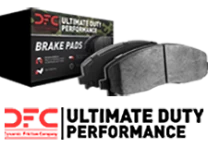
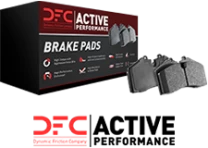
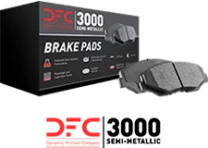
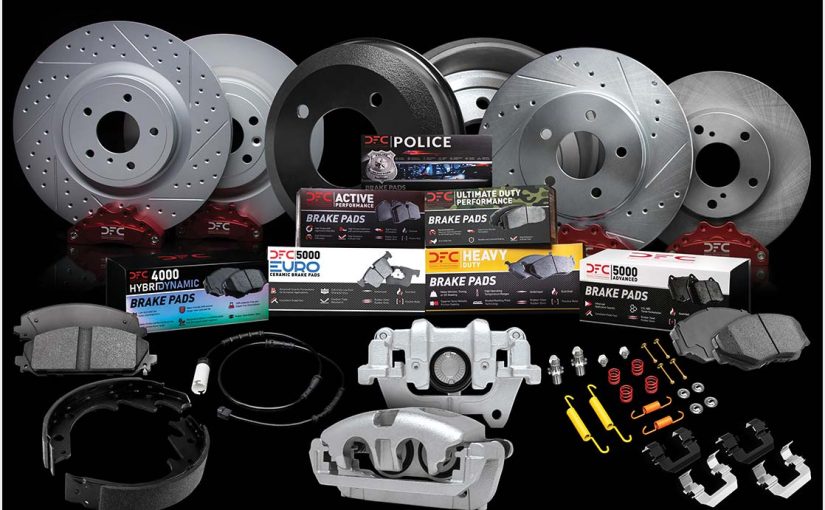
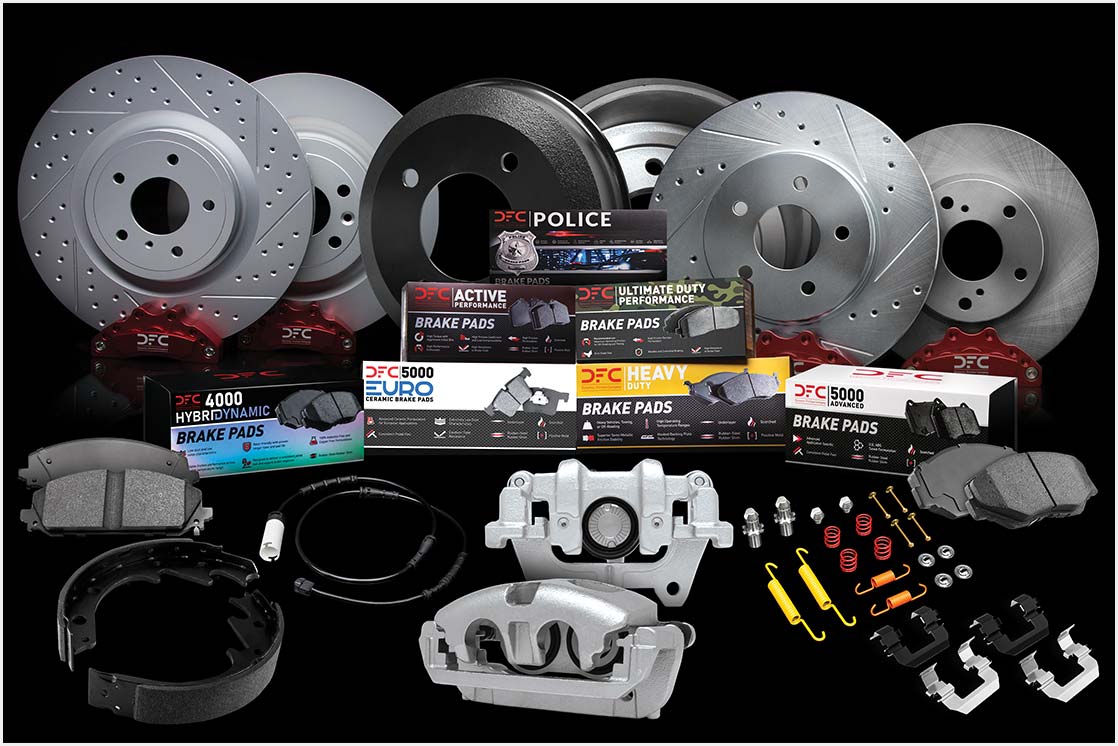
Brake Pads Available in multiple friction formulations, DFC brake pads are designed to meet the specific needs of various vehicle platforms. Each formulation balances stopping power, low noise, and minimal dust.
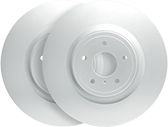
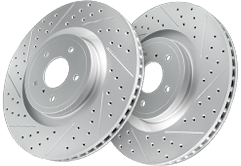
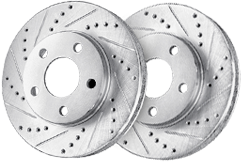
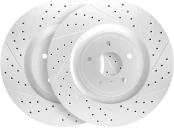
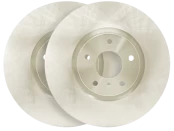
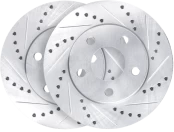
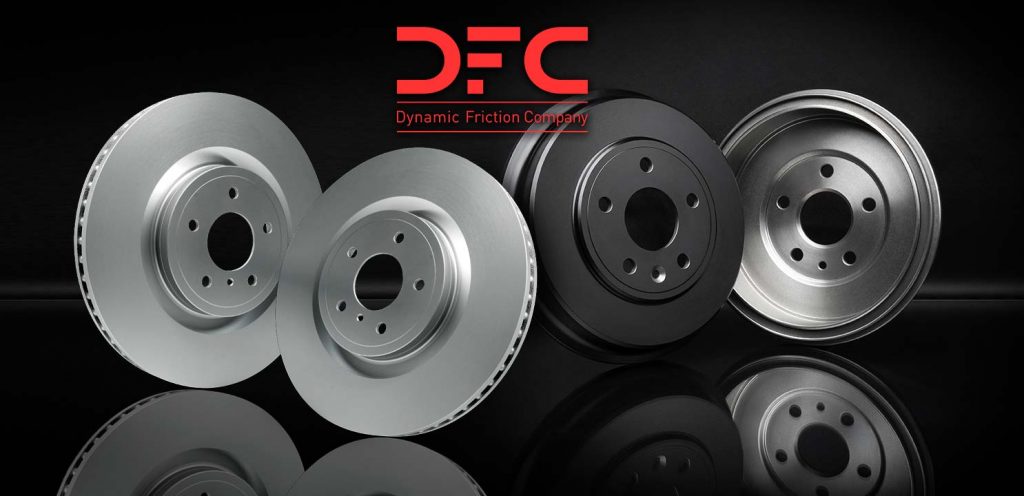
Brake Rotors Made with premium G3000/G11H18 iron castings, DFC rotors are engineered for strength, thermal stability, and long-lasting durability—ensuring consistent braking performance mile after mile.
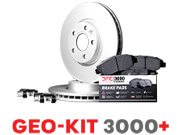
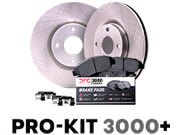
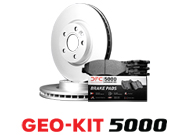
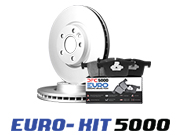
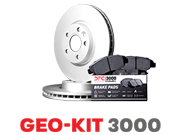
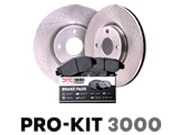
Brake Kits DFC’s complete brake kits pair premium pads and rotors for a turn-key solution that simplifies installation and maximizes performance.
Innovation That Delivers Real-World Benefits
DFC is driven by continuous improvement and innovation. Their investment in R&D ensures the introduction of cutting-edge technologies that enhance safety and simplify installation.
GeoSpec® Coated Rotors DFC’s exclusive GeoSpec® fully coated rotors provide superior corrosion resistance and arrive ready to install—no pre-cleaning required. This improves efficiency in the shop and delivers long-term protection against rust and wear.
Conclusion: Trust in Every Stop
Investing in high-quality brake components is more than a smart choice—it’s a safety imperative. With Dynamic Friction Company, you’re choosing a brand trusted by professional technicians, performance drivers, and fleet operators across the industry.
From advanced materials to OE-level precision, DFC’s brake products are engineered for reliability, performance, and peace of mind. When safety matters most, trust the company that builds with purpose—trust DFC.
When buying brake pads in bulk, price often plays a major role. But is choosing the cheapest option really the most cost-effective decision? In reality, low-cost brake pads can lead to increased wear, safety risks, and higher long-term expenses—especially for warehouse distributors, shop owners, and fleet managers.
Investing in high-quality brake pads from a trusted manufacturer like Dynamic Friction Company (DFC) provides long-term value through durability, performance, and reduced returns. Here’s why smart bulk buyers know that quality pays off.
1. Understanding Brake Systems and Pad Materials
Brake pads are a critical part of the vehicle’s stopping system. Pressed against the rotor by calipers, they generate friction to slow and stop the vehicle. The quality of that friction—and how it affects other components—matters deeply.
Brake Pad Types:
Ceramic Brake Pads: Known for quiet, smooth operation and low dust. Ideal for consistent daily driving and long wear life.
Semi-Metallic Brake Pads: Built for strength and heat dissipation, making them ideal for heavier loads and commercial use.
Organic Pads: Common in older vehicles but wear faster and offer less consistent performance.
Each formulation serves a purpose, but high-quality ceramic and semi-metallic pads strike the best balance for bulk buyers prioritizing performance and longevity.
2. The Hidden Costs of Cheap Brake Pads
Cheaper brake pads may offer upfront savings, but they often come with hidden liabilities that drive up total cost of ownership.
Frequent Replacements
Low-grade pads wear out faster, increasing labor costs and causing more vehicle downtime. For fleets and busy repair shops, these disruptions reduce efficiency and profitability.
Compromised Safety
Inconsistent friction levels can result in longer stopping distances, brake fade, and reduced control—putting vehicles and drivers at risk. Quality pads offer a reliable initial bite and fade-resistant performance.
Increased Wear on Rotors and Calipers
Cheap pads can be harsh on other brake system components, causing premature wear to rotors, calipers, and even brake fluid systems. Over time, this leads to costly repairs that far outweigh any initial savings.
Customer Complaints and Returns
For distributors and auto shops, low-cost pads often mean higher return rates and lower customer satisfaction. Protecting your reputation starts with stocking and selling reliable, high-performing components.
3. Why Bulk Buyers Should Choose Premium Brake Pads
High-quality brake pads offer measurable benefits that improve both vehicle performance and your business operations.
Longer Lifespan, Lower Service Costs
Premium pads are made with advanced friction materials and reinforced backing plates. This durability translates into fewer replacements and reduced service intervals.
Reliable Performance and Safer Braking
Top-tier pads dissipate heat efficiently and maintain stable friction—even under high loads or extreme conditions. This consistency is especially important for commercial vehicles, high-mileage fleets, and safety-conscious customers.
Better Rotor Compatibility
Quality brake pads are engineered to pair with rotors without causing undue wear. This helps protect the entire braking system and minimizes rotor resurfacing or replacement.
Stronger Customer Retention
Satisfied customers come back. Distributors and auto shops that prioritize quality earn more trust, more referrals, and more long-term business.
4. What to Look for When Buying Brake Pads in Bulk
Bulk buyers need to focus on quality and consistency—not just price. Here’s what to prioritize:
✔ Material Composition: Look for ceramic or semi-metallic formulations with proven performance. ✔ Reinforced Backing Plates: Choose pads with galvanized steel plates and mechanical bonding for improved strength and rust resistance. ✔ OEM or Equivalent Standards: Ensure the product meets or exceeds factory specs. ✔ Reputable Manufacturing: Work with trusted manufacturers known for rigorous testing and quality control. ✔ Certifications and Compliance: Verify adherence to safety standards and performance benchmarks.
5. Maintenance Matters Too
While quality pads are essential, maintaining the brake system helps extend their lifespan and performance.
Regularly inspect pads for wear and replace before damage occurs.
Check brake fluid levels and flush as needed to prevent corrosion.
Keep rotors clean and free from debris or glazing.
Educate customers on driving habits that can prolong pad life.
Cheap brake pads might save a few dollars upfront, but the long-term costs—from repairs to reputation—can be significant. Investing in high-quality brake pads protects your bottom line, your customers, and your brand.
For warehouse distributors, fleet managers, and professional repair shops, reliable performance is the best value.
Ready to Order Premium Brake Pads in Bulk?
Dynamic Friction Company offers a full line of high-performance brake pads engineered for longevity, safety, and profitability. Whether you’re restocking your warehouse or supplying high-volume clients, DFC delivers the quality and coverage you need to succeed.
📞 Contact DFC Today to learn more about our bulk purchasing options and premium brake solutions.
Brake caliper issues can be a serious problem for vehicle owners, as they can lead to reduced braking performance and increased risk of accidents. The brake caliper is a critical component of the braking system, responsible for housing the brake pads and applying pressure to the brake rotor to slow or stop the vehicle. Issues with the brake caliper can arise from worn-out brake pads, damaged brake lines, or faulty brake fluid. Regular maintenance and inspections can help identify potential problems before they become major issues.
Are You Facing the Nightmare of Poor Threading?
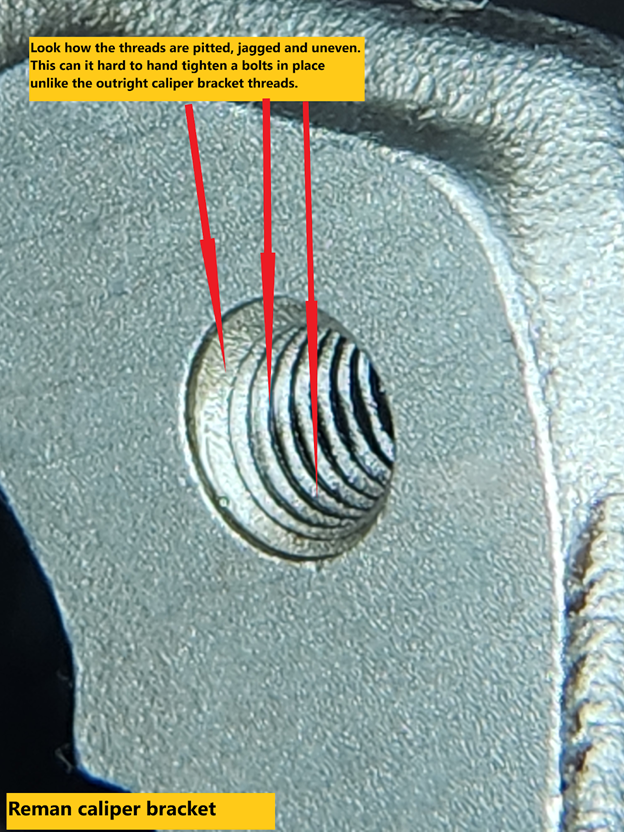
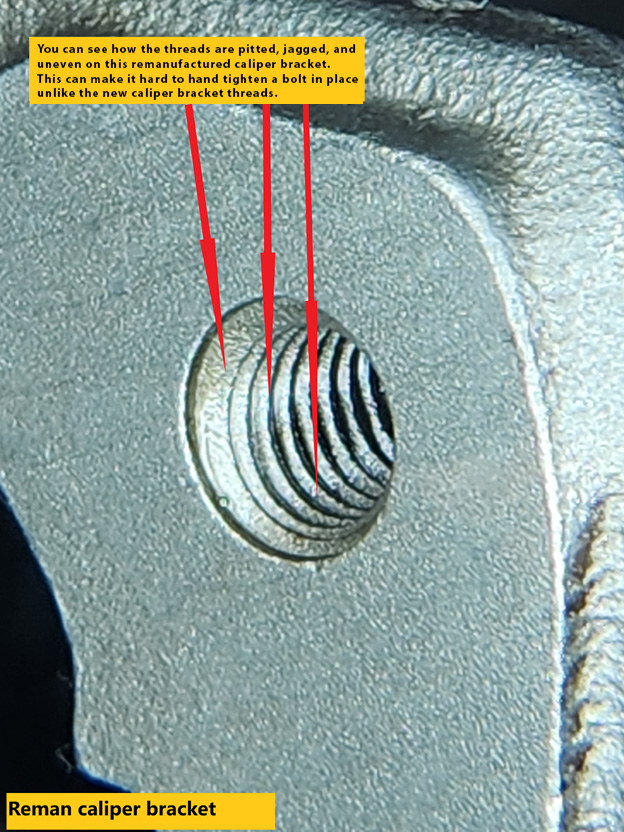
Have you ever picked up a remanufactured caliper and felt a chill run down your spine? The pitted, jagged threads. The stripped bleeder screw. The unknown past of failed repairs and questionable quality. If this sounds familiar, you’re not alone.
In Episode Three of Automotive Anonymous, we tackle one of the most frustrating issues installers face: damaged threading in remanufactured calipers. One reliable solution to leaks caused by damaged threading is to replace the caliper with a new part or reman unit, ensuring safety and functionality in braking systems.
The Dangers of Brake Fluid Leaks
Brake fluid leaks can be a serious safety hazard, as they can lead to reduced braking performance and increased risk of accidents. Brake fluid is a critical component of the braking system, responsible for transmitting pressure from the brake pedal to the brake calipers. Leaks can occur due to damaged brake lines, worn-out brake seals, or faulty brake fluid reservoirs. If left unchecked, brake fluid leaks can lead to total brake system failure, which can have devastating consequences. It is essential to address brake fluid leaks promptly and have them repaired by a qualified mechanic.
The Real Cost of Bad Brake Caliper Threads
When caliper threads are compromised, you’re looking at:
✅ Brake fluid leaks – Damaged banjo bolt seats or bleeder screw threads can lead to costly and dangerous leaks. ✅ Stripped guide pin holes – If the caliper bracket threads are worn out, expect poor brake performance and uneven pad wear. ✅ Wasted labor and frustration – Fighting bad threads turns a simple install into a time-consuming nightmare.
The problem? Remanufactured calipers are often rebuilt from old, worn-out cores—meaning their threads have already lived a hard life. You’re gambling every time you install one. The average number of issues reported with remanufactured calipers is significantly higher compared to new ones, making them a risky choice.
Brake Fluid Maintenance and Prevention
Regular brake fluid maintenance is essential to ensure the optimal performance of the braking system. Brake fluid should be checked regularly for signs of contamination or degradation, and replaced as needed. It is also important to use the correct type of brake fluid for your vehicle, as specified in the owner’s manual. Additionally, brake fluid reservoirs should be inspected regularly for signs of damage or corrosion, and replaced if necessary. By following these maintenance tips, you can help prevent brake fluid leaks and ensure the optimal performance of your braking system.
A Brand-New Caliper Is a Brand-New Me
What if you never had to deal with these issues again? New calipers offer:
🚀 Factory-fresh threads – Precision-machined for perfect fitment. 🛑 No more cross-threading risks – No worn-out, re-tapped holes or questionable helicoils. 💸 No core fees, no surprises – Just a clean, hassle-free installation.
When diagnosing and repairing brake caliper issues, it’s important to consider related terms associated with these problems. These related keywords can include brake fluid leaks, uneven brake pad wear, and caliper piston sticking, which help signal the quality and depth of the article to search engines and users alike.
Diagnosing and Repairing Brake Caliper Issues
Diagnosing brake caliper issues can be a complex process, requiring specialized tools and expertise. If you suspect that your brake caliper is faulty, it is essential to have it inspected by a qualified mechanic. The mechanic will perform a series of tests to determine the cause of the problem, including inspecting the brake pads, brake lines, and brake fluid reservoir. Once the problem is identified, the mechanic can perform the necessary repairs, which may include replacing the brake pads, brake lines, or brake caliper. In some cases, the brake caliper may need to be replaced entirely, which can be a costly and time-consuming process. However, by addressing brake caliper issues promptly, you can help ensure the optimal performance and safety of your vehicle.
Break the Cycle—Choose a Better Way
If you’ve been burned by remanufactured calipers, it’s time to take the first step. Stop fighting with bad threads and start installing with confidence.
Look, we’ve all made mistakes. Maybe you thought cargo shorts were a good look. Maybe you once said, “I don’t need the instructions.” Maybe you’ve installed remanufactured brake calipers, thinking you were saving a few bucks.
We’re not here to judge. We’re here to help.
In Episode 2 of Automotive Anonymous, we confront one of the biggest myths in the auto world: 💰 Are remanufactured calipers actually cheaper? 🚨 Do they really belong on your customers’ cars? 🎶 And can a support group meeting really turn into a musical?
Spoiler alert—new calipers win every time. And yes, there’s a song about it.
Why Reman Calipers Are Like a Bad Ex
Reman calipers show up looking like a deal, promising you savings and reliability—but before long, they’re calling you back… for a warranty claim.
🚨 They’ve got a history. Who knows how many vehicles (or potholes) they’ve been through? ⚠️ They’re inconsistent. Some work, some fail—but by the time you find out, your reputation is on the line. 💸 They cost more than you think. Between core charges, return hassles, and comebacks, where’s the savings? 🔧 They make you do the job twice. If that “cheaper” caliper fails, guess who’s doing free labor on the redo?
Your time is too valuable for this. And your customers? They expect better than recycled braking components with a mystery past.
Brand-New Calipers: The Upgrade You Deserve
When you finally break free from reman, here’s what you get with a brand-new caliper:
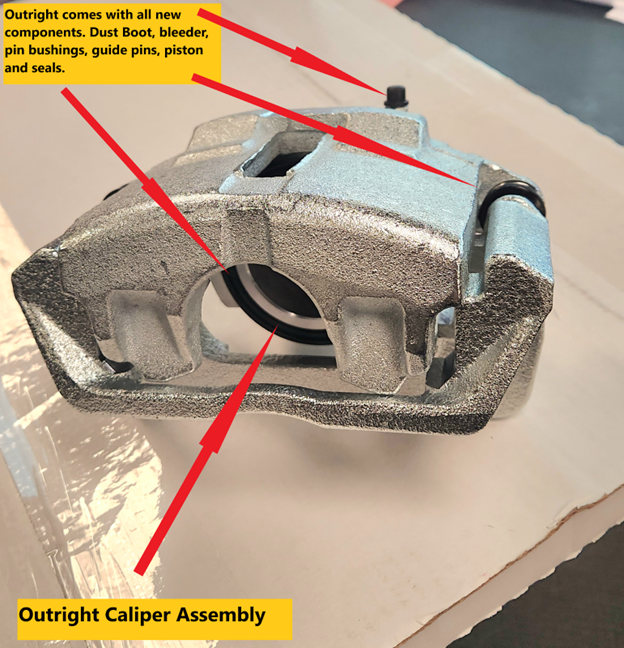
✔ New castings – No wear, no stress fractures, no “oops, hope it holds” moments. ✔ Fresh pistons – Strong, consistent, and ready to stop when you need them to. ✔ New dust boots, slide pins, bolts, and bleeders – Because every component should be new, not just some of them.
No guessing. No sketchy rebuilds. Just quality that keeps your shop running smoothly and your customers coming back for the right reasons.
Break the Cycle—One Step at a Time
If you’re still ordering reman calipers, this is your wake-up call. We know it’s tough, but we believe in you.
Episode 2 of Automotive Anonymous is here to help you break free—and it even includes a musical number to make it stick. 🎶
So, what’s it gonna be?
🚗 A never-ending cycle of reman core charges and comebacks? ✅ Or new calipers, better braking, and no regrets?
Watch the episode. Sing along. And take the next step toward a better way.
In the transportation and logistics industry, safety isn’t just a priority—it’s a necessity. Fleet managers must ensure their vehicles meet rigorous safety standards while operating efficiently under heavy demands. One critical area that directly impacts safety and performance is the braking system, including high-quality brake discs. More fleets are now opting for premium brake options to achieve superior stopping power, enhanced durability, and consistent performance. Here’s why premium brakes are becoming the go-to solution for fleet safety.
Understanding Brake Options
When it comes to choosing the right brakes for your vehicle, there are several options to consider. Understanding the different types of brakes and their characteristics can help you make an informed decision. Here are some key factors to consider:
Brake Type: There are several types of brakes, including disc brakes, drum brakes, and carbon-ceramic brakes. Each type has its own strengths and weaknesses, and some are better suited to certain types of driving. For instance, disc brakes are known for their superior stopping power and heat dissipation, making them ideal for high-performance vehicles and heavy-duty applications.
Brake Material: Brake pads and rotors can be made from a variety of materials, including ceramic, semi-metallic, and organic. Ceramic brake pads offer low dust and long-lasting performance, while semi-metallic pads provide excellent stopping power and durability. Organic pads, on the other hand, are quieter but may wear out faster.
Brake Size: The size of your brakes can significantly affect their performance. Larger brakes can provide better stopping power, which is crucial for fleet vehicles carrying heavy loads. However, they may also be heavier and more expensive, so it’s essential to balance performance needs with budget constraints.
Brake Brand: There are many different brake brands available, each with its own reputation for quality and performance. Choosing a reputable brand like Dynamic Friction Company, ensures that you get reliable and high-quality brake components.
By considering these factors, you can choose the right brakes for your vehicle and driving style, ensuring optimal performance and safety.
These brake components deliver superior stopping power even in extreme conditions, ensuring optimal performance for trucks, delivery vans, or law enforcement vehicles. With advanced materials and designs, premium brakes provide consistent braking distances, reducing the risk of collisions.
2. Extended Durability Reduces Downtime
Fleets operate on tight schedules, where vehicle downtime can be costly. Premium brake components, like DFC’s high-carbon rotors and post-cured brake pads, offer extended durability, minimizing the need for frequent replacements.
High-quality materials resist wear, heat, and corrosion better than standard options, making them a cost-effective investment in the long term. For instance, DFC GeoSpec Coated Brake Rotors feature superior rust resistance, ensuring reliable performance across varied weather conditions.
3. Reduced Noise and Vibration for Driver Comfort
Driver comfort is a significant concern for fleet managers, especially for long-haul drivers. Premium brake systems often include features like rubber-steel-rubber shims and chamfered designs to minimize noise and vibrations.
For example, DFC brake pads are specifically designed to improve NVH (noise, vibration, and harshness) characteristics, providing a smoother and quieter ride. This not only enhances driver satisfaction but also reduces wear on other vehicle components.
4. Compliance with Industry Standards
Regulations surrounding vehicle safety and environmental impact are stricter than ever. Premium brakes are designed to meet or exceed these standards.
For example, DFC brake pads are 100% asbestos-free and copper-free, aligning with California and Washington’s low-copper restrictions for 2021/2025. Investing in premium brake options ensures your fleet remains compliant with evolving industry standards while maintaining exceptional safety.
5. Long-Term Cost Savings
While premium brake systems may come with a higher upfront cost, they offer significant savings in the long run. Their durability and reliability reduce maintenance costs, while their superior performance minimizes accident-related expenses.
Moreover, the reduced wear and tear on related components, such as calipers and wheel bearings, further extend the overall life of the vehicle. With fewer disruptions to fleet operations, premium brakes contribute to a more efficient and profitable business model.
6. Brake Pad Maintenance
Proper maintenance is essential to ensure the longevity and performance of your brake pads. Here are some tips to help you maintain your brake pads:
Regular Inspection: Regularly inspect your brake pads for wear and damage. Look for signs of wear, such as thinning or cracking, and replace them as needed. This helps prevent brake failure and ensures consistent stopping power.
Proper Installation: Make sure your brake pads are installed correctly, following the manufacturer’s instructions. Incorrect installation can lead to uneven wear and reduced braking performance.
Cleanliness: Keep your brake pads clean and free of debris, which can affect their performance and longevity. Regularly cleaning your brake components helps maintain optimal braking efficiency.
Replacement: Replace your brake pads as needed, following the manufacturer’s recommended replacement schedule. Timely replacement ensures that your braking system remains effective and safe.
By following these tips, you can help extend the life of your brake pads and ensure optimal braking performance. Proper maintenance not only enhances safety but also reduces the overall cost of brake system upkeep for your fleet vehicles.
Choosing the Right Premium Brake Solution
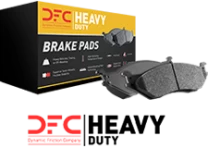
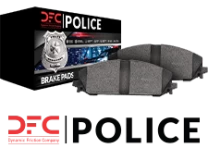
Selecting the right premium brake components for your fleet starts with understanding key factors such as vehicle type, operating environment, and load demands. Whether you’re managing commercial trucks or law enforcement vehicles, tailored options like DFC Heavy Duty Brake Pads and DFC POLICE Brake Pads are engineered to meet the specific performance and durability requirements of demanding applications.
By partnering with a trusted manufacturer like Dynamic Friction Company (DFC), fleet managers gain peace of mind knowing their vehicles are equipped with OE-quality brake solutions—purpose-built for safety, reliability, and regulatory compliance.
When it comes to brake calipers, many shops and distributors have relied on remanufactured units in the past due to perceived cost savings. However, hidden inefficiencies, quality issues, and durability concerns often turn those savings into higher long-term expenses. WithDFC’sall-new brake calipers, you get consistent quality, reduced failure rates, and competitive pricing—without the headaches.
DFC’s new calipers meet or exceed OEM performance standards, ensuring quality and reliability.
Remanufactured calipers require core exchanges, which can add both complexity and unexpected costs. Core returns may not meet acceptance criteria due to issues like corrosion or damage, leading to rejections and extra charges.
With DFC calipers, core exchanges are a thing of the past. Our calipers are all-new, eliminating return hassles and ensuring a smoother purchasing and installation process. Additionally, DFC calipers come with all necessary installation hardware, ensuring easy installation.
2. Caliper Port Inlet Thread Issues
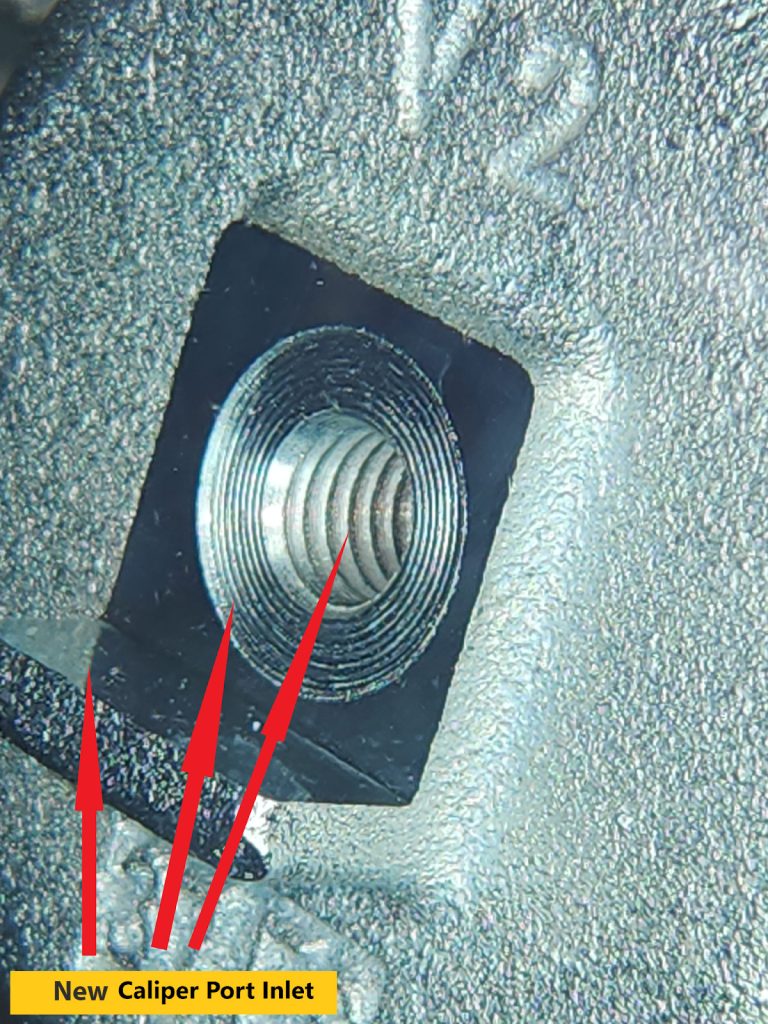
Poorly remanufactured calipers often have pitted, jagged, or uneven threads in the caliper port inlet. This makes hand-tightening difficult, causing leaks and installation delays.
DFC calipers feature precision-machined port threads, ensuring smooth, secure installation without added frustration. This saves valuable time for technicians and prevents potential performance issues caused by improper threading.
3. Challenges with Modern Brake Technology
Electric Parking Brake (EPB) Calipers
EPB calipers integrate the parking brake electronically, eliminating the need for mechanical levers. However, remanufacturing these units is particularly challenging. The complex assembly requires specialized equipment to meet OEM standards, and many remanufactured units suffer from high failure rates due to improper testing and assembly.
By contrast, DFC’s new EPB calipers are built entirely with new components, ensuring reliable operation and long-term durability. Each unit undergoes advanced testing to meet or exceed OEM specifications.
Mechanical Integral Parking Brake Calipers
Similar to EPB calipers, mechanical integral parking brake units require precise assembly to function correctly. Remanufactured versions often fail due to poor quality control, leading to brake performance issues and costly returns.
With DFC, precision-built calipers provide optimal performance and help shops avoid these risks.
4. Corrosion and Surface Damage in Aluminum Calipers
Modern vehicles increasingly use lightweight aluminum calipers, which present unique challenges for remanufacturers. Many rebuilders use abrasive steel-shot cleaning media, which can distort critical surfaces like guide pin bores and brake pad contact points. Aluminum calipers also corrode faster in harsh environments, making them less viable for remanufacturing.
DFC calipers are coated with a premium silver zinc finish to resist corrosion, ensuring long-lasting performance. This protective coating is applied to all our calipers, reducing the risk of surface damage and ensuring smooth, consistent operation. Proper installation of the caliper bracket is crucial to prevent surface damage and ensure the longevity of the caliper.
5. Guide Pin and Seal Integrity
Guide pins and seals play a crucial role in brake performance, but remanufacturing processes often compromise these components. Guide pin bores can become oval-shaped over time, especially in high-mileage calipers. Additionally, some rebuilders blast and tumble caliper bodies with guide pins still attached, causing bent pins and stripped protective coatings. Maintaining the integrity of guide pins and seals is crucial for preventing brake fluid leaks and ensuring optimal brake performance.
DFC calipers come with all-new guide pins, seals, and pin bushings. Our components are engineered to maintain proper alignment and retraction, preventing excessive brake pad contact with the rotor. This reduces wear, minimizes disc thickness variation (DTV), and ensures efficient braking performance.
Proper Brake Caliper Installation is Crucial
The Dangers of Upside-Down Brake Caliper Installation
Installing a brake caliper upside down is a common mistake that can have serious consequences for your vehicle’s braking system. When a caliper is installed upside down, the bleeder valve is positioned at the bottom, making it impossible to properly bleed air from the brake lines. This can lead to air pockets remaining in the system, resulting in reduced braking performance, spongy brake pedal feel, and increased risk of accidents.
In addition to reduced braking performance, an upside-down brake caliper installation can also lead to premature wear on the brake pads and caliper pistons. This can result in increased maintenance costs and reduced stopping power, making it essential to correct the issue as soon as possible. Ensuring the caliper is installed correctly from the start can save time, money, and most importantly, enhance the safety of your vehicle.
The Role of Brake Calipers in Overall Brake Performance
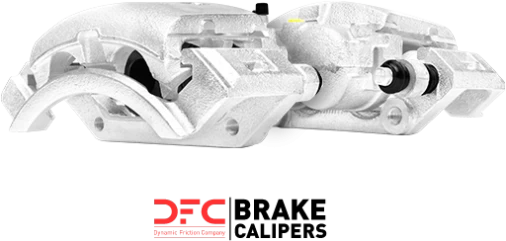
Brake calipers play a critical role in overall brake performance, working together with the brake pads and pistons to slow or stop your vehicle. A brake caliper is responsible for housing the brake pads and pistons, which apply pressure to the brake rotor to slow or stop the vehicle.
When a brake caliper is installed correctly, it can provide optimal braking performance, including improved stopping power, reduced brake fade, and increased safety. However, when a caliper is installed incorrectly, it can lead to reduced braking performance, uneven brake pad wear, and increased risk of accidents. Properly functioning calipers ensure that the braking system operates efficiently, providing the necessary stopping power to keep you and your passengers safe on the road.
Why Choose DFC Newly Manufactured Calipers?
With a catalog of nearly 3,000 SKUs, DFC offers the largest selection of new brake calipers in the industry. Our calipers are designed to address the challenges posed by remanufactured units, including:
No core returns or hidden charges.
Precision-machined components for easier installation.
Corrosion-resistant coatings for durability.
Compatibility with modern technologies like EPB and integral parking brakes.
Additionally, we’ve recently reduced prices by 10.94%, making our calipers more cost-effective than ever. Shops can now enjoy the benefits of new calipers at prices that compete with remanufactured alternatives—without sacrificing quality or performance. DFC calipers are designed for easy and accurate connection to the brake line, ensuring reliable performance.
Upgrade Your Brake System with DFC Calipers
Don’t let the inefficiencies of remanufactured calipers slow your shop down. DFC’s newly manufactured brake calipers provide reliable performance, easier installation, and long-term durability, all while eliminating core returns and other hidden costs.
Contact us today to explore our extensive catalog and discover how DFC calipers can enhance your operations and customer satisfaction.
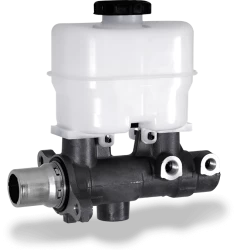
Brake calipers are integral to a vehicle’s braking system, housing the brake pads and pistons that clamp onto the brake rotors when the brakes are applied. This clamping action is crucial for safe and efficient braking performance. When the brake pedal is pressed, the master cylinder sends brake fluid through hoses and tubes to the caliper. The caliper then applies pressure to the brake pads, causing them to grip the rotor. This pressure is evenly distributed across the rotor, allowing the vehicle to come to a smooth and controlled stop. The caliper’s ability to apply consistent pressure ensures that the brake pads and rotors work together effectively, providing reliable braking performance.
Engineered for Longevity: DFC’s Brake Calipers
Your customers depend on high-quality brake components to keep their vehicles safe and reliable. With DFC newly manufactured brake calipers, you can deliver unmatched durability and performance that outlasts remanufactured alternatives. Additionally, DFC’s brake calipers come with all necessary hardware for easy installation.
1. All-New Brake Calipers for Reliable Performance
Every DFC brake caliper is built entirely from new materials, including pistons, seals, guide pins, and bleeder screws. This ensures a perfect fit and consistent operation without the wear and tear of reused parts.
Additionally, these all-new components help reduce noise, ensuring a quieter braking experience.
2. Superior Corrosion Resistance
DFC calipers are coated with a premium silver zinc finish that provides long-lasting protection against rust and corrosion. Whether your customers drive in snowy conditions or humid climates, DFC calipers are designed to withstand the elements. Additionally, DFC calipers are compatible with various types of brake discs, ensuring optimal performance and longevity.
3. Proven Design for Long-Term Value
With advanced materials and precision engineering, DFC brake calipers require fewer replacements over time, saving money for your shop and ensuring satisfied customers. Additionally, DFC brake calipers are designed to handle the weight of various vehicles, ensuring consistent performance and durability.
The design and manufacturing process of brake calipers involves meticulous attention to detail, ensuring that each component meets high standards of durability and performance. Modern brake calipers are typically crafted from high-strength materials like aluminum or steel, which offer excellent resistance to corrosion and wear. The manufacturing process includes precision machining and assembly of the caliper components, such as the piston, cylinder, and mounting brackets. To achieve optimal performance, brake calipers are designed to work in harmony with specific brake pads and rotors, considering factors like friction, pressure, and wear. This careful design and manufacturing process ensures that the calipers can withstand the demands of everyday driving and provide consistent braking performance.
Maintenance and Repair Considerations
Regular maintenance and repair of brake calipers are essential to ensure optimal braking performance and prevent premature wear. Calipers should be inspected regularly for signs of wear, such as corrosion, leaks, or uneven brake pad wear. Cleaning and greasing the calipers with high-temperature brake grease can help maintain their performance and extend their lifespan. In the event of a caliper failure, it is crucial to replace the faulty component with a high-quality, OEM-grade replacement part to ensure safe and reliable braking performance. By staying proactive with maintenance, vehicle owners can avoid costly repairs and ensure their brakes function effectively.
Conclusion
In conclusion, brake calipers play a vital role in a vehicle’s braking system, and their functionality, design, and manufacturing process are critical in ensuring safe and efficient braking performance. Regular maintenance and repair of brake calipers are essential to prevent premature wear and ensure optimal performance. By understanding the importance of brake calipers and taking steps to maintain and repair them, vehicle owners can enjoy safe and reliable braking performance, while also extending the lifespan of their brake components. Investing in high-quality brake calipers, like those newly manufactured by DFC, ensures long-term value and peace of mind on the road.
When managing an auto shop or distributing brake parts, the goal is to provide reliable, cost-effective solutions for your customers. At first glance, remanufactured brake calipers may seem like the most economical choice. They’re readily available and often offer lower upfront costs. However, these perceived savings can quickly disappear when you account for hidden costs related to performance, durability, and installation challenges.
At Dynamic Friction Company (DFC), we believe there’s a better way. Our newly manufactured brake calipers offer a competitive price while delivering superior quality and reliability, making remanufacturing no longer the go-to solution. Here’s why it’s time to rethink your options.
1. Reused Components Lead to Higher Failure Rates
Remanufactured calipers are built using previously used components like pistons, seals, and caliper bodies. Even with cleaning and refurbishment, these parts often retain the wear and tear from their previous use. This can result in:
Inconsistent braking performance.
Increased risk of premature failure.
Higher warranty claim rates that erode customer trust.
Newly manufactured DFC calipers use 100% brand-new components, reducing these risks. Each unit is rigorously tested for pressure, performance, and durability, ensuring reliable braking and fewer returns.
2. Poor Coating Equals Faster Corrosion
Many remanufactured calipers are not treated with high-quality protective coatings, leaving them vulnerable to rust and corrosion—especially in regions with harsh weather or high humidity. Once corrosion sets in, caliper performance deteriorates, reducing both lifespan and safety.
DFC calipers are protected by a premium silver zinc coating that offers superior resistance to corrosion, enhancing durability and long-term reliability.
3. Installation Frustrations Add Costs
Remanufactured calipers often present installation challenges. Common issues like uneven or pitted threads in the caliper port inlets can cause leaks and require additional labor time for technicians. This not only increases costs for your shop but also reduces efficiency, cutting into your bottom line.
DFC’s calipers are built to OEM specifications, ensuring precise fitment and smooth installation. This eliminates time-consuming rework, saving your shop time and money.
4. Warranty and Liability Considerations
Warranty coverage is another key factor to evaluate. Many remanufactured calipers come with limited warranties, and issues related to improper installation or corrosion may not be covered. This can leave shops liable for repairs or replacements.
DFC stands behind our products with comprehensive warranty coverage, giving you and your customers confidence in their performance. By minimizing failure risks, we help protect your reputation and reduce liability concerns.
5. Long-term Expenses of Premature Wear
Choosing cheap or remanufactured calipers can lead to premature wear on other brake components, including pads and rotors. Brake noise, uneven wear, and shortened service life can result, leading to costly repairs and increased maintenance frequency.
DFC calipers are designed to provide consistent braking performance, reducing stress on other components. This means fewer callbacks, improved vehicle safety, and long-term savings for both shops and customers.
Why Choose DFC Brake Calipers?
DFC newly manufactured calipers eliminate the hidden costs and risks associated with remanufactured options. Our calipers are:
Made with all-new components for reliability and performance.
Coated with premium silver zinc to resist corrosion.
Built to OEM standards to ensure proper fit and performance.
Extensively tested to deliver smooth and quiet braking with fewer warranty claims.
By investing in DFC calipers, you can boost customer satisfaction, reduce labor costs, and protect your bottom line with high-quality products designed to last.
Upgrade to DFC Brake Calipers Today
It’s time to move beyond outdated remanufactured solutions. With DFC’s newly manufactured brake calipers, you can provide your customers with superior performance, reduced failure rates, and peace of mind—all at a competitive price.
Reach out to DFC today to learn more about how we’re setting the new standard in brake caliper quality.
In the automotive brake industry, materials matter. From friction stability to noise reduction and durability, the quality of the materials used in brake pads directly impacts performance. At Dynamic Friction Company (DFC), we are committed to using only the highest-quality, premium materials in our brake parts, including brake pads, rotors, and kits, ensuring they meet the demands of today’s vehicles and provide optimal safety and reliability.
In this post, we’ll explore the specific materials that make DFC brake pads stand out, along with the unique benefits these components bring to your braking experience.
1. The Importance of High-Quality Brake Pads
High-quality brake pads are essential for ensuring the safety and reliability of a vehicle’s braking system. Brake pads are a critical component of a vehicle’s brake system, and their performance can significantly impact the overall braking performance of the vehicle. High-quality brake pads are designed to provide stable friction performance, excellent fade resistance, and low dust, making them ideal for various driving conditions.
Using high-quality brake pads can also help to reduce brake noise, which is a common issue with lower-quality brake pads. Brake noise can be caused by a variety of factors, including worn-out brake pads, misaligned brake rotors, and loose brake components. High-quality brake pads are designed to minimize brake noise and provide a smoother braking experience.
In addition to their performance benefits, high-quality brake pads are also designed to meet or exceed OEM standards. This means that they are designed to provide the same level of performance and reliability as the original equipment brake pads that came with the vehicle. By using high-quality brake pads, vehicle owners can ensure that their brake system is functioning at its best and that they are getting the most out of their vehicle.
High-Quality Friction Materials for Reliable Brake Pads
The heart of any brake pad lies in its friction material. High-quality brake pads, including performance brake pads, are essential for ensuring the safety and reliability of a vehicle’s braking system. DFC’s brake pads are crafted using advanced formulations tailored to deliver consistent friction performance. These include:
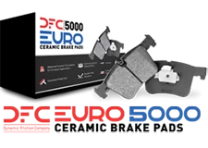
Ceramic Formulations like those in our EURO 5000 series, designed for high performance with minimal dust and noise.
Specialized Police and Heavy-Duty Formulations to handle extreme demands, with stability under high-temperature braking.
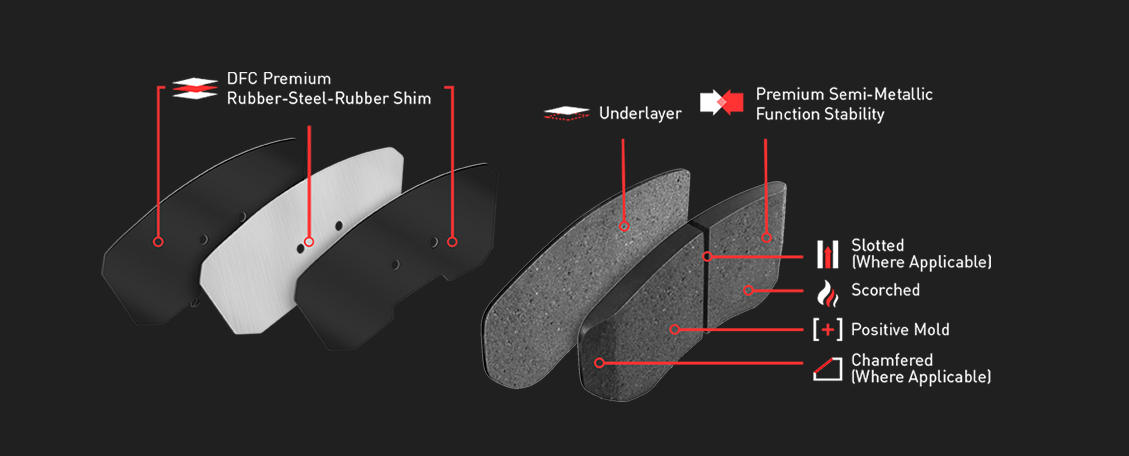
Each DFC pad is carefully post-cured and scorched to stabilize the friction material, increasing initial stopping power and ensuring consistent braking performance right from installation.
3. Advanced Materials and Manufacturing Process
Dynamic Friction Company uses advanced materials and manufacturing processes to produce high-quality brake pads that meet the demands of modern vehicles. The company’s brake pads are formulated to provide optimal and reliable stopping performance, excellent fade resistance, low dust, and stable friction performance across a wide temperature range.
One of the key materials used in Dynamic Friction Company’s brake pads is ceramic. Ceramic pads are made with a denser version of material used in pottery or plates and are designed to provide excellent fade resistance, low dust, and stable friction performance. Ceramic pads are also designed to reduce brake noise and provide a longer service life compared to traditional brake pads.
In addition to ceramic, Dynamic Friction Company also uses semi-metallic materials in some of its brake pads. Semi-metallic pads combine metal and organic materials to provide a balance of performance and durability. These pads are designed to provide excellent stopping power and are ideal for vehicles that require high-performance braking.
Dynamic Friction Company’s brake pads are also designed to withstand extreme heat, heavy-duty operation, and frequent stopping. The company’s brake pads are engineered to meet the demands of various driving conditions, including spirited street driving, off-roading, and towing. By using advanced materials and manufacturing processes, Dynamic Friction Company is able to produce brake pads that provide exceptional braking performance and reliability.
The company’s manufacturing process involves a submerged coating process that ensures 100% coating coverage of the inner vanes and all exposed non-braking surfaces. This process provides superior corrosion resistance and durability, making Dynamic Friction Company’s brake pads ideal for vehicles that are exposed to harsh weather conditions.
Overall, Dynamic Friction Company’s advanced materials and manufacturing processes make its brake pads some of the best in the industry. By using high-quality materials and advanced manufacturing techniques, the company is able to produce brake pads that provide exceptional braking performance, reliability, and durability.
DFC Premium Rubber-Steel-Rubber Shims for Brake Noise Reduction
DFC brake pads incorporate advanced noise-reducing technology with Premium Rubber-Steel-Rubber (RSR) shims. These shims help absorb and dampen noise, reducing vibration and harshness (NVH) commonly associated with braking. The RSR design effectively minimizes braking noise, ensuring a quiet, comfortable ride while also promoting durability.
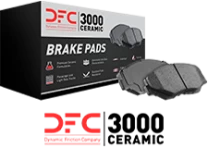
This multilayered shim technology is used across DFC’s product lines, from our DFC 3000 Brake Pads for daily driving to our police and heavy-duty pads, all providing drivers with a premium, noise-free experience.
3. Superior Corrosion Resistance with High-Carbon Content and Protective Coatings
Corrosion is one of the biggest threats to brake components, potentially reducing both lifespan and performance. DFC combats this issue with two essential components:
High-Carbon Content Rotors: Available with DFC brake pads for enhanced noise reduction, stability, and resilience to high-temperature stress.
GeoSpec Coating Technology: This patented silver-gray coating is applied to rotors to resist rust and corrosion, delivering extended durability without compromising performance.
DFC brake pads are engineered to perform under extreme conditions, such as track use and heavy-duty scenarios.
By pairing our brake pads with high-quality, corrosion-resistant rotors, DFC provides an added layer of protection that helps keep brake systems functioning smoothly and safely.
Chamfered and Slotted Design for Enhanced Braking Performance
DFC brake pads feature chamfered and slotted designs to optimize braking performance. These design features also contribute to improved pedal response, ensuring quick and effective braking. These design features reduce edge lift, which helps prevent irregular pad wear and minimizes the chance of brake noise. Slotted pads also promote heat dissipation and debris clearing, keeping your brake pads clean and effective over time.
Chamfering and slotting are premium design choices that align with original equipment manufacturer (OEM) standards, providing a smoother and more stable braking experience. This approach is part of DFC’s dedication to maintaining the highest standards in product engineering and design.
5. Environmentally Responsible, 100% Copper-Free and Asbestos-Free
At DFC, we prioritize both performance and environmental responsibility. All of our brake pads are 100% copper-free and asbestos-free, complying with California and Washington’s low-copper requirements well ahead of regulatory deadlines. By eliminating these harmful materials, DFC reduces environmental impact and enhances driver safety.
Why DFC’s Use of Premium Materials Matters
From advanced friction materials to high-quality shims and coatings, DFC’s dedication to using only premium materials ensures that our brake pads provide:
Durability: Materials and designs that withstand high temperatures, harsh conditions, and extended use.
Noise Reduction: Enhanced shims and construction techniques for a quieter ride.
Environmental Compliance: Sustainable and eco-friendly materials that meet industry regulations.
Choose DFC for Your Braking Needs
DFC’s commitment to quality materials is a commitment to the safety, satisfaction, and peace of mind of every driver. When you choose DFC brake pads, you’re choosing high performance, reliability, and braking components crafted to exceed expectations. For anyone who values top-quality materials in their brake system, DFC brake pads are the clear choice.
Upgrade to DFC today and experience the difference premium materials make. Visit DFC’s website to explore our full range of premium brake products.
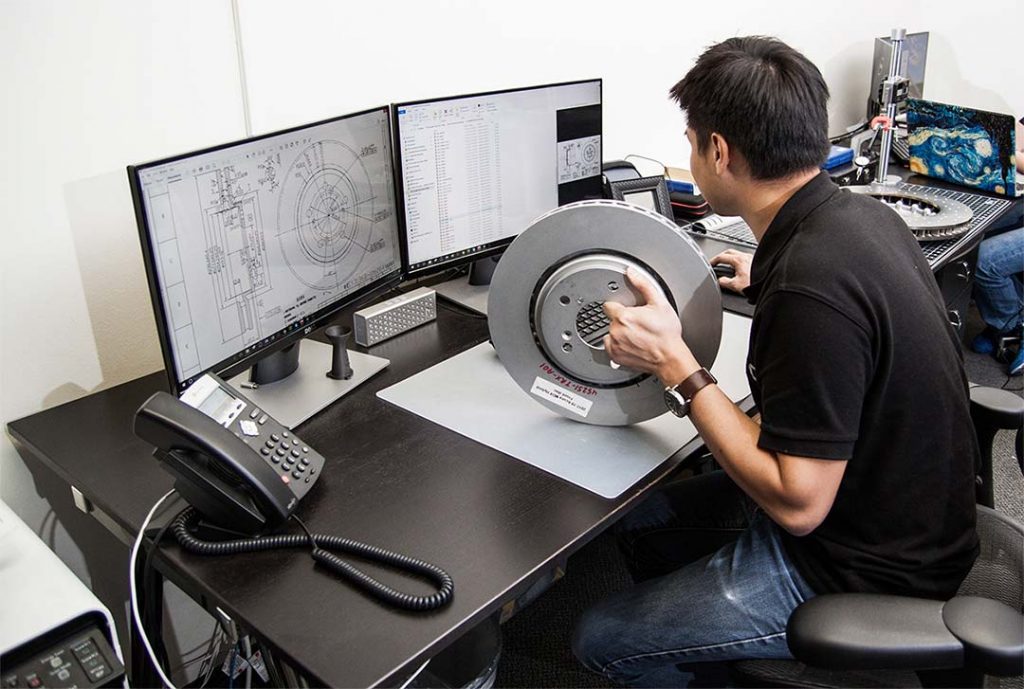
All DFC rotors and drums are based on OEM fit, form, and function. Our benchmark for design is OEM. This means that we have to capture all the dimensions of the design, including cooling veins to ensure proper performance for all usage conditions. Some of you are probably wondering…what does OEM mean? OEM stands for Original Equipment Manufacturer. This ultimately means that the parts we build are based on an organization’s specific OEM.
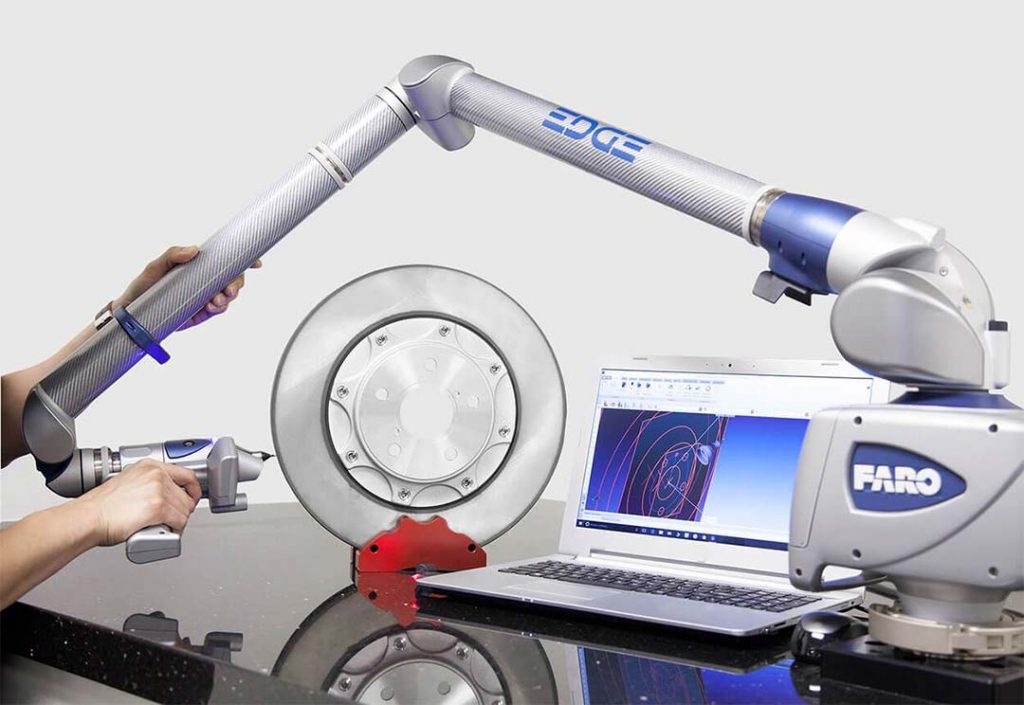
DFC capture all the specific dimensions using a FaroArm CMM
We catch all the specific dimensions of a design through the use of a FaroArm CMM (coordinate measuring machine), which allows us to capture every last detail of the design with great precision. Our capabilities include (but are not limited to):
• probe data measuring for most machine surfaces • laser scanning for complex surfaces • OES methods to analyze metallurgy and match high-carbon content iron • designing CAD Models
Of course, these tools and methods are performed in conjunction with one another. This ensures that we get the most accurate data available.
Many part manufacturers only focus on production and revenue. Here at DFC, however, we prioritize your safety and the performance of every single product we release. We want you to feel safe on the road and also want for our products to contribute to that safety. To achieve that, all braking system parts require a lot of research, calculation, and measurement to work properly and perform at their best.
OES Methods & CAD Models
OES methods are key to ensuring that modern performance applications have the correct material and characteristics required for higher demand, automated braking systems. CAD models, on the other hand, are created in order to optimize performance and ensure that all DFC parts perform at their absolute best.
Using analysis methods, we determine how our parts will act and react during certain conditions. These tools also allow us to make data-driven decisions when consolidating OEM part numbers. These all ultimately result in us being able to offer you and our partners the best-performing parts in the market.

 UNITED STATES