Why Standardizing Brake Parts Across Fleets Can Reduce Maintenance Costs

DFC Blog

Introduction

Fleet maintenance is all about efficiency. Whether you’re managing a municipal fleet, a commercial delivery operation, or a repair shop servicing fleet accounts, minimizing downtime and maintenance costs is essential. One of the most effective—yet often overlooked—ways to streamline operations is by standardizing brake components.

Here’s how choosing consistent, high-quality brake parts across your fleet can help reduce costs, simplify inventory, and improve long-term performance. These advantages are especially valuable for fleet owners seeking to control expenses.


1. Introduction to Fleet Management

Fleet management is the backbone of any business that depends on commercial vehicles, trucks, or company cars to deliver goods and services. It involves more than keeping vehicles roadworthy—it’s about optimizing every facet of operations to reduce costs, minimize downtime, and boost efficiency.

Modern fleet management leverages technology such as fleet management software to track vehicles, monitor fuel use, and schedule preventive maintenance. This proactive approach helps businesses avoid costly repairs and unplanned downtime, ultimately improving profitability and safety.


2. Lower Inventory Overhead

When vehicles across a fleet require different brake parts, inventory management becomes a challenge. Standardizing brake components allows you to:

  • Reduce the number of SKUs in stock
  • Minimize overstocking and obsolescence
  • Free up valuable warehouse space

With fewer part numbers to manage, restocking becomes more efficient. DFC supports this approach by offering extensive coverage for high-VIO and fleet-dominant vehicle platforms.


3. Simplified Maintenance Procedures

Standardized brake systems lead to streamlined service protocols, resulting in:

  • Faster turnaround times
  • Reduced training requirements
  • Lower risk of installation errors

Whether technicians are rotating between vehicles or working across locations, a standardized setup ensures consistent, reliable workflows—reducing maintenance variability and boosting productivity.


4. Reduced Downtime for Fleet Vehicles

Every hour a vehicle is out of commission costs your business. Standardizing parts helps reduce downtime by eliminating common repair delays caused by:

  • Misidentified parts
  • Inconsistent component performance
  • Waiting on hard-to-source items
  • Unplanned breakdowns

DFC’s reliable inventory and high fill rates ensure that standardized parts are readily available and quickly shipped—keeping your fleet moving.


5. Improved Cost Control and Forecasting

Using uniform brake parts makes it easier to:

  • Track performance and wear rates
  • Predict replacement intervals
  • Secure bulk pricing agreements

This predictability simplifies budgeting and improves cost forecasting, particularly for high-utilization fleets where brake maintenance is a significant expense.


6. Enhanced Safety and Performance

Consistency in brake components supports safer, more reliable vehicle operation by:

  • Ensuring uniform braking performance
  • Streamlining diagnostics and troubleshooting
  • Reducing performance-related service calls

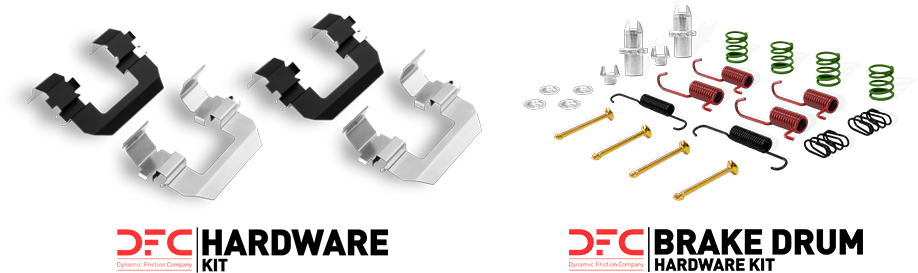
DFC’s brake pads, rotors, and hardware are engineered for fit and durability, helping fleets maintain safety without sacrificing quality or fuel efficiency.


7. The Role of Fleet Managers in Standardization

Fleet managers are central to successful standardization. Their responsibilities include overseeing maintenance schedules, monitoring driver behavior, and ensuring compliance with safety protocols.

By using fleet management software, they can implement standardized maintenance workflows, optimize route planning, and promote safe driving practices. This leads to fewer surprises, lower costs, and more reliable fleet performance.


8. Implementing Standardization Across Fleets

To roll out standardization successfully, fleet managers should:

  • Develop clear maintenance policies and procedures
  • Communicate expectations to drivers, technicians, and stakeholders
  • Use data and analytics tools to monitor compliance and outcomes

Standardizing essential tasks—such as brake inspections and replacements—reduces wear and tear, extends vehicle lifespan, and increases overall fleet efficiency.


9. Monitoring Progress and Evaluating Effectiveness

Ongoing evaluation is key to long-term success. Fleet managers should track KPIs such as:

  • Vehicle downtime
  • Fuel consumption
  • Maintenance and repair costs

By leveraging real-time data, managers can identify trends, adjust strategies, and optimize resource allocation. This data-driven approach ensures that standardization efforts deliver measurable, sustained value.


Conclusion

Standardizing brake parts across your fleet—whether for a dozen vehicles or a thousand—isn’t just smart maintenance; it’s a strategic advantage. From simplifying inventory to reducing service time and costs, the benefits compound across every vehicle and repair cycle.

Partner with DFC to streamline your fleet’s brake systems and start driving down maintenance costs with confidence.

Why Fleets Are Choosing Premium Brake Options for Safety

DFC Blog

In the transportation and logistics industry, safety isn’t just a priority—it’s a necessity. Fleet managers must ensure their vehicles meet rigorous safety standards while operating efficiently under heavy demands. One critical area that directly impacts safety and performance is the braking system, including high-quality brake discs. More fleets are now opting for premium brake options to achieve superior stopping power, enhanced durability, and consistent performance. Here’s why premium brakes are becoming the go-to solution for fleet safety.

Understanding Brake Options

When it comes to choosing the right brakes for your vehicle, there are several options to consider. Understanding the different types of brakes and their characteristics can help you make an informed decision. Here are some key factors to consider:

  • Brake Type: There are several types of brakes, including disc brakes, drum brakes, and carbon-ceramic brakes. Each type has its own strengths and weaknesses, and some are better suited to certain types of driving. For instance, disc brakes are known for their superior stopping power and heat dissipation, making them ideal for high-performance vehicles and heavy-duty applications.
  • Brake Material: Brake pads and rotors can be made from a variety of materials, including ceramic, semi-metallic, and organic. Ceramic brake pads offer low dust and long-lasting performance, while semi-metallic pads provide excellent stopping power and durability. Organic pads, on the other hand, are quieter but may wear out faster.
  • Brake Size: The size of your brakes can significantly affect their performance. Larger brakes can provide better stopping power, which is crucial for fleet vehicles carrying heavy loads. However, they may also be heavier and more expensive, so it’s essential to balance performance needs with budget constraints.
  • Brake Brand: There are many different brake brands available, each with its own reputation for quality and performance. Choosing a reputable brand like Dynamic Friction Company, ensures that you get reliable and high-quality brake components.

By considering these factors, you can choose the right brakes for your vehicle and driving style, ensuring optimal performance and safety.

1. Enhanced Safety for Heavy-Duty Use

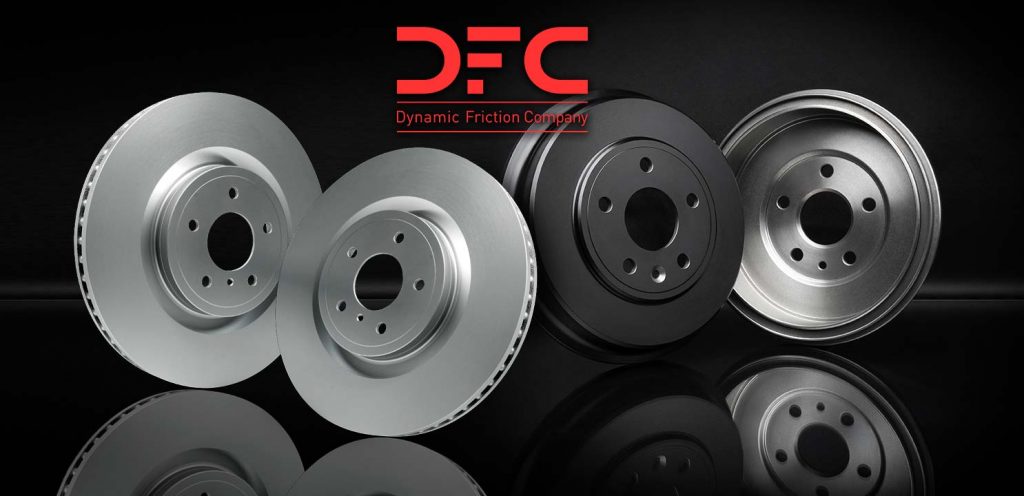
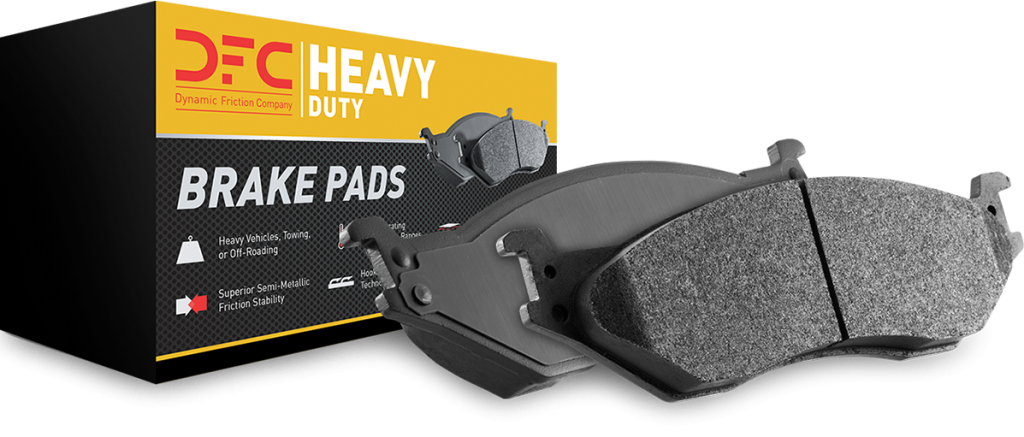
Fleet vehicles often carry significant loads, making reliable braking systems essential to prevent accidents. Premium brakes, such as DFC Heavy Duty Brake Pads, DFC POLICE Brake Pads or GeoSpec Coated Brake Rotors, are engineered for high-performance applications.

These brake components deliver superior stopping power even in extreme conditions, ensuring optimal performance for trucks, delivery vans, or law enforcement vehicles. With advanced materials and designs, premium brakes provide consistent braking distances, reducing the risk of collisions.


2. Extended Durability Reduces Downtime

Fleets operate on tight schedules, where vehicle downtime can be costly. Premium brake components, like DFC’s high-carbon rotors and post-cured brake pads, offer extended durability, minimizing the need for frequent replacements.

High-quality materials resist wear, heat, and corrosion better than standard options, making them a cost-effective investment in the long term. For instance, DFC GeoSpec Coated Brake Rotors feature superior rust resistance, ensuring reliable performance across varied weather conditions.


3. Reduced Noise and Vibration for Driver Comfort

Driver comfort is a significant concern for fleet managers, especially for long-haul drivers. Premium brake systems often include features like rubber-steel-rubber shims and chamfered designs to minimize noise and vibrations.

For example, DFC brake pads are specifically designed to improve NVH (noise, vibration, and harshness) characteristics, providing a smoother and quieter ride. This not only enhances driver satisfaction but also reduces wear on other vehicle components.


4. Compliance with Industry Standards

Regulations surrounding vehicle safety and environmental impact are stricter than ever. Premium brakes are designed to meet or exceed these standards.

For example, DFC brake pads are 100% asbestos-free and copper-free, aligning with California and Washington’s low-copper restrictions for 2021/2025. Investing in premium brake options ensures your fleet remains compliant with evolving industry standards while maintaining exceptional safety.


5. Long-Term Cost Savings

While premium brake systems may come with a higher upfront cost, they offer significant savings in the long run. Their durability and reliability reduce maintenance costs, while their superior performance minimizes accident-related expenses.

Moreover, the reduced wear and tear on related components, such as calipers and wheel bearings, further extend the overall life of the vehicle. With fewer disruptions to fleet operations, premium brakes contribute to a more efficient and profitable business model.


6. Brake Pad Maintenance

Proper maintenance is essential to ensure the longevity and performance of your brake pads. Here are some tips to help you maintain your brake pads:

  • Regular Inspection: Regularly inspect your brake pads for wear and damage. Look for signs of wear, such as thinning or cracking, and replace them as needed. This helps prevent brake failure and ensures consistent stopping power.
  • Proper Installation: Make sure your brake pads are installed correctly, following the manufacturer’s instructions. Incorrect installation can lead to uneven wear and reduced braking performance.
  • Cleanliness: Keep your brake pads clean and free of debris, which can affect their performance and longevity. Regularly cleaning your brake components helps maintain optimal braking efficiency.
  • Replacement: Replace your brake pads as needed, following the manufacturer’s recommended replacement schedule. Timely replacement ensures that your braking system remains effective and safe.

By following these tips, you can help extend the life of your brake pads and ensure optimal braking performance. Proper maintenance not only enhances safety but also reduces the overall cost of brake system upkeep for your fleet vehicles.

Choosing the Right Premium Brake Solution

Selecting the right premium brake components for your fleet starts with understanding key factors such as vehicle type, operating environment, and load demands. Whether you’re managing commercial trucks or law enforcement vehicles, tailored options like DFC Heavy Duty Brake Pads and DFC POLICE Brake Pads are engineered to meet the specific performance and durability requirements of demanding applications.

By partnering with a trusted manufacturer like Dynamic Friction Company (DFC), fleet managers gain peace of mind knowing their vehicles are equipped with OE-quality brake solutions—purpose-built for safety, reliability, and regulatory compliance.


Friction Friday: DFC Heavy Duty Brake Pads

DFC Friction Friday
DFC Blog
DFC Heavy Duty Brake Pads

Choosing the Right Brake Pads: Fleet vs. OE Pads

In the latest segment of Tech Talks, Dino and Dan dive into the topic of selecting the appropriate brake pads for different applications, specifically comparing Fleet pads with Original Equipment (OE) pads. Understanding when to use each type can significantly impact vehicle performance and maintenance efficiency, especially in fleet operations.

Understanding Fleet Pads

Designed for Heavy-Duty Use: Fleet pads are engineered for vehicles that are in constant operation and often carry heavy loads. These pads are built to withstand high heat and continuous usage, which are common in fleet operations.

Preventative Maintenance: Fleet managers rely on these pads to meet their preventative maintenance schedules, ensuring vehicles remain operational and reducing downtime. Whether a vehicle needs to travel 20,000 or 50,000 miles, fleet pads are designed to last through the entire maintenance cycle without compromising performance.

Key Considerations for Fleet Managers

Continuous Operation: Fleet vehicles, especially those used for deliveries or services in hilly or stop-and-go traffic conditions, require pads that can handle constant braking and high temperatures. Fleet pads are specifically designed for these demanding environments.

Heat Resistance: Standard OE pads may wear out faster when subjected to the continuous high heat generated in fleet operations. Fleet pads, on the other hand, are optimized to perform well and wear evenly under such conditions, ensuring safety and reliability.

Availability and Market Demand

Meeting Fleet Needs: With the rise in e-commerce and home deliveries, the demand for fleet vehicles has surged. Ensuring these vehicles have the necessary brake pads available is critical. Having the right brake pads in stock, even for newer models, is essential for maintaining fleet efficiency.

First-to-Market Commitment: The commitment to having brake pads available for new vehicle models ensures that fleet operators can keep their vehicles on the road without interruption. This proactive approach helps avoid the pitfalls of running out of necessary parts and the subsequent operational downtime.

Conclusion

Choosing the right brake pad is essential for maintaining the efficiency and safety of fleet vehicles. While OE pads are sufficient for standard use, fleet pads are crucial for heavy-duty, continuous operation environments. By understanding the specific needs of fleet operations and the capabilities of different brake pads, fleet managers can make informed decisions that enhance vehicle performance and reduce downtime.


DFC logo

Testimonial Tuesday: Fleet Edition

Testimonial Tuesday is back (Fleet Edition)!

Today we catch up with Fleet Manager David Nichols from Washington County/Johnson City EMS in Johnson City, TN. 
Nichols oversees a fleet of 54 vehicles that provide emergency response to roughly 32,000 callers a year. 

Click the video below to watch his testimonial.

Nichols understands that drivers who frequently carry heavy loads require heavy duty stopping power. That’s why his Fleet “rides exclusively on DFC products.” 

He adds, “We have found that the GEOSPEC high-carbon content rotors resist cracking. The 1214 Series Heavy Duty Brake Pads resist fading and stop well at all temperatures.”

There’s no doubt that when it comes to emergency response (especially with that kind of volume) you absolutely need performance and dependability. 

DFC’s mission is to deliver quality and innovation by manufacturing OE quality brake products for all foreign and domestic vehicles, and for fleets of all sizes.

We recognize the ever changing conditions drivers of all vehicles face. Our products are designed to meet these needs, allowing drivers to stop when they need it most. 


DFC logo