Skip to content
UNITED STATES
About Us
Videos
Orders
Blog
Sign in
Pads
HybriDynamic Brake Pads
HybriDynamic Brake Pads
Advanced Application Specific
ABS Tuned Formulation
European Application Specific
Advanced Ceramic Formulation for European Applications
Heavy vehicles/Towing
Semi-Metallic Formulation
Ultimate Duty Performance
High Friction Formulation
High Performance Enthusiast
High Friction Formulation
Police Brake Pads
Police Brake Pads
Passenger/Light Duty Trucks
Premium Ceramic Formulation
Passenger/Light Duty Trucks
Premium Semi-Metallic Formulation
Rotors
O.E. Replacement
Performance
ALL
DFC Carbon Alloy Brake Rotors
Carbon Alloy Metallurgy with GEOMET ® Coating
O.E. Replacement
Blank
DFC Carbon Alloy Brake Rotors
Premium G3000/G11H18 Iron Coating
O.E. Replacement
Blank
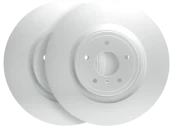
DFC Geospec Brake Rotors
Premium Corrosion-resistant Paint Coating
O.E. Replacement
Blank
PERFORMANCE
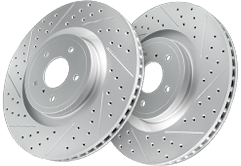
Drilled And Slotted
Increased Performance with GEOSPEC Coating
PERFORMANCE
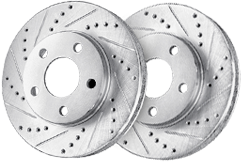
Drilled And Slotted
Premium G3000/G11H18 iron Casting
DFC Carbon Alloy Brake Rotors
Carbon Alloy Metallurgy with GEOMET ® Coating
O.E. Replacement
Blank
DFC Geospec Brake Rotors
Premium Corrosion-resistant Patented Paint Coating
O.E. Replacement
Blank
Performance
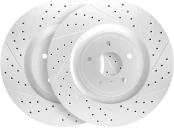
Drilled and Slotted
DFC Premium Brake Rotors
Premium G3000/G11H18 Iron Coatings
O.E. Replacement
Blank
Performance
Drilled and Slotted
Brake Kits
DFC GEO-KIT 5000+ BRAKE KIT
DFC Geospec Brake Rotors with DFC 5000
Advanced Brake Pads
DFC EURO-KIT 5000+ BRAKE KIT
DFC Geospec Brake Rotors with DFC 5000 Euro
Ceramic Brake Pads
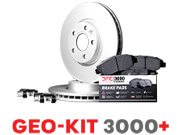
DFC GEO-KIT 3000+ BRAKE KIT
DFC Geospec Brake Rotos with DFC 3000
Ceramic Brake Pads
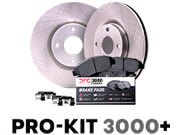
DFC PRO-KIT 3000+ COMPLETE BRAKE KIT
DFC Premium Brake Rotors with DFC 3000
Ceramic Brake Pads and Brake Hardware
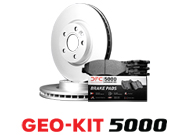
DFC GEO-KIT 5000 Brake KIT
DFC Geospec Brake Rotors with DFC 5000
Advanced Brake Pads
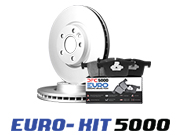
DFC EURO-KIT 5000 Brake KIT
DFC Geospec Brake Rotors with DFC 5000
Euro Ceramic Brake Pad
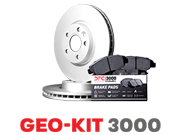
DFC GEO-KIT 3000 Brake KIT
DFC Geospec Brake Rotors with DFC 3000
Ceramic Brake Pads
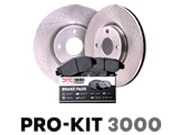
DFC PRO-KIT 3000 Brake KIT
DFC Premium Brake Rotors with DFC 3000
Ceramic Brake Pads
Calipers
Hydraulics
Hardware Kits
Drums
Shoes
Sensors
Home
Sign in
About Us
Blog
Brake Calipers
Brake Drums
Brake Hardware Kits
Brake Hydraulics
Brake Hose
Master Cylinder
Wheel Cylinder
Brake Kits
DFC EURO-KIT 5000 BRAKE KIT
DFC EURO-KIT 5000+ BRAKE KIT
DFC GEO-KIT 3000 BRAKE KIT
DFC GEO-KIT 3000+ BRAKE KIT
DFC GEO-KIT 5000 BRAKE KIT
DFC GEO-KIT 5000+ BRAKE KIT
DFC PRO-KIT 3000 BRAKE KIT
DFC PRO-KIT 3000+ COMPLETE BRAKE KIT
Brake Pads
Advanced Application Specific
ABS Tuned Formulation
European Application Specific
Advanced Ceramic Formulation for European Applications
Heavy Vehicles/Towing
Premium Ceramic Formulation
High Performance Enthusiast
High Friction Formulation
HybriDynamic Brake Pads
Passenger/Light Duty Trucks
Premium Ceramic Formulation
Passenger/Light Duty Trucks
Premium Semi-Metallic Formulation
Police Brake Pads
Ultimate Duty Performance
High Friction Formulation
Brake Rotors
Blank
Carbon Alloy Metallurgy with GEOMET ® Coating
Blank
Premium Corrosion-resistant Patented Paint Coating
Blank
Premium G3000/G11H18 Iron Coatings
Drilled and Slotted
Increased Performance with GEOSPEC Coating
Drilled and Slotted
Premium G3000/G11H18 Iron Coatings
Brake Sensors
Brake Shoes
Contact Us
Orders
Videos
Tag:
Industry Trends
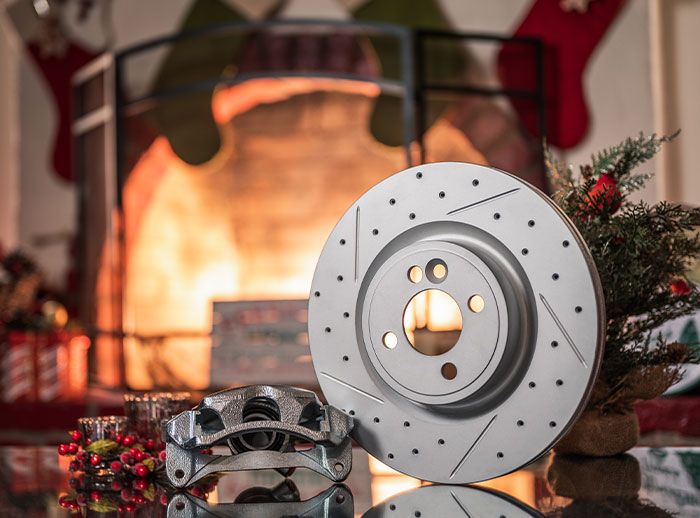
Happy New Year!
Happy New Year from Our Families to Yours!
– DFC Team
Happy Holidays
Happy Holidays from Our Families to Yours!
– DFC Team
Engineering that goes with DFC products
Posts pagination
Previous page
Page
1
Page
2
 UNITED STATES