
 UNITED STATES






















Stay in Control on Every Descent
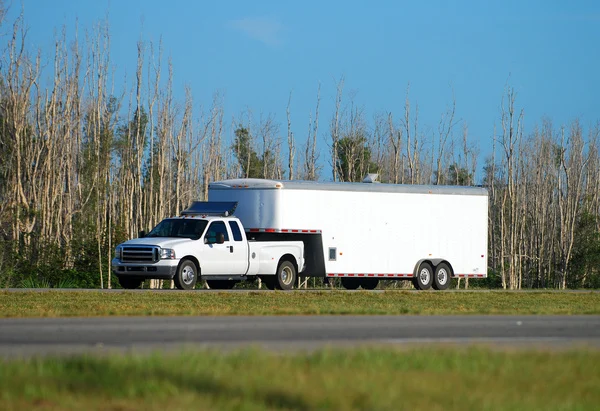
Towing heavy loads downhill poses a serious challenge—even for experienced drivers. One of the greatest risks is brake fade, a condition where braking effectiveness decreases due to heat buildup during prolonged or repeated braking. Without proper technique and high-performance components, this can lead to dangerously long stopping distances and increased wear on your brake system.
Whether you’re hauling a trailer, camper, or heavy-duty equipment, the following best practices will help you brake safely, extend component life, and maintain full control on steep descents.
1. Know Your Braking System
Before every trip, confirm that your vehicle and trailer braking systems are fully functional. Don’t overlook any component—especially when towing under load.
Key Safety Checks:
- ✔ Inspect brake pads and rotors for wear or glazing
- ✔ Check brake fluid levels and quality
- ✔ Test the trailer brake controller and emergency braking system
- ✔ Confirm your vehicle’s integrated braking systems (ABS, stability control) are functioning properly
2. Perform a Pre-Trip Inspection
A thorough pre-trip inspection ensures reliability and performance throughout your towing journey. Focus especially on the braking and suspension systems.
Critical Items to Inspect:
- Brake System: Pads, fluid levels, brake lines, calipers or drums
- Trailer Brakes: Check controller settings and trailer brake pad wear
- Tires: Ensure proper inflation on both tow vehicle and trailer
- Suspension & Steering: Look for alignment issues, looseness, or wear
- Parking Brake: Confirm it’s holding properly, especially on inclines
- Engine Braking Systems: Verify operation for added downhill control
3. Downshift to Lower Gears
Let your engine help do the braking. Downshifting reduces reliance on the brakes and helps control speed on long downhill grades.
When to Downshift:
- Long, sustained descents
- Approaching curves or intersections
- Anytime braking power needs to be supplemented
This technique minimizes brake fade and extends pad and rotor life.
4. Use Pulse Braking—Avoid Riding the Brakes
One of the most common (and dangerous) mistakes when descending is riding the brakes—a sure path to overheating and brake fade. Instead, use controlled “pulse braking.”
How to Apply Pulse Braking:
- Apply steady, firm brake pressure for a few seconds.
- Release to allow the brakes to cool.
- Repeat as needed to control speed.
This method gives brakes time to dissipate heat while maintaining control.
5. Balance Your Load Correctly
An unbalanced load increases brake strain and reduces vehicle stability—especially on downhill slopes.
Best Practices:
- Maintain 10–15% tongue weight on trailers
- Load heavier items toward the front of the trailer
- Use tie-downs to prevent shifting during descent
A well-distributed load improves braking response and reduces sway.
6. Upgrade to DFC Heavy-Duty Brake Components
Standard brake systems often fall short under the demands of towing. DFC performance brake components are engineered specifically for heavy loads and extended use.
Recommended Towing Upgrades:
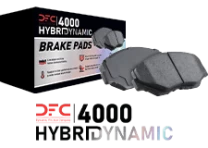
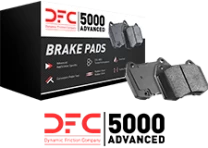
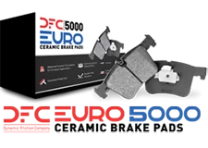
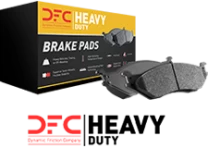
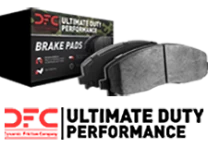
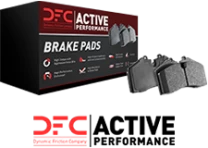
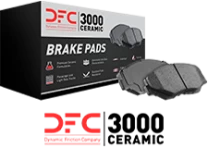
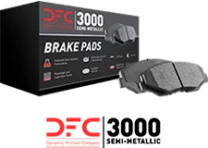
- DFC Heavy-Duty Brake Pads
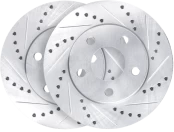
Designed for high-friction performance under load, with superior heat resistance and long wear life. - DFC Carbon Alloy Brake Rotors
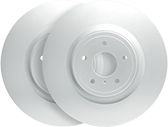
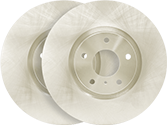
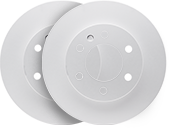
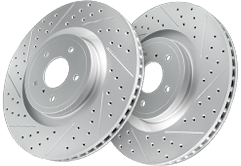
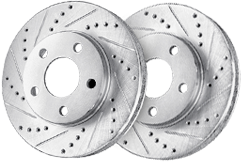
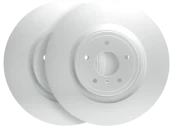
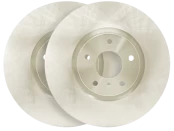
Precision-balanced and vented for maximum cooling and stopping power on steep grades.
🛠️ Trusted by fleet operators and performance-focused shops alike, DFC braking solutions are built to withstand punishing conditions while maintaining safety and control.
7. Maintain a Safe Following Distance
Towing increases braking distance—sometimes dramatically. Maintain at least 5–6 seconds of space between your vehicle and the one ahead to allow for safe, gradual braking.
8. Use Trailer Brakes Effectively
Proper use of trailer brakes improves control and prevents trailer sway during descent.
Tips:
- Adjust the gain setting on your electric brake controller
- Test brake response before hitting a long grade
- Manually activate trailer brakes to help reduce sway, if needed
9. Plan Routes and Avoid Dangerous Grades
Use GPS tools or trucker apps to map out routes that avoid excessive downgrades, especially when towing at or near capacity. When unavoidable, ensure your vehicle and brakes are ready for the challenge.
Final Thoughts
Braking downhill while towing requires the right equipment, technique, and preparation. From pre-trip checks to gear selection and load balancing, every step contributes to a safer, more controlled descent.
For maximum confidence on the road, equip your vehicle with DFC’s high-performance towing brake components—engineered for durability, temperature resistance, and stopping power you can count on.