
 UNITED STATES





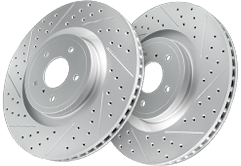

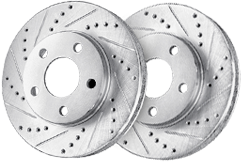


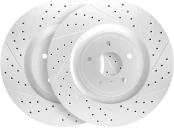








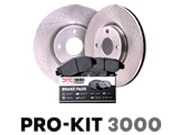
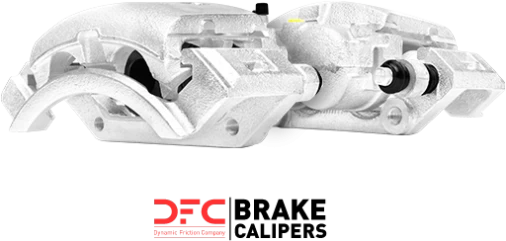





Brake noise complaints are one of the most common reasons customers come back after a brake job. And nothing tanks a shop’s reputation faster than a customer who paid for new brakes and still hears squeal every time they stop at a light. The complaint isn’t always about the brakes failing. Sometimes it’s about expectation management, installation details, or a pad compound that wasn’t the right fit for the application. But when the customer calls, all they know is their car sounds wrong.
Here’s how to handle brake noise complaints and warranty situations in a way that keeps the customer, protects your margin, and actually resolves the problem.
Understand the Root Cause Before You Touch Anything
Brake noise comes from a handful of specific causes. Walking through them systematically takes about five minutes and saves you from doing unnecessary warranty work on parts that aren’t the problem.
Glazed pads or rotors. If the customer didn’t do a proper break-in after installation, the pad surface can glaze. Glazed pads produce a high-pitched squeal that gets worse when the brakes are cold and sometimes disappears after a few stops once the rotors warm up. The fix is usually a proper bedding procedure or replacement if glazing is severe.
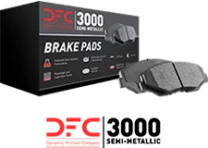
Missing or worn hardware. Caliper slide pins that are dry, binding, or seized cause the caliper to apply unevenly. That uneven contact creates noise. Anti-rattle clips and shims that weren’t replaced at the time of the brake job are another common culprit. DFC brake kits include all hardware because skipping it is a shortcut that always shows up later as a callback.
Pad compound mismatch. A semi-metallic pad on a light-duty daily driver that never sees hard stops will often squeal in the morning when the rotors are cold. The customer needed a ceramic compound. This is a fitment conversation, not a warranty conversation.
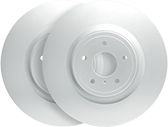
Rotor surface issues. Rust on the rotor surface (especially after the vehicle sits overnight or after rain) causes a brief scraping sound on the first few stops. This is normal and should clear within a block. If the customer is hearing it all the time, the rotor surface may have corrosion pitting from poor quality materials or no surface coating. DFC rotors with GeoSpec coating resist this specifically because the non-friction surfaces are protected even in wet climates.
Bedding not completed. Pads need heat cycles to transfer a thin, even layer of friction material onto the rotor surface. Without that transfer, braking performance is inconsistent and noise is common. The technician guide on proper break-in procedures covers this in detail. If the customer picked up the car and drove normally, they may not have gotten the breaks properly bedded.
The Callback Conversation: What to Say
When a customer calls with a noise complaint, the goal is to get the car back in the shop without making the customer feel like you’re dismissing them. Don’t start by defending the brake job. Start by asking questions.
The questions that matter:
- When does the noise happen? (First stop of the day? Under hard braking? All the time?)
- Does it stop after the first few stops or persist throughout driving?
- Is there any pulsation in the pedal, or is it purely noise?
- Did the car sit for more than a day before they first heard it?
The answers tell you a lot. First-stop-only noise that clears up is almost always surface rust — normal. Noise under hard braking that wasn’t there before is often a glazing or bedding issue. Constant noise with pedal pulsation points to hardware or installation, not the pads themselves.
Get the car in for a look before committing to a warranty claim. You need to see it to diagnose it accurately, and in many cases the fix takes 20 minutes and no parts.
When It Is a Warranty Issue
Sometimes pads or rotors do need to come off under warranty. The situations where this is legitimate:
Manufacturing defect in the pad. Inconsistent friction material causes uneven wear and noise. If pads from the same batch are causing the same issue across multiple vehicles, that’s a supplier problem. Document it and contact DFC directly. We track defect patterns and respond quickly.
Rotor defect. Rotor runout that’s outside spec from the factory causes pulsation and sometimes noise. Verify with a micrometer before pulling parts. If a new rotor measures out of spec, that’s on the manufacturer.
Wrong part shipped. Fitment errors happen. If the part that arrived didn’t match the application, that’s a parts issue, not a labor warranty.
For everything else, the cause is almost always installation-related or a customer expectation issue. Address the root cause. Don’t just swap pads and send the car back out the same way it came in.
Protecting Your Margin on Callbacks
Every callback that comes in as a warranty claim costs you labor. The best way to control that cost is to build a brake job process that prevents the most common callback causes in the first place.
Always replace hardware. Anti-rattle clips, caliper slide pins, and shims are cheap. The labor to reinstall everything because a slide pin was left dry is not. DFC brake kits ship with the full hardware package so this doesn’t require a separate parts decision.
Torque to spec. Caliper bolts torqued wrong cause uneven pad contact. It takes one extra step with a torque wrench. Do it every time.
Clean and inspect the caliper bore and slides. Every time. A seized slide pin on a vehicle that’s 80,000 miles old will cause a noise complaint within 2,000 miles on new pads. That callback is preventable.
Give customers the break-in briefing. Thirty seconds at vehicle delivery. Tell them the brakes will bed in over the first few days of normal driving. Avoid hard stops for the first 200 miles. If they hear a brief scrape in the morning, that’s normal surface rust and it clears immediately. This conversation alone eliminates a significant portion of callback calls.
Documenting the Claim
When a warranty claim does go to the supplier, you need documentation. Without it, the claim goes nowhere.
What to capture before the parts come off the car:
- Photos of the pad wear surface on both inboard and outboard pads
- Photos of the rotor surface showing any scoring, discoloration, or uneven wear pattern
- Micrometer measurements of rotor thickness at four points around the friction surface
- Note on the noise type, when it occurs, and how many miles since installation
- Original part numbers from the box
This takes five minutes per axle and means the conversation with your supplier has actual data behind it. DFC’s team can evaluate the claim much faster with photos and measurements than with a description of what the customer told you over the phone.
The Long-Term Answer: Fewer Callbacks
The shops with the lowest brake callback rates share a few things. They use the same brake supplier consistently, so they know how the product behaves and communicates it to customers accurately. They use complete brake kits that include hardware, so nothing gets reused when it shouldn’t be. And they have a standardized installation process that every tech follows.
Inconsistency in the process is where callbacks come from. Pad noise complaints from a shop that does 50 brake jobs a week should follow a predictable pattern. If they don’t, the process is the variable, not the parts.
DFC’s shop support team is available to work through recurring issues with you. If you’re seeing the same type of complaint repeatedly, that’s a pattern worth diagnosing together rather than handling one callback at a time.
Quick Reference: Brake Noise Complaint Triage
| Noise Type | When It Happens | Most Likely Cause | Fix |
|---|---|---|---|
| Brief scrape or grind | First 1-2 stops only | Surface rust on rotor | Normal, self-resolving |
| High squeal, cold only | First stops in morning | Glazed pads, compound mismatch | Bedding procedure or compound change |
| Constant squeal | All braking | Missing shims, worn hardware, wrong compound | Hardware inspection, reinstall with full kit |
| Groan under light braking | Low-speed stops | Dry slide pins, uneven pad contact | Clean and lube slides, verify caliper travel |
| Squeal with pulsation | All braking | Rotor runout, uneven pad transfer | Measure rotor, replace if out of spec |
Questions about a specific brake noise pattern you’re seeing across multiple vehicles? Reach out to DFC’s technical support team. We track complaint patterns by part number and can tell you if something is showing up across the product line.