 UNITED STATES















AMECA Certified Brake Pads for Ford Explorer Police Interceptor
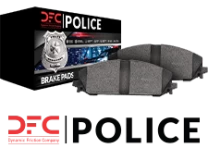
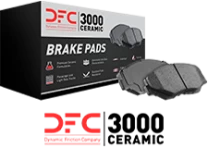
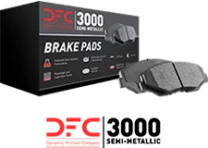
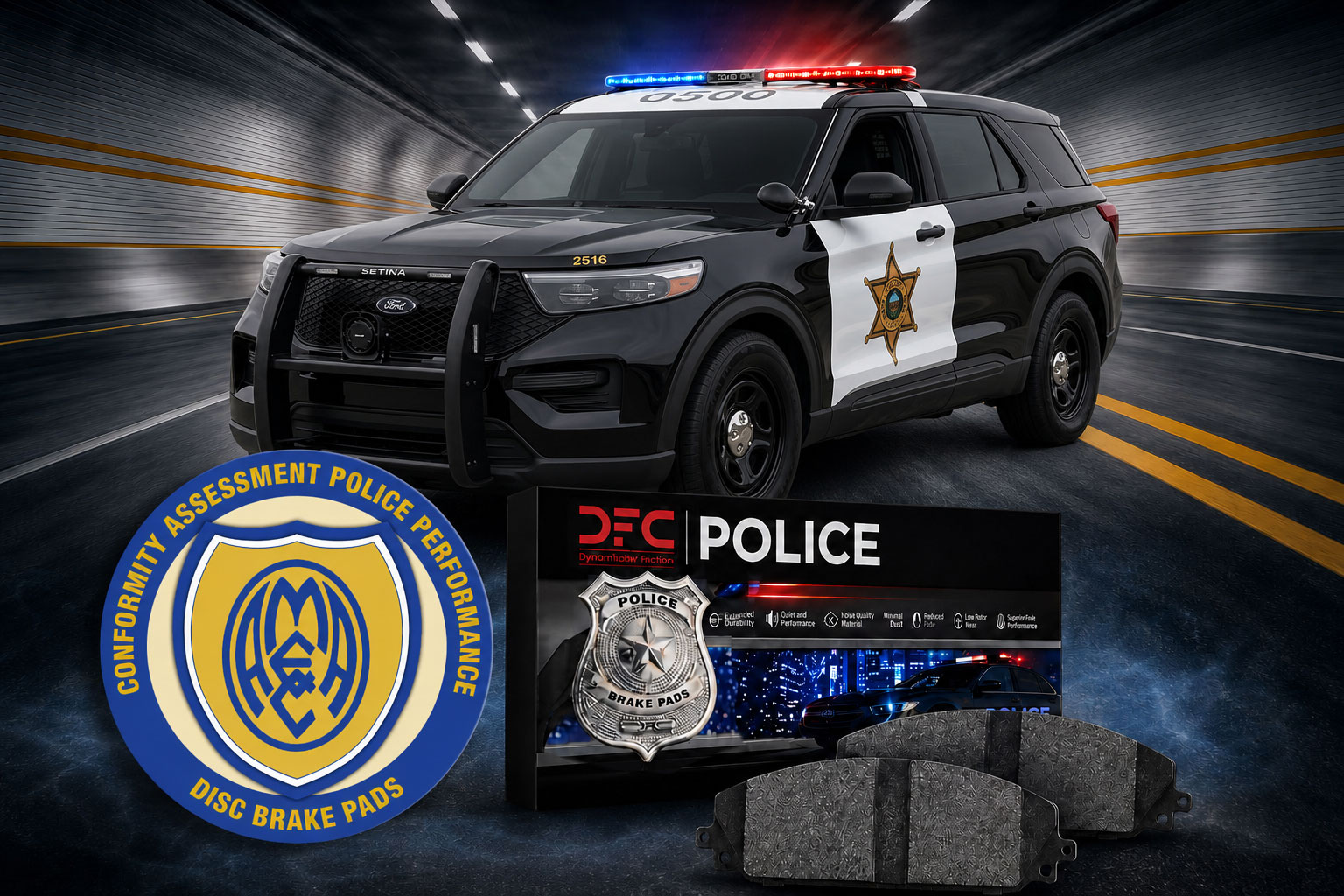
Dynamic Friction Company has earned AMECA Certification for its front and rear axle brake pads developed for the 2020–2026 Ford Explorer Police Interceptor. This certification confirms that DFC delivers braking performance that meets the demands of modern law enforcement fleets.
As one of the most widely deployed police vehicles, the Ford Explorer requires components that go beyond standard aftermarket solutions.
Designed for Real-World Police Use
The 2020–2026 Ford Explorer Police Interceptor is built for rapid response and pursuit situations. These operating conditions place intense and repeated stress on braking systems.
DFC part numbers:
1911-2229-00 (front pads) 1911-2231-00 (rear pads)
1911-2229-01 (front pads with hardware) 1911-2231-01 (rear pads with hardware)
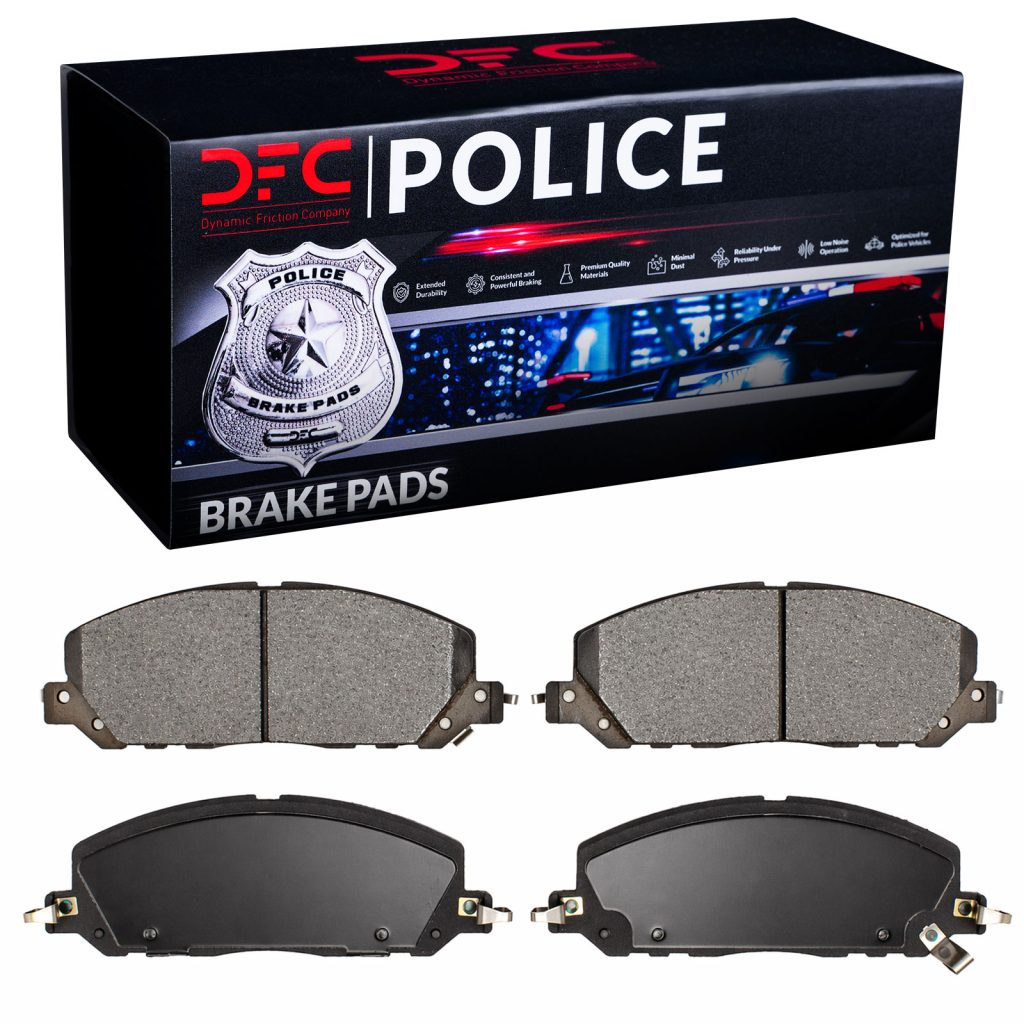
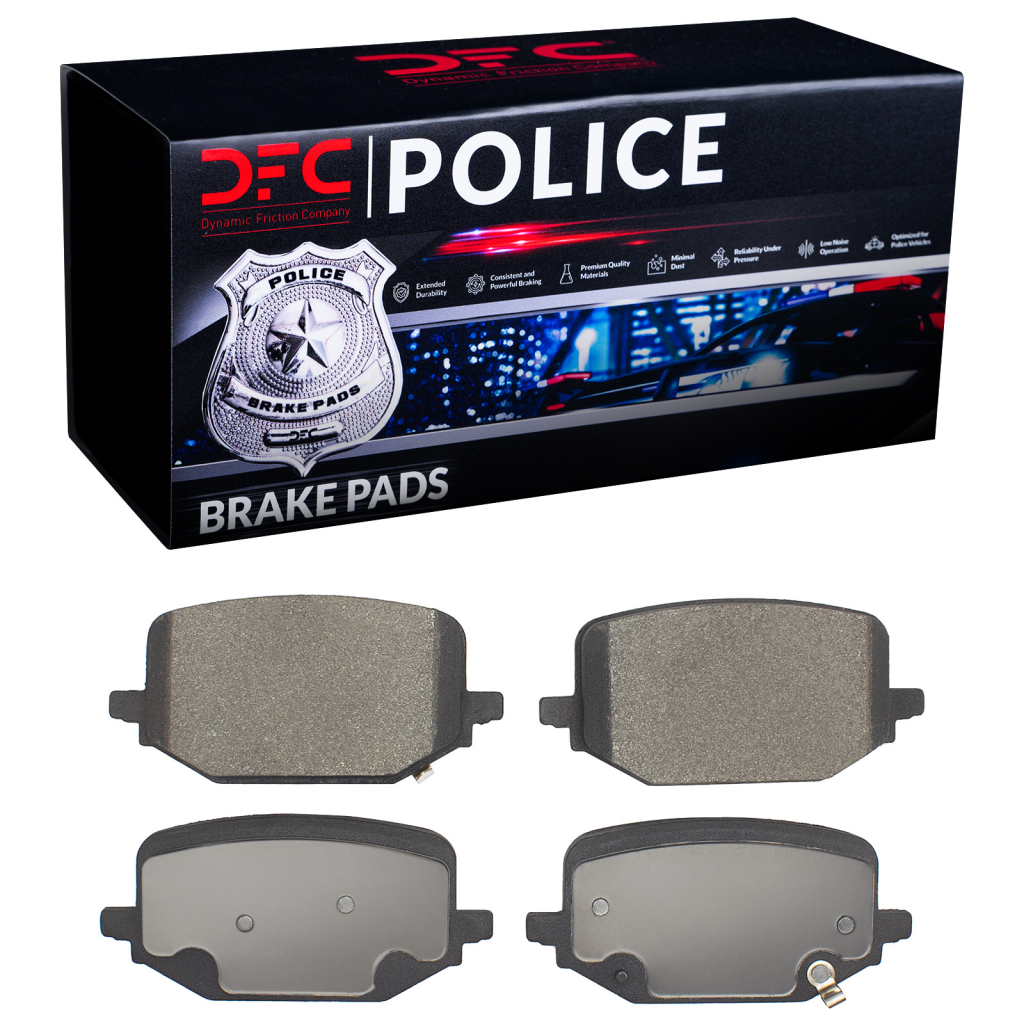
- High temperature braking environments
- Repeated high energy stops
- Continuous fleet operation
- Demanding urban and highway driving conditions
These brake pads are purpose-built to withstand the demands of law enforcement duty cycles.
Why AMECA Certification Matters
AMECA Certification validates brake components against strict performance and durability standards required by many municipalities.
For Explorer fleets, this delivers:
- Verified performance under pursuit conditions
- Increased eligibility for government bids
- Confidence in safety and compliance
- Assurance of durability in severe service environments
How Police Brake Pads Are Tested for AMECA Conformity
The AMECA-registered Police Declaration of Conformity uses Original Equipment police brake performance as its benchmark. Testing is conducted through Link Engineering’s Police Laboratory Brake Evaluation Program, with AMECA serving as the independent registrar. Rather than relying on a basic friction rating, the program uses repeatable inertia-dynamometer procedures designed to reproduce police duty cycles.
Brake pads are evaluated across several critical areas:
- EVOC simulation: Four demanding handling cycles measure deceleration capability, structural integrity, durability, wear, and performance through repeated high-energy braking.
- Stopping performance: SAE J2784 procedures reproduce vehicle loading, thermal history, kinetic energy, emergency braking, and failed-system conditions to help predict stopping distance against the OE baseline.
- Noise: SAE J2521 evaluates squeal during cold operation, normal driving, parking maneuvers, and after severe heating cycles.
- Durability and wear: Link USCT testing compares friction-material wear with the OE police brake package to support predictable maintenance intervals.
- Friction stability: ISO 26867 measures performance across varying speeds, brake pressures, temperatures, severe fade schedules, and braking histories.
- Bond strength: SAE J840 tests the connection between the friction material and backing plate under high-deceleration forces.
Together, these procedures provide Ford Explorer Police Interceptor fleets with documented evidence that DFC police brake pads have been evaluated against OE performance for consistency, durability, and severe-duty operation.
A System Approach to Braking Performance
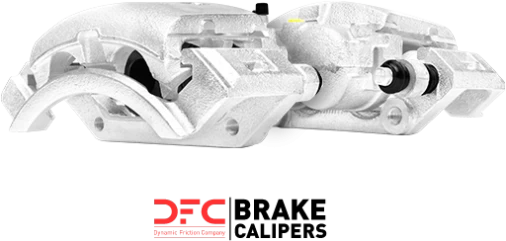
DFC does not treat brake components as standalone parts. Its Police Duty Program is engineered as a complete braking system that includes:
- Vehicle specific brake pad formulations
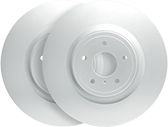
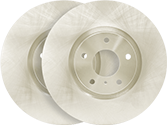
- High carbon rotors for improved heat dissipation
- Severe duty calipers
- Matched components designed to perform together
This approach reduces brake fade, improves longevity, and ensures reliable stopping power across the entire system.
Built for Today’s Law Enforcement Fleets
With AMECA Certified front and rear axle brake pads now available for the 2020–2026 Ford Explorer Police Interceptor, DFC strengthens its position as a trusted partner for fleet operators and distributors.
DFC continues to deliver braking systems engineered for safety, reliability, and the realities of law enforcement driving.
Stay tuned for more insights and innovations driving the future of braking performance.