The True Cost of Using Remanufactured Brake Calipers in Your Shop

DFC Blog

The Hidden Costs of Remanufactured Brake Calipers

When managing an auto shop or distributing brake parts, the goal is to provide reliable, cost-effective solutions for your customers. At first glance, remanufactured brake calipers may seem like the most economical choice. They’re readily available and often offer lower upfront costs. However, these perceived savings can quickly disappear when you account for hidden costs related to performance, durability, and installation challenges.

At Dynamic Friction Company (DFC), we believe there’s a better way. Our newly manufactured brake calipers offer a competitive price while delivering superior quality and reliability, making remanufacturing no longer the go-to solution. Here’s why it’s time to rethink your options.


1. Reused Components Lead to Higher Failure Rates

Remanufactured calipers are built using previously used components like pistons, seals, and caliper bodies. Even with cleaning and refurbishment, these parts often retain the wear and tear from their previous use. This can result in:

  • Inconsistent braking performance.
  • Increased risk of premature failure.
  • Higher warranty claim rates that erode customer trust.

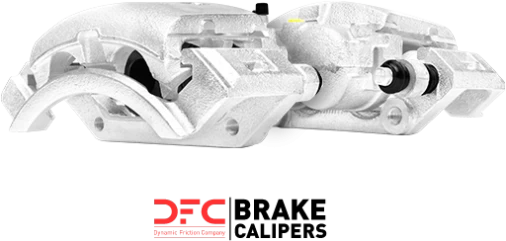
Newly manufactured DFC calipers use 100% brand-new components, reducing these risks. Each unit is rigorously tested for pressure, performance, and durability, ensuring reliable braking and fewer returns.


2. Poor Coating Equals Faster Corrosion

Many remanufactured calipers are not treated with high-quality protective coatings, leaving them vulnerable to rust and corrosion—especially in regions with harsh weather or high humidity. Once corrosion sets in, caliper performance deteriorates, reducing both lifespan and safety.

DFC calipers are protected by a premium silver zinc coating that offers superior resistance to corrosion, enhancing durability and long-term reliability.


3. Installation Frustrations Add Costs

Remanufactured calipers often present installation challenges. Common issues like uneven or pitted threads in the caliper port inlets can cause leaks and require additional labor time for technicians. This not only increases costs for your shop but also reduces efficiency, cutting into your bottom line.

DFC’s calipers are built to OEM specifications, ensuring precise fitment and smooth installation. This eliminates time-consuming rework, saving your shop time and money.


4. Warranty and Liability Considerations

Warranty coverage is another key factor to evaluate. Many remanufactured calipers come with limited warranties, and issues related to improper installation or corrosion may not be covered. This can leave shops liable for repairs or replacements.

DFC stands behind our products with comprehensive warranty coverage, giving you and your customers confidence in their performance. By minimizing failure risks, we help protect your reputation and reduce liability concerns.


5. Long-term Expenses of Premature Wear

Choosing cheap or remanufactured calipers can lead to premature wear on other brake components, including pads and rotors. Brake noise, uneven wear, and shortened service life can result, leading to costly repairs and increased maintenance frequency.

DFC calipers are designed to provide consistent braking performance, reducing stress on other components. This means fewer callbacks, improved vehicle safety, and long-term savings for both shops and customers.


Why Choose DFC Brake Calipers?

DFC newly manufactured calipers eliminate the hidden costs and risks associated with remanufactured options. Our calipers are:

  • Made with all-new components for reliability and performance.
  • Coated with premium silver zinc to resist corrosion.
  • Built to OEM standards to ensure proper fit and performance.
  • Extensively tested to deliver smooth and quiet braking with fewer warranty claims.

By investing in DFC calipers, you can boost customer satisfaction, reduce labor costs, and protect your bottom line with high-quality products designed to last.


Upgrade to DFC Brake Calipers Today

It’s time to move beyond outdated remanufactured solutions. With DFC’s newly manufactured brake calipers, you can provide your customers with superior performance, reduced failure rates, and peace of mind—all at a competitive price.

Reach out to DFC today to learn more about how we’re setting the new standard in brake caliper quality.

Upgrade to DFC Brake Calipers Today

Deciding Between Resurface vs Replace Rotors: Which Is the Right Choice for Your Vehicle?

In the brake maintenance debate of resurface vs replace rotors, drivers seek cost-effective, safe solutions. This guide simplifies the pros and cons, giving you the information you need to make the right choice for your vehicle.

Key Takeaways

  • Brake rotors are key parts that help your car stop. They need regular care, and their lifespan depends on the quality of the material, how well they handle heat, the type of brake pads used, and driving conditions.
  • Resurfacing rotors can improve their performance for a short time, but it might not always be the best choice if it makes the rotors too thin to be safe.
  • Replacing rotors completely is often a better long-term choice for safety and performance. New rotors last longer, need fewer repairs, and may come with a warranty.

Understanding Brake Rotors and Their Role in Your Braking System

Illustration of brake rotors in a braking system

Brake rotors are hidden behind your car’s wheels and are very important for stopping your car. When you press the brake pedal, it makes the brake pads press against the rotors. These rotors are big discs that change the car’s moving energy into heat through friction. This process is crucial for stopping your car and needs a good braking system. Keeping this system in good shape includes changing worn-out brake pads on time for the best performance.

The lifespan of these important parts can vary a lot because of:

  • The quality of material used
  • How well they get rid of heat
  • The type of brake pads used
  • Your driving style and conditions

Under normal conditions, rotors usually last between 30,000 and 80,000 miles. They need regular care to work well and keep your car safe. Ignoring maintenance or exposing them to tough conditions can cause uneven surfaces on the rotors, which can affect how well they work with the brake pads and reduce your car’s stopping power.

It’s important to think about not just when, but also how you replace parts in your car’s braking system. Wear and heat damage affect both brake pads and rotors. Replacing them on time helps keep a good friction level between the pad and rotor, ensuring your car can stop effectively.

The Brake Rotor Resurfacing Process Explained

Illustration of rotor resurfacing process

The process of resurfacing rotors essentially refreshes them. By using a machine to smooth out the rotor surface and fix any thickness differences, this operation gets the rotors ready for new brake pads. Think of it as a detailed cleaning service where your car’s rotors are made smooth and even again using a special tool called a brake lathe. When you get your rotors resurfaced, you’re improving both the performance and lifespan of your braking system.

While not a permanent fix, this method offers a temporary solution to extend the life and efficiency of your vehicle’s braking parts.

What Tools Are Used?

During a brake job, the most important tool used for resurfacing is the brake lathe. This precise machine carefully removes extra material from the rotors. This ensures that when the rotors are put back on the car, their surface is as smooth and even as a freshly cleaned ice rink.

Duration of Resurfacing vs. Replacement

Urgency is key. Resurfacing might seem like the gentler method, but it’s not the fastest – taking about 15 to 30 minutes for each rotor. On the other hand, replacing them can be like a quick pit stop, letting you get back on the road faster.

When to Consider Resurfacing Your Brake Rotors

Resurfacing should only be considered when there is enough material left on the rotors to keep them thick enough for safe braking. Just like you wouldn’t wear a sweater that’s too thin in the winter, your rotors shouldn’t be resurfaced if it would make them too thin to be safe.

On the other hand, if your rotors don’t have deep grooves or warping and are still above their wear limit, they might be good candidates for resurfacing. This is especially true if you notice uneven wear on the rotors or feel vibrations when pressing the brake pedal.

The Costs: Resurfacing vs. New Brake Rotor Replacement

Comparison of costs between resurfacing and new brake rotor replacement

Choosing to resurface (smooth out) your rotors might seem cheaper than buying new ones. However, before you count the savings, remember that the costs for resurfacing might be higher than getting new ones when you add in labor costs and the time your car will be in the shop.

Time is valuable. Resurfacing takes a lot of time for your mechanic to finish and can add up, making replacing the rotors a more affordable option when you consider everything.

Replacing Brake Rotors: A Long-Term Investment?

Choosing new brake pads isn’t just a regular purchase. It’s an investment in the long-term safety and performance of your car. When you install new brake pads, they work perfectly with your brake rotors, ensuring they stay thick and even. Many new rotors come with warranties, giving you extra peace of mind. Replacing brake pads on time can also improve your car’s braking performance.

Although replacing rotors might cost more initially compared to resurfacing, it often saves money in the long run because new rotors last longer and need fewer repairs.

Signs That You Should Replace Rather Than Resurface Rotors

You should replace your rotors instead of resurfacing them if there are clear signs of damage. If you see cracks or notice that the rotors are warped, it’s time for new ones.

Severe rust or deep grooves that can’t be smoothed out are also reasons to replace rotors, especially if they are close to the minimum thickness allowed. Any damage from rust or loose lug nuts can make your braking system less effective, so replacing the rotors is the safest option.

How Driving Style Influences Rotor Wear and Maintenance Choices

The way you drive affects how long your brake rotors last. If you often speed up quickly and brake hard, your rotors will wear out faster. This can cause them to overheat and warp, meaning you’ll need to replace them sooner.

On the other hand, if you drive more gently—accelerating slowly and braking smoothly—your brake system will last longer. This careful driving can delay the need for rotor maintenance.

The Impact of Vehicle Specifications on Rotor Maintenance

Your vehicle’s design plays a big role in how you should take care of your brake rotors. There are different types of rotors, each made for specific vehicles and driving conditions.

  • Sports cars or high-performance vehicles often use vented rotors. These rotors have spaces that help get rid of heat, which is important when driving fast and braking hard.
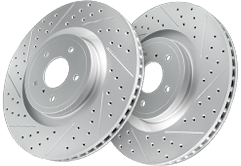
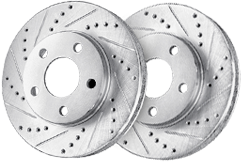
  • Slotted rotors have grooves on their surface. These grooves help improve braking by letting gases and dirt escape.
  • Drilled rotors have holes in them. These holes help improve braking by releasing gases, removing dirt, and reducing heat.
  • Standard passenger cars usually have solid rotors. These are the simplest type of rotors.

Choosing the right material for your rotors, like cast iron, carbon-ceramic, or stainless steel, is also important because each material affects how long the rotors last and how well they perform in different conditions.

If your vehicle has an anti-lock braking system, it can affect whether you should resurface or replace your brake rotors.

Professional Opinion: Why Mechanics Might Recommend Rotor Replacement

When it comes to brake maintenance, a mechanic’s advice is very important. Mechanics often recommend replacing rotors instead of resurfacing them for safety reasons. Some rotors are made very thin, so even a little wear can make them less effective. In these cases, installing new rotors is necessary to keep your car working well.

Listening to your mechanic when they suggest replacing your rotors can help ensure your car stays safe and reliable.

Summary

In the grand scheme of automotive care, the decision to resurface or replace rotors is not one to be taken lightly. It’s a balance of cost, convenience, and most critically, safety. Whether you opt for the restoration of resurfacing or the renewal of replacement, ensure your choice is informed by the condition of your rotors, your driving habits, and the specifications of your vehicle. Remember, what you decide today will echo in the stopping power of every trip you take.

Changing Your Brakes? Avoid These 3 Mistakes

DFC Blog

So it’s time to change your brakes…what could possibly go wrong? We know you’re an expert and you know what you’re doing (wink wink), but there are a few common mistakes to avoid when replacing your brakes. Below you’ll find the top 3 mistakes that people (not you) usually make during a brake replacement. Check them out. 

1. Forgetting to clean the rotor mating surfaces

We can’t stress this enough. It’s very important that the hub mating surface that your rotor is being applied to is 100% clean. And we mean clean. This means you need to get all the gunk, grime and rust off before you apply your rotors. Heads up: you may have to roll up your sleeves for this one but a simple wire brush will do the trick. 

2. Putting wayyyy too much lubricant

Here’s a shocking fact (don’t tell anyone we told you). None of the 50 million cars produced each year leave the factory with grease on the abutments. None. Not even one. Why don’t they lube it? Well…they do this to avoid the grit and grime in the surrounding area from mixing up with the grease. That being said, there are a lot of people who swear by putting grease on the abutments. If you are one of those, make sure you apply the absolute minimum.  

Oh! One last thing. It’s very important you don’t put grease on the back of the brake pad. The grease that manufacturers include in your brake set is only meant to be applied on the edges of the pad mounting tabs. 

3. Forgetting to make sure that the sliding calipers are clean

Take the bracket off from the body of the caliper and make sure that the guide pins are clean and properly lubricated. If the caliper can’t clamp down or retract properly, you’re opening yourself up to potential brake problems. And you don’t need those kinds of problems in your life. 


Dino Crescentini, Co-Founder of DFC, shares his top 3 mistakes to avoid when changing brakes.

Conclusion

The last thing you want is to be cruising down the boulevard and suddenly find that you can’t brake properly. As you know, you can’t parachute out of a car. We encourage you to take note of these potential mistakes when replacing your brakes. Not doing so may result in uneven braking, increased wear and tear, and poor performance. Don’t worry, we got your back.

Brake responsibly. 

Ready for your new brakes?
Click here to see our latest deals & selection

DFC Co-Founder Dino Crescentini – The Perfect Solution for the Perfect Brake Job

When doing a complete brake job, ordering the right components can be time consuming and confusing: 

• What brake rotor to use?

• What brake pads to pair it with?

• What about brake hardware?

Would you like to save time with the right choice? 

Here’s Dino Crescentini’s solution to a perfect brake job.

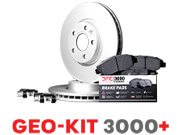
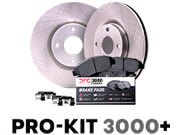
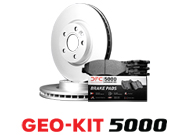
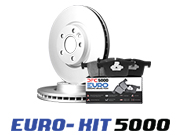
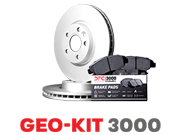
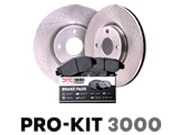
We’ve simplified what has become a long and overdue process by developing a brake kit program designed to fit your customers’ needs without having to search out all the necessary components.

The DFC Brake Kit program has been painstakingly cataloged with an easy to access kit numbers designed to suit your customer’ needs and desires whether it be price, performance or aesthetics.


Learn more about the New DFC Brake Kits:
https://www.dynamicfriction.com/products/brake-kits


About Dynamic Friction Company

DFC is an award winning brake components manufacturer and supplier headquartered in Southern California.  DFC offers a complete brake systems program for all passenger car, pickup, & medium duty trucks. DFC is recognized for its devotion to bringing its customers the latest and greatest in brake products available without the exorbitant costs. DFC boasts a full complement of dedicated in-house engineers and R&D staff who work vigorously to give our customers first-to-market advantage and assurances that modern technological complexities are fully addressed.
DFC Blog

For more information about DFC please visit: www.dynamicfriction.com