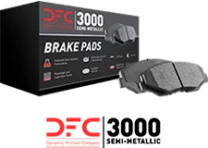
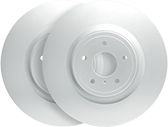
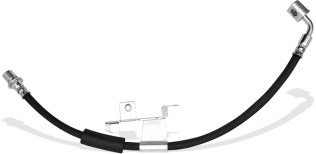
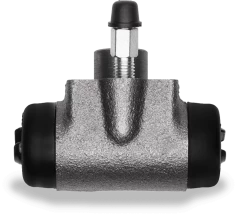
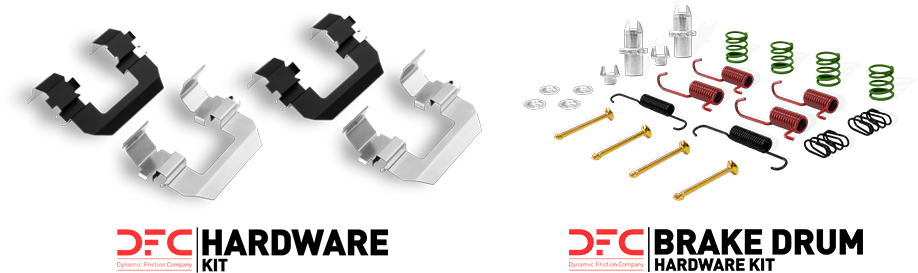
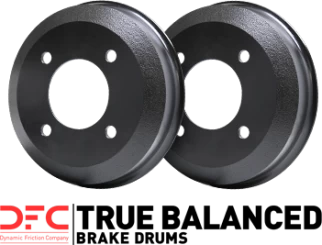
Quality brake components are essential not just for vehicle performance—but for driver and passenger safety. From brake pads to rotors, each part of the braking system plays a critical role in ensuring responsive, reliable stopping power under all driving conditions.
Dynamic Friction Company (DFC) stands at the forefront of the automotive aftermarket, delivering premium brake components that consistently meet—and often exceed—Original Equipment Manufacturer (OEM) standards.
Why High-Quality Brake Components Matter
Safety Reliable brake components are fundamental to vehicle safety. They deliver consistent stopping power, reduce braking distances, and help prevent accidents.
Performance Precision-engineered brake parts provide smoother, more responsive braking. This improves vehicle handling and enhances driver confidence in daily driving and high-demand scenarios.
Durability High-quality materials and manufacturing processes extend the life of brake pads, rotors, and hardware—reducing maintenance costs and increasing long-term value.
DFC’s Commitment to Engineering Excellence
Founded on the principles of quality, innovation, and value, DFC offers a comprehensive range of braking solutions for both foreign and domestic applications. Every product is designed with performance, reliability, and technician ease-of-use in mind.
Brake Pads Available in multiple friction formulations, DFC brake pads are designed to meet the specific needs of various vehicle platforms. Each formulation balances stopping power, low noise, and minimal dust.
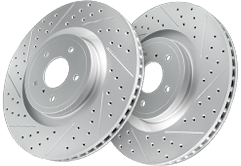
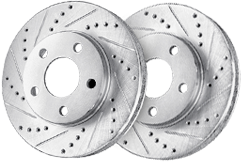
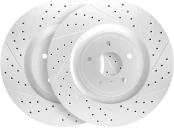
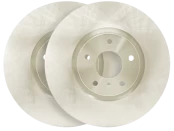
Brake Rotors Made with premium G3000/G11H18 iron castings, DFC rotors are engineered for strength, thermal stability, and long-lasting durability—ensuring consistent braking performance mile after mile.
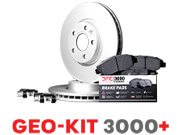
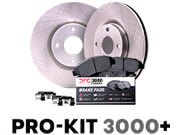
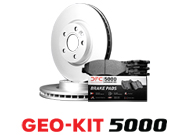
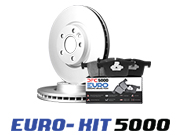
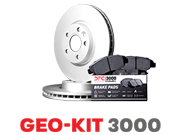
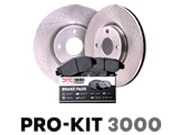
Brake Kits DFC’s complete brake kits pair premium pads and rotors for a turn-key solution that simplifies installation and maximizes performance.
Innovation That Delivers Real-World Benefits
DFC is driven by continuous improvement and innovation. Their investment in R&D ensures the introduction of cutting-edge technologies that enhance safety and simplify installation.
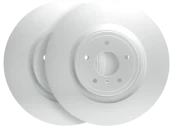
GeoSpec® Coated Rotors DFC’s exclusive GeoSpec® fully coated rotors provide superior corrosion resistance and arrive ready to install—no pre-cleaning required. This improves efficiency in the shop and delivers long-term protection against rust and wear.
Conclusion: Trust in Every Stop
Investing in high-quality brake components is more than a smart choice—it’s a safety imperative. With Dynamic Friction Company, you’re choosing a brand trusted by professional technicians, performance drivers, and fleet operators across the industry.
From advanced materials to OE-level precision, DFC’s brake products are engineered for reliability, performance, and peace of mind. When safety matters most, trust the company that builds with purpose—trust DFC.
When buying brake pads in bulk, price often plays a major role. But is choosing the cheapest option really the most cost-effective decision? In reality, low-cost brake pads can lead to increased wear, safety risks, and higher long-term expenses—especially for warehouse distributors, shop owners, and fleet managers.
Investing in high-quality brake pads from a trusted manufacturer like Dynamic Friction Company (DFC) provides long-term value through durability, performance, and reduced returns. Here’s why smart bulk buyers know that quality pays off.
1. Understanding Brake Systems and Pad Materials
Brake pads are a critical part of the vehicle’s stopping system. Pressed against the rotor by calipers, they generate friction to slow and stop the vehicle. The quality of that friction—and how it affects other components—matters deeply.
Brake Pad Types:
Ceramic Brake Pads: Known for quiet, smooth operation and low dust. Ideal for consistent daily driving and long wear life.
Semi-Metallic Brake Pads: Built for strength and heat dissipation, making them ideal for heavier loads and commercial use.
Organic Pads: Common in older vehicles but wear faster and offer less consistent performance.
Each formulation serves a purpose, but high-quality ceramic and semi-metallic pads strike the best balance for bulk buyers prioritizing performance and longevity.
2. The Hidden Costs of Cheap Brake Pads
Cheaper brake pads may offer upfront savings, but they often come with hidden liabilities that drive up total cost of ownership.
Frequent Replacements
Low-grade pads wear out faster, increasing labor costs and causing more vehicle downtime. For fleets and busy repair shops, these disruptions reduce efficiency and profitability.
Compromised Safety
Inconsistent friction levels can result in longer stopping distances, brake fade, and reduced control—putting vehicles and drivers at risk. Quality pads offer a reliable initial bite and fade-resistant performance.
Increased Wear on Rotors and Calipers
Cheap pads can be harsh on other brake system components, causing premature wear to rotors, calipers, and even brake fluid systems. Over time, this leads to costly repairs that far outweigh any initial savings.
Customer Complaints and Returns
For distributors and auto shops, low-cost pads often mean higher return rates and lower customer satisfaction. Protecting your reputation starts with stocking and selling reliable, high-performing components.
3. Why Bulk Buyers Should Choose Premium Brake Pads
High-quality brake pads offer measurable benefits that improve both vehicle performance and your business operations.
Longer Lifespan, Lower Service Costs
Premium pads are made with advanced friction materials and reinforced backing plates. This durability translates into fewer replacements and reduced service intervals.
Reliable Performance and Safer Braking
Top-tier pads dissipate heat efficiently and maintain stable friction—even under high loads or extreme conditions. This consistency is especially important for commercial vehicles, high-mileage fleets, and safety-conscious customers.
Better Rotor Compatibility
Quality brake pads are engineered to pair with rotors without causing undue wear. This helps protect the entire braking system and minimizes rotor resurfacing or replacement.
Stronger Customer Retention
Satisfied customers come back. Distributors and auto shops that prioritize quality earn more trust, more referrals, and more long-term business.
4. What to Look for When Buying Brake Pads in Bulk
Bulk buyers need to focus on quality and consistency—not just price. Here’s what to prioritize:
✔ Material Composition: Look for ceramic or semi-metallic formulations with proven performance. ✔ Reinforced Backing Plates: Choose pads with galvanized steel plates and mechanical bonding for improved strength and rust resistance. ✔ OEM or Equivalent Standards: Ensure the product meets or exceeds factory specs. ✔ Reputable Manufacturing: Work with trusted manufacturers known for rigorous testing and quality control. ✔ Certifications and Compliance: Verify adherence to safety standards and performance benchmarks.
5. Maintenance Matters Too
While quality pads are essential, maintaining the brake system helps extend their lifespan and performance.
Regularly inspect pads for wear and replace before damage occurs.
Check brake fluid levels and flush as needed to prevent corrosion.
Keep rotors clean and free from debris or glazing.
Educate customers on driving habits that can prolong pad life.
Cheap brake pads might save a few dollars upfront, but the long-term costs—from repairs to reputation—can be significant. Investing in high-quality brake pads protects your bottom line, your customers, and your brand.
For warehouse distributors, fleet managers, and professional repair shops, reliable performance is the best value.
Ready to Order Premium Brake Pads in Bulk?
Dynamic Friction Company offers a full line of high-performance brake pads engineered for longevity, safety, and profitability. Whether you’re restocking your warehouse or supplying high-volume clients, DFC delivers the quality and coverage you need to succeed.
📞 Contact DFC Today to learn more about our bulk purchasing options and premium brake solutions.
Build Trust and Reliability—One Brake Job at a Time
Brakes are one of the most critical safety systems in any vehicle—yet they’re often overlooked until something goes wrong. As a technician or shop owner, preventative brake maintenance is key not only to protecting your customers but also to reducing comebacks and strengthening your reputation.
From worn pads to fluid contamination and ABS diagnostics, this guide outlines practical strategies to help mechanics prevent the most common brake problems—with solutions backed by DFC’s trusted product line.
1. Know Your Brake System Inside and Out
Understanding how braking components work together allows you to identify early signs of wear and recommend proper service intervals.
Pads & Rotors When the brake pedal is pressed, pads clamp down on rotors to generate friction and slow the vehicle. Worn pads or overheated rotors reduce stopping power and increase risk.
Drum vs. Disc Brakes Disc brakes provide stronger, more consistent performance and are easier to maintain—making them standard on modern vehicles. Drum brakes are still used on some rear applications and require different service considerations.
2. Stop Premature Brake Pad Wear
Uneven or rapid pad wear is one of the most common (and avoidable) issues in the bay.
Clean and lubricate caliper slide pins at every service
Inspect for even wear across all pads
Educate customers on proper braking habits
3. Address Brake Noise Before It Becomes a Comeback
Squeaks, squeals, and grinding can indicate pad glazing, misaligned hardware, or debris. Customers often interpret noise as poor workmanship—even when the cause is unrelated.
Fix It Right:
Resurface or replace rotors showing excessive wear or scoring
Always torque lugs to factory specs using a torque wrench
Encourage smooth, progressive braking for better rotor longevity
5. Avoid Brake Fluid Contamination
Brake fluid absorbs moisture over time, reducing braking performance and damaging internal components. A spongy pedal or ABS light may point to degraded fluid.
Watch for:
Soft brake pedal
ABS warning lights
Dark, dirty, or discolored fluid
Best Practices:
Flush fluid every 2 years or as recommended
Use premium DOT 3 or DOT 4 brake fluid depending on OEM spec
Bleed system properly to remove air
6. Don’t Overlook Brake Lines and Hoses
Even if the pads and rotors look good, the system is only as strong as its weakest link. Old or damaged hoses can leak or fail under pressure.
Inspection Checklist:
Look for cracks, bulges, or dry rot in rubber lines
Inspect metal lines for corrosion or surface rust
Replace with DOT-approved parts to maintain system integrity
7. Diagnose ABS Issues Accurately
ABS lights are a top concern among drivers. When illuminated, they signal potential failure in one of the most important safety systems.
What to Know: The ABS system prevents wheel lock-up during emergency stops. Ignoring a fault can lead to reduced braking control, especially in wet or slippery conditions.
Recommended Steps:
Scan for fault codes with a diagnostic tool
Inspect wheel speed sensors and ABS modules
Check for contaminated or old brake fluid contributing to the fault
Verify system resets post-repair
Final Thoughts
By following these brake maintenance best practices, you help your customers avoid costly issues while building a reputation for thorough, professional service.
Use premium-grade DFC pads, rotors, and hardware for proven durability and performance
Perform complete inspections, not just pad swaps
Educate customers on signs of wear and when to return for service
Trusted by Professionals. Proven in the Bay.
Looking for OEM-quality components that deliver under pressure? Dynamic Friction Company offers a full line of brake pads, rotors, hardware kits, and fluids designed to meet the demands of today’s vehicles—and the shops that service them.
Achieve a Quieter, Smoother Ride with Premium Brake Shims
Brake noise and vibration can be frustrating for drivers and a challenge for mechanics. Whether it’s an annoying squeal, a grinding noise, or a pulsating pedal, these issues often stem from poor damping and vibration control. One of the most effective ways to reduce brake noise and vibration is by using high-quality shims—like DFC Premium Rubber-Steel-Rubber (RSR) Shims—designed to improve braking performance, enhance comfort, and extend the life of your braking system.
In this guide, we’ll explore how brake noise occurs, why shims are essential, and how DFC brake shims can help you achieve a smoother, quieter brake installation.
Why Do Brakes Make Noise?
Brake noise is typically caused by vibration and resonance between the brake pads, rotors, and calipers. Some of the most common causes include:
Improper brake pad fitment – Pads that don’t sit flush against the caliper can create movement and noise.
Worn or damaged brake components – Old rotors, uneven pad wear, and lack of lubrication can lead to squealing and grinding.
Inadequate damping materials – Poor-quality or missing shims can increase vibrations.
Environmental factors – Dust, moisture, and extreme temperatures can affect brake performance.
While proper installation and high-quality brake pads are crucial, brake shims play a vital role in noise reduction by absorbing vibrations and preventing metal-to-metal contact.
The Role of Brake Shims in Noise and Vibration Control
Brake shims act as a buffer between the brake pad and caliper, helping to reduce vibrations and noise. High-quality shims absorb energy and dampen sound waves that would otherwise create unwanted brake noise.
DFC Premium Rubber-Steel-Rubber (RSR) Shims are specifically engineered to:
✔ Reduce Noise & Vibration – Multi-layered construction absorbs sound and minimizes movement. ✔ Improve Brake Performance – Maintains consistent contact between the pad and rotor for smooth braking. ✔ Enhance Durability – Designed to withstand extreme temperatures and prolonged use. ✔ Optimize Comfort – Delivers a quieter, smoother ride for drivers.
How DFC Brake Shims Provide Superior Noise Reduction
Not all brake shims are created equal. DFC’s Premium RSR Shims stand out due to their advanced three-layer construction, which ensures optimal vibration damping and noise suppression.
1. Rubber-Steel-Rubber (RSR) Construction
DFC shims are designed with a rubber-steel-rubber structure, providing superior damping properties. The rubber layers absorb vibrations, while the steel core maintains structural integrity, ensuring long-lasting performance.
2. OEM Fit & Functionality
DFC shims are precision-engineered to match or exceed OEM standards, ensuring a perfect fit and seamless installation. This guarantees consistent performance across a wide range of vehicle applications.
3. Thermal & Corrosion Resistance
Brake components experience extreme temperatures, moisture, and debris. DFC shims are thermally resistant to withstand high heat levels and corrosion-resistant for extended durability.
4. Improved NVH (Noise, Vibration, and Harshness) Characteristics
By minimizing unwanted brake vibrations and harmonics, DFC brake shims significantly enhance NVH performance, resulting in a quieter, more comfortable driving experience.
Best Practices for Installing Brake Shims
To maximize the benefits of DFC shims and ensure a noise-free brake installation, follow these expert tips:
✅ Clean the Caliper Bracket & Hardware – Remove old brake debris and rust before installing new shims. ✅ Apply Lubrication Sparingly – Use high-quality brake lubricant on contact points but avoid over-application. ✅ Ensure Proper Pad Alignment – Make sure brake pads are seated correctly against the shims and caliper. ✅ Check for Worn or Warped Rotors – If the rotors are uneven or excessively worn, replace them for optimal braking. ✅ Use High-Quality Brake Pads – Pairing DFC shims with DFC brake pads ensures the best noise and vibration control.
Upgrade Your Braking System with DFC Shims Today
If you’re experiencing brake noise and vibration, upgrading to DFC Premium Rubber-Steel-Rubber Shims is a simple yet effective solution. Their advanced three-layer design, OEM precision fit, and superior noise-damping properties make them an essential upgrade for any brake installation.
For a quieter, smoother, and more reliable braking experience, choose DFC brake shims—the industry leader in brake noise reduction technology.
Brake caliper issues can be a serious problem for vehicle owners, as they can lead to reduced braking performance and increased risk of accidents. The brake caliper is a critical component of the braking system, responsible for housing the brake pads and applying pressure to the brake rotor to slow or stop the vehicle. Issues with the brake caliper can arise from worn-out brake pads, damaged brake lines, or faulty brake fluid. Regular maintenance and inspections can help identify potential problems before they become major issues.
Are You Facing the Nightmare of Poor Threading?
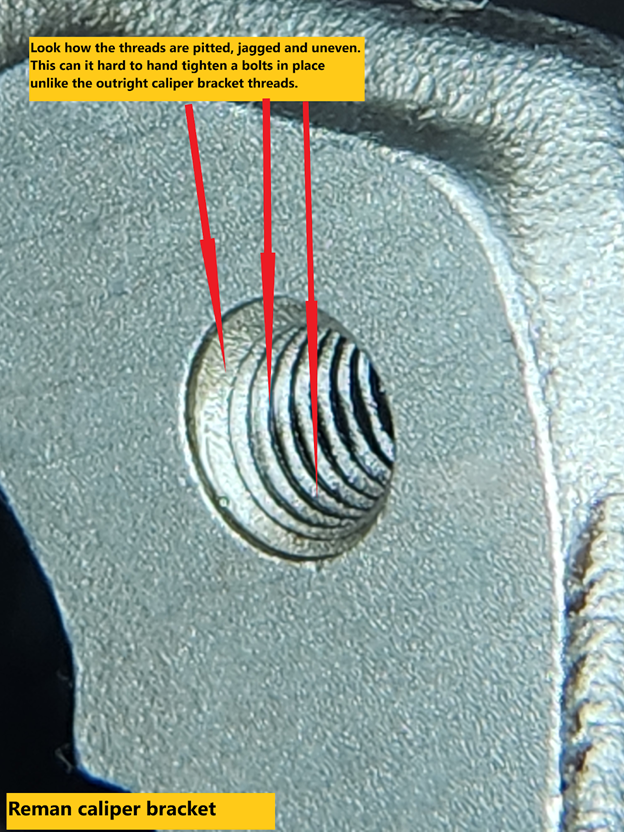
Have you ever picked up a remanufactured caliper and felt a chill run down your spine? The pitted, jagged threads. The stripped bleeder screw. The unknown past of failed repairs and questionable quality. If this sounds familiar, you’re not alone.
In Episode Three of Automotive Anonymous, we tackle one of the most frustrating issues installers face: damaged threading in remanufactured calipers. One reliable solution to leaks caused by damaged threading is to replace the caliper with a new part or reman unit, ensuring safety and functionality in braking systems.
The Dangers of Brake Fluid Leaks
Brake fluid leaks can be a serious safety hazard, as they can lead to reduced braking performance and increased risk of accidents. Brake fluid is a critical component of the braking system, responsible for transmitting pressure from the brake pedal to the brake calipers. Leaks can occur due to damaged brake lines, worn-out brake seals, or faulty brake fluid reservoirs. If left unchecked, brake fluid leaks can lead to total brake system failure, which can have devastating consequences. It is essential to address brake fluid leaks promptly and have them repaired by a qualified mechanic.
The Real Cost of Bad Brake Caliper Threads
When caliper threads are compromised, you’re looking at:
✅ Brake fluid leaks – Damaged banjo bolt seats or bleeder screw threads can lead to costly and dangerous leaks. ✅ Stripped guide pin holes – If the caliper bracket threads are worn out, expect poor brake performance and uneven pad wear. ✅ Wasted labor and frustration – Fighting bad threads turns a simple install into a time-consuming nightmare.
The problem? Remanufactured calipers are often rebuilt from old, worn-out cores—meaning their threads have already lived a hard life. You’re gambling every time you install one. The average number of issues reported with remanufactured calipers is significantly higher compared to new ones, making them a risky choice.
Brake Fluid Maintenance and Prevention
Regular brake fluid maintenance is essential to ensure the optimal performance of the braking system. Brake fluid should be checked regularly for signs of contamination or degradation, and replaced as needed. It is also important to use the correct type of brake fluid for your vehicle, as specified in the owner’s manual. Additionally, brake fluid reservoirs should be inspected regularly for signs of damage or corrosion, and replaced if necessary. By following these maintenance tips, you can help prevent brake fluid leaks and ensure the optimal performance of your braking system.
A Brand-New Caliper Is a Brand-New Me
What if you never had to deal with these issues again? New calipers offer:
🚀 Factory-fresh threads – Precision-machined for perfect fitment. 🛑 No more cross-threading risks – No worn-out, re-tapped holes or questionable helicoils. 💸 No core fees, no surprises – Just a clean, hassle-free installation.
When diagnosing and repairing brake caliper issues, it’s important to consider related terms associated with these problems. These related keywords can include brake fluid leaks, uneven brake pad wear, and caliper piston sticking, which help signal the quality and depth of the article to search engines and users alike.
Diagnosing and Repairing Brake Caliper Issues
Diagnosing brake caliper issues can be a complex process, requiring specialized tools and expertise. If you suspect that your brake caliper is faulty, it is essential to have it inspected by a qualified mechanic. The mechanic will perform a series of tests to determine the cause of the problem, including inspecting the brake pads, brake lines, and brake fluid reservoir. Once the problem is identified, the mechanic can perform the necessary repairs, which may include replacing the brake pads, brake lines, or brake caliper. In some cases, the brake caliper may need to be replaced entirely, which can be a costly and time-consuming process. However, by addressing brake caliper issues promptly, you can help ensure the optimal performance and safety of your vehicle.
Break the Cycle—Choose a Better Way
If you’ve been burned by remanufactured calipers, it’s time to take the first step. Stop fighting with bad threads and start installing with confidence.
Welcome to Automotive Anonymous, where we help installers, mechanics, and automotive professionals break free from the burdens of remanufactured calipers—one step at a time. In the automotive industry, best practices and standards are crucial for ensuring customer satisfaction and avoiding complaints. If you’ve ever found yourself frustrated with remanufactured electric parking brake (EPB) calipers, you’re not alone. Using quality parts in brake jobs is essential to meet industry standards and achieve lasting repairs.
Step One: Admitting There’s a Problem
It starts with a simple question: “Oh yeah? Then what am I supposed to do about the electric parking brake calipers?”
That’s a tough one. EPB calipers aren’t like traditional calipers. They have electronic components that demand reliability, precision, and—most importantly—functionality within the brake system. Proper inspection and installation are crucial to ensure optimal performance and prevent issues such as noise, vibration, or failure. But if you’re reaching for a remanufactured unit, you might already be setting yourself up for failure.
Let’s take a deep breath. It’s okay. We’re here to talk through this.
Understanding Electric Parking Brake Systems
Why Reman Electric Parking Brake Calipers Are a Risky Habit
We’ve all been there. You get a remanufactured EPB caliper, install it, and hope for the best. But before long:
🔧 Higher Failure Rates – Remanufactured EPB calipers have a reputation. And not the good kind. The electronics inside? Not always tested properly. The motor? Questionable at best. And that means one thing—comebacks. Additionally, issues with the caliper piston not moving freely during inspections can lead to brake noises and performance problems.
🔩 Inlet Threads That Are Always Messed Up – You go to attach the brake hose, and suddenly, you’re dealing with stripped or cross-threaded inlets. Do you really have time to chase down an adapter or—worse—rethread it? That’s precious shop time wasted. The process is time consuming and adds significant time to the overall job.
🔁 The Never-Ending Cycle of Core Returns – Send in the old unit, wait for the credit, hope the reman process worked, and then… do it all over again next time. It’s like being stuck in a bad relationship—you know you deserve better, but you keep going back.
🔍 Rotor Inspections – It’s crucial to inspect the rotor for conditions such as lateral runout and thickness variation. These issues can lead to performance problems like pedal pulsation and excessive brake noise. Proper installation and machining are essential to ensure optimal brake function.
Breaking the Cycle: The Automotive Anonymous Motto
This is where we remind ourselves of the truth. Say it with us now:
💬 Never Demand a Remand.
New EPB calipers give you the peace of mind that your install is solid, your customer is happy, and your work won’t come back to haunt you. A thorough brake job ensures that the electronic motor will function correctly and the caliper won’t seize up again in a few months. Using high-quality new pads along with new calipers is crucial to ensure optimal performance and prevent issues like noise and vibration.
The First Step to Recovery: Understanding Remanufactured Components
You’re here because you’re ready to make a change. It won’t always be easy—old habits die hard. But every journey starts with a single step, and today, that step is recognizing that new calipers mean fewer headaches, fewer comebacks, and more time for the jobs that actually pay. New calipers also ensure better performance and safety for your vehicle.
So next time someone asks, “What am I supposed to do about electric parking brake calipers?”—you’ll know the answer. Remember, professional repair is crucial to ensure the functionality of the brake system and avoid future problems.
✔️ Step away from the reman.✔️ Invest in new.✔️ Stay strong. We’re here to help.
Join the Movement in the Automotive Industry
Have a story about breaking free from remanufactured EPB calipers? We’d love to hear it. Share your experience, spread the word, and remember: Recovery starts today. Remanufactured brake calipers are suitable for various makes, including European, Japanese, and Korean vehicles. Proper maintenance is crucial as brake issues can significantly impact your car’s performance and lead to customer complaints.
When it comes to brake calipers, many shops and distributors have relied on remanufactured units in the past due to perceived cost savings. However, hidden inefficiencies, quality issues, and durability concerns often turn those savings into higher long-term expenses. WithDFC’sall-new brake calipers, you get consistent quality, reduced failure rates, and competitive pricing—without the headaches.
DFC’s new calipers meet or exceed OEM performance standards, ensuring quality and reliability.
Remanufactured calipers require core exchanges, which can add both complexity and unexpected costs. Core returns may not meet acceptance criteria due to issues like corrosion or damage, leading to rejections and extra charges.
With DFC calipers, core exchanges are a thing of the past. Our calipers are all-new, eliminating return hassles and ensuring a smoother purchasing and installation process. Additionally, DFC calipers come with all necessary installation hardware, ensuring easy installation.
2. Caliper Port Inlet Thread Issues
Poorly remanufactured calipers often have pitted, jagged, or uneven threads in the caliper port inlet. This makes hand-tightening difficult, causing leaks and installation delays.
DFC calipers feature precision-machined port threads, ensuring smooth, secure installation without added frustration. This saves valuable time for technicians and prevents potential performance issues caused by improper threading.
3. Challenges with Modern Brake Technology
Electric Parking Brake (EPB) Calipers
EPB calipers integrate the parking brake electronically, eliminating the need for mechanical levers. However, remanufacturing these units is particularly challenging. The complex assembly requires specialized equipment to meet OEM standards, and many remanufactured units suffer from high failure rates due to improper testing and assembly.
By contrast, DFC’s new EPB calipers are built entirely with new components, ensuring reliable operation and long-term durability. Each unit undergoes advanced testing to meet or exceed OEM specifications.
Mechanical Integral Parking Brake Calipers
Similar to EPB calipers, mechanical integral parking brake units require precise assembly to function correctly. Remanufactured versions often fail due to poor quality control, leading to brake performance issues and costly returns.
With DFC, precision-built calipers provide optimal performance and help shops avoid these risks.
4. Corrosion and Surface Damage in Aluminum Calipers
Modern vehicles increasingly use lightweight aluminum calipers, which present unique challenges for remanufacturers. Many rebuilders use abrasive steel-shot cleaning media, which can distort critical surfaces like guide pin bores and brake pad contact points. Aluminum calipers also corrode faster in harsh environments, making them less viable for remanufacturing.
DFC calipers are coated with a premium silver zinc finish to resist corrosion, ensuring long-lasting performance. This protective coating is applied to all our calipers, reducing the risk of surface damage and ensuring smooth, consistent operation. Proper installation of the caliper bracket is crucial to prevent surface damage and ensure the longevity of the caliper.
5. Guide Pin and Seal Integrity
Guide pins and seals play a crucial role in brake performance, but remanufacturing processes often compromise these components. Guide pin bores can become oval-shaped over time, especially in high-mileage calipers. Additionally, some rebuilders blast and tumble caliper bodies with guide pins still attached, causing bent pins and stripped protective coatings. Maintaining the integrity of guide pins and seals is crucial for preventing brake fluid leaks and ensuring optimal brake performance.
DFC calipers come with all-new guide pins, seals, and pin bushings. Our components are engineered to maintain proper alignment and retraction, preventing excessive brake pad contact with the rotor. This reduces wear, minimizes disc thickness variation (DTV), and ensures efficient braking performance.
Proper Brake Caliper Installation is Crucial
The Dangers of Upside-Down Brake Caliper Installation
Installing a brake caliper upside down is a common mistake that can have serious consequences for your vehicle’s braking system. When a caliper is installed upside down, the bleeder valve is positioned at the bottom, making it impossible to properly bleed air from the brake lines. This can lead to air pockets remaining in the system, resulting in reduced braking performance, spongy brake pedal feel, and increased risk of accidents.
In addition to reduced braking performance, an upside-down brake caliper installation can also lead to premature wear on the brake pads and caliper pistons. This can result in increased maintenance costs and reduced stopping power, making it essential to correct the issue as soon as possible. Ensuring the caliper is installed correctly from the start can save time, money, and most importantly, enhance the safety of your vehicle.
The Role of Brake Calipers in Overall Brake Performance
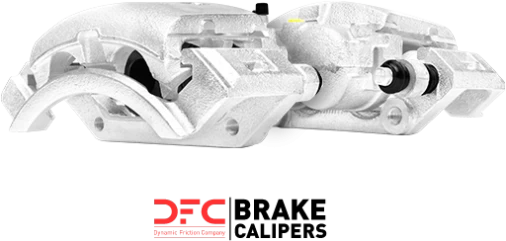
Brake calipers play a critical role in overall brake performance, working together with the brake pads and pistons to slow or stop your vehicle. A brake caliper is responsible for housing the brake pads and pistons, which apply pressure to the brake rotor to slow or stop the vehicle.
When a brake caliper is installed correctly, it can provide optimal braking performance, including improved stopping power, reduced brake fade, and increased safety. However, when a caliper is installed incorrectly, it can lead to reduced braking performance, uneven brake pad wear, and increased risk of accidents. Properly functioning calipers ensure that the braking system operates efficiently, providing the necessary stopping power to keep you and your passengers safe on the road.
Why Choose DFC Newly Manufactured Calipers?
With a catalog of nearly 3,000 SKUs, DFC offers the largest selection of new brake calipers in the industry. Our calipers are designed to address the challenges posed by remanufactured units, including:
No core returns or hidden charges.
Precision-machined components for easier installation.
Corrosion-resistant coatings for durability.
Compatibility with modern technologies like EPB and integral parking brakes.
Additionally, we’ve recently reduced prices by 10.94%, making our calipers more cost-effective than ever. Shops can now enjoy the benefits of new calipers at prices that compete with remanufactured alternatives—without sacrificing quality or performance. DFC calipers are designed for easy and accurate connection to the brake line, ensuring reliable performance.
Upgrade Your Brake System with DFC Calipers
Don’t let the inefficiencies of remanufactured calipers slow your shop down. DFC’s newly manufactured brake calipers provide reliable performance, easier installation, and long-term durability, all while eliminating core returns and other hidden costs.
Contact us today to explore our extensive catalog and discover how DFC calipers can enhance your operations and customer satisfaction.
When managing an auto shop or distributing brake parts, the goal is to provide reliable, cost-effective solutions for your customers. At first glance, remanufactured brake calipers may seem like the most economical choice. They’re readily available and often offer lower upfront costs. However, these perceived savings can quickly disappear when you account for hidden costs related to performance, durability, and installation challenges.
At Dynamic Friction Company (DFC), we believe there’s a better way. Our newly manufactured brake calipers offer a competitive price while delivering superior quality and reliability, making remanufacturing no longer the go-to solution. Here’s why it’s time to rethink your options.
1. Reused Components Lead to Higher Failure Rates
Remanufactured calipers are built using previously used components like pistons, seals, and caliper bodies. Even with cleaning and refurbishment, these parts often retain the wear and tear from their previous use. This can result in:
Inconsistent braking performance.
Increased risk of premature failure.
Higher warranty claim rates that erode customer trust.
Newly manufactured DFC calipers use 100% brand-new components, reducing these risks. Each unit is rigorously tested for pressure, performance, and durability, ensuring reliable braking and fewer returns.
2. Poor Coating Equals Faster Corrosion
Many remanufactured calipers are not treated with high-quality protective coatings, leaving them vulnerable to rust and corrosion—especially in regions with harsh weather or high humidity. Once corrosion sets in, caliper performance deteriorates, reducing both lifespan and safety.
DFC calipers are protected by a premium silver zinc coating that offers superior resistance to corrosion, enhancing durability and long-term reliability.
3. Installation Frustrations Add Costs
Remanufactured calipers often present installation challenges. Common issues like uneven or pitted threads in the caliper port inlets can cause leaks and require additional labor time for technicians. This not only increases costs for your shop but also reduces efficiency, cutting into your bottom line.
DFC’s calipers are built to OEM specifications, ensuring precise fitment and smooth installation. This eliminates time-consuming rework, saving your shop time and money.
4. Warranty and Liability Considerations
Warranty coverage is another key factor to evaluate. Many remanufactured calipers come with limited warranties, and issues related to improper installation or corrosion may not be covered. This can leave shops liable for repairs or replacements.
DFC stands behind our products with comprehensive warranty coverage, giving you and your customers confidence in their performance. By minimizing failure risks, we help protect your reputation and reduce liability concerns.
5. Long-term Expenses of Premature Wear
Choosing cheap or remanufactured calipers can lead to premature wear on other brake components, including pads and rotors. Brake noise, uneven wear, and shortened service life can result, leading to costly repairs and increased maintenance frequency.
DFC calipers are designed to provide consistent braking performance, reducing stress on other components. This means fewer callbacks, improved vehicle safety, and long-term savings for both shops and customers.
Why Choose DFC Brake Calipers?
DFC newly manufactured calipers eliminate the hidden costs and risks associated with remanufactured options. Our calipers are:
Made with all-new components for reliability and performance.
Coated with premium silver zinc to resist corrosion.
Built to OEM standards to ensure proper fit and performance.
Extensively tested to deliver smooth and quiet braking with fewer warranty claims.
By investing in DFC calipers, you can boost customer satisfaction, reduce labor costs, and protect your bottom line with high-quality products designed to last.
Upgrade to DFC Brake Calipers Today
It’s time to move beyond outdated remanufactured solutions. With DFC’s newly manufactured brake calipers, you can provide your customers with superior performance, reduced failure rates, and peace of mind—all at a competitive price.
Reach out to DFC today to learn more about how we’re setting the new standard in brake caliper quality.
In the brake maintenance debate of resurface vs replace rotors, drivers seek cost-effective, safe solutions. This guide simplifies the pros and cons, giving you the information you need to make the right choice for your vehicle.
Key Takeaways
Brake rotors are key parts that help your car stop. They need regular care, and their lifespan depends on the quality of the material, how well they handle heat, the type of brake pads used, and driving conditions.
Resurfacing rotors can improve their performance for a short time, but it might not always be the best choice if it makes the rotors too thin to be safe.
Replacing rotors completely is often a better long-term choice for safety and performance. New rotors last longer, need fewer repairs, and may come with a warranty.
Understanding Brake Rotors and Their Role in Your Braking System
Brake rotors are hidden behind your car’s wheels and are very important for stopping your car. When you press the brake pedal, it makes the brake pads press against the rotors. These rotors are big discs that change the car’s moving energy into heat through friction. This process is crucial for stopping your car and needs a good braking system. Keeping this system in good shape includes changing worn-out brake pads on time for the best performance.
The lifespan of these important parts can vary a lot because of:
The quality of material used
How well they get rid of heat
The type of brake pads used
Your driving style and conditions
Under normal conditions, rotors usually last between 30,000 and 80,000 miles. They need regular care to work well and keep your car safe. Ignoring maintenance or exposing them to tough conditions can cause uneven surfaces on the rotors, which can affect how well they work with the brake pads and reduce your car’s stopping power.
It’s important to think about not just when, but also how you replace parts in your car’s braking system. Wear and heat damage affect both brake pads and rotors. Replacing them on time helps keep a good friction level between the pad and rotor, ensuring your car can stop effectively.
The Brake Rotor Resurfacing Process Explained
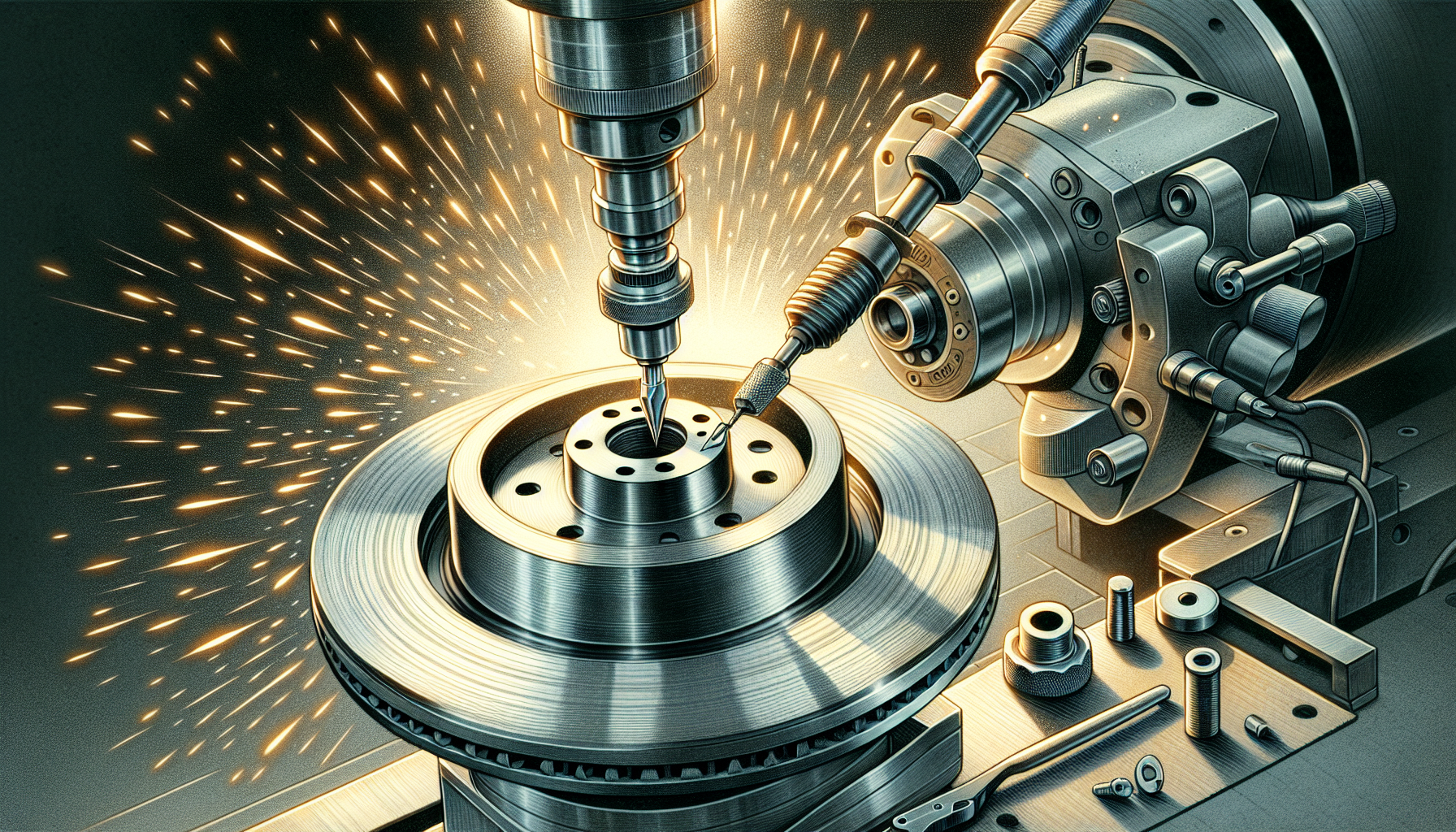
The process of resurfacing rotors essentially refreshes them. By using a machine to smooth out the rotor surface and fix any thickness differences, this operation gets the rotors ready for new brake pads. Think of it as a detailed cleaning service where your car’s rotors are made smooth and even again using a special tool called a brake lathe. When you get your rotors resurfaced, you’re improving both the performance and lifespan of your braking system.
While not a permanent fix, this method offers a temporary solution to extend the life and efficiency of your vehicle’s braking parts.
What Tools Are Used?
During a brake job, the most important tool used for resurfacing is the brake lathe. This precise machine carefully removes extra material from the rotors. This ensures that when the rotors are put back on the car, their surface is as smooth and even as a freshly cleaned ice rink.
Duration of Resurfacing vs. Replacement
Urgency is key. Resurfacing might seem like the gentler method, but it’s not the fastest – taking about 15 to 30 minutes for each rotor. On the other hand, replacing them can be like a quick pit stop, letting you get back on the road faster.
When to Consider Resurfacing Your Brake Rotors
Resurfacing should only be considered when there is enough material left on the rotors to keep them thick enough for safe braking. Just like you wouldn’t wear a sweater that’s too thin in the winter, your rotors shouldn’t be resurfaced if it would make them too thin to be safe.
On the other hand, if your rotors don’t have deep grooves or warping and are still above their wear limit, they might be good candidates for resurfacing. This is especially true if you notice uneven wear on the rotors or feel vibrations when pressing the brake pedal.
The Costs: Resurfacing vs. New Brake Rotor Replacement
Choosing to resurface (smooth out) your rotors might seem cheaper than buying new ones. However, before you count the savings, remember that the costs for resurfacing might be higher than getting new ones when you add in labor costs and the time your car will be in the shop.
Time is valuable. Resurfacing takes a lot of time for your mechanic to finish and can add up, making replacing the rotors a more affordable option when you consider everything.
Replacing Brake Rotors: A Long-Term Investment?
Choosing new brake pads isn’t just a regular purchase. It’s an investment in the long-term safety and performance of your car. When you install new brake pads, they work perfectly with your brake rotors, ensuring they stay thick and even. Many new rotors come with warranties, giving you extra peace of mind. Replacing brake pads on time can also improve your car’s braking performance.
Although replacing rotors might cost more initially compared to resurfacing, it often saves money in the long run because new rotors last longer and need fewer repairs.
Signs That You Should Replace Rather Than Resurface Rotors
You should replace your rotors instead of resurfacing them if there are clear signs of damage. If you see cracks or notice that the rotors are warped, it’s time for new ones.
Severe rust or deep grooves that can’t be smoothed out are also reasons to replace rotors, especially if they are close to the minimum thickness allowed. Any damage from rust or loose lug nuts can make your braking system less effective, so replacing the rotors is the safest option.
How Driving Style Influences Rotor Wear and Maintenance Choices
The way you drive affects how long your brake rotors last. If you often speed up quickly and brake hard, your rotors will wear out faster. This can cause them to overheat and warp, meaning you’ll need to replace them sooner.
On the other hand, if you drive more gently—accelerating slowly and braking smoothly—your brake system will last longer. This careful driving can delay the need for rotor maintenance.
The Impact of Vehicle Specifications on Rotor Maintenance
Your vehicle’s design plays a big role in how you should take care of your brake rotors. There are different types of rotors, each made for specific vehicles and driving conditions.
Sports cars or high-performance vehicles often use vented rotors. These rotors have spaces that help get rid of heat, which is important when driving fast and braking hard.
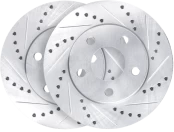
Slotted rotors have grooves on their surface. These grooves help improve braking by letting gases and dirt escape.
Drilled rotors have holes in them. These holes help improve braking by releasing gases, removing dirt, and reducing heat.
Standard passenger cars usually have solid rotors. These are the simplest type of rotors.
Choosing the right material for your rotors, like cast iron, carbon-ceramic, or stainless steel, is also important because each material affects how long the rotors last and how well they perform in different conditions.
If your vehicle has an anti-lock braking system, it can affect whether you should resurface or replace your brake rotors.
Professional Opinion: Why Mechanics Might Recommend Rotor Replacement
When it comes to brake maintenance, a mechanic’s advice is very important. Mechanics often recommend replacing rotors instead of resurfacing them for safety reasons. Some rotors are made very thin, so even a little wear can make them less effective. In these cases, installing new rotors is necessary to keep your car working well.
Listening to your mechanic when they suggest replacing your rotors can help ensure your car stays safe and reliable.
Summary
In the grand scheme of automotive care, the decision to resurface or replace rotors is not one to be taken lightly. It’s a balance of cost, convenience, and most critically, safety. Whether you opt for the restoration of resurfacing or the renewal of replacement, ensure your choice is informed by the condition of your rotors, your driving habits, and the specifications of your vehicle. Remember, what you decide today will echo in the stopping power of every trip you take.
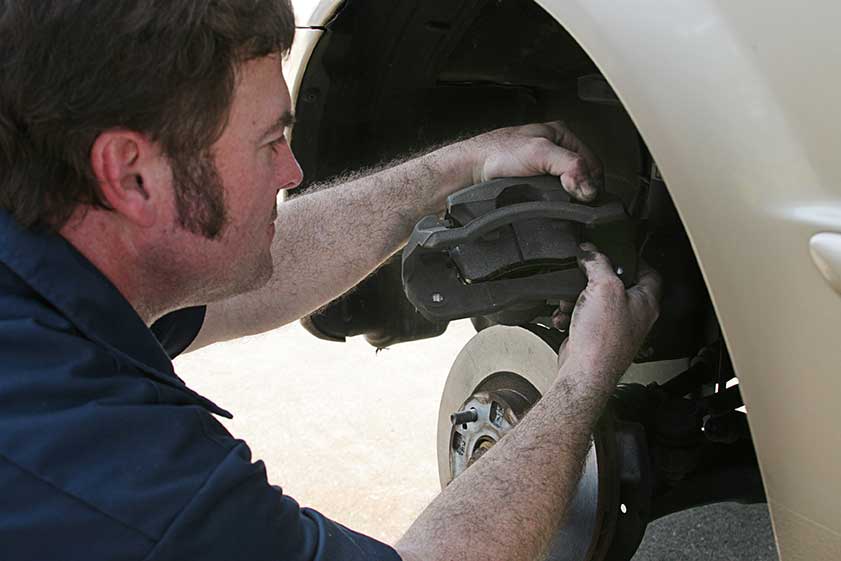
So it’s time to change your brakes…what could possibly go wrong? We know you’re an expert and you know what you’re doing (wink wink), but there are a few common mistakes to avoid when replacing your brakes. Below you’ll find the top 3 mistakes that people (not you) usually make during a brake replacement. Check them out.
1. Forgetting to clean the rotor mating surfaces
We can’t stress this enough. It’s very important that the hub mating surface that your rotor is being applied to is 100% clean. And we mean clean. This means you need to get all the gunk, grime and rust off before you apply your rotors. Heads up: you may have to roll up your sleeves for this one but a simple wire brush will do the trick.
2. Putting wayyyy too much lubricant
Here’s a shocking fact (don’t tell anyone we told you). None of the 50 million cars produced each year leave the factory with grease on the abutments. None. Not even one. Why don’t they lube it? Well…they do this to avoid the grit and grime in the surrounding area from mixing up with the grease. That being said, there are a lot of people who swear by putting grease on the abutments. If you are one of those, make sure you apply the absolute minimum.
Oh! One last thing. It’s very important you don’t put grease on the back of the brake pad. The grease that manufacturers include in your brake set is only meant to be applied on the edges of the pad mounting tabs.
3. Forgetting to make sure that the sliding calipers are clean
Take the bracket off from the body of the caliper and make sure that the guide pins are clean and properly lubricated. If the caliper can’t clamp down or retract properly, you’re opening yourself up to potential brake problems. And you don’t need those kinds of problems in your life.
Dino Crescentini, Co-Founder of DFC, shares his top 3 mistakes to avoid when changing brakes.
Conclusion
The last thing you want is to be cruising down the boulevard and suddenly find that you can’t brake properly. As you know, you can’t parachute out of a car. We encourage you to take note of these potential mistakes when replacing your brakes. Not doing so may result in uneven braking, increased wear and tear, and poor performance. Don’t worry, we got your back.

 UNITED STATES