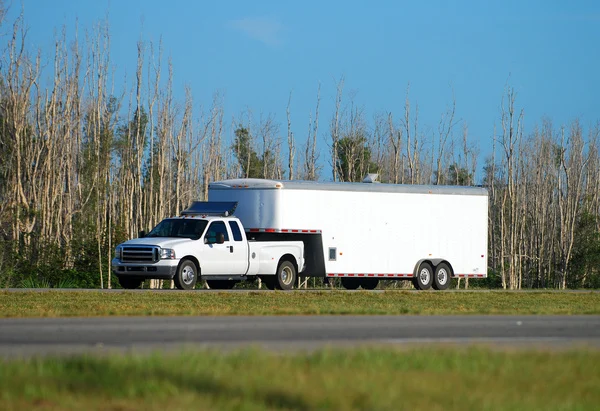
Towing Safety: Best Practices for Braking Downhill

DFC Blog

Stay in Control on Every Descent

Towing heavy loads downhill poses a serious challenge—even for experienced drivers. One of the greatest risks is brake fade, a condition where braking effectiveness decreases due to heat buildup during prolonged or repeated braking. Without proper technique and high-performance components, this can lead to dangerously long stopping distances and increased wear on your brake system.

Whether you’re hauling a trailer, camper, or heavy-duty equipment, the following best practices will help you brake safely, extend component life, and maintain full control on steep descents.


1. Know Your Braking System

Before every trip, confirm that your vehicle and trailer braking systems are fully functional. Don’t overlook any component—especially when towing under load.

Key Safety Checks:

  • Inspect brake pads and rotors for wear or glazing
  • Check brake fluid levels and quality
  • Test the trailer brake controller and emergency braking system
  • Confirm your vehicle’s integrated braking systems (ABS, stability control) are functioning properly

2. Perform a Pre-Trip Inspection

A thorough pre-trip inspection ensures reliability and performance throughout your towing journey. Focus especially on the braking and suspension systems.

Critical Items to Inspect:

  • Brake System: Pads, fluid levels, brake lines, calipers or drums
  • Trailer Brakes: Check controller settings and trailer brake pad wear
  • Tires: Ensure proper inflation on both tow vehicle and trailer
  • Suspension & Steering: Look for alignment issues, looseness, or wear
  • Parking Brake: Confirm it’s holding properly, especially on inclines
  • Engine Braking Systems: Verify operation for added downhill control

3. Downshift to Lower Gears

Let your engine help do the braking. Downshifting reduces reliance on the brakes and helps control speed on long downhill grades.

When to Downshift:

  • Long, sustained descents
  • Approaching curves or intersections
  • Anytime braking power needs to be supplemented

This technique minimizes brake fade and extends pad and rotor life.


4. Use Pulse Braking—Avoid Riding the Brakes

One of the most common (and dangerous) mistakes when descending is riding the brakes—a sure path to overheating and brake fade. Instead, use controlled “pulse braking.”

How to Apply Pulse Braking:

  1. Apply steady, firm brake pressure for a few seconds.
  2. Release to allow the brakes to cool.
  3. Repeat as needed to control speed.

This method gives brakes time to dissipate heat while maintaining control.


5. Balance Your Load Correctly

An unbalanced load increases brake strain and reduces vehicle stability—especially on downhill slopes.

Best Practices:

  • Maintain 10–15% tongue weight on trailers
  • Load heavier items toward the front of the trailer
  • Use tie-downs to prevent shifting during descent

A well-distributed load improves braking response and reduces sway.


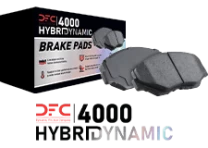
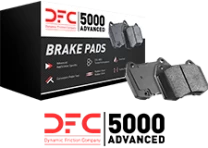
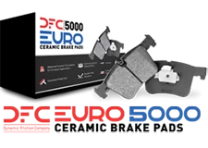
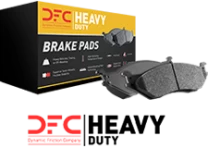
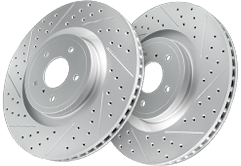
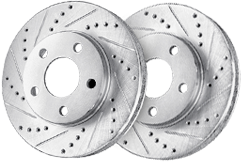
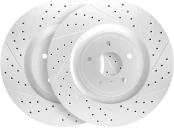
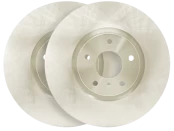
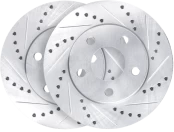
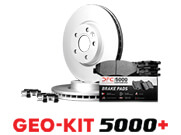
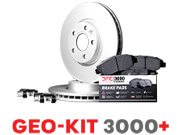
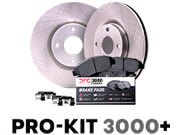
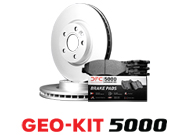
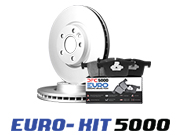
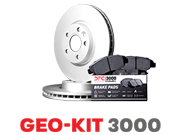
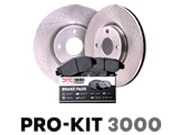
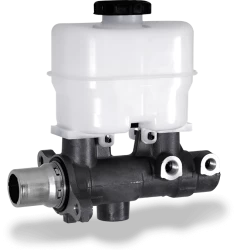
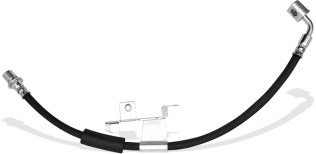
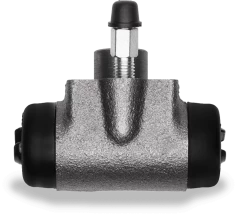
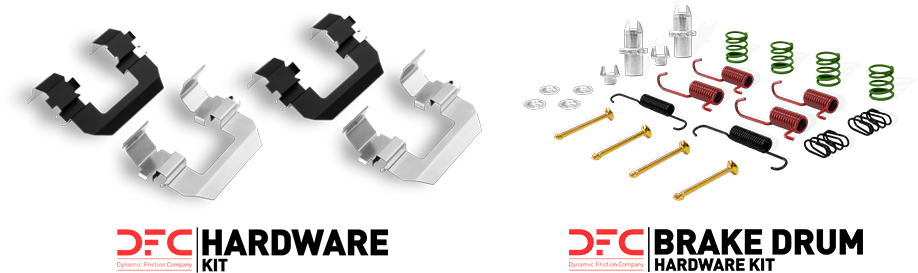
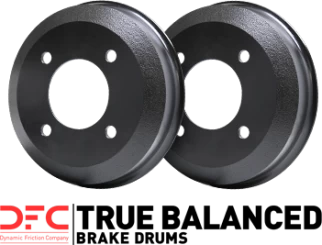
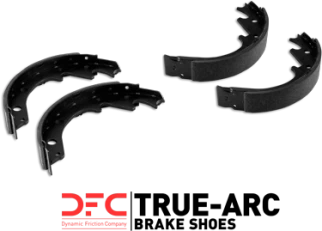
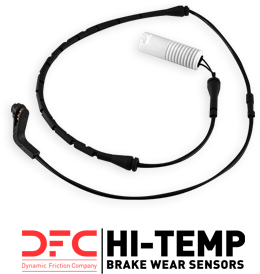
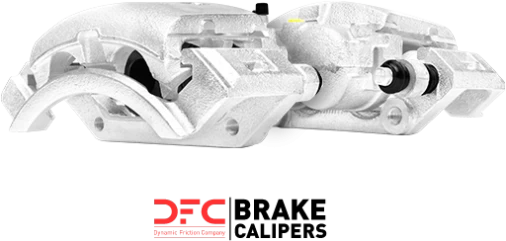
6. Upgrade to DFC Heavy-Duty Brake Components

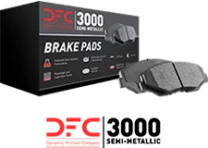
Standard brake systems often fall short under the demands of towing. DFC performance brake components are engineered specifically for heavy loads and extended use.

Recommended Towing Upgrades:

🛠️ Trusted by fleet operators and performance-focused shops alike, DFC braking solutions are built to withstand punishing conditions while maintaining safety and control.


7. Maintain a Safe Following Distance

Towing increases braking distance—sometimes dramatically. Maintain at least 5–6 seconds of space between your vehicle and the one ahead to allow for safe, gradual braking.


8. Use Trailer Brakes Effectively

Proper use of trailer brakes improves control and prevents trailer sway during descent.

Tips:

  • Adjust the gain setting on your electric brake controller
  • Test brake response before hitting a long grade
  • Manually activate trailer brakes to help reduce sway, if needed

9. Plan Routes and Avoid Dangerous Grades

Use GPS tools or trucker apps to map out routes that avoid excessive downgrades, especially when towing at or near capacity. When unavoidable, ensure your vehicle and brakes are ready for the challenge.

Final Thoughts

Braking downhill while towing requires the right equipment, technique, and preparation. From pre-trip checks to gear selection and load balancing, every step contributes to a safer, more controlled descent.

For maximum confidence on the road, equip your vehicle with DFC’s high-performance towing brake components—engineered for durability, temperature resistance, and stopping power you can count on.

The Best Brake Pads for Towing Heavy Trailers: A Comprehensive Guide

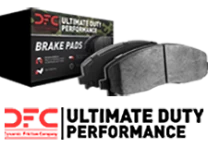
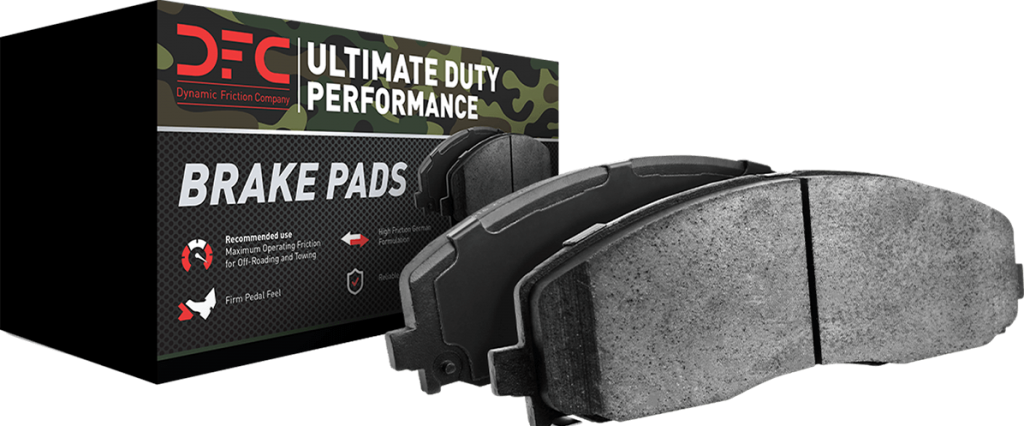
When it comes to towing heavy trailers, your vehicle’s braking system is the unsung hero. Hauling hefty loads demands brake pads that offer exceptional performance, reliability, and durability under extreme conditions. DFC’s Ultimate Duty Performance Pads are designed to meet these challenges head-on, combining advanced materials and cutting-edge technology. Here’s why these pads are the ideal solution for heavy-duty towing.

What Makes Towing So Tough on Brakes?

Towing trailers—especially on steep grades or over long distances—significantly increases the stress on your braking system. Towing heavy loads can affect the brake pedal response, leading to increased stopping distances. Standard brake pads, while suitable for everyday use, can fall short when exposed to:

  • High temperatures: Generated by repeated braking.
  • Increased wear: From stopping heavy loads.
  • Noise and vibration: Common with high-performance brake pads.

Choosing the Right Brake Pads for Towing

When it comes to towing, choosing the right brake pads is crucial for safe and reliable braking performance. The best brake pads for towing are designed to handle the increased weight and stress of heavy loads. Look for brake pads made from high-quality materials, such as ceramic or semi-metallic compounds, which provide excellent heat dissipation and resistance to brake fade. Ceramic brake pads are particularly known for their ability to manage extreme heat, ensuring consistent stopping power even under heavy loads. Semi-metallic brake pads, on the other hand, offer a good balance of heat dissipation and friction, making them suitable for frequent stopping and carrying heavy loads.

Additionally, consider brake pads with premium stainless steel hardware for added durability and corrosion resistance. This ensures that your brake pads remain reliable and effective, even in harsh conditions. By choosing the right brake pads, you can enhance your vehicle’s braking performance and ensure a safer towing experience.

The Five-Year Journey to Perfection

Developing the Ultimate Duty Performance Pads was no small feat. The design process spanned five years, involving extensive testing to balance four critical factors and ensure improved brake performance, especially when towing or hauling heavy loads:

  1. Cold performance: Immediate stopping power, even in low temperatures.
  2. Heat resistance: Consistent performance under extreme heat.
  3. Durability: Long pad life and minimal rotor wear.
  4. Quiet operation: Minimal noise, even under demanding conditions.

The result is a hybrid formulation combining low metallic and ceramic materials, ensuring maximum effectiveness without compromising on comfort or longevity.

Key Features and Types of Brake Pads

There are several types of brake pads available, each with its own unique features and benefits. Some common types of brake pads include:

  • Ceramic brake pads: Known for their excellent heat dissipation and resistance to brake fade, ceramic brake pads are a popular choice for towing applications. They provide consistent braking performance and generate less brake dust, keeping your wheels cleaner.
  • Semi-metallic brake pads: These brake pads offer a good balance of heat dissipation and friction, making them suitable for frequent stopping and heavy loads. They are durable and provide strong stopping power, making them ideal for towing.
  • Low-dust brake pads: Designed to minimize brake dust accumulation, these brake pads are a good choice for drivers who prioritize cleanliness and reduced maintenance. They help keep your wheels looking clean while still providing reliable braking performance.

When selecting brake pads, consider the following key features:

  • Rotor compatibility: Ensure that the brake pads are compatible with your vehicle’s rotors to ensure optimal braking performance. Mismatched pads and rotors can lead to reduced effectiveness and increased wear.
  • Heat dissipation: Look for brake pads with advanced heat dissipation technology to prevent brake fade and maintain stopping power. This is especially important when towing heavy loads over long distances.
  • Friction: Choose brake pads with the right level of friction for your towing needs, taking into account factors such as load weight and driving conditions. The right friction level ensures that your vehicle can stop effectively under various conditions.

Why Ultimate Duty Pads Are Perfect for Towing

When towing an 8,000-pound load uphill or navigating an 8% downhill grade, these pads excel by delivering: These pads are specifically designed for a tow vehicle, enhancing performance and safety.

  • Fade resistance: No performance drop, even after prolonged braking.
  • Enhanced pedal feel: Firm and responsive for confidence on the road.
  • Versatility: Suitable for both everyday driving and high-stress towing situations.

Real-World Testing Results for Brake Performance

During rigorous field tests, including heavy towing on steep grades, these pads showed no noise, minimal wear, and flawless stopping power. For towing purposes, it is crucial to upgrade a truck’s brakes to ensure safety and performance. We recommend a Performance Brake Upgrade Kit that enhances brake performance and torque for heavier loads. Even when brakes were pushed to their limits, there was no fade or performance drop-off.

Upgrading and Maintaining Your Brakes

Upgrading and maintaining your brakes is essential for safe and reliable towing. Here are some tips to keep in mind:

  • Replace rotors: If your rotors are worn or warped, consider replacing them with slotted rotors. Slotted rotors provide improved heat dissipation and braking performance, which is crucial when towing heavy loads.
  • Upgrade brake pads: Consider upgrading to high-performance brake pads, such as ceramic or semi-metallic compounds. These materials offer improved heat dissipation and resistance to brake fade, ensuring consistent braking performance under extreme conditions.
  • Regular maintenance: Regularly inspect and maintain your brakes to ensure optimal performance and prevent premature wear. This includes checking the brake pads, rotors, and brake fluid levels. Regular maintenance helps identify potential issues before they become major problems, ensuring your brakes remain reliable and effective.

Installation and Break-In Tips

Proper installation and break-in of your brake pads and rotors is crucial for optimal performance and longevity. Here are some tips to keep in mind:

  • Follow manufacturer instructions: Always follow the manufacturer’s instructions for installation and break-in procedures. This ensures that the brake pads and rotors are installed correctly and perform as intended.
  • Thermal scorched brake pads: Consider using thermal scorched brake pads, which are designed to help with the break-in process. These pads provide improved braking performance right from the start, reducing the time needed for the break-in period.
  • Proper bedding: Properly bed your brake pads and rotors to ensure optimal performance and prevent premature wear. Bedding involves a series of controlled stops to gradually heat up and cool down the brake pads and rotors, allowing them to form a proper mating surface. This process helps maximize braking performance and extends the life of your brake components.

By following these tips, you can ensure that your brake pads and rotors are installed correctly and perform at their best, providing reliable stopping power for your towing needs.

Everyday Use with Heavy-Duty Benefits for Heavy Loads

What sets the Ultimate Duty Performance Pads apart is their ability to transition seamlessly between towing and everyday driving. Unlike pads that cater solely to high-performance applications, these deliver quiet and smooth stops during daily commutes while being ready to handle the heaviest loads at a moment’s notice.

The Ultimate Choice for Heavy Haulers

If you’re regularly towing heavy trailers or own a lifted truck with oversized wheels, upgrading to DFC Ultimate Duty Performance Pads can transform your driving experience. These pads deliver confidence, safety, and superior braking performance, ensuring you’re always in control.

DFC Presents: The Best Brake Pads for Hauling Heavy Trailers!

DFC Friction Friday
DFC Blog
DFC Ultimate Duty Performance Brake Pads

Dino Crescentini and Daniel Biezonsky get into the specific hidden features of the Ultimate Duty Performance Brake Pads. They explain the nuances in testing this product over a 5 year span before releasing it to the market. Getting the friction formulation right for the intended use case of the brake pads took considerable R&D. The result, strikes a perfect balance for towing heavy loads and trailers, but also performs on every day use. 

Be ready for anything and anywhere. Designed for the Ultimate Trucks and SUVs with larger wheels or tires, and modified suspension. DFC Ultimate Duty Performance Brake Pads deliver exceptional braking performance in any condition. These pads are exclusively engineered and formulated to withstand extreme heat, heavy duty operation, frequent stopping, off-roading, or towing.


DFC logo