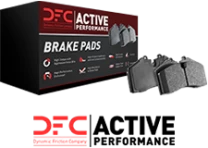
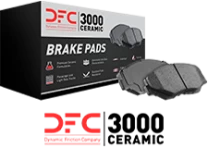
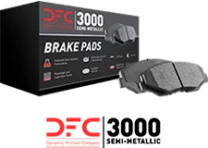
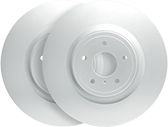
The DFC team had an incredible week at AAPEX 2025 in Las Vegas. We connected with shop owners, technicians, and distributors to share how we’re addressing real challenges with smart, application-specific braking solutions.
Here are the key highlights from the show.
Solving Brake Noise in European Applications
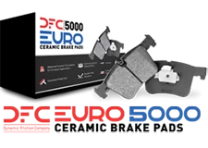
Noise issues in high-end European vehicles continue to be one of the most frequent complaints technicians face. At AAPEX, we spotlighted our Euro 5000 brake pads, engineered specifically for luxury imports like Mercedes-Benz and Range Rover.
These pads are designed to reduce dust and eliminate the high-frequency noise often associated with these platforms. More importantly, they maintain OE-level performance without compromise.
Whether it’s the S-Class, Range Rover, or other noise-prone European applications, the Euro 5000 series delivers the look, fit, and feel expected from a premium pad without the high price or the noise.
Police-Specific Brake Pads
Another major talking point at the show was our police-specific product line. These brake pads are formulated specifically for vehicles equipped with law enforcement packages, including:
Chevy Tahoe
Ford Explorer
Dodge Durango
They’re built to meet the unique demands of police fleets, offering durability and performance under high-load, high-pressure braking conditions. DFC’s line of police brake solutions provides true OE-level performance you won’t find elsewhere in the aftermarket.
Built for Fit, Feel, and Function
Throughout the booth, our focus was clear: deliver products that solve real problems without sacrificing performance. Whether it’s Euro applications or specialized fleet use, DFC is committed to providing the look, fit, feel, and function professionals expect, backed by engineering and OE-level standards.
Looking Ahead
AAPEX 2025 gave us a chance to share how DFC continues to push the industry forward—through smart tools, tailored solutions, and a focus on what truly matters to technicians and distributors. If you’re interested in learning more about what you saw at the show, reach out to your DFC representative for details.
The rise of electric cars and electric vehicles (EVs) is reshaping the automotive industry, and braking systems are no exception. Traditional friction-based brakes are giving way to innovative designs, improving efficiency, longevity, and performance. Mechanics and auto industry professionals must understand these advancements to stay ahead of the curve.
1. Introduction to Electric Vehicle Braking Systems
Electric vehicle braking systems are designed to provide safe and efficient stopping power while also recovering kinetic energy and converting it into electrical energy. These systems are a crucial component of electric vehicles, as they enable the recovery of energy that would otherwise be lost as heat during braking. Electric vehicle braking systems typically consist of a combination of regenerative braking and traditional friction braking. Regenerative braking uses the electric motor to capture kinetic energy and convert it into electrical energy, which is then stored in the vehicle’s battery. Traditional friction braking uses brake pads and rotors to slow the vehicle down. The combination of these two braking systems allows electric vehicles to achieve improved energy efficiency and reduced wear on brake components.
Regenerative Braking: A Game Changer in Kinetic Energy Recovery
One of the biggest changes in electric vehicle brake design is regenerative braking. Unlike conventional brakes, the brake system in electric vehicles incorporates regen braking to slow the vehicle by converting kinetic energy into electricity, which is then stored in the battery.
Benefits of Regenerative Braking:
✔ Reduces brake wear by minimizing friction brake usage through the regenerative braking system ✔ Improves energy efficiency and extends driving range ✔ Enhances vehicle control through smoother deceleration
What This Means for Mechanics:
🔧 Unlike traditional brake pads, EV brake pads and rotors last significantly longer, requiring fewer replacements.
🔧 Less wear means fewer brake dust emissions, making EVs more environmentally friendly.
🔧 Shops must adapt maintenance strategies, focusing on brake lubrication and caliper service instead of frequent pad replacements.
3. Types of Brakes Used in Electric Vehicles
Electric vehicles use a variety of brake types, including regenerative brakes, friction brakes, and electrohydraulic brakes. Regenerative brakes are the primary braking system used in electric vehicles, as they capture kinetic energy and convert it into electrical energy. Friction brakes are used in conjunction with regenerative brakes to provide additional stopping power when needed. Electrohydraulic brakes are used in some electric vehicles to provide a balance between regenerative and friction braking. These brakes use an electric motor to control the hydraulic system that applies pressure to the brake pads.
2. Lighter Brake Components for Efficiency
Since EVs are heavier than gas-powered cars due to large battery packs, manufacturers are turning to lighter brake materials like metallic brake pads, which are known for their superior heat dissipation and suitability for high-performance driving, to improve efficiency.
New Innovations in EV Brake Materials:
🚗 Carbon-ceramic rotors – Lighter and more durable than traditional cast iron 🚗 Aluminum brake calipers – Reduce weight while maintaining strength 🚗 Advanced coatings – Protect brake surfaces from rust due to infrequent use
Why This Matters: Lighter materials reduce unsprung weight, leading to better handling and longer range. Additionally, these innovations enhance the conversion of kinetic energy into mechanical energy during regenerative braking, improving overall energy efficiency.
3. Shift Towards Rear Drum Brakes in EVs
Surprisingly, some EV manufacturers (such Volkswagen) are reintroducing rear drum brakes as part of their brake systems. While drum brakes were largely phased out in favor of disc brakes, EVs are bringing them back for efficiency.
Why Some EVs Use Rear Drum Brakes:
✔ Less brake dust – Drums are enclosed, reducing emissions ✔ Lower maintenance – Less exposure to debris and moisture ✔ Better for regenerative braking – Vehicle manufacturers are focusing on the efficiency of regenerative braking systems to enhance energy recovery from braking in hybrid and electric vehicles. Drums complement regen braking systems
The Impact of Reduced Brake Use on Brake Pads Maintenance
Because the brake pedal in EVs is used less frequently, mechanics must rethink traditional maintenance schedules. The biggest challenges include:
🛠 Corrosion and rust buildup – Less frequent use means moisture can accumulate on rotors. 🛠 Seized calipers – Without regular actuation, caliper pistons can stick. 🛠 Brake fluid contamination – EVs still require periodic fluid changes to maintain hydraulic system integrity.
Best Practices for EV Brake Maintenance:
✅ Perform regular inspections to check for rust buildup and ensure optimal recovery of initial kinetic energy during braking events.
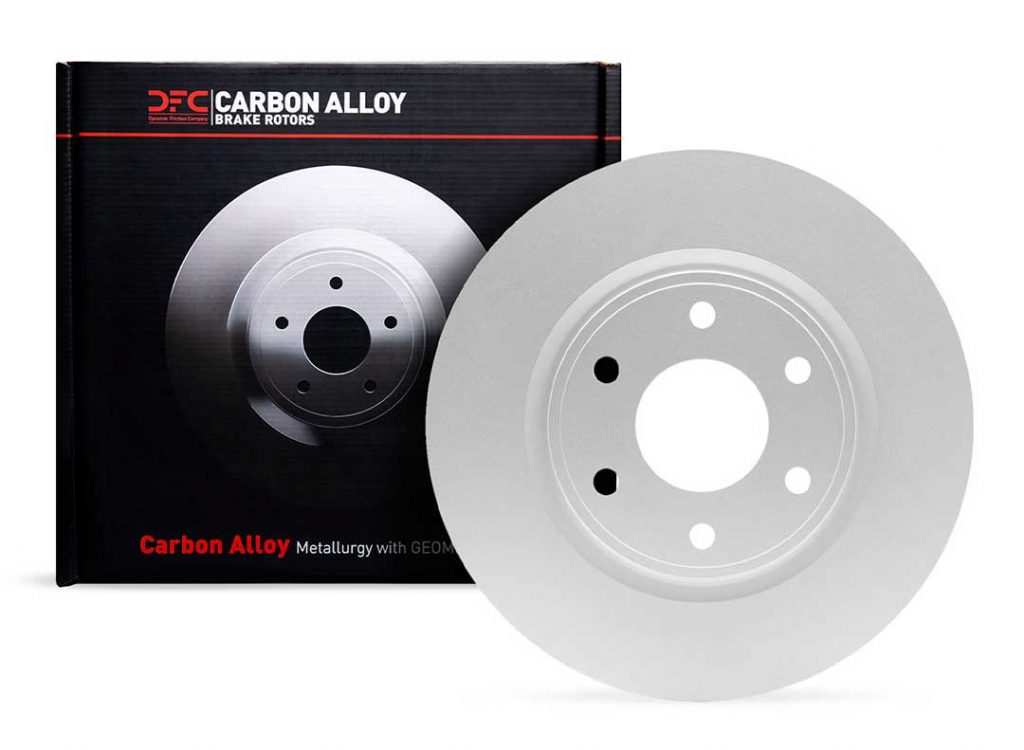
✅ Use coated rotors like DFC GeoSpec Coated Brake Rotors to resist corrosion.
✅ Lubricate caliper slides to prevent sticking.
7. Electric Vehicle Braking Systems and Energy Efficiency
Electric vehicle braking systems are designed to provide improved energy efficiency by recovering kinetic energy and converting it into electrical energy. Regenerative braking is a key component of electric vehicle braking systems, as it captures kinetic energy and converts it into electrical energy. This energy is then stored in the vehicle’s battery and can be used to power the vehicle’s electrical systems. Electric vehicle braking systems can achieve energy efficiency of up to 70% or more, depending on the vehicle and driving conditions. This is significantly higher than traditional friction braking systems, which typically achieve energy efficiency of around 10-20%. The improved energy efficiency of electric vehicle braking systems can lead to increased driving range and reduced energy consumption.
5. The Future of Brake-by-Wire Technology
EVs are pushing the industry toward brake-by-wire systems, which replace traditional hydraulic systems with electronic controls and leverage electric motors for regenerative braking. This technology offers:
🔹 Faster response times for improved safety 🔹 Adjustable braking feel to optimize performance 🔹 Reduced weight and complexity compared to hydraulic systems
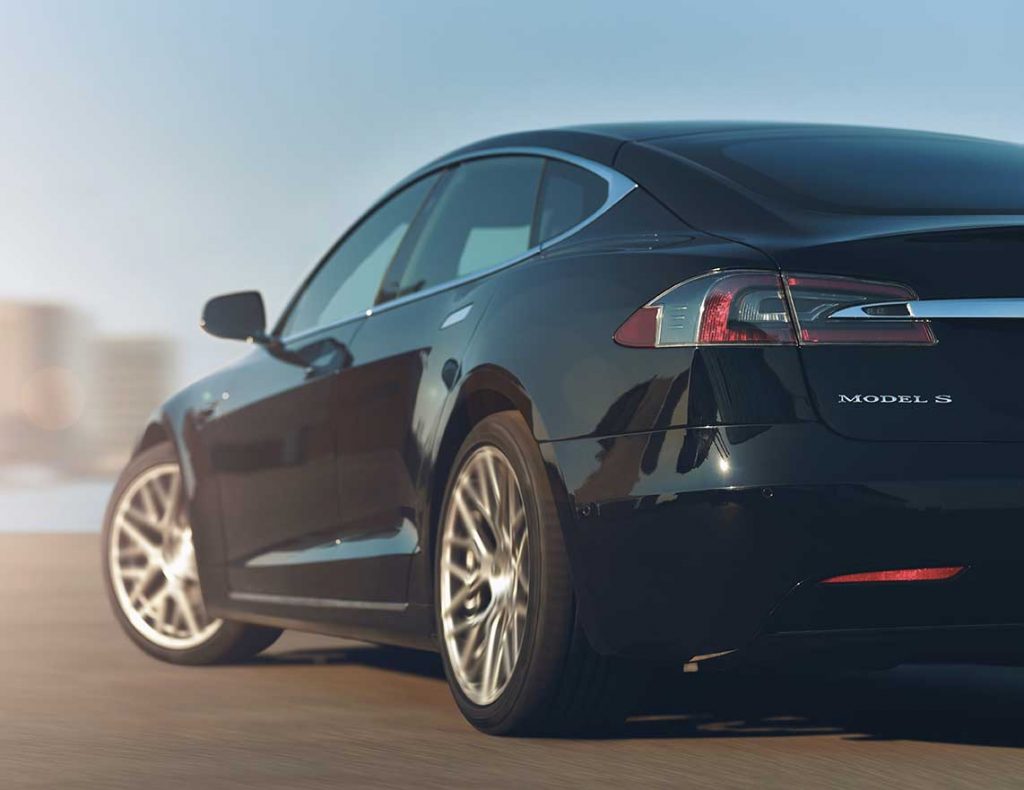
Some EVs, like the Tesla Model S Plaid, are already experimenting with fully electronic braking systems.
Final Thoughts
Electric vehicle brake design, compared to traditional brakes, is evolving rapidly, reducing maintenance needs, increasing efficiency, and introducing new materials. As EV adoption grows, mechanics and parts distributors must stay informed on these changes.
For brake parts designed for modern vehicles, check out DFC’s high-performance brake solutions—engineered for durability, efficiency, and cutting-edge braking technology.
We are thrilled to announce the launch of our revamped Dynamic Friction Company (DFC) website, now live and better than ever! As your trusted source for premium automotive brake systems, we’ve designed our new website with one goal in mind: making it easier and faster for you to find the brake products you need. Whether you’re a daily driver, a performance enthusiast, or managing a fleet, we have everything you need, just a few clicks away.
What’s New?
Our new website offers a seamless, user-friendly experience to help you find the right brake parts for any vehicle. Here’s a glimpse of what you can expect:
At DFC, we know how crucial it is to find the exact parts that fit your vehicle. With our upgraded “Select Your Vehicle” tool, searching for the right brake pads, rotors, or complete brake kits is easier than ever. Simply enter your vehicle’s year, make, and model, and we’ll guide you to the right products in seconds.
2. Streamlined Categories for Easy Browsing
We’ve restructured our product categories, so you can effortlessly navigate through our extensive catalog. Whether you’re looking for high-performance carbon alloy rotors or advanced brake pads, our website makes sure you find what you need without the hassle.
3. Cutting-Edge Brake Products
DFC is committed to providing Original Equipment (OE) quality performance for every vehicle on the road. Explore our signature products, such as:
We’ve added an expansive video library packed with tutorials, product spotlights, and real-world demonstrations to help you maximize braking performance. From our “60 to 0” video series for braking tips to in-depth tutorials on our DFC Heavy Duty pads, there’s something for everyone.
5. Expert Support and Innovation
At DFC, innovation, quality, and customer satisfaction are our top priorities. Our updated website reflects this commitment by providing you with the tools and information you need to make the best choices for your vehicle.
With the new website, DFC continues to set the standard for quality and innovation in the automotive brake industry. Ready to get started? Dive in today and enjoy a faster, easier, and more intuitive way to shop for all your braking needs.
R1 Concepts and Dynamic Friction Company, leaders in the automotive braking industry, are excited to announce the acquisition of a new 300,000 square foot facility in Carson, California, as part of their ongoing expansion efforts. This new location marks a significant milestone in the companies’ 20th anniversary year, underscoring their commitment to massive growth and operational excellence.
The new building, which will be the fourth location for R1 Concepts and Dynamic Friction Company, represents a major step forward in enhancing efficiency and increasing inventory capacity. The goal is to combine operations from two existing locations into this expansive new facility, tripling the companies’ size and streamlining processes to better serve their growing customer base.
“We’re thrilled about this new chapter in our companies’ growth,” said Dan N., CEO of R1 Concepts and Dynamic Friction Company. “This facility is not only a testament to our past success but a crucial investment in our future. It will allow us to operate more efficiently, expand our inventory, and ultimately deliver even better service to our customers.”
In celebration of this milestone, R1 Concepts and Dynamic Friction Company is sharing drone footage, videos, and photos of the new facility, showcasing its impressive scale and potential. The companies plan to begin operations in the new space by the end of the year with a gradual roll-in to ensure a smooth transition.
As R1 Concepts and Dynamic Friction Company continue to grow, this expansion highlights their dedication to innovation and excellence, paving the way for continued success in the years to come.
Photos of the New Space
About Dynamic Friction Company (DFC)
Established in 2016, Dynamic Friction Company (DFC) has quickly risen to become a premier manufacturer and wholesaler of replacement automotive brake products. DFC is renowned for producing industry-leading components such as rotors, pads, drums, shoes, sensors, and calipers, all designed to deliver superior performance and reliability. DFC has been recognized with the prestigious FMSI Award, reflecting its commitment to excellence and innovation. Partnering with original equipment (OE) manufacturers from around the world—including top-tier suppliers in China, Korea, Japan, Mexico, and Canada—DFC supplies its award-winning products to warehouse distributors worldwide, cementing its reputation as a trusted name in the automotive braking industry.
The automotive industry is changing with the introduction of electric brakes in cars. These new brakes use electricity and offer better safety and efficiency than old braking systems. This article will explain how electric brakes work, their benefits, and why more car manufacturers are choosing them.
Key Takeaways
Electric brakes, utilizing electrical signals and magnetism instead of hydraulic pressure, offer a reliable braking experience with enhanced performance, efficiency, and environmental benefits.
Regenerative braking systems in electric vehicles convert kinetic energy into electricity, reducing wear on brake components and improving overall energy efficiency, while brake-by-wire technology removes physical linkage, favoring electronic control for precision.
Despite the advantages of electric braking systems, drivers need to adjust to the different pedal feel, and the increased system complexity may lead to higher maintenance requirements and more complex accident analysis.
Decoding Electric Brakes: The Shift from Hydraulic to Electrical Systems
The time when hydraulic systems were the only way to slow down cars is over. Now, we have electric brake technology. These new brakes use electricity and magnetic forces to create resistance that can slow down or stop a car. This change is a big leap in how brakes work, moving away from traditional hydraulic brakes.
The move to electric brakes comes with many benefits for the car industry. As cars keep getting better and more advanced, these benefits are too important to ignore. That’s why we see more and more vehicles, including electric and gas-powered ones, using electric brakes.
The Mechanics of Electric Braking
When you press the brake pedal in a car with electric brakes, a series of well-designed actions starts. Electric brakes use electric signals to command actuators. These actuators apply the right amount of force to the brake pads and discs, slowing down the car. This system avoids the risk of leaks from hydraulic fluid and is more reliable.
Here are the main parts of this system:
Sensors that check how hard the pedal is pressed and the car’s movement
Control modules that understand the sensor data
Control units that decide the right amount of force needed to slow down or stop the car
Actuators that receive instructions from the control units to apply the force
This system is quick to respond and adjusts to both the driver’s style and changing road conditions.
Transition Trends: Are Electric Brakes Overtaking Hydraulics?
The automotive industry is changing as more cars use electric brakes instead of traditional hydraulic brakes. These new brakes are better for performance and last longer, which is good for safety and the environment. As people want more eco-friendly cars, electric brakes are becoming the standard for future car braking systems.
Electric brakes offer better control and are a big step forward in car technology. They are already setting new standards in braking and are key to the future of the automotive industry.
The Advantages of Going Electric with Your Brakes
Electric brakes are a smart choice for many reasons, including longer-lasting brake pads and being kinder to the environment. For instance, some electric car owners report their brake pads last over 100,000 miles.
Electric brakes have other benefits too:
They make car building cleaner and simpler by not using hydraulic fluids.
They’re good for the planet.
They improve efficiency.
They’re quieter than traditional brakes.
They reduce pollution.
Enhanced Stopping Power
Electric brakes are important for safe driving. They work very well and can stop a car quickly. These brakes adjust the stopping force as needed and respond fast. They also use a system that saves energy, making them better for safety and the environment.
Efficiency on the Rise
The regenerative braking system stands as a key technological advancement in the world of automotive efficiency, enabling vehicles—particularly hybrids—to perform several critical functions. It captures kinetic energy that would otherwise be lost, converts it into electrical power, reduces the load on the combustion engine, and improves fuel economy.
Paired with this innovative system is the brake-by-wire technology, which uses lighter components to decrease overall vehicle weight. This reduction in weight contributes to better efficiency and positions electric braking systems as both revolutionary and environmentally friendly solutions in modern vehicle design.
The Challenges of Electric Braking Systems
Electric brakes, while offering many benefits, also come with challenges. Some drivers find the brake pedal less responsive, lacking the usual feedback. This feedback is important as it gives drivers confidence and control over their cars.
These systems are complex, which might lead to higher repair costs and make accident analysis more difficult. However, manufacturers aim to provide consistent feedback through the brake pedal, regardless of brake temperature.
Learning to Use Electric Brakes
Drivers may need time to get used to electric brakes, particularly the e-pedal mode in electric vehicles. The pedal feels different from traditional brakes, but with time, drivers can adapt to it and appreciate its benefits.
Complexity and Reliability
Electric brakes bring precision but their complexity could affect reliability. Issues like brake blending in electric cars can impact smooth operation. In emergencies, analyzing electric brake failures requires considering many factors. Car makers work hard to ensure these brakes are safe and reliable.
Regenerative Braking: A Closer Look at This Electric Marvel
The process of regenerative braking is key in electric cars, turning the motor into a generator to slow down the car and make electricity. This saves energy and reduces the need for brake pad replacement.
Electric car owners benefit a lot from these advantages.
This technology is now being used in regular cars too, showing its growing importance for better braking systems.
How Regenerative Braking Works
When drivers stop pressing the gas or push the brake, electric cars start regenerative braking. This changes the motor into a generator, turning the movement energy into electricity. This electricity goes back into the car’s battery, making the car more efficient and possibly letting it go further on one charge. This eco-friendly method is important for electric cars.
The Role of Regeneration in EVs
Regenerative braking is very important for slowing down electric cars and charging their batteries. It can turn up to 70% of the car’s movement energy back into electrical power. The amount of energy saved changes with the car’s weight, if it’s pulling something heavy, and how the driver brakes. These factors affect how the car feels to drive.
The brake-by-wire system, also known as electromechanical braking, is a big step in electric brake technology. This system gets rid of the mechanical link between the brake pedal and the brakes. Instead, it uses electronic signals to control braking. This system is lighter because it doesn’t use heavy mechanical parts and it’s simpler with fewer parts.
It makes cars lighter by removing heavy parts.
It simplifies the system with less parts.
For example, Continental’s MKC1 system makes cars about 4 kilograms lighter.
This system is now in cars like the 2018 Alfa Romeo Giulia and Stelvio. It’s reliable and makes brakes last longer because there’s less wear and tear.
How Brake-by-Wire Works
In brake-by-wire systems, everything is controlled electronically. Here’s what happens when you brake:
You press the brake pedal and a sensor measures this force, turning it into an electronic signal.
A control unit processes this signal.
The control unit tells the system how much braking force to use.
An electric pump creates the hydraulic pressure needed to stop the car when needed. This system can adjust to how different people drive, which could make braking better for each driver.
Premium Brake Parts: Part Of The Innovative Technology Of Electric Vehicles
Electric brakes are a smart choice for many reasons, including the adoption of premium brake components that enhance performance and sustainability. Electric car brake parts are designed to handle the unique demands of regenerative braking systems, which result in less wear and tear compared to traditional brakes. They’re also built with advanced materials that enhance performance and are environmentally friendly. These innovations contribute to longer-lasting brake components and more efficient vehicles.
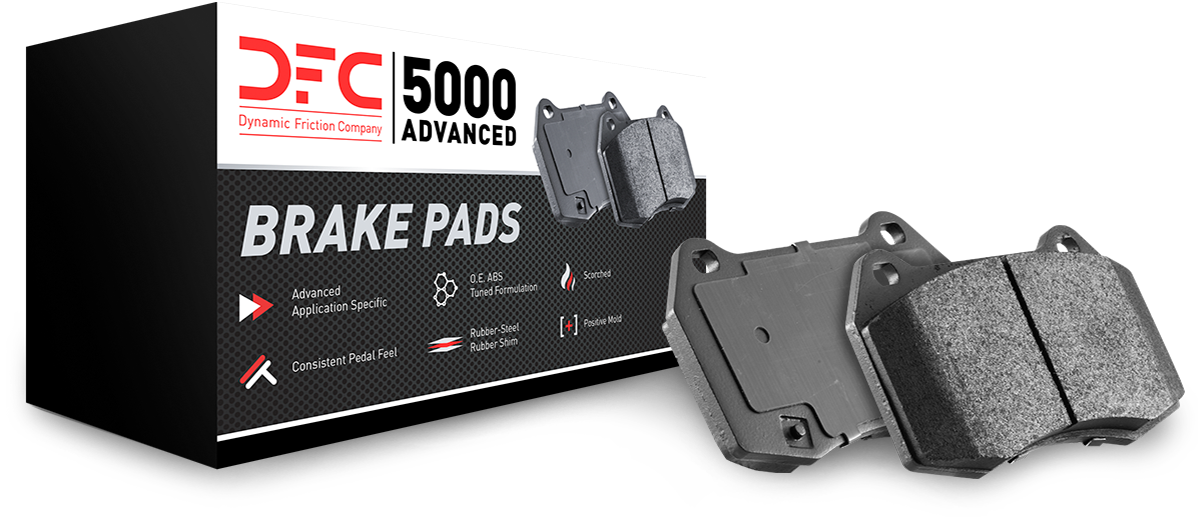
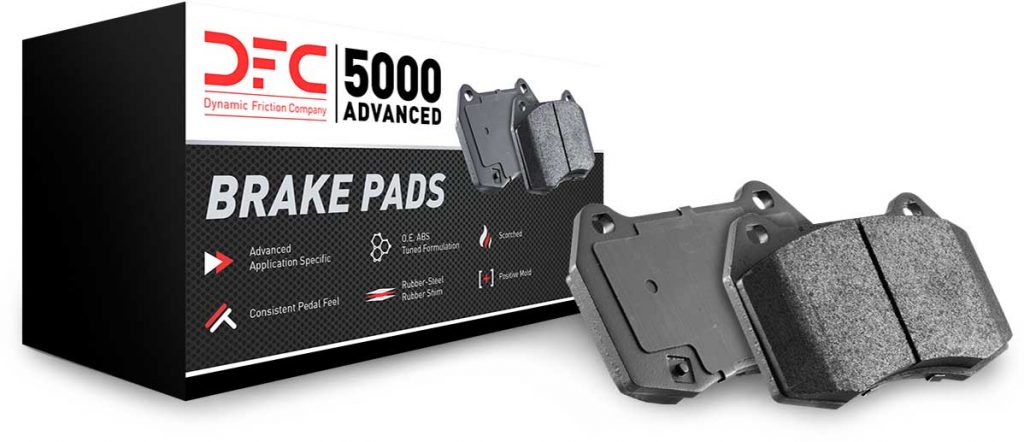
The DFC 5000 Advanced brake pads exemplify the innovation in electric vehicle brake technology. Designed with advanced friction formulas, these pads offer enhanced stopping power, quieter operation, and minimal dust production. Their rotor-friendly design is particularly suited to the heavier electric vehicles that depend on regenerative braking, extending the life of both pads and rotors. In addition to their performance benefits, these brake pads are eco-conscious, made without copper to meet future environmental standards. By marrying performance with sustainability, the DFC 5000 Advanced brake pads represent a leap forward in electric vehicle safety and efficiency.
Exploring the Diversity of Electric Braking Systems
The world of electric brakes is diverse, with innovations like electromagnetic brakes that stop vehicles without touching them, which means no wear and tear. Continental’s Future Brake System is an exciting development that works without hydraulic parts.
It’s exciting to think about what new electric brake technologies might be coming. The automotive industry is always moving forward, offering different braking systems for different cars and drivers, making future vehicles even better at braking efficiently.
Electric Brakes in Electric vs. Hybrid Cars
Both battery electric vehicles (BEVs) and hybrids use regenerative braking to turn motion into electricity when slowing down. Here’s what’s different:
Hybrids combine this with traditional brakes, giving a feeling similar to engine braking.
When hybrids slow down for a long time and the battery is full, they use the engine to manage the extra energy. BEVs don’t do this because they only use electricity.
BEVs have unique electric brakes without the usual hydraulic parts, giving a different feel from hybrids.
Electric Brakes for Trailers
Electric brakes are also used in trailers towed by electric vehicles. These trailers have brakes that work with electromagnets to slow down. Elecbrakes is a product that lets drivers control these brakes wirelessly, making it easy to install and use.
The Elecbrakes EB2 is designed for electric vehicles and is simple to set up with wireless technology. It can be installed quickly without changing the vehicle.
Safety rules say that trailers with a heavy load must have electric brakes that stay on even if the trailer disconnects from the car. This shows how important reliable electric brakes are for towing safely.
Electric Brakes in Traditional Cars
Electric brakes are now being used in regular cars, not just electric ones. They offer better safety and can even save fuel. As technology gets better, more cars are using electric brakes.
Simple Safety with Electric Brakes
Electric brakes are very safe. They have extra ways to check things like pedal position and wheel speed to keep you safe. If the electric system fails, there’s a backup manual system to stop the car.
These brakes also have smart features that can brake for you to avoid accidents.
Reliable Braking, Even During Failures
Car makers add extra safety to electric brakes. If the electric part fails, the car can still brake using a manual brake or electric parking brake. This means you can always stop safely, even if there’s an electrical problem.
Summary
As we’ve journeyed through the intricate world of electric braking systems, it’s clear that this technology is not just an alternative to traditional brakes, but a revolutionary step forward in automotive design. From the enhanced stopping power and efficiency gains to the diversity of systems and their applications across different vehicles, electric brakes are reshaping our expectations of vehicle safety and performance.
Embrace the change, for the future of braking is electric. With continuous advancements, increased adoption, and a focus on sustainability, electric braking systems stand as a testament to human ingenuity and a beacon for the evolution of transportation technology.
Frequently Asked Questions
How do electric brakes differ from traditional hydraulic brakes?
Electric brakes differ from traditional hydraulic brakes by using electrical signals and magnetism instead of hydraulic pressure to engage the brake pads, providing a cleaner, more responsive, and efficient braking process.
What is regenerative braking and how does it work?
Regenerative braking harnesses the electric motor to convert kinetic energy into electrical energy, storing it in the battery for later use, which improves efficiency and reduces brake wear.
This system helps slow down the vehicle by utilizing the generator aspect of the electric motor.
Are electric brakes more reliable than traditional brakes?
Yes, electric brakes are often considered more reliable than traditional brakes due to their reduction of friction-based components, which enhances reliability and lifespan.
Can electric braking systems be used on gasoline-powered cars?
Certainly, gasoline-powered cars can be equipped with electric braking systems, which enhance safety measures and fuel efficiency while representing progress in the realm of automotive technology.
What safety measures are in place for electric braking systems?
Advanced safety mechanisms such as automatic emergency braking are integrated into electric braking systems, which also incorporate manual hydraulic linkages and multiple sensors to maintain the vehicle’s safety.
Dynamic Friction Company has been awarded the Automotive Parts Association (APA) 2022 New Supplier Award.
To be considered for the Award, you must demonstrate consistently high order fill rates and supply timely, updated catalogs — including new numbers, field support, and ease of returns and credits. We are humbled and honored by the distinction, while mindful of the ever growing challenges. We look forward to facing these challenges and continuing to grow and serve our partners, including the APA.
About APA
Celebrating its 49th year of service in the automotive aftermarket industry, Automotive Parts Associates is one of the oldest program distribution groups in operation as a member-owned not-for-profit cooperative with approximately 60 independent Warehouse Distributor shareholders in North America.
Product Research and Development is one of the cornerstones of DFC.
However, it’s not as simple as getting parts, cataloging them and selling them. Instead, we reverse engineer every single new OE product from all OE manufacturers and collect key data points. For example, does this part differ from last year’s part? How?
There is added complexity when you consider that each OE manufacturer has a different discipline (friction, hardware, rotors, etc.)
One example is friction. At any point we may source friction parts from Germany, Thailand, India or China. Each of these manufacturers has a different focus: one may be great at higher performance materials, while another may be great at copper-free ceramics or semi-metallics. Our job is to identify these innovations and match (or exceed) the OE specifications so that when you’re using a DFC part, you know you have a premium product.
Click the video above and join Co-founder Dino Crescentini as he walks you through DFC’s extensive and decorated Research and Development process.
Welcome to “Questions with Dino,” a new series where DFC Co-founder Dino Crescentini answers common customer questions.
Today’s question: Why is DFC selling so many brake products for electric vehicles when those vehicles have regenerative braking?
Regenerative braking, found in both hybrid and electric vehicles, provides longer lasting brakes compared to gas-powered vehicles because there is far less braking during normal use.
So why are so many brake products sold for hybrid and electric vehicles, when their brakes should last far longer?
Questions with Dino
To answer this, Dino considers the Toyota Prius and the Toyota Yaris.
Both vehicles have the same fundamental chassis. However, the electric Prius may wear out its brakes faster than the Yaris, even with the aid of regenerative braking!
Why? Because electric vehicles like the Prius carry an extra thousand pounds of weight from their battery. Yes, regenerative braking lasts longer by itself…but because hybrid and electric vehicles are heavier, brakes may wear out sooner than anticipated.
P.S. Did you know?
DFC’s Carbon Alloy Rotors are a direct replacement part for electric vehicles like the Tesla Model 3. They can also be paired with DFC 5000 ADVANCED brake pads.
DFC’s 5000 ADVANCED brake pads are a direct replacement part for electric vehicles like the Tesla Model 3. They can also be paired with DFC Carbon Alloy Rotors.Â

 UNITED STATES