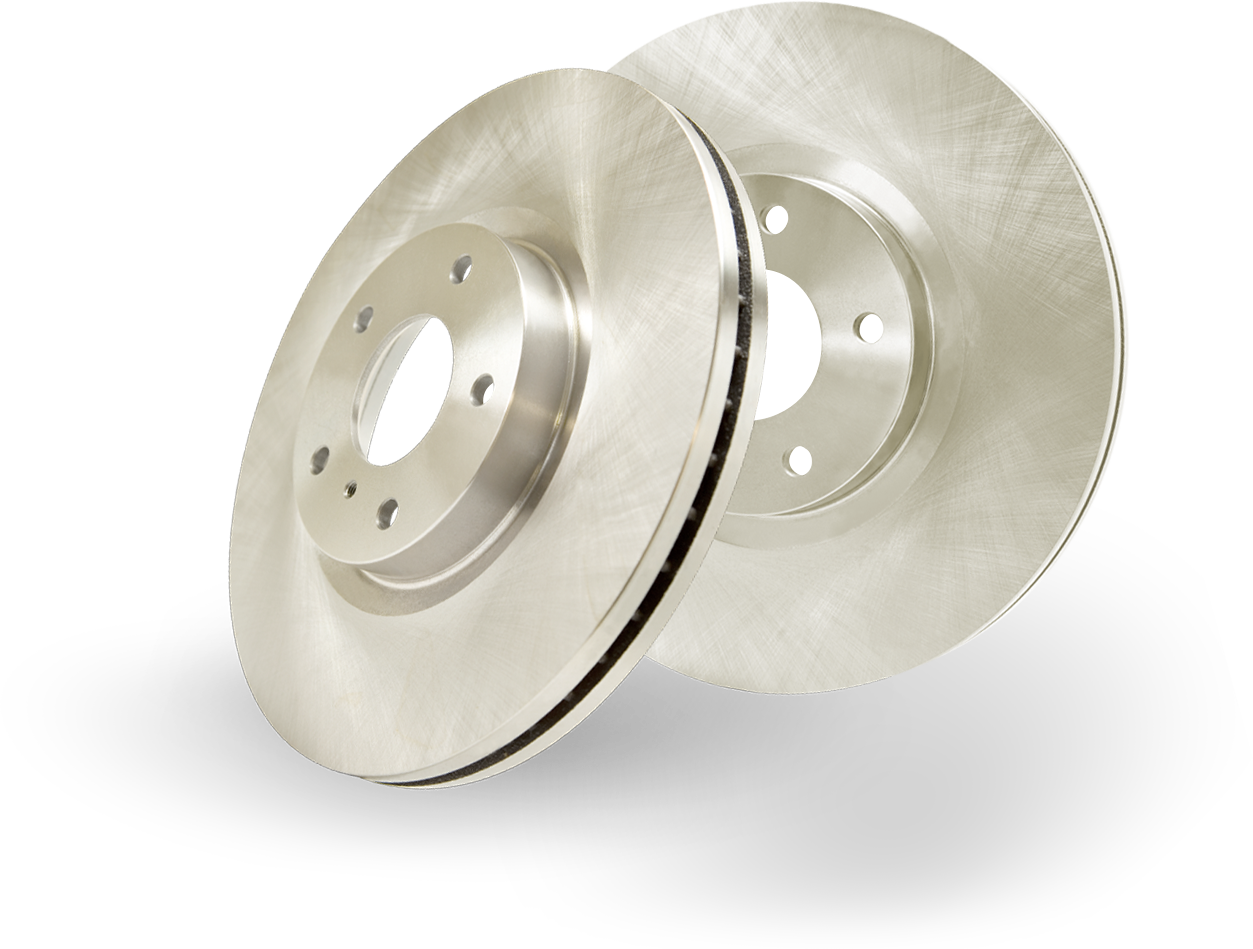
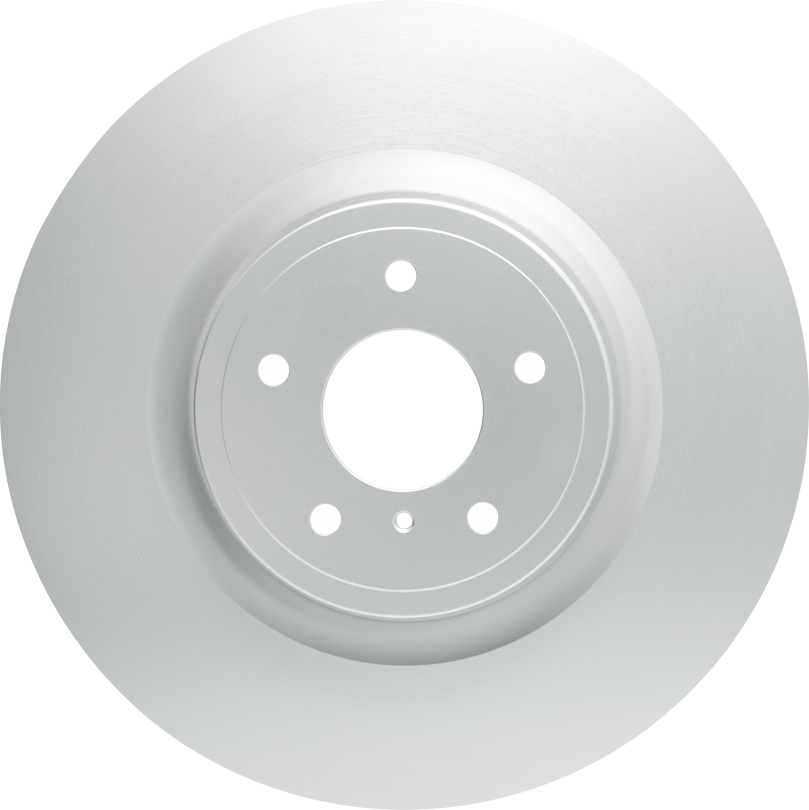
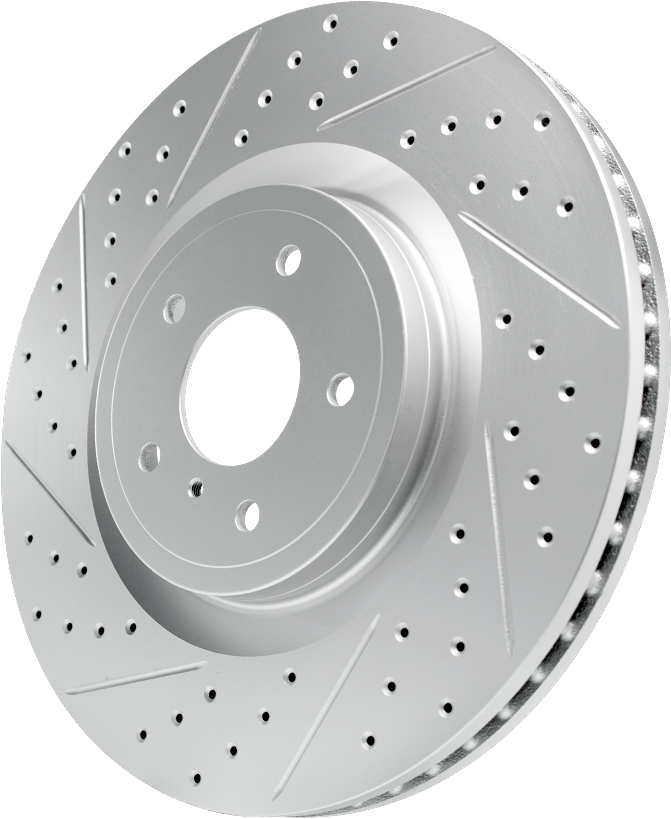
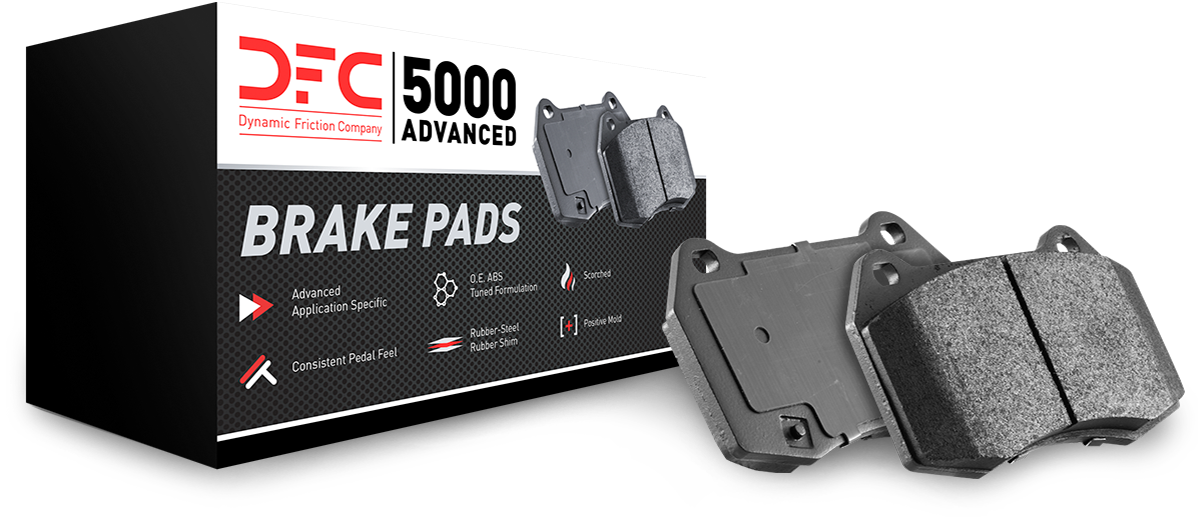
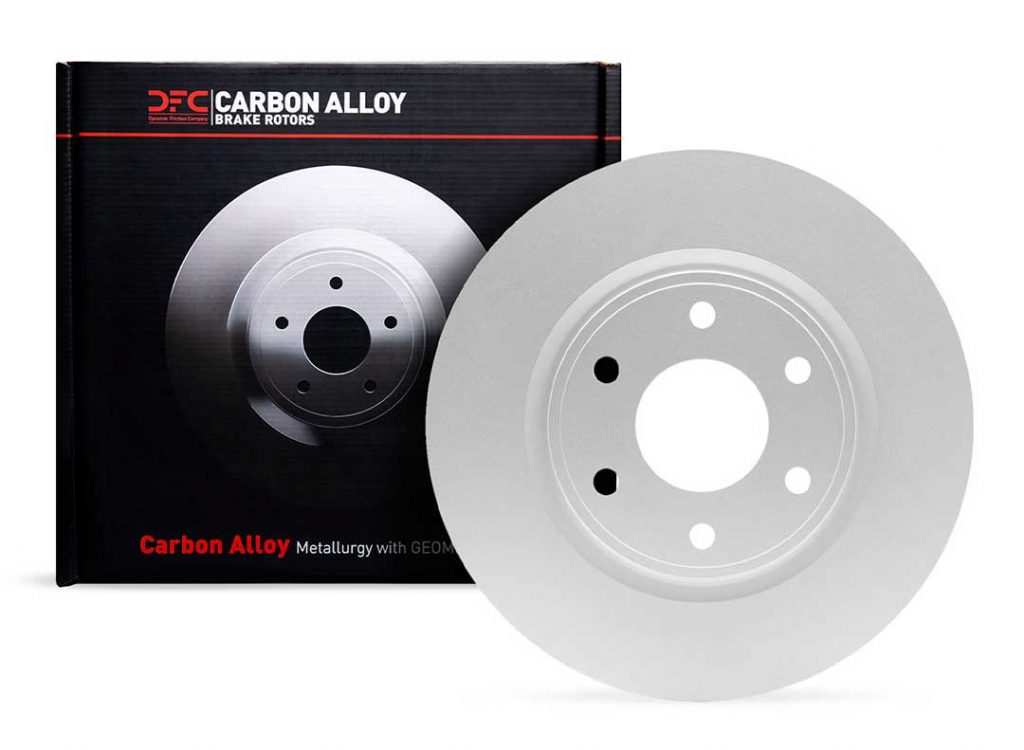
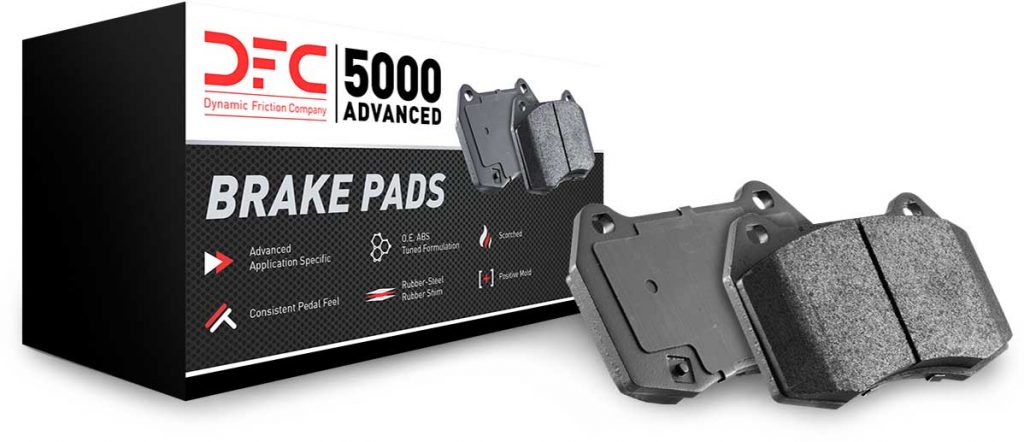
Dynamic Friction Company is expanding brake coverage for the 2024-2026 Chevrolet Blazer EV Police Vehicle, a platform engineered for the demanding conditions of law enforcement duty. Built to combine electric performance with fleet durability, the Blazer EV Police Vehicle requires braking components that can perform consistently during rapid acceleration, sudden stops, and extended patrol shifts. DFC now supports this application with OE replacement brake pads and GeoSpec coated rotors designed to deliver dependable braking performance for modern EV platforms.
Brake Components for the 2024-2026 Chevrolet Blazer EV Police Vehicle
This release includes DFC 5000 Series brake pads paired with GeoSpec coated rotors, providing a complete braking solution for service technicians maintaining police fleet vehicles. These components are engineered to meet OE specifications for proper fitment and reliable performance under the unique demands of electric vehicle braking systems.
The DFC 5000 Series friction formulation is designed to maintain stable stopping power and quiet operation. GeoSpec rotors add durability and corrosion protection, helping fleets maintain braking performance even in harsh road and weather conditions.
Key Features and Benefits
Brake systems on EV police vehicles must account for regenerative braking and increased vehicle weight. DFC components are designed to support these requirements while maintaining service-friendly installation.
Key advantages include:
OE-level fitment for the 2024-2026 Chevrolet Blazer EV Police Vehicle
Stable pedal feel and dependable stopping power
Low-noise friction formulation for quiet braking
Designed to support regenerative braking systems
GeoSpec coated rotors for corrosion resistance
Durable construction suitable for fleet and patrol environments
Reliable installation for professional technicians
These features help maintain braking consistency whether the vehicle is navigating urban patrol routes or responding to emergency situations.
Part Numbers for 2024-2026 Chevrolet Blazer EV Police Vehicle
Component Type
Position
Product Description
Part Number
Brake Pads
Front
DFC 5000 Series Brake Pads
1911-2407-10
Brake Pads
Rear
DFC 5000 Series Brake Pads
1911-2174-00
Rotors
Front
GeoSpec Coated Rotor
604-47098
Rotors
Rear
GeoSpec Coated Rotor
604-47096
Product Image Reference
Product images for the 2024-2026 Chevrolet Blazer EV Police Vehicle brake parts are available through Dynamic Friction Company marketing materials and catalog resources.
Supporting Fleet Performance with DFC Brake Technology
DFC is proud to support the growing EV fleet market with braking solutions engineered for modern vehicle platforms. With OE fitment, durable rotor coatings, and dependable friction performance, DFC brake pads and rotors help technicians service vehicles efficiently while maintaining consistent braking reliability.
For additional product details, contact your DFC sales representative or visit Dynamic Friction Company online. Be sure to check back next week for another Friction Friday release highlighting new brake coverage.
The 2025 through 2026 Chevrolet BrightDrop 400 and 600 are purpose-built for last-mile delivery and commercial EV fleet operations. Designed to handle frequent stops, heavy payloads, and urban driving cycles, these vehicles require braking components that deliver stable, predictable performance under constant load. This week on Friction Friday, Dynamic Friction Company introduces complete brake coverage for the BrightDrop 400 and 600, giving installers and distributors access to OE replacement brake components engineered specifically for commercial EV applications.
Brake Components Now Available
DFC brake coverage for the 2025–2026 Chevrolet BrightDrop 400 and 600 includes front and rear brake pads and rotors. These components are engineered to meet OE specifications and are available individually or as complete all-in-one brake kits, helping distributors streamline inventory while allowing technicians to complete service efficiently and accurately.
Key Product Benefits
DFC 5000 Series brake pads are engineered to deliver consistent pedal feel, quiet operation, and dependable stopping performance in high-duty commercial environments. Designed to integrate seamlessly with regenerative braking systems, these pads help manage increased vehicle weight and frequent stop-and-go operation. GeoSpec coated rotors provide corrosion protection against moisture, road debris, and harsh urban delivery conditions, supporting longer service life and reduced downtime. OE-specific designs ensure proper fitment and reliable braking performance across both BrightDrop 400 and 600 platforms.
Available Part Numbers
Component Type
Position
Product Description
Part Number
Brake Pads
Front
DFC 5000 Series Brake Pads
1551-2250-10
Brake Pads
Rear
DFC 5000 Series Brake Pads
1551-2174-00
Rotors
Front
GeoSpec Coated Rotor
604-48094
Rotors
Rear
GeoSpec Coated Rotor
604-48095
Product Images
Product images and sales materials are available through DFC sales resources and online tools.
Supporting Commercial EV Fleets with OE Fit and Performance
DFC is proud to support the 2025 to 2026 Chevrolet BrightDrop 400 and 600 with brake pads and rotors engineered for OE level fit, performance, and reliability. Designed for demanding delivery routes and commercial EV service cycles, these components help installers deliver confident braking and long service life. DFC continues to expand coverage rapidly while supporting distributors and technicians with strong fill rates, consistent quality, and dependable service.
Check back next week for another Friction Friday update as we continue to bring new brake coverage to the market.
The future of braking is electric, and DFC is already there.
This week on DFC’s Must Have Monday, we are featuring the 2024–2025 GMC Sierra EV, a full-size electric pickup equipped with advanced systems like Electronic Brake Force Distribution (EBD) and Brake Assist to deliver assertive stopping power under various load conditions and during sudden stops.
To match this level of control and performance, Dynamic Friction Company has engineered a full line of brake components tailored specifically for this platform. From installation in the shop to inventory on the shelf, DFC delivers dependable, OE-quality brake solutions built for today’s electric vehicles.
Complete Brake Coverage for the GMC Sierra EV
DFC’s offering includes everything needed to service this new application:
DFC 5000 Advanced Brake Pads – Engineered to replicate OE performance with strong initial bite and consistent pedal feel
All of these components are also available in an all-in-one DFC Brake Kit, making inventory management easier for distributors and simplifying installation for technicians.
First to Market Advantage
DFC is proud to be one of the first aftermarket manufacturers to offer a complete brake solution for the GMC Sierra EV. Our commitment to innovation and speed-to-market ensures you always have access to parts for the latest vehicles hitting the road.
Whether you’re outfitting a high-volume shop or sourcing parts for electric vehicle coverage, DFC delivers precision-engineered components ready for today’s demands.
Why Choose DFC?
Fast-expanding catalog with up-to-date vehicle coverage
Top-tier fill rates and dependable service
Brake products trusted by professionals across North America
When performance, fit, and reliability matter, DFC leads the way.
Download the Full Sales Sheet
If you missed this week’s DFC’s Must Have Monday email, visit dynamicfriction.com or contact your local sales rep to download the full sales sheet, organized by make and model.
Check back next week to see what’s new from the team that is helping you move braking forward, one part at a time.
The rise of electric cars and electric vehicles (EVs) is reshaping the automotive industry, and braking systems are no exception. Traditional friction-based brakes are giving way to innovative designs, improving efficiency, longevity, and performance. Mechanics and auto industry professionals must understand these advancements to stay ahead of the curve.
1. Introduction to Electric Vehicle Braking Systems
Electric vehicle braking systems are designed to provide safe and efficient stopping power while also recovering kinetic energy and converting it into electrical energy. These systems are a crucial component of electric vehicles, as they enable the recovery of energy that would otherwise be lost as heat during braking. Electric vehicle braking systems typically consist of a combination of regenerative braking and traditional friction braking. Regenerative braking uses the electric motor to capture kinetic energy and convert it into electrical energy, which is then stored in the vehicle’s battery. Traditional friction braking uses brake pads and rotors to slow the vehicle down. The combination of these two braking systems allows electric vehicles to achieve improved energy efficiency and reduced wear on brake components.
Regenerative Braking: A Game Changer in Kinetic Energy Recovery
One of the biggest changes in electric vehicle brake design is regenerative braking. Unlike conventional brakes, the brake system in electric vehicles incorporates regen braking to slow the vehicle by converting kinetic energy into electricity, which is then stored in the battery.
Benefits of Regenerative Braking:
✔ Reduces brake wear by minimizing friction brake usage through the regenerative braking system ✔ Improves energy efficiency and extends driving range ✔ Enhances vehicle control through smoother deceleration
What This Means for Mechanics:
🔧 Unlike traditional brake pads, EV brake pads and rotors last significantly longer, requiring fewer replacements.
🔧 Less wear means fewer brake dust emissions, making EVs more environmentally friendly.
🔧 Shops must adapt maintenance strategies, focusing on brake lubrication and caliper service instead of frequent pad replacements.
3. Types of Brakes Used in Electric Vehicles
Electric vehicles use a variety of brake types, including regenerative brakes, friction brakes, and electrohydraulic brakes. Regenerative brakes are the primary braking system used in electric vehicles, as they capture kinetic energy and convert it into electrical energy. Friction brakes are used in conjunction with regenerative brakes to provide additional stopping power when needed. Electrohydraulic brakes are used in some electric vehicles to provide a balance between regenerative and friction braking. These brakes use an electric motor to control the hydraulic system that applies pressure to the brake pads.
2. Lighter Brake Components for Efficiency
Since EVs are heavier than gas-powered cars due to large battery packs, manufacturers are turning to lighter brake materials like metallic brake pads, which are known for their superior heat dissipation and suitability for high-performance driving, to improve efficiency.
New Innovations in EV Brake Materials:
🚗 Carbon-ceramic rotors – Lighter and more durable than traditional cast iron 🚗 Aluminum brake calipers – Reduce weight while maintaining strength 🚗 Advanced coatings – Protect brake surfaces from rust due to infrequent use
Why This Matters: Lighter materials reduce unsprung weight, leading to better handling and longer range. Additionally, these innovations enhance the conversion of kinetic energy into mechanical energy during regenerative braking, improving overall energy efficiency.
3. Shift Towards Rear Drum Brakes in EVs
Surprisingly, some EV manufacturers (such Volkswagen) are reintroducing rear drum brakes as part of their brake systems. While drum brakes were largely phased out in favor of disc brakes, EVs are bringing them back for efficiency.
Why Some EVs Use Rear Drum Brakes:
✔ Less brake dust – Drums are enclosed, reducing emissions ✔ Lower maintenance – Less exposure to debris and moisture ✔ Better for regenerative braking – Vehicle manufacturers are focusing on the efficiency of regenerative braking systems to enhance energy recovery from braking in hybrid and electric vehicles. Drums complement regen braking systems
The Impact of Reduced Brake Use on Brake Pads Maintenance
Because the brake pedal in EVs is used less frequently, mechanics must rethink traditional maintenance schedules. The biggest challenges include:
🛠 Corrosion and rust buildup – Less frequent use means moisture can accumulate on rotors. 🛠 Seized calipers – Without regular actuation, caliper pistons can stick. 🛠 Brake fluid contamination – EVs still require periodic fluid changes to maintain hydraulic system integrity.
Best Practices for EV Brake Maintenance:
✅ Perform regular inspections to check for rust buildup and ensure optimal recovery of initial kinetic energy during braking events.
✅ Use coated rotors like DFC GeoSpec Coated Brake Rotors to resist corrosion.
✅ Lubricate caliper slides to prevent sticking.
7. Electric Vehicle Braking Systems and Energy Efficiency
Electric vehicle braking systems are designed to provide improved energy efficiency by recovering kinetic energy and converting it into electrical energy. Regenerative braking is a key component of electric vehicle braking systems, as it captures kinetic energy and converts it into electrical energy. This energy is then stored in the vehicle’s battery and can be used to power the vehicle’s electrical systems. Electric vehicle braking systems can achieve energy efficiency of up to 70% or more, depending on the vehicle and driving conditions. This is significantly higher than traditional friction braking systems, which typically achieve energy efficiency of around 10-20%. The improved energy efficiency of electric vehicle braking systems can lead to increased driving range and reduced energy consumption.
5. The Future of Brake-by-Wire Technology
EVs are pushing the industry toward brake-by-wire systems, which replace traditional hydraulic systems with electronic controls and leverage electric motors for regenerative braking. This technology offers:
🔹 Faster response times for improved safety 🔹 Adjustable braking feel to optimize performance 🔹 Reduced weight and complexity compared to hydraulic systems
Some EVs, like the Tesla Model S Plaid, are already experimenting with fully electronic braking systems.
Final Thoughts
Electric vehicle brake design, compared to traditional brakes, is evolving rapidly, reducing maintenance needs, increasing efficiency, and introducing new materials. As EV adoption grows, mechanics and parts distributors must stay informed on these changes.
For brake parts designed for modern vehicles, check out DFC’s high-performance brake solutions—engineered for durability, efficiency, and cutting-edge braking technology.
If you’re curious about “what maintenance does a Tesla need”, you’ll find that it’s simpler than traditional cars. Beyond standard tire care and some electrical system checks, Teslas require less frequent service, reflecting their cutting-edge design. In this article, we’ll navigate the essentials of Tesla maintenance, detailing what tasks are needed, how often, and what makes them unique, so you can maintain your Tesla’s peak performance for years to come.
Key Takeaways
Teslas have a simplified maintenance schedule compared to gasoline vehicles, focusing on items like brake fluid, A/C desiccant bags, and cabin air filters at specific intervals to ensure vehicle longevity and safety.
Teslas require less frequent maintenance due to fewer moving parts, regenerative braking reducing wear on brake components, and advanced battery and electric motor designs signaling maintenance needs via in-car notifications.
Tesla Service Centers provide professional maintenance and repairs, supplemented by mobile service options for convenience and regular software updates to optimize vehicle performance and battery management.
Decoding Tesla’s Recommended Maintenance Schedule
The maintenance schedule recommended by Tesla is crafted specifically to ensure that your electric vehicle operates optimally. The routine care for Tesla vehicles differs significantly from their gasoline counterparts, which often require frequent oil changes and timing belt replacements. Key services central to the upkeep of a Tesla include inspecting brake fluid, replacing A/C desiccant bags, and changing the cabin air filter on models including the popular Model 3—all at specified intervals.
Following this prescribed maintenance routine helps preserve both the safety and longevity of your vehicle while also upholding its value in the resale market—an advantageous strategy for any astute owner of a Tesla automobile.
Essential Regular Checks
Regular maintenance is essential, even for advanced vehicles such as a Tesla. Conducting daily checks ensures that your car remains in excellent condition and helps prevent unforeseen problems. Make sure to routinely verify the following components:
The state of your tires and their inflation levels
Functionality of lights, signals, and windshield wipers
Operation of the horn
Alerts on the touchscreen interface
Levels of windshield washer fluid
Adhering to these inspections is key to maintaining smooth operation for your Tesla.
To complement these practices with thorough oversight, weekly and monthly reviews should also be taking part. These additional measures guarantee every element of your Tesla performs optimally. Plus, thanks to the integrated Tire Pressure Monitoring System, you’ll be promptly notified if there are any deviations in tire pressure ensuring all four wheels maintain appropriate inflation for safe driving conditions.
Long-Term Service Items
Regular checks are essential for maintaining your Tesla, but don’t overlook the less frequent maintenance tasks. Brake fluid needs a professional inspection every four years, although you typically won’t have to worry about battery coolant after it’s in place.
Regarding the air conditioning system, the desiccant bag that prevents moisture should be changed once every 4 to 6 years based on your specific Tesla model. Replacing the cabin air filter every two years is crucial for optimal performance of both your vehicle’s high efficiency particulate air (HEPA) filter and its overall ability to provide clean air through its air conditioning system – something all Tesla drivers certainly appreciate.
The Minimalist Approach to Tesla Care
The innovative design of Tesla vehicles is not just about the stylish outer look, but also about the ingeniously simple internal mechanics. Unlike conventional gasoline-powered cars that require regular maintenance such as oil changes and replacing spark plugs, Tesla’s electric vehicles boast a reduced number of moving parts which allows them to forgo these routine services. The approach towards upkeep in a Tesla vehicle involves dealing with problems as they occur rather than following strict schedules based on mileage or time.
Within the cabin of a Tesla, there’s also an emphasis on durability through simplicity. By decreasing the amount of physical buttons and switches, there are fewer components that could potentially malfunction over time. Contributing to lower maintenance requirements for owners.
Regenerative Braking’s Impact
The regenerative braking system in Tesla vehicles plays a crucial role in maintaining the company’s reputation for minimal maintenance. It captures energy that would otherwise be lost during deceleration, saving power and greatly diminishing wear on braking components. Consequently, this leads to a less frequent requirement for replacing brake pads.
As a result of this innovative braking method, even those parts typically exposed to substantial usage—like the brake calipers and pads—suffer from reduced deterioration. This extends the duration between service appointments by preserving these critical components over longer periods.
Battery and Electric Motor Maintenance
Tesla’s promise of low maintenance is deeply rooted in its design, particularly within its electric motor and battery. This engineering significantly reduces the need for routine care compared to the more complex mechanics found in traditional gas-powered vehicles. In instances where service is needed, your Tesla will proactively alert you through the car’s touchscreen display, ensuring that maintenance is conducted only when it’s actually required.
For optimal performance and longevity of your Tesla’s battery:
Minimize the use of Supercharging stations and avoid letting the charge get too low
Preheat the battery before connecting to a Supercharger station for an enhanced charging experience
It’s important to entrust services concerning high-voltage battery coolant or brake fluid levels exclusively to trained professionals at a certified Tesla Service Center or approved provider.
Navigating Tesla Service Center Offerings
Tesla Service Centers are fully prepared to offer a variety of critical maintenance services when your vehicle requires professional attention. These facilities can handle everything from rotating tires every 6,250 miles for uniform wear and peak performance to fixing minor cosmetic issues such as accidental dings and scratches, ensuring that your Tesla remains in prime condition.
In areas where roads are treated with salt, vehicles need extra care due to the corrosive nature of salt. To preserve efficiency and combat this issue, Tesla Service Centers provide additional maintenance like cleaning and lubricating brake calipers specifically designed for these conditions.
Mobile Service Perks
For those who prioritize both efficiency and performance, the Tesla mobile service delivers the technical prowess of a Tesla Service Center right to your doorstep. The majority of repair work is carried out by skilled technicians at a location of your choice, often removing the need for you to visit an actual service center. This approach not only conserves time, but also enables any complex issues that may require extra attention to be diagnosed in advance for expedited servicing once at the Service Center.
In instances where repairs fall beyond what can be handled during a mobile service appointment, you have access to Tesla’s comprehensive support system which includes collision centers as well as centers endorsed by Tesla itself. It is essential that when setting up such services, all vital information has been provided and there’s sufficient space arranged for our technician’s work needs — particularly if adverse weather conditions prevail.
In-Car Maintenance Monitoring
Tesla prioritizes a fluid user experience right down to car upkeep, making the in-car touchscreen your individual hub for maintenance. Within this interface, Tesla owners can tailor settings and functions while effortlessly keeping an eye on their vehicle’s condition. The ‘My Apps’ section provides quick navigation to applications designed to help monitor service requirements, and the dedicated Tesla owners app sends prompt notifications regarding upcoming maintenance or necessary repairs.
Continuous software updates are dispatched that enhance not only battery regulation but also improve the complete performance of the vehicle.
Understanding Alerts and Notifications
The ingenious touchscreen interface serves not only as a control hub but also acts as an early warning system for any possible problems. Popup alerts furnish you with comprehensive guidance on how to address issues, guaranteeing that you’re always aware of the status of your Tesla.
For monitoring your vehicle’s warnings and notifications, just tap the bell symbol located at the top of the Controls screen – this function is specifically crafted to maintain awareness and ensure your Tesla remains in optimal shape.
When It’s Time for Professional Help
Occasionally, the most sophisticated vehicles require the expertise of a professional. The touchscreen in a Tesla is proficient at informing you about the status of your vehicle, providing warning alerts that suggest when professional assistance might be necessary. Such notifications are an integral component of your Tesla’s communication system, making sure you’re aware when it’s appropriate to reach out to specialists for servicing or repair work.
Enhancing Your Tesla’s Longevity
It’s expected, not merely possible, to reach significant mileage achievements with your Tesla. The design of its batteries anticipates a lifespan of 15 to 20 years, and it’s conceivable for the vehicles to cover over 400,000 miles before there may be a need to consider replacing the battery—this reimagines enduring performance in the automotive industry.
Adhering strictly to the maintenance schedule recommended by Tesla is an act that transcends basic upkeep. It constitutes an investment in a robust asset engineered for longevity. By taking preventative measures in caring for your vehicle, you are ensuring that it remains reliable over time.
Cost-Effective Strategies for Tesla Repairs
Owning a Tesla, like any other car, comes with the unavoidable reality of maintenance and repair costs. To efficiently handle these expenses, it’s wise to look into purchasing an extended warranty. Doing so can alleviate the burden of steep Tesla repair costs that may arise once the original factory warranty is no longer in effect. Considering warranties from third-party providers might yield more flexibility and potential savings by giving you access to a broader range of service locations.
Over time, one might expect total Tesla maintenance costs could reach about $5,552 throughout the vehicle’s lifespan. Implementing such strategies for financial protection can help ensure these expenses remain manageable while maintaining your peace of mind regarding future Tesla maintenance expenditures.
Tesla Maintenance Myths Debunked
It’s time to address and debunk prevalent myths surrounding the maintenance of Teslas. Electric vehicles like Tesas are not subject to emissions testing, thanks to their non-existent emission levels, which allow them to easily bypass regulatory hurdles that often entangle gasoline-powered cars. Concerns over the practicality of electric cars can be put aside because charging these vehicles overnight fits seamlessly into most people’s daily schedules, thus showcasing both convenience and a revolutionary edge.
Tesla’s Autopilot frequently finds itself at the center of discussions. It stands as evidence of how advanced autonomous driving technology can substantially improve vehicle safety.
Summary
As we reach the end of our journey through the intricacies of Tesla maintenance, remember that owning an electric vehicle from Tesla isn’t just about embracing cutting-edge technology; it’s about redefining the relationship between driver and car. From the reduced maintenance needs to the advanced in-car monitoring and the longevity that comes with careful ownership, Teslas are designed to make the driving experience as seamless as possible. Embrace the future of driving with confidence, knowing you have the knowledge to keep your Tesla cruising for years to come.
Frequently Asked Questions
How often should the cabin air filter be replaced in a Tesla?
You should replace the cabin air filter in your Tesla every two years to maintain optimal air quality inside the car.
Can I perform brake fluid checks on my Tesla myself?
Tesla advises that inspections of brake fluid should be conducted by qualified personnel at a Tesla Service Center or an approved service provider.
Attempting to assess the condition of your brake connected fluids on your own is not recommended.
Is it necessary to bring my Tesla to a service center for minor repairs?
Tesla’s mobile service offers the convenience of performing numerous minor repairs at a location that suits you, thereby eliminating the necessity to go to a service center.
Do Tesla vehicles require oil changes?
Tesla vehicles, being electric, do not have the conventional internal combustion engine components that necessitate oil changes.
How can I extend the life of my Tesla’s battery?
To prolong the lifespan of your Tesla’s battery, it is advisable to steer clear of habitual Supercharging and allowing the battery to discharge deeply.
Warming up the battery before utilizing Supercharger stations can enhance the efficiency of charging.
Seeking straightforward advice for maintaining your Tesla’s brakes? ‘Tesla brake care 101’ has got you covered. In this guide, you’ll learn about how the regenerative braking system affects maintenance, the important checks to keep your brakes in good condition, and how to prevent rust from not using traditional brakes often. Whether you’re new to electric cars or have experience, these tips will help you keep your Tesla’s brakes working well and safely without making things too complicated.
Key Takeaways
Regular maintenance of Tesla’s regenerative braking system is essential, including professional inspections of the brake pads every 12-15k miles and an annual comprehensive service to prevent issues like rust and corrosion from infrequent use.
Optimal Tesla brake performance requires proper break-in procedures, frequent usage to avoid rust on pads and rotors, and annual cleaning and lubrication of brake calipers, especially in regions with salted roads.
Tesla vehicles provide indicators for potential parking brake issues, and maintenance, including regular testing, cleaning of components, and inspection for wear or damage, is essential for ensuring parking brake functionality and overall vehicle safety.
Mastering Tesla Brake Maintenance
Understanding your Tesla’s brake system is important for keeping it working well and lasting a long time. Teslas have a special regenerative braking system that reduces wear on parts like brake pads and rotors. However, you still need to take care of the regular brakes, even though they are used less often. Regular maintenance can help prevent rust and corrosion.
Understanding Your Tesla’s Brake System
The regenerative braking mechanism used by Tesla is a smart system that captures the energy when the car slows down and turns it into electric power to recharge the battery. This process not only extends the range of Tesla vehicles but also reduces the wear on regular brake parts, meaning they need to be replaced less often. This combination of efficiency and safety is what makes driving a Tesla special.
At the heart of this system is the brake caliper—a key hydraulic part that holds both the brake pads and pistons. When you press the brake pedal, hydraulic force pushes the pistons against the rotors through the brake pads, making the car stop. Understanding how traditional brakes work together with the regenerative system helps you get the best performance and safety from your Tesla.
Essential Brake Checks and Service Intervals
The cornerstone of a properly functioning brake system is regular maintenance. For those who own Tesla vehicles, this entails conducting checks on the brake pads, rotors, and calipers to assess their state. Though these inspections can be carried out at home, it’s advised by Tesla to have the brake pads professionally examined every 12,000 to 15,000 miles and an in-depth service once per year for assurance that your brakes are functioning as they should.
If you engage in intensive driving activities like towing or high-performance maneuvers, more frequent evaluations along with replacing your vehicle’s brake fluid might be required so that you continue enjoying peak braking performance. Keep in mind that sustaining the effectiveness of your Tesla’s brakes hinges not just on its physical components, but also on your driving habits and how well you maintain the car over time.
Ensuring Optimal Brake Performance
Teslas require a correct break-in procedure for their brakes to achieve and sustain ideal performance, starting with soft braking that gradually intensifies in force before concluding with a period meant to cool down the brakes and avoid early wear.
It’s recommended to use the brakes frequently because regenerative braking technology minimizes traditional brake usage, which can lead to rust and corrosion accumulating on both brake pads and rotors.
Stick to regular maintenance schedules like cleaning and adding lubricant to your Tesla’s brake calipers at least once every 20,000 kilometers or once a year. This is especially important if you drive in areas where roads are treated with salt. This helps keep your vehicle’s braking system quiet and working well. Don’t forget about your tires. They should be properly inflated and in good condition since tire health affects how well your Tesla’s brakes work. By taking care of these things, you ensure your vehicle stays safe and easy to control while driving.
Brake Pads: Inspection and Replacement
Your Tesla’s braking system depends a lot on the condition of its brake pads. It’s very important to check them regularly. If you see signs like worn-out pads or rotors with deep grooves, it means you need to replace them. When you install new brake pads, use Silaramic lubricant on the contact points to make them work better.
After putting in new brake pads, press the brake pedal repeatedly until it feels firm. To make sure everything is working correctly, take a test drive and do some sharp stops to engage the ABS system. Keep checking and maintaining your Tesla’s brakes regularly to keep them in good shape. This includes frequent checks and servicing when needed.
The Role of Brake Fluid in Your Tesla
The brake fluid is a critical component of your Tesla’s braking mechanism, essential for transferring the force exerted on the brake pedal to the actual brakes. Tesla advises that owners test their vehicle’s brake fluid for contaminants and consider changing it every four years to maintain peak performance.
In circumstances where Teslas experience rigorous use, checking the condition of the brake fluid quarterly and replacing if needed is prudent for both safety and dependability. Vehicle proprietors are urged to routinely inspect both levels and integrity of their brake fluid as a preventative measure against complications arising from its deterioration.
Regular Parking Brake Tests
Regular examination of your parking the brake is crucial for maintaining its proper function. When you engage and release it, be alert to any odd sounds or an absence of tension that could signal a problem. Model 3 drivers have the ability to activate their vehicle’s parking brake using specific commands on the touchscreen interface.
Releasing the parking brake in a Tesla is quite simple: by shifting into Drive mode, it should automatically disengage. Nevertheless, if unusual noises continue or there remains no resistance when conducting this test, seeking assistance from Tesla service experts is recommended.
Maintaining the Parking Brake System
Maintaining the parking brake system of your Tesla vehicle is crucial for ensuring both its performance and safety. Regularly applying brake cleaner to the components can help prevent any accumulation of grime, dust, or dirt that could hinder functionality. It’s also important to routinely examine the brake lines to detect signs of damage, leaks, or wear so you can address any issues before they escalate into a complete parking brake system failure. Keeping an eye on your cabin air filter will guarantee a pleasant and clean atmosphere inside your car.
Incorporate these cleaning and inspection procedures into your regular vehicle maintenance routine as proactive measures toward safeguarding not only the integrity but also the operational safety of your Tesla. A diligently cared-for parking brake system ensures both longevity for your car as well as peace of mind during driving experiences.
When to Contact Tesla Service
When it comes to your Tesla’s brakes, it’s crucial to recognize when professional help is needed. Driving with a malfunctioning brake caliper can lead to a complete brake failure, compromising the safety of your vehicle. Brake caliper issues should be addressed by seeking professional assistance as soon as possible to avoid further damage or safety risks.
If a brake caliper is damaged or worn out, it needs to be replaced as soon as possible. It is important to have it done by qualified personnel to ensure proper installation and function. Similarly, brake fluid leakage from the caliper is a critical issue that requires a system inspection by a qualified technician. Because of the importance of vehicle safety and the complexity of proper maintenance, it’s essential to rely on qualified technicians for brake caliper service.
Summary
In summary, maintaining the integrity of your Tesla’s brakes is an integral part of vehicle ownership. Recognizing the distinctive attributes of your Tesla’s braking system and executing consistent maintenance are key to maintaining peak brake function and safety. Opting for DIY care or seeking assistance from certified Tesla service experts, it’s important to remember that routine upkeep serves as a cornerstone for a dependable driving experience with your Tesla. Approach brake maintenance not just as a necessity, but also as an essential component of responsible ownership, ensuring peace of mind while piloting your well-tended automobile.
Frequently Asked Questions
How often should I check my Tesla’s brake pads for wear?
It is essential to have a professional assess the condition of your Tesla’s brake pads at intervals of every 12,000 to 15,000 miles or minimally once per year.
Maintaining regular check-ups for these components is vital for maintaining top-notch safety and performance standards.
What is the recommended replacement interval for Tesla’s brake fluid?
For the sake of ensuring optimal performance, a contamination test of the brake fluid in your Tesla is advised once every four years, with consideration for its replacement at this interval.
Should the vehicle be subject to intense use, it may be required to perform such checks twice a year.
How do I know if my Tesla’s parking brake is functioning correctly?
To maintain the proper operation of your Tesla’s parking brake, it is important to routinely engage and disengage it while being attentive to any strange sounds or an absence of resistance. Keep an eye out for warning lights or error messages on the touchscreen display – this is particularly pertinent for Model 3 owners.
When should I contact Tesla service for brake issues?
If you detect any odd sounds, experience diminished responsiveness from the brake pedal, or see dashboard indicators signaling a problem with the brakes, it is imperative that you get in touch with Tesla service without delay.
Do not procrastinate when dealing with such warning signs.
Can I perform brake maintenance on my Tesla myself?
Certainly, if you possess intermediate mechanical abilities, you are capable of undertaking basic brake maintenance at your residence. More intricate tasks such as repairing brake lines should be entrusted to skilled and certified technicians.
Are you eager to master how to break in your new Tesla brakes? Ensuring the safety and efficiency of your Tesla starts with the proper break-in of your brakes. This guide will walk you through necessary procedures without the fluff—covering everything from the initial gentle usage to the all-important cooling period—equipping you with the knowledge to optimize your Tesla’s braking performance.
Key Takeaways
The break-in process for new Tesla brakes involves initial gentle application, a gradual increase in braking intensity, and a final cooling down phase to ensure optimal performance and longevity.
Regular monitoring and maintenance, such as inspecting for wear, checking brake fluid levels, and seeking professional inspection in case of any issues, are crucial to sustain the brakes’ performance post-break-in.
Maximizing regenerative braking benefits and understanding the role of mechanical brakes are essential for enhancing energy efficiency and ensuring safety in Tesla vehicles.
Step-by-Step Guide to Breaking in Your Tesla Brakes
To make sure your new Tesla’s brakes work well and last a long time, it’s important to follow the recommended steps for using them the first time. Tesla has a special process that involves driving and braking in a certain way, and then letting the brakes cool down. Let’s go through this process step by step in a simple way.
The first time you use your brakes, there are three main parts to the process: start with gentle braking, slowly brake harder over time, and finally, give the brakes time to cool down. This careful method helps your car’s brakes get ready for everyday driving while preventing damage during the first times you use them.
Initial Gentle Use
Initiating the break-in process with a period of cautious usage is essential to avoid the brake pads leaving impressions on the rotors. To achieve this, it is recommended that you:
Maintain your speed within 50 to 55 mph.
Apply gentle braking pressure to decelerate smoothly until reaching roughly 10 mph.
Perform this cycle six times in succession for gradual heating of the brakes.
Such measured engagement of the brakes ensures that brake pads settle correctly against rotors, an imperative step for achieving peak performance from your braking system. It’s important throughout this stage not to bring your vehicle entirely to halt if possible since doing so may lead directly to imprinting by brake pads onto rotors.
Gradual Increment of Braking Intensity
Once you’ve gently broken in the brake pads, it’s time to increase the intensity of your braking. Incrementally intensifying both force and velocity during this stage will Embed the brake system. This crucial step aids in forming an even distribution of pad material on the rotors, thereby improving overall braking effectiveness.
Following Tesla’s guidelines for properly bedding new brakes involves several key actions.
Maintain a speed within 50 to 55 mph.
Use steady pressure on the brake to decelerate down to 10 mph.
Perform this cycle six times with at least half-a-minute intervals for cooling purposes between each application of brakes. It is critical not to halt completely while performing these steps because doing so could result in embedding parts of the pads onto the surface of rotors.
During this enhanced phase, ensure that when applying brake pressure that you don’t bring your vehicle entirely to a stop. Stopping abruptly can risk transferring materials from pads onto rotoirs which could compromise smooth braking.
Cooling Down Phase
The cooling down phase represents the concluding part of the brake break-in process and is vital to its overall completion. Following a sequence of mild to strong stops, it’s imperative that the brakes are allowed ample time to cool off. This step safeguards the brake system’s functionality and avoids warping due to high heat levels.
During this critical stage in your Tesla, aim to drive without excessive use of brakes so that airflow can aid in their cooling. It’s during this period when allowing them to properly cool ensures that the brake pad resin sets correctly, which is crucial for achieving peak braking efficacy. Should you have any reservations or need guidance, reaching out directly to Tesla for support is recommended.
To keep your Tesla car’s brakes working well, it’s important to check them regularly. By watching how your brakes perform after the break-in, you can make sure your car can stop safely and smoothly.
This means paying attention to signs that the break-in is done and knowing when to get a professional to look at your brakes. Keeping an eye on these things will help make sure your Tesla’s brakes stay reliable for a long time.
Signs of Successful Break-In
To determine whether the break-in of your Tesla brakes has been effective, listen for a quiet and smooth operation during braking. Your Tesla should come to a halt gently and silently, free from any squeaks or harsh grinding sounds.
Keep in mind that the purpose of breaking in the brake system is to augment stopping capability while diminishing noise levels. Should you observe these enhancements subsequent to completing the break-in process, it’s an indication that the procedure was accomplished properly.
When to Seek Professional Inspection
Regular checks and careful attention will help keep your Tesla’s brakes working well. But sometimes, you might need a professional to take a closer look. Watch for these signs that it’s time for an expert to check your brakes:
If you hear high-pitched noises or rough scraping sounds
If the car shakes or the brake pedal vibrates when you use the brakes
If the brake fluid level is low
If warning lights turn on in your car’s dashboard
If the brake pedal feels soft or easy to push down without much resistance
For example, if the brake pads on your Tesla Model 3 wear down too much, they will make a high-pitched noise to tell you they need to be checked and possibly changed. If your car has been in an accident that might affect how well the brakes work, it’s very important to have them checked by a professional, even if you don’t see any damage or hear any strange noises.
Maintaining Your Tesla’s Brakes Post-Break-In
After you have correctly broken in your Tesla’s brakes and learned how to check how they are working, it’s very important to take care of them. Here are some simple tips to remember:
Look at your brakes often to see if they are wearing out or if there is any damage.
Keep your brakes clean by removing dirt or other things that could make them work poorly.
Check the level of brake fluid often and add more if you need to.
Follow the schedule recommended by Tesla for replacing and servicing your brakes.
By doing these things, you can make sure your brakes stay in good shape and work well for a long time.
Taking care of your brakes is not just about making sure they work well now, but also about making them last longer. Let’s look at these care tips to help your Tesla’s brakes work well for many years.
Regular Inspection and Cleaning
To keep your Tesla’s brakes safe and reliable, it’s important to check them often for signs of wear or damage. Look for brake pads that are very thin or rotors that have deep lines in them.
Keeping your brakes clean is also key to making sure they work well. Here’s how to clean your Tesla’s brakes:
Use special brake cleaners and the right brushes.
Depending on how much rust there is, you might need to clean gently or use more force.
If you find parts like retaining pins, anti-rattle springs, or bolts that are too rusty, replace them during your brake maintenance.
Checking Brake Fluid Levels
To make sure your Tesla’s brakes work really well, it’s important to take care of not only the brake pads and rotors, but also to check the brake fluid level often. Brake fluid is very important because it helps your foot’s pressure on the pedal reach the brakes, making the car slow down smoothly.
Here’s what Tesla suggests for taking care of the brake fluid:
Test the brake fluid for dirt every 2 years and change it if needed.
Check the brake fluid more often if you use your brakes a lot, like when pulling heavy loads, driving down steep hills, or in hot and humid weather.
If the brake fluid is too low or dirty, your car might not stop as it should. So, keeping an eye on it and taking care of it is very important for your safety.
Replacement and Service Schedules
It is very important to check your Tesla’s brakes regularly to make sure they are working well. A skilled mechanic should look at the brakes every 12,000 to 15,000 miles or as the car’s manual suggests.
Teslas are different from other cars because they don’t need to change the brake pads very often. This is because the car’s regenerative braking system reduces how much the pads wear out. However, Tesla still recommends that every year, or every 12,500 miles in places where roads are salted, you should clean and put oil on the brake calipers. Also, you should check the brake fluid every four years to keep the brakes working well beyond just watching for brake pad wear.
Regenerative Braking and Mechanical Brake Synergy
Tesla vehicles stand out due to the collaborative operation between regenerative braking and mechanical brakes, enhancing efficiency and prolonging the lifespan of traditional brake components. We will explore strategies for optimizing the advantages of regenerative braking while explaining how mechanical brakes contribute to your Tesla’s functioning.
Distinguished from conventional cars, Teslas utilize a distinctive method that recovers energy and channels it back into the vehicle’s battery during deceleration—this occurs when you ease off on the accelerator pedal. But what steps can be taken to fully leverage regenerative braking, and in which situations do mechanical brakes become involved?
Maximizing Regenerative Braking Benefits
To prolong the service life of mechanical brakes and fully harness regenerative braking advantages, one should adapt their driving habits accordingly. By grasping how electric braking operates—especially regenerative systems—and prioritizing it for slowing down the car, not only can you preserve your Tesla’s traditional brakes, but also boost its energy efficiency.
While an electric vehicle is charging, preconditioning ensures that optimal battery temperatures are reached, which bolsters regenerative braking effectiveness. By anticipating stops ahead and easing off the accelerator sooner rather than later, more energy is recaptured through regenerative deceleration to enhance both the recovery process and overall range—an upper hand when compared with a gas-powered car where this kind of energy capture system does not exist.
The Role of Mechanical Brakes
Regenerative braking is an outstanding function in Tesla vehicles that employ electric motors, yet the importance of mechanical brakes cannot be ignored. Your Tesla’s mechanical brakes deliver essential stopping force during emergencies and enhance regenerative braking when extra deceleration strength is needed.
During chilly weather or instances where the battery reaches full capacity, the capability of regenerative braking diminishes, rendering mechanical brakes exceptionally vital for preserving safety. Comprehending how regenerative and mechanical braking systems work together will help you maximize your Tesla’s overall braking efficiency while ensuring vehicular safety.
Summary
Breaking in your Tesla brakes is a crucial step in ensuring optimal performance and longevity. From initial gentle use, through increasing braking intensity, to the cooling down phase, the break-in process prepares your brakes for the rigors of everyday driving. Regular monitoring of your Tesla’s braking performance and adhering to recommended maintenance practices can further enhance the life and performance of your brakes.
Understanding the synergy between regenerative and mechanical braking can also help you maximize the benefits of your Tesla’s unique braking system. Whether you’re a new Tesla owner or an experienced driver, these guidelines can help you keep your Tesla brakes in top condition, ensuring smooth and safe rides for many miles ahead.
If you’re looking for the best brake rotors for your Tesla, you want ones that are dependable and enhance your car’s performance. This article provides a clear review of the top brake rotors, focusing on those made especially for Tesla cars. We’ll guide you through the options that meet the high standards of your vehicle, making sure your Tesla continues to perform well.
Key Takeaways
Tesla vehicles feature sophisticated brake systems with anti-lock braking system, special features for enhanced control, and year/model-specific variations in rotor types and sizes for optimized performance.
Choosing between OEM and aftermarket rotors for Teslas involves considering factors like vehicle type, rotor design, cost, and potential warranty implications; eco-friendly options are also available.
Signs such as surface cracks, vibrations, and unusual noise during braking indicate it’s time to replace brake rotors, with costs varying by service provider; regular maintenance is crucial for safety and performance.
Understanding Tesla Brakes
Tesla vehicles come with a sophisticated anti-lock braking system that boasts several capabilities.
It prevents the wheels from locking up during intense braking, thus improving control and steering ability.
To enhance brake responsiveness, the system includes brake disc wiping to clear away moisture.
The anti-lock braking system is also designed with hydraulic fade compensation which modifies brake system pressure in situations where performance might be compromised due to conditions like brake fade or inclement weather.
These parts are very important because they help make Tesla cars both safer and perform better.
Specifically, the Model S is designed to alert the driver when the temperature is very cold, below 14 degrees Fahrenheit. This alert is to let the driver know that the car might not be as stable and that the brakes might not work as well. This attention to detail shows how Tesla is different from other car makers in how they design and make their cars.
Performance Versions
Tesla models uphold a high standard in braking systems, yet the performance variants feature specialized rotors. These unique rotors are designed to meet the rigorous requirements of performance driving, guaranteeing that every component of the vehicle is fine-tuned for both track environments and regular road use.
Yearly Variations
The brake rotors on a Tesla vehicle can vary not only based on the model but also according to the production year. This variation is due to Tesla’s commitment to constant innovation and improvement of their vehicles’ parts, aimed at boosting performance, safety, and the overall driving experience. Consequently, it’s expected that rotors would evolve as part of this advancement trajectory.
Choosing the Right Brake Rotors for Your Tesla Model
When choosing brake rotors for your Tesla, it’s important to consider the exact model of your car, as well as the right size and type of rotor. For instance, the GEOMET® coated brake rotors are used for Tesla Model X cars made between 2016 and 2018.
The Tesla Model 3 is sold in two different versions, Base and Performance, which have different sizes for the front rotors, different rotor designs, and different colors for the brake calipers.
Each Tesla model has its own needs for its brake system. This means each model requires specific types and sizes of rotors. Below is a simple guide that explains the differences between the brake systems of various Tesla models.
Both from Palladium series. Models S and X usually possess identical braking configurations except that Model X has more substantial front brake rotors.
The Model 3 comes with a distinctive set-up exclusive to itself.
Similarly distinct is the setup found within a Tesla’s Model Y.
Ensuring you select accurately fitting brake rotors for your precise model will greatly contribute to peak performance outcomes while enhancing safety measures as well as ensuring longer-lasting wear on your car’s brakes.
OEM vs. Aftermarket Rotors
Choosing between original Tesla brake rotors and those made by other companies is an important decision. Brake rotors not made by Tesla (non-OEM) are often less expensive, and they might last just as long or even longer than the original parts. However, it’s very important to carefully check the quality of these alternative rotors.
Aftermarket rotors often have features like:
A zinc coating to prevent rust
A thicker center area to fix certain issues found in some models
A lighter weight and special designs, similar to DFC’s Geomet rotors, which help keep the brake pads clean
These features are intended to improve the performance and life of the rotors when used in regular driving conditions.
Top Brake Rotor Options for Tesla Models
To augment both the performance capabilities and safety features of Tesla vehicles, there are a variety of brake rotor options available on the market. These brakes are engineered to be versatile enough for daily driving conditions as well as high-demand track environments. Let’s take a closer look at some of these offerings in greater detail.
Carbon Ceramic Rotors
Choosing carbon ceramic rotors for Tesla vehicles is a wise decision for environmentally aware drivers. These rotors are lighter than traditional iron rotors, which means they reduce the overall weight of the car. This can lead to better handling and fuel efficiency.
In addition, carbon ceramic rotors are known for their durability and ability to perform well under high temperatures, which is particularly beneficial during fast driving or in hot climates. They also produce less brake dust than standard rotors, keeping wheels cleaner and reducing the environmental impact.
Carbon Ceramic Rotors vs. Traditional Cast Iron Rotors
Choosing carbon ceramic rotors for Tesla vehicles is a wise decision for environmentally aware drivers. These rotors are lighter than traditional iron rotors, which means they reduce the overall weight of the car. This can lead to better handling and fuel efficiency. The reduced unsprung mass of carbon ceramic rotors allows for more precise wheel control, which translates into a smoother ride and improved vehicle dynamics.
In addition to their weight advantage, carbon ceramic rotors are known for their durability and ability to perform well under high temperatures, which is particularly beneficial during fast driving or in hot climates. They also produce less brake dust than standard rotors, keeping wheels cleaner and reducing the environmental impact. The longevity of carbon ceramic rotors is another plus; they can last the lifetime of the car under normal driving conditions, whereas traditional cast iron rotors might need to be replaced several times over the same period.
On the other hand, traditional cast iron rotors, while being more cost-effective upfront, do not offer the same performance benefits as carbon ceramic rotors. Ordinary cast iron rotors tend to warp under high temperatures, leading to reduced braking performance and potentially more frequent replacements. For a Tesla, which is engineered for high performance and efficiency, the use of ordinary cast iron rotors could compromise the vehicle’s finely-tuned dynamics and the overall driving experience that Tesla owners have come to expect.
Slotted and Drilled Rotors
Slotted and drilled brake rotors are widely favored by Tesla owners, with the DFC’s Geomet series being a preferred choice for its ability to elevate the braking performance of their vehicles. Designed for optimal heat dispersion, these slotted rotors surpass conventional rotor design in halting efficiency.
They marry high-grade stoppage power with cost-effectiveness through advanced engineering that includes cross-drilled holes and diamond-patterned slots to maximize durability and stopping force. They employ a ‘Convergent vane’ structure which enhances resistance against both corrosion and warping.
Durability is also built into these specific rotors’ designs thanks to rotor rings tailored specifically for Tesla vehicles. These components ensure an extended service life known amongst users while remaining steadfast in maintaining vehicle performance standards.
Brake Pad Selection for Optimal Performance
Ceramic brake pads are generally considered the best option for Tesla vehicles due to their quiet operation, low dust output, and durability. These qualities make ceramic pads particularly appealing to drivers who prioritize cleanliness and a quiet ride.
When considering the best brake pads for your Tesla, Dynamic Friction Company (DFC) stands out with its exceptional offerings. The DFC 5000 Advanced series brake pads is the most compatible brake pad are engineered to complement the advanced regenerative braking system of Tesla, ensuring optimal performance and minimal wear.
Unlike other brands, DFC brake pads are designed specifically by your vehicle’s exact year, make, and model. Add the fact that these brake pads are also crafted in a unique formulation that reduces noise and dust, which is especially beneficial for maintaining the pristine conditions of car models, especially your Tesla.
Moreover, these pads are thermally stable and provide consistent braking power even under high temperatures, making them an ideal choice for Tesla owners who demand superior quality and performance without compromising on environmental consciousness.
Signs It’s Time to Replace Your Tesla Brake Rotors
Brake rotors are parts that naturally wear out over time, just like any other part of a car. Eventually, they will need to be replaced. How can you tell when it’s time for new ones? Look out for certain signs that show your Tesla’s brake rotors might need changing. For example, if you see large cracks on the rotor surface, especially if they reach the edges, this usually means it’s time to get new rotors. Also, if you notice deep grooves or other clear signs of wear on the part of the rotor that touches the brake pads, this is another indication that they need to be replaced.
If you feel shaking in the steering wheel or the brake pedal when you brake, this could suggest a problem with the rotors. If you hear loud noises when you are braking, this could also mean that the rotors are worn out or that they have rusted. It’s very important to have your Tesla’s brakes checked regularly to keep the car safe to drive and to make sure it performs well.
Cost of New Brake Rotors for Tesla Vehicles
The price of new brake pads and rotors for Tesla vehicles can fluctuate based on a variety of factors. Reports from Tesla owners suggest that the cost to replace both front and rear brake pads and rotors can range between $840 to $1,583. When you also factor in the replacement of parking brake pads along with the front and rear pads and rotors, expenses may increase up to approximately $2,500.
Due to this variation in quotes offered by different Tesla service centers, there’s noticeable unpredictability regarding the total cost encompassing parts and labor which might be attributed to various service providers. Labor charges are subject not only to variability, but could significantly affect overall costs as well. It’s advisable for vehicle owners seeking these services to obtain multiple estimates ensuring they receive optimal value when spending money on such maintenance tasks.
Potential Warranty Concerns
Opting for aftermarket brake rotors might seem appealing, but it’s crucial to consider the potential impact on your warranty. It’s a common myth that just by installing aftermarket parts such as brake rotors on a Tesla can lead to an automatic void of the vehicle’s warranty. Consumer rights are protected by the Federal Trade Commission (FTC), which allows individuals to use non-original parts without forfeiting their warranty.
The assurance provided by Tesla will remain intact unless evidence shows that any problems needing repair were directly caused by an installed aftermarket part. Warranty services cannot be rejected simply because there is an aftermarket rotor fitted. Proof must be shown that this component is responsible for the damage incurred. Meticulous documentation of changes and consulting certified professionals when putting in these types of parts play a critical role in preserving your car’s coverage under its original guarantee.
Installation Tips and Best Practices
When you’ve made your selection, the next phase is the installation process. Tesla has developed unique tools specifically for facilitating swift and safe removal, disassembly, and reassembling of braking components to prevent damage during servicing. The proper completion of certain maintenance or installation jobs on Tesla vehicles often necessitates these specialized instruments.
For some vehicle models, installing aftermarket rear rotors can be notably quick and simple – some boasting that this can be accomplished in as little as 20 minutes for each corner. These rotors are double disc ground at the brake pad contact area to enhance quicker bedding-in of brake pads which leads to a quieter performance with smoother stops. It’s crucial for owners who modify their vehicles by adding parts like front calipers to meticulously document all changes and consult certified technicians when installing aftermarket enhancements to ensure peak performance from their vehicle’s brakes.
Summary
If you own a Tesla or simply admire these remarkable vehicles, grasping the details of their braking systems and the array of choices for rotor types can deepen your admiration. Keep in mind that brake rotors and pads are vital to both your safety and your Tesla’s performance. It is essential to choose these parts thoughtfully, considering factors like how you drive, environmental conditions, and financial limitations. Armed with proper understanding and equipment, you can maximize the high-caliber performance of your Tesla while maintaining confidence in its roadworthiness.
The automotive industry is changing with the introduction of electric brakes in cars. These new brakes use electricity and offer better safety and efficiency than old braking systems. This article will explain how electric brakes work, their benefits, and why more car manufacturers are choosing them.
Key Takeaways
Electric brakes, utilizing electrical signals and magnetism instead of hydraulic pressure, offer a reliable braking experience with enhanced performance, efficiency, and environmental benefits.
Regenerative braking systems in electric vehicles convert kinetic energy into electricity, reducing wear on brake components and improving overall energy efficiency, while brake-by-wire technology removes physical linkage, favoring electronic control for precision.
Despite the advantages of electric braking systems, drivers need to adjust to the different pedal feel, and the increased system complexity may lead to higher maintenance requirements and more complex accident analysis.
Decoding Electric Brakes: The Shift from Hydraulic to Electrical Systems
The time when hydraulic systems were the only way to slow down cars is over. Now, we have electric brake technology. These new brakes use electricity and magnetic forces to create resistance that can slow down or stop a car. This change is a big leap in how brakes work, moving away from traditional hydraulic brakes.
The move to electric brakes comes with many benefits for the car industry. As cars keep getting better and more advanced, these benefits are too important to ignore. That’s why we see more and more vehicles, including electric and gas-powered ones, using electric brakes.
The Mechanics of Electric Braking
When you press the brake pedal in a car with electric brakes, a series of well-designed actions starts. Electric brakes use electric signals to command actuators. These actuators apply the right amount of force to the brake pads and discs, slowing down the car. This system avoids the risk of leaks from hydraulic fluid and is more reliable.
Here are the main parts of this system:
Sensors that check how hard the pedal is pressed and the car’s movement
Control modules that understand the sensor data
Control units that decide the right amount of force needed to slow down or stop the car
Actuators that receive instructions from the control units to apply the force
This system is quick to respond and adjusts to both the driver’s style and changing road conditions.
Transition Trends: Are Electric Brakes Overtaking Hydraulics?
The automotive industry is changing as more cars use electric brakes instead of traditional hydraulic brakes. These new brakes are better for performance and last longer, which is good for safety and the environment. As people want more eco-friendly cars, electric brakes are becoming the standard for future car braking systems.
Electric brakes offer better control and are a big step forward in car technology. They are already setting new standards in braking and are key to the future of the automotive industry.
The Advantages of Going Electric with Your Brakes
Electric brakes are a smart choice for many reasons, including longer-lasting brake pads and being kinder to the environment. For instance, some electric car owners report their brake pads last over 100,000 miles.
Electric brakes have other benefits too:
They make car building cleaner and simpler by not using hydraulic fluids.
They’re good for the planet.
They improve efficiency.
They’re quieter than traditional brakes.
They reduce pollution.
Enhanced Stopping Power
Electric brakes are important for safe driving. They work very well and can stop a car quickly. These brakes adjust the stopping force as needed and respond fast. They also use a system that saves energy, making them better for safety and the environment.
Efficiency on the Rise
The regenerative braking system stands as a key technological advancement in the world of automotive efficiency, enabling vehicles—particularly hybrids—to perform several critical functions. It captures kinetic energy that would otherwise be lost, converts it into electrical power, reduces the load on the combustion engine, and improves fuel economy.
Paired with this innovative system is the brake-by-wire technology, which uses lighter components to decrease overall vehicle weight. This reduction in weight contributes to better efficiency and positions electric braking systems as both revolutionary and environmentally friendly solutions in modern vehicle design.
The Challenges of Electric Braking Systems
Electric brakes, while offering many benefits, also come with challenges. Some drivers find the brake pedal less responsive, lacking the usual feedback. This feedback is important as it gives drivers confidence and control over their cars.
These systems are complex, which might lead to higher repair costs and make accident analysis more difficult. However, manufacturers aim to provide consistent feedback through the brake pedal, regardless of brake temperature.
Learning to Use Electric Brakes
Drivers may need time to get used to electric brakes, particularly the e-pedal mode in electric vehicles. The pedal feels different from traditional brakes, but with time, drivers can adapt to it and appreciate its benefits.
Complexity and Reliability
Electric brakes bring precision but their complexity could affect reliability. Issues like brake blending in electric cars can impact smooth operation. In emergencies, analyzing electric brake failures requires considering many factors. Car makers work hard to ensure these brakes are safe and reliable.
Regenerative Braking: A Closer Look at This Electric Marvel
The process of regenerative braking is key in electric cars, turning the motor into a generator to slow down the car and make electricity. This saves energy and reduces the need for brake pad replacement.
Electric car owners benefit a lot from these advantages.
This technology is now being used in regular cars too, showing its growing importance for better braking systems.
How Regenerative Braking Works
When drivers stop pressing the gas or push the brake, electric cars start regenerative braking. This changes the motor into a generator, turning the movement energy into electricity. This electricity goes back into the car’s battery, making the car more efficient and possibly letting it go further on one charge. This eco-friendly method is important for electric cars.
The Role of Regeneration in EVs
Regenerative braking is very important for slowing down electric cars and charging their batteries. It can turn up to 70% of the car’s movement energy back into electrical power. The amount of energy saved changes with the car’s weight, if it’s pulling something heavy, and how the driver brakes. These factors affect how the car feels to drive.
The brake-by-wire system, also known as electromechanical braking, is a big step in electric brake technology. This system gets rid of the mechanical link between the brake pedal and the brakes. Instead, it uses electronic signals to control braking. This system is lighter because it doesn’t use heavy mechanical parts and it’s simpler with fewer parts.
It makes cars lighter by removing heavy parts.
It simplifies the system with less parts.
For example, Continental’s MKC1 system makes cars about 4 kilograms lighter.
This system is now in cars like the 2018 Alfa Romeo Giulia and Stelvio. It’s reliable and makes brakes last longer because there’s less wear and tear.
How Brake-by-Wire Works
In brake-by-wire systems, everything is controlled electronically. Here’s what happens when you brake:
You press the brake pedal and a sensor measures this force, turning it into an electronic signal.
A control unit processes this signal.
The control unit tells the system how much braking force to use.
An electric pump creates the hydraulic pressure needed to stop the car when needed. This system can adjust to how different people drive, which could make braking better for each driver.
Premium Brake Parts: Part Of The Innovative Technology Of Electric Vehicles
Electric brakes are a smart choice for many reasons, including the adoption of premium brake components that enhance performance and sustainability. Electric car brake parts are designed to handle the unique demands of regenerative braking systems, which result in less wear and tear compared to traditional brakes. They’re also built with advanced materials that enhance performance and are environmentally friendly. These innovations contribute to longer-lasting brake components and more efficient vehicles.
The DFC 5000 Advanced brake pads exemplify the innovation in electric vehicle brake technology. Designed with advanced friction formulas, these pads offer enhanced stopping power, quieter operation, and minimal dust production. Their rotor-friendly design is particularly suited to the heavier electric vehicles that depend on regenerative braking, extending the life of both pads and rotors. In addition to their performance benefits, these brake pads are eco-conscious, made without copper to meet future environmental standards. By marrying performance with sustainability, the DFC 5000 Advanced brake pads represent a leap forward in electric vehicle safety and efficiency.
Exploring the Diversity of Electric Braking Systems
The world of electric brakes is diverse, with innovations like electromagnetic brakes that stop vehicles without touching them, which means no wear and tear. Continental’s Future Brake System is an exciting development that works without hydraulic parts.
It’s exciting to think about what new electric brake technologies might be coming. The automotive industry is always moving forward, offering different braking systems for different cars and drivers, making future vehicles even better at braking efficiently.
Electric Brakes in Electric vs. Hybrid Cars
Both battery electric vehicles (BEVs) and hybrids use regenerative braking to turn motion into electricity when slowing down. Here’s what’s different:
Hybrids combine this with traditional brakes, giving a feeling similar to engine braking.
When hybrids slow down for a long time and the battery is full, they use the engine to manage the extra energy. BEVs don’t do this because they only use electricity.
BEVs have unique electric brakes without the usual hydraulic parts, giving a different feel from hybrids.
Electric Brakes for Trailers
Electric brakes are also used in trailers towed by electric vehicles. These trailers have brakes that work with electromagnets to slow down. Elecbrakes is a product that lets drivers control these brakes wirelessly, making it easy to install and use.
The Elecbrakes EB2 is designed for electric vehicles and is simple to set up with wireless technology. It can be installed quickly without changing the vehicle.
Safety rules say that trailers with a heavy load must have electric brakes that stay on even if the trailer disconnects from the car. This shows how important reliable electric brakes are for towing safely.
Electric Brakes in Traditional Cars
Electric brakes are now being used in regular cars, not just electric ones. They offer better safety and can even save fuel. As technology gets better, more cars are using electric brakes.
Simple Safety with Electric Brakes
Electric brakes are very safe. They have extra ways to check things like pedal position and wheel speed to keep you safe. If the electric system fails, there’s a backup manual system to stop the car.
These brakes also have smart features that can brake for you to avoid accidents.
Reliable Braking, Even During Failures
Car makers add extra safety to electric brakes. If the electric part fails, the car can still brake using a manual brake or electric parking brake. This means you can always stop safely, even if there’s an electrical problem.
Summary
As we’ve journeyed through the intricate world of electric braking systems, it’s clear that this technology is not just an alternative to traditional brakes, but a revolutionary step forward in automotive design. From the enhanced stopping power and efficiency gains to the diversity of systems and their applications across different vehicles, electric brakes are reshaping our expectations of vehicle safety and performance.
Embrace the change, for the future of braking is electric. With continuous advancements, increased adoption, and a focus on sustainability, electric braking systems stand as a testament to human ingenuity and a beacon for the evolution of transportation technology.
Frequently Asked Questions
How do electric brakes differ from traditional hydraulic brakes?
Electric brakes differ from traditional hydraulic brakes by using electrical signals and magnetism instead of hydraulic pressure to engage the brake pads, providing a cleaner, more responsive, and efficient braking process.
What is regenerative braking and how does it work?
Regenerative braking harnesses the electric motor to convert kinetic energy into electrical energy, storing it in the battery for later use, which improves efficiency and reduces brake wear.
This system helps slow down the vehicle by utilizing the generator aspect of the electric motor.
Are electric brakes more reliable than traditional brakes?
Yes, electric brakes are often considered more reliable than traditional brakes due to their reduction of friction-based components, which enhances reliability and lifespan.
Can electric braking systems be used on gasoline-powered cars?
Certainly, gasoline-powered cars can be equipped with electric braking systems, which enhance safety measures and fuel efficiency while representing progress in the realm of automotive technology.
What safety measures are in place for electric braking systems?
Advanced safety mechanisms such as automatic emergency braking are integrated into electric braking systems, which also incorporate manual hydraulic linkages and multiple sensors to maintain the vehicle’s safety.
Welcome to “Questions with Dino,” a new series where DFC Co-founder Dino Crescentini answers common customer questions.
Today’s question: Why is DFC selling so many brake products for electric vehicles when those vehicles have regenerative braking?
Regenerative braking, found in both hybrid and electric vehicles, provides longer lasting brakes compared to gas-powered vehicles because there is far less braking during normal use.
So why are so many brake products sold for hybrid and electric vehicles, when their brakes should last far longer?
Questions with Dino
To answer this, Dino considers the Toyota Prius and the Toyota Yaris.
Both vehicles have the same fundamental chassis. However, the electric Prius may wear out its brakes faster than the Yaris, even with the aid of regenerative braking!
Why? Because electric vehicles like the Prius carry an extra thousand pounds of weight from their battery. Yes, regenerative braking lasts longer by itself…but because hybrid and electric vehicles are heavier, brakes may wear out sooner than anticipated.
P.S. Did you know?
DFC’s Carbon Alloy Rotors are a direct replacement part for electric vehicles like the Tesla Model 3. They can also be paired with DFC 5000 ADVANCED brake pads.
DFC’s 5000 ADVANCED brake pads are a direct replacement part for electric vehicles like the Tesla Model 3. They can also be paired with DFC Carbon Alloy Rotors.Â

 UNITED STATES







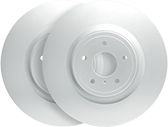

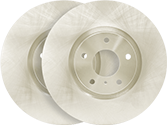



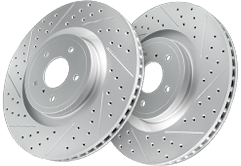

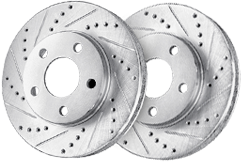

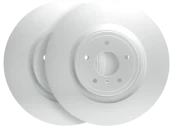

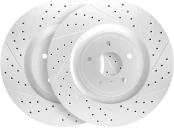

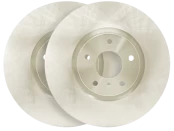











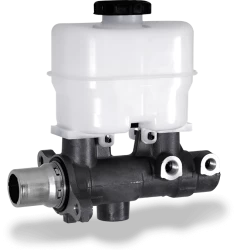





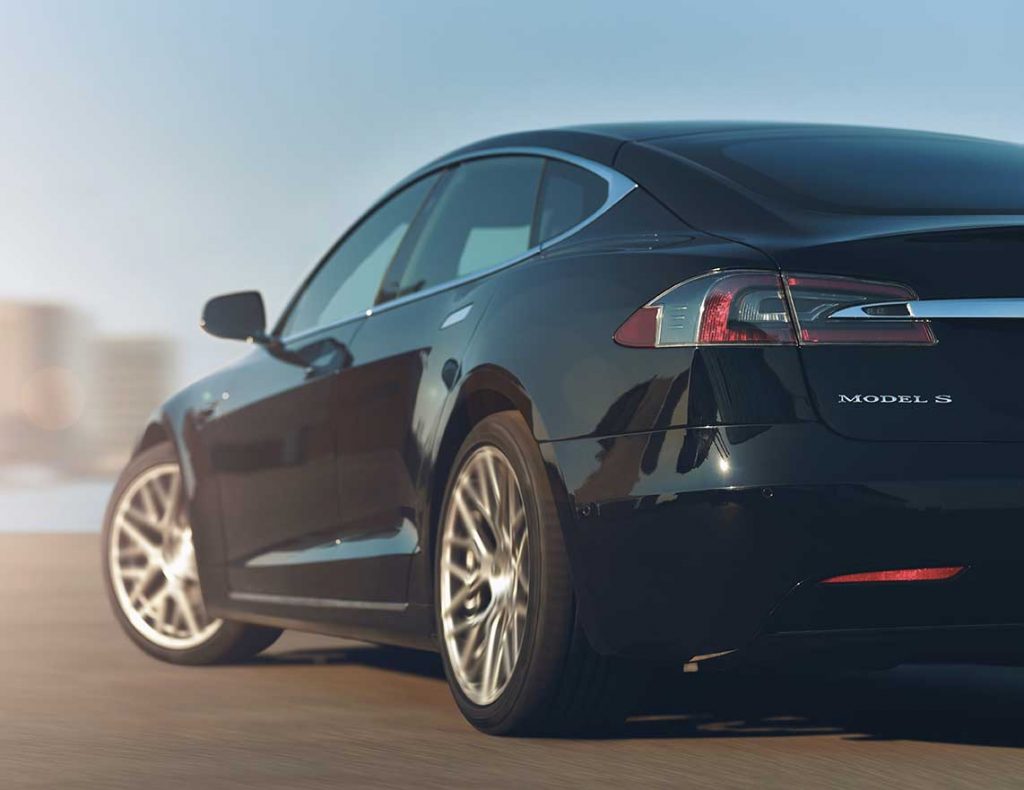

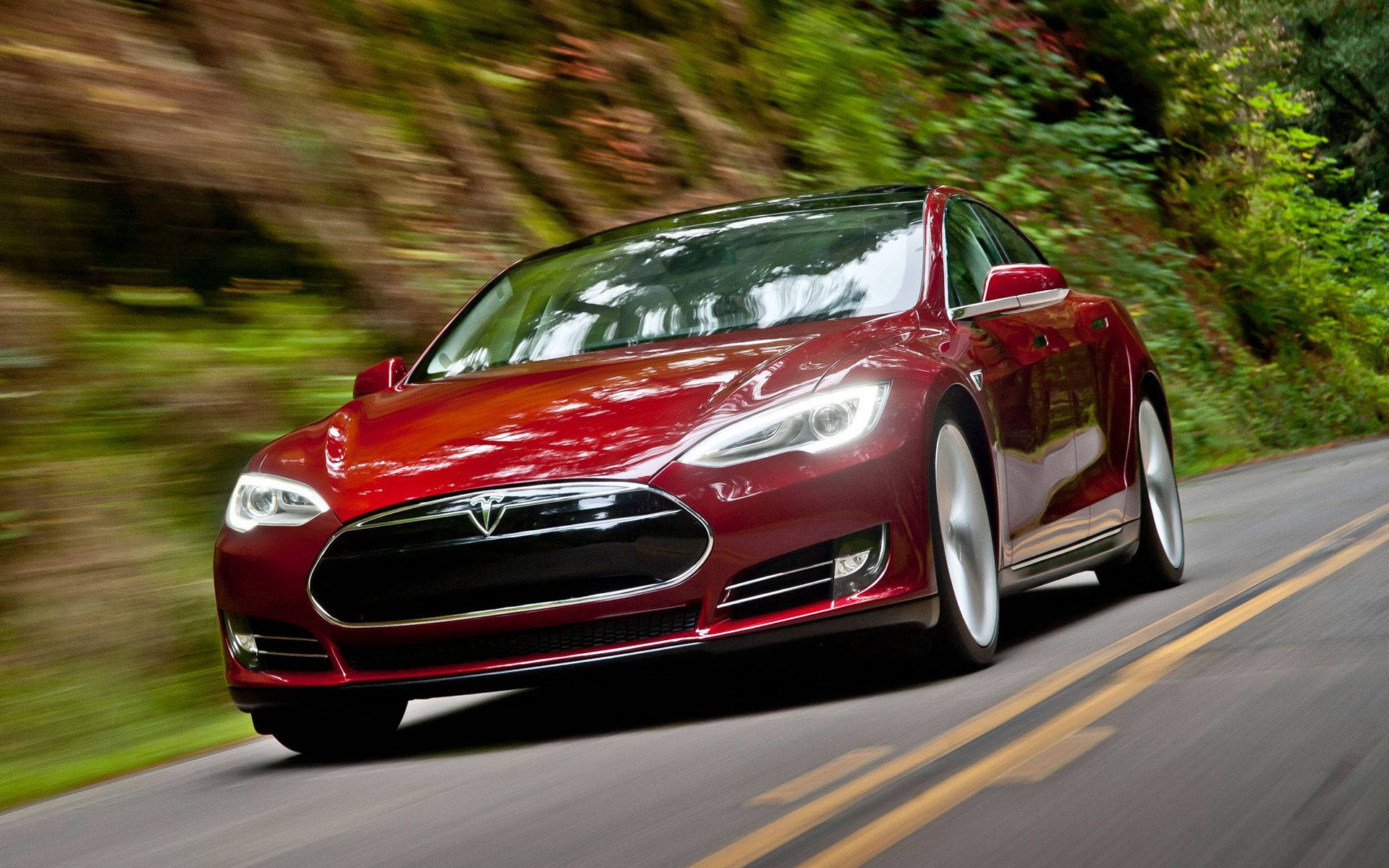
:max_bytes(150000):strip_icc()/GettyImages-1494888410-c8b4c4bc55814f31bc437713b8467636.jpg)