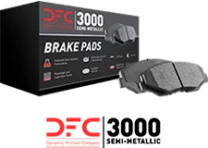
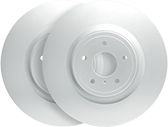
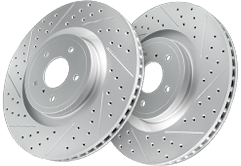
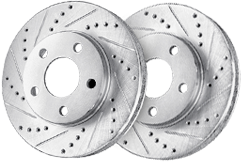
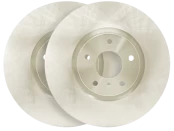
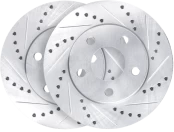
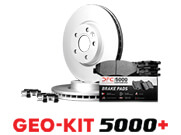
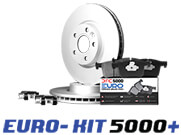
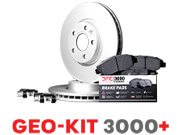
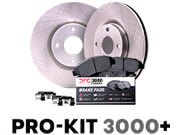
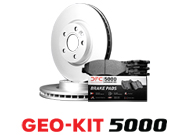
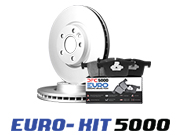
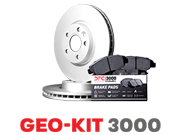
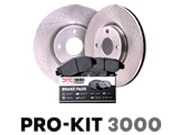
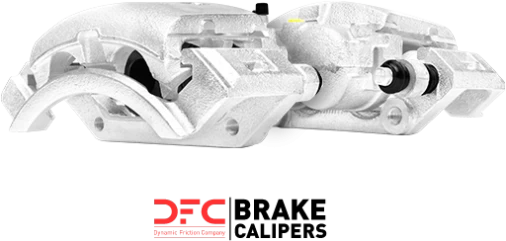
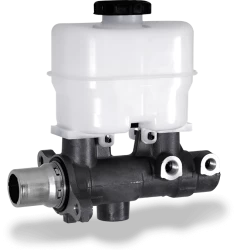
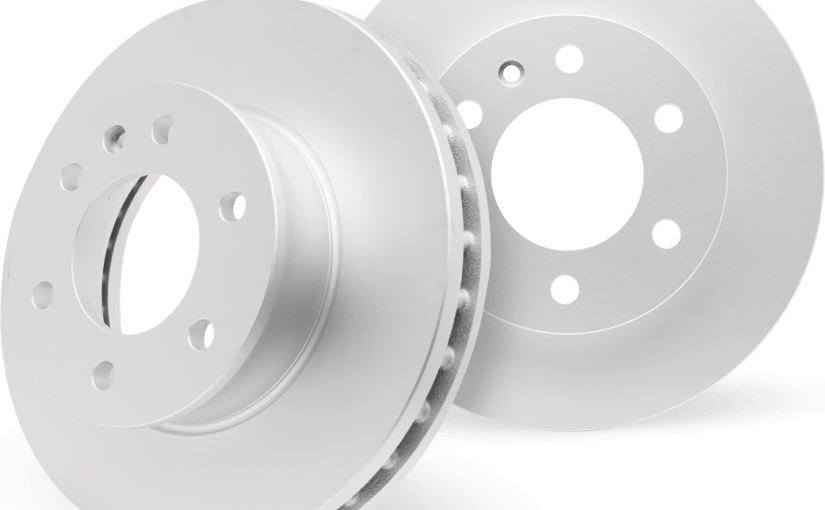
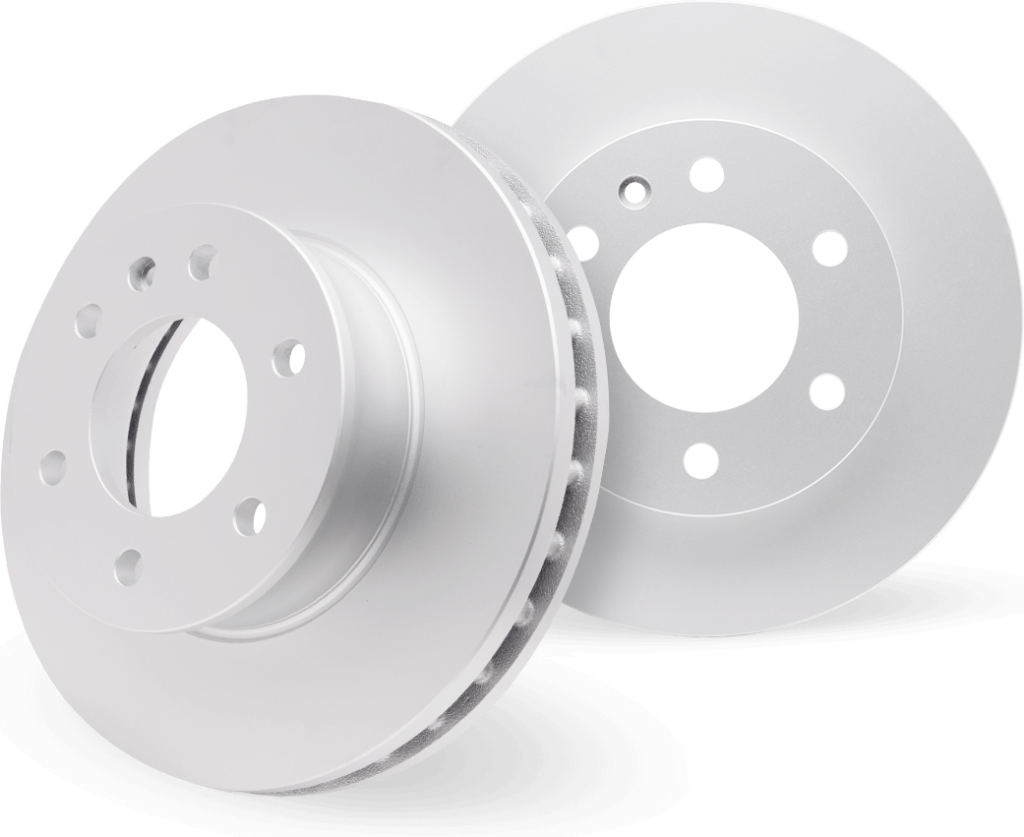
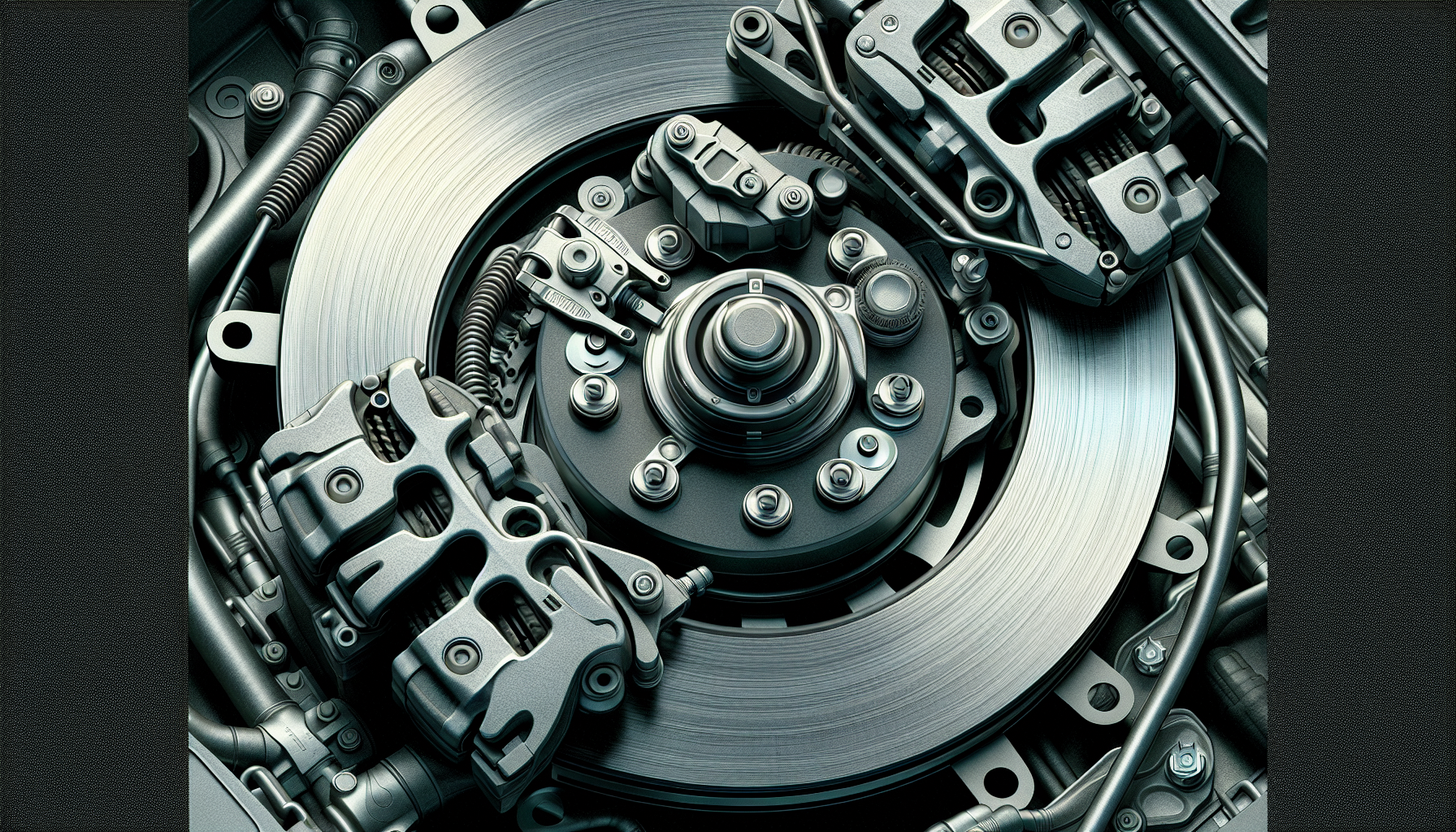
The 2025 Nissan Murano combines bold design with everyday comfort, giving drivers a refined experience on the road. And when it comes to braking, performance and reliability are key. That is why this week’s Must-Have Monday highlight is the DFC 5000 Brake Kit with GeoSpec Rotors, built to deliver OE-level precision, smooth stops, and long-lasting durability.
Why the DFC 5000 Brake Kit is the Right Choice
Dynamic Friction Company engineers every braking solution to meet or exceed OEM standards. For the 2025 Nissan Murano, our DFC 5000 Series brake pads and GeoSpec Rotors work together to provide the performance, consistency, and dependability that drivers need.
Kit Highlights
OEM-level fit and feel for seamless installation and factory-like performance
Rust-resistant GeoSpec coating for long-lasting protection against corrosion
Mill-balanced rotors designed for smooth, vibration-free braking
Low-dust, quiet ceramic pads that reduce noise and keep wheels cleaner
All-in-one convenience with pads, rotors, and hardware included in one complete kit
Performance You Can Count On
Whether your customers are commuting, taking a family road trip, or simply enjoying the open highway, the DFC 5000 Brake Kit with GeoSpec Rotors delivers reliable stopping power in every condition. For shops and distributors, these all-in-one kits save time on the shelf and in the bay, with each component precision-engineered for fit, performance, and long-term reliability.
As one of the first aftermarket brake manufacturers to release a complete solution for the 2025 Nissan Murano, DFC helps technicians, shop owners, and distributors stay ahead of the market with premium parts supported by top-tier fill rates and service.
Upgrade the 2025 Nissan Murano with DFC
Replace factory brakes with proven performance. The DFC 5000 Brake Kit with GeoSpec Rotors gives you and your customers confidence with every stop.
Visit dynamicfriction.com or connect with your local DFC sales representative to download the full application sheet organized by make and model.
When it comes to modern SUVs, braking performance is just as important as power and comfort. That’s why DFC now offers a complete line of high-performance brake parts for the 2023 and 2025 Honda Pilot. Designed for vehicles equipped with advanced safety and performance systems, these components meet original equipment standards and serve as direct replacements for factory-installed parts.
Engineered for the Versatile SUV Driver
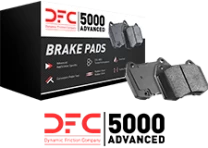
The Honda Pilot is built for drivers who expect confidence on every road, from daily commutes to off-road adventures. With features like advanced brake force distribution and hill descent control, it demands replacement parts that match OEM performance. That’s where the DFC 5000 Advanced Series Brake Pads and GeoSpec Coated Rotors deliver.
Manufactured using positive mold technology, these brake pads ensure consistent performance and quality. Built to original equipment specifications with enhanced thermal stability and reliable bite, this combination results in:
Consistent pedal feel
Resistance to brake fade
Longer rotor life with pad-friendly formulations
Each component is matched to the specific demands of the Honda Pilot’s braking system. Friction materials and hardware are selected to deliver both performance and safety. Components are also tailored per axle to maintain balance and control during braking.
Complete Brake Solution for Honda Pilot
DFC is among the first aftermarket suppliers to offer a complete braking solution for the 2023 and 2025 Honda Pilot. Available parts include:
Rear brake pad and rotor options are also available to ensure complete axle coverage. All components are stocked and ready for immediate installation, helping distributors and shops minimize downtime.
Each part is tested for exact fitment, long-term durability, and consistent performance. DFC components meet or exceed industry standards for safety and reliability.
For added convenience, these parts are also available in all-in-one brake kits, which reduce inventory clutter and save time during installation.
Confirmed Vehicle Compatibility
DFC brake parts are engineered to integrate seamlessly with the Pilot’s advanced safety and driver assistance systems. Correct fitment and the proper friction profile are critical for maintaining braking performance and control.
Our brake pads are developed to deliver reduced noise, low vibration, and extended pad life. The result is a smoother, quieter ride and confident stopping in every driving condition.
Upgrading the brakes on your Pilot is about more than just replacing worn components. It’s about choosing parts that protect passengers, preserve vehicle value, and provide lasting performance. DFC parts help drivers get the most from every mile and give the Pilot the braking capability it was built to handle.
Ready to Ship
DFC leads the market with fast catalog expansion and strong partner support. We maintain high fill rates and responsive customer service so you can stay ahead of demand. Whether managing warehouse inventory or working in the shop, our Honda Pilot brake parts are ready when you are.
We also value customer feedback. Ordering through DFC is secure, and we encourage customers to share their experiences after installation.
How to Order
If you missed this week’s Must Have Monday announcement, connect with your DFC sales rep or visit dynamicfriction.com to download the full application sheet. It is organized by make and model for easy reference and includes the latest Honda Pilot coverage. When ordering brake kits, always confirm wheel fitment if aftermarket wheels are installed.
Be sure to check back every Monday for new product launches and expanded coverage from the DFC team.
When you’re pushing heavy loads at speed, braking power becomes just as important as horsepower. That’s why DFC now offers a complete line of high-performance brake parts for the 2024 and 2025 Chevy Tahoe RST. Designed for modern vehicles equipped with advanced safety and performance systems, these components meet original equipment standards and serve as direct replacements for factory-installed parts.
Engineered for the Performance SUV Driver
The Chevy Tahoe RST is built for drivers who demand more from their SUV, whether towing, cruising, or taking sharp corners with confidence. Braking performance is critical to that experience. That’s where the DFC 5000 Advanced Series Brake Pads and GeoSpec Coated Rotors come in.
Manufactured using positive mold technology, these brake pads ensure consistent performance and quality. The pads and rotors are built to original equipment specifications with enhanced thermal stability and reliable bite. This results in:
Consistent pedal feel
Resistance to brake fade
Longer rotor life with pad-friendly formulations
Each component is matched to the specific demands of the Tahoe RST’s braking system. Friction materials and hardware are selected to meet the needs of both performance and safety. Components are also tailored per axle to maintain balance and control during braking.
Complete Brake Solution for Chevy Tahoe RST
DFC is one of the first aftermarket suppliers to offer a complete braking solution for the 2024 and 2025 Tahoe RST. Available parts include:
Rear brake pad and rotor options are also available to ensure full axle coverage. All components are stocked and ready for immediate installation, minimizing downtime for both distributors and shops.
Each part is tested for exact fitment, long-term durability, and consistent performance. DFC components meet or exceed industry standards for safety and reliability.
For added convenience, these parts are available in all-in-one brake kits. These kits help reduce inventory clutter and save time during the installation process.
Confirmed Vehicle Compatibility
DFC brake parts are engineered to integrate seamlessly with the Tahoe’s advanced safety and driver assistance systems. Proper fitment and the correct friction profile are critical for maintaining performance and control.
Our brake pads are developed to deliver reduced noise, low vibration, and extended pad life. The result is a smoother, quieter ride and confident stopping in every driving condition.
Upgrading the brakes on your Tahoe is about more than just replacing worn parts. It’s about choosing components that protect passengers, preserve vehicle value, and provide lasting performance. DFC parts help you get the most from every mile and give your Tahoe the braking capability it was built to handle.
Ready to Ship
DFC continues to lead the market by offering fast catalog expansion and excellent partner support. We maintain high fill rates and responsive customer service to help you stay ahead of demand. Whether you are managing warehouse stock or turning wrenches in the shop, our Tahoe RST parts are ready when you are.
We also take customer trust seriously. Ordering through DFC is secure, and we encourage customers to leave reviews of their experience after installation.
How to Order
If you missed this week’s Must Have Monday announcement, connect with your DFC sales rep or visit dynamicfriction.com to download the full application sheet. It is organized by make and model for easy reference and includes the latest Tahoe RST coverage. When ordering brake kits, always confirm wheel fitment if aftermarket wheels are installed.
Be sure to check back every Monday for new product launches and expanded coverage from the DFC team.
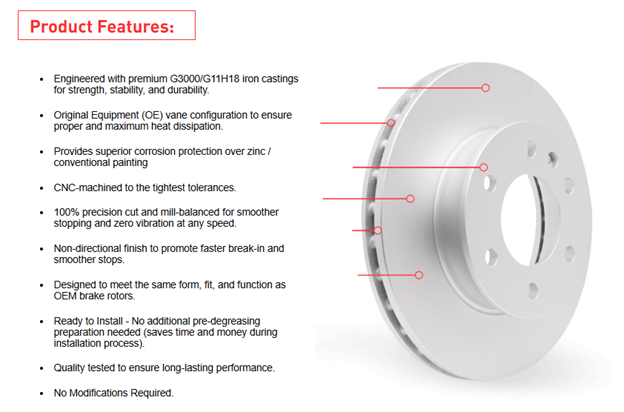
Developed to form a durable and attractive silver-gray finish, DFC GEOSPEC Coated Brake Rotors fight rust far better than conventional paint or zinc coatings.
When it comes to brake performance, longevity, and reliability, achieving a balance in brake pad selection is crucial for optimal performance and disc longevity. Additionally, certain aluminium alloys containing copper affect their susceptibility to corrosion. At Dynamic Friction Company (DFC), our corrosion-resistant GeoSpec Coated Brake Rotors set the industry standard, offering superior protection and performance compared to competitors. With cutting-edge engineering and a focus on customer value, DFC ensures your braking system operates at peak efficiency for longer.
The Problem with Corrosion in Braking Systems
Corrosion can significantly impact the effectiveness and lifespan of brake components. When rotors and other metal components, including iron, are exposed to moisture, road salt, and other environmental factors, they begin to rust. This corrosion weakens the structural integrity of the rotor, compromises braking performance, and accelerates wear. For drivers, this means increased maintenance costs and potential safety risks.
Advanced Corrosion Protection Technology
In the realm of corrosion protection, advancements in technology have significantly enhanced our ability to safeguard metal surfaces. At the forefront of this innovation is the development of new materials and manufacturing processes that provide added protection against rust and corrosion. One of the most effective methods is the application of anti-rust technology, which involves coating metal surfaces to prevent rust formation.
Various types of coatings, such as epoxy, acrylic, and ceramic, offer unique properties tailored to specific needs. Epoxy coatings, renowned for their high corrosion resistance, are ideal for high-traffic areas and environments exposed to harsh elements. Acrylic coatings, known for their flexibility, are perfect for applications where the metal surface experiences movement or vibration. Ceramic coatings, on the other hand, provide exceptional heat resistance and durability.
Beyond coatings, other technologies like corrosion inhibitors play a crucial role. These chemicals, when applied to metal surfaces, actively prevent corrosion. Additionally, the use of corrosion-resistant materials such as stainless steel and titanium offers an alternative to traditional metals, ensuring longevity and durability.
By leveraging advanced corrosion protection technology, it is possible to achieve the best results in protecting metal surfaces. Whether through innovative coatings or the use of superior materials, these advancements ensure that metal components remain resilient and functional over time, providing peace of mind and reducing maintenance costs.
By following this structured approach, the new sections will seamlessly integrate into the existing article, maintaining consistency in tone and style while providing valuable information on advanced corrosion protection technology.
How DFC’s GeoSpec Coating Provides Corrosion Protection
DFC GeoSpec Coated Brake Rotors are engineered with a patented coating technology that forms a durable silver-gray finish. Unlike conventional paints or zinc coatings, our coating is specifically designed to provide superior corrosion resistance in the harshest conditions.
Key features of DFC’s GeoSpec Coating include:
Enhanced Rust Prevention: Outperforms standard coatings to protect against rust and environmental wear.
Durable, Attractive Finish: The silver-gray finish maintains its appearance and performance over time.
Ready-to-Install Design: Processed and shipped dry, eliminating the need for additional cleaning or preparation.
Weight Management: Helps manage the weight of the braking system, reducing strain and enhancing performance.
What Sets DFC Apart from the Competition
Patented Technology: While many competitors use basic zinc or paint coatings, DFC’s patented solution provides longer-lasting and more effective protection.
Non-Directional Finish: Promotes quicker and more even brake pad bed-in for smoother stops and reduced noise, enhancing overall braking speed.
High Carbon Content: Improves durability, noise dampening, and overall rotor performance.
Industry-Standard Compliance: GeoSpec rotors meet or exceed the highest quality standards, ensuring safety and reliability for all vehicle types.
Benefits for Drivers and Technicians
For vehicle owners, DFC GeoSpec Coated Brake Rotors mean fewer replacements and greater peace of mind. Technicians benefit from the time-saving ready-to-install design, reducing labor costs and improving efficiency in the shop.
Proven Performance Across All Applications
DFC’s GeoSpec Coated Rotors are ideal for a wide range of vehicles, from daily drivers to heavy-duty applications. Whether you face harsh winters, frequent road salt exposure, or high-performance braking demands, these rotors provide unmatched resilience and reliability.
Choose DFC for Long-Lasting Braking Solutions
At DFC, we’re committed to innovation, quality, and value. Our corrosion-resistant GeoSpec Coated Brake Rotors outperform competitors by delivering durable, ready-to-install solutions that keep your vehicle’s braking system in top shape.
When you need brake components that stand the test of time, DFC is the name to trust.
In the world of automotive braking systems, Dynamic Friction Company’s GeoPerformance Brake Rotors stand out as a pinnacle of innovation and reliability. Engineered to meet the demands of modern vehicles, these high-performance brake components include a variety of parts such as rotors, calipers, and pads, designed for drivers who refuse to compromise on safety, durability, and performance.
Whether you’re a daily commuter, a performance enthusiast, or a professional in the automotive industry, DFC GeoPerformance Brake Rotors offer a cutting-edge solution to enhance braking power and efficiency.
What Makes DFC GeoPerformance Brake Rotors Exceptional?
1. Advanced Corrosion Resistance
DFC GeoPerformance Brake Rotors feature a patented GeoSpec™ coating that provides superior corrosion resistance compared to conventional paint or zinc coatings. The durable silver-gray finish not only looks great but also ensures long-lasting protection against rust, making them perfect for all driving environments, including harsh weather conditions.
2. Ready-to-Install Convenience
These rotors are processed and shipped dry, meaning they’re installation-ready straight out of the box. No additional cleaning or preparation is required, saving valuable time and reducing installation costs.
3. Engineered for Superior Performance
Each rotor is crafted with precision to meet or exceed OEM standards. Machining processes are crucial in achieving a smooth finish and proper balance during the production of rotors, ensuring they meet OEM specifications and performance standards. The non-directional finish promotes faster and more even brake pad bed-in, resulting in quieter stops and smoother braking. Additionally, the high carbon content enhances noise dampening and heat dissipation for consistent performance.
4. Tailored for a Wide Range of Vehicles
Whether you drive a sedan, SUV, light-duty truck, or performance vehicle, GeoPerformance Brake Rotors are designed to fit a vast array of foreign and domestic models, making them a versatile choice for virtually any driver.
Benefits of Upgrading to GeoPerformance Brake Rotors
Enhanced Safety
The non-directional finish and precise engineering ensure optimal contact between the rotor and brake pads, reducing stopping distances and improving overall vehicle safety.
Durability You Can Trust
The combination of high carbon content and advanced coating technology ensures long-lasting performance, even under extreme driving conditions.
Why Choose DFC for Your Braking Needs?
As a leader in the automotive industry, Dynamic Friction Company is dedicated to delivering OE-quality brake products that drivers and professionals can rely on. Backed by extensive research and development, DFC’s products are meticulously tested to ensure they meet the highest standards of quality, performance, and safety.
DFC’s offerings include essential hardware components designed for optimal performance on the race track.
From the patented GeoSpec™ coating to the high-carbon content, every detail of the GeoPerformance Brake Rotors is designed with the user in mind. When you choose DFC, you’re investing in a product that embodies innovation, reliability, and value.
How to Get Started
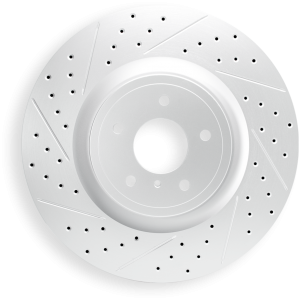
Upgrading your vehicle with DFC GeoPerformance Brake Rotors is a step toward safer, more efficient driving. Whether you’re a DIY enthusiast or a professional installer, these rotors make the installation process seamless and hassle-free. Features like drilled holes and slots improve performance by enhancing braking efficiency and reducing debris from the road.
Visit DFC’s official website or contact your local distributor to find the perfect fit for your vehicle. Experience the DFC difference today!
When it comes to heavy-duty vehicles and performance applications, the demands on braking systems are higher than ever. From extreme heat to constant pressure, brakes in these situations face relentless challenges. Carbon alloy rotors, such as DFC GeoSpec® Coated Brake Rotors, provide a cutting-edge solution designed to perform under the most demanding conditions, ensuring superior brake performance in these challenging environments.
Introduction to Carbon Alloy Rotors
Carbon alloy rotors represent a significant advancement in braking technology, combining the strength of alloy materials with the high-performance characteristics of carbon. These rotors are engineered to deliver maximum performance, particularly in high-temperature braking scenarios. Whether it’s a high-performance sports car, a racing vehicle, or a heavy-duty truck, carbon alloy rotors provide the reliability and durability needed to handle extreme conditions. Unlike traditional steel rotors, carbon alloy rotors offer superior braking performance, significantly reducing brake fade and enhancing overall durability. This makes them an ideal choice for applications where consistent and powerful braking is crucial.
What Makes Carbon Alloy Rotors Different?
Carbon alloy rotors are crafted using a specialized combination of materials, including carbon and other advanced alloys, to enhance their strength, heat resistance, and performance. This unique composition gives them a distinct edge in heavy-duty applications. Here’s how:
The installation process is streamlined, as the special coating on these rotors can be safely swept away by the friction of the brake pads, saving time and ensuring a clean installation.
Superior Thermal Stability: In heavy-duty applications, brakes generate immense heat during operation. Carbon alloy rotors, like DFC GeoSpec® Coated Brake Rotors, are designed to dissipate this heat more efficiently, maintaining stable performance and reducing the risk of overheating.
Increased Strength and Durability: The advanced alloy composition improves the overall structural integrity of the rotor, making it highly resistant to wear and warping under intense pressure. This durability ensures consistent braking performance, even in the harshest conditions.
Exceptional Noise Reduction: Carbon alloy materials provide excellent damping characteristics, minimizing vibrations and noise during braking. This is particularly beneficial for commercial fleets and heavy-duty vehicles where noise reduction is a priority.
Advanced Corrosion Resistance: Corrosion can significantly impact braking performance over time. The GeoSpec® coating on DFC Carbon Alloy Rotors offers a durable, silver-gray finish that outperforms traditional paint and zinc coatings in preventing rust, ensuring a longer lifespan. Additionally, the special coating can be safely swept away during the installation process, preventing any harmful effects and saving time for mechanics.
Design and Manufacturing of Carbon Alloy Rotors
The design and manufacturing of carbon alloy rotors involve cutting-edge technology and meticulous craftsmanship. Using advanced computer-aided design (CAD) software, engineers create precise rotor designs that optimize performance and durability. The manufacturing process integrates carbon fibers with alloy materials such as steel or aluminum, resulting in a rotor that is both strong and lightweight. Each rotor is machined to exact specifications and coated with a durable finish to prevent corrosion. This rigorous process ensures that carbon alloy rotors not only enhance brake system performance but also significantly reduce brake noise, providing a smoother and quieter driving experience.
Ideal Applications to Optimize Brake System Performance with Carbon Alloy Rotors
Carbon alloy rotors excel in various heavy-duty and performance applications, including:
Towing and Hauling: Vehicles pulling heavy trailers rely on rotors with superior heat dissipation and strength. For towing and hauling, slotted rotors are particularly beneficial as they help expel brake dust and reduce heat buildup, ensuring reliable performance.
Commercial and Fleet Vehicles: Delivery trucks, emergency vehicles, and utility vans benefit from the durability and consistency of carbon alloy rotors. In commercial and fleet vehicles, the ability to effectively manage brake dust accumulation is crucial for maintaining optimal braking performance.
Off-Road and Performance Applications: Carbon alloy rotors offer the strength and heat resistance needed for challenging terrains and high-performance driving.
Thermal Management and Cooling
One of the standout features of carbon alloy rotors is their exceptional ability to manage high operating temperatures. Additionally, carbon alloy rotors are designed to work seamlessly with advanced brake pads, optimizing brake system performance even in the most demanding high-temperature applications. This combination ensures that the braking system remains effective and reliable, regardless of the operating conditions.
Maintenance and Repair
Maintaining carbon alloy rotors is essential to ensure their optimal performance and longevity. Regular inspections are crucial to identify any signs of wear and tear, and brake pads should be replaced as needed to maintain effective braking. If the rotors become excessively worn or damaged, they can be resurfaced or replaced. Following proper installation procedures is also vital to ensure safe and effective braking performance. On average, a brake job involving carbon alloy rotors takes about 1.25 to 2.5 hours per axle, depending on the complexity of the job and the technician’s expertise. This maintenance routine helps in preserving the high performance and reliability of the braking system.
Why Choose DFC Carbon Alloy Rotors?
Dynamic Friction Company’s GeoSpec® Coated Brake Rotors are engineered with advanced carbon alloy technology to deliver exceptional performance under pressure. Designed to meet or exceed OEM standards, these rotors provide superior stopping power, reduced noise, and long-lasting durability.
In addition to their performance benefits, DFC rotors come ready for installation right out of the box, eliminating the need for additional preparation and saving valuable time for both professional installers and DIY enthusiasts.
Cost-Benefit Analysis
While carbon alloy rotors offer numerous advantages over traditional steel rotors, including improved braking performance, reduced brake fade, and increased durability, they also come at a higher cost. The decision to invest in carbon alloy rotors depends on several factors, such as the type of vehicle, driving conditions, and personal preferences. For high-performance vehicles or heavy-duty trucks, the enhanced braking performance and durability of carbon alloy rotors can justify the higher investment. However, for standard passenger vehicles, traditional steel rotors might be a more cost-effective option. Ultimately, the cost-benefit analysis should consider the specific needs and usage scenarios to determine the most suitable choice.
Conclusion: A Smarter Choice for Heavy-Duty Braking at High Operating Temperatures
When it comes to heavy-duty braking applications, DFC Carbon Alloy Rotors are the perfect choice for reliable, consistent performance. Their enhanced strength, heat resistance, and corrosion protection make them a dependable solution for towing, hauling, and performance driving.
Investing in DFC rotors means equipping your vehicle with state-of-the-art technology designed to perform in the most demanding conditions. Choose DFC GeoSpec® Coated Brake Rotors and experience the difference carbon alloy rotors can make for your vehicle.
Brake rotors are critical to a vehicle’s overall performance, safety, and longevity. While much attention is given to materials and coatings, the surface finish of a rotor is just as important. One key innovation in modern brake rotor manufacturing is the non-directional finish, a feature that ensures improved braking performance and longevity. Let’s explore why non-directional finishes matter and how DFC GeoSpec® Coated Brake Rotors incorporate this advanced technology.
Understanding Brake Rotors and Brake Pads
Brake rotors and brake pads are the heart of your vehicle’s brake system, working together to ensure safe and effective stopping power. The brake rotor, a circular disc attached to each wheel, is designed to convert kinetic energy into thermal energy during braking. Meanwhile, the brake pad, made of friction material, presses against the rotor to slow or stop the vehicle.
When you press the brake pedal, the brake pads clamp down on the rotors, creating friction. This friction converts the vehicle’s forward momentum into heat, which is then dissipated into the air around the wheel. The brake system’s efficiency hinges on the quality and condition of both the brake rotors and brake pads. A well-maintained brake system ensures that your vehicle stops smoothly and safely, providing peace of mind on the road.
What is a Non-Directional Finish on Brake Rotors?
A non-directional finish is a uniform surface pattern applied to the brake rotor during manufacturing. This process eliminates the circular or directional grooves that often result from machining and instead creates a smooth, consistent surface.
A special rotor refinishing brush is often used to achieve this finish, sanding both sides of the rotor while it rotates on a lathe. The finish is achieved through a precision process such as fine sanding or machining with specialized equipment. It results in a surface that promotes even wear and optimized brake pad contact.
The Benefits of Non-Directional Finishes in Reducing Brake Noise
Faster and More Even Pad Bedding: Bedding in brake pads is essential to ensure they properly conform to the rotor surface. A non-directional finish accelerates this process by providing an even, consistent surface for brake pad material transfer. This leads to smoother stops right from the first drive.
Reduced Brake Noise and Vibrations: Directional finishes can create uneven friction surfaces, leading to noise and vibration during braking. Non-directional finishes minimize these irregularities, resulting in quieter and more comfortable braking performance.
Improved Rotor Longevity: Uneven wear patterns caused by directional finishes can shorten a rotor’s lifespan. Non-directional finishes promote uniform contact between the rotor and pads, reducing hotspots and extending the rotor’s durability. Using a solid cast iron rotor can further enhance durability by providing a stable and consistent surface for the non-directional finish.
Enhanced Brake Performance: Consistent friction between the rotor and pads is crucial for reliable stopping power. The non-directional finish ensures that the brake pads can generate even pressure, delivering optimal performance in all driving conditions.
Reducing Brake Noise
Brake noise can be an annoying and sometimes alarming issue, but it’s often a sign that your brake system needs attention. Common causes of brake noise include worn-out brake pads, warped rotors, and loose brake components. Here are some practical tips to help you reduce brake noise and ensure a quieter ride:
Inspect Brake Pads and Rotors: Regularly check your brake pads and rotors for signs of wear and tear. If they are worn down or damaged, replace them promptly to maintain optimal braking performance.
Check the Brake Caliper: Look for any signs of damage or corrosion on the brake caliper. Clean or replace it if necessary to ensure it functions correctly.
Apply High-Temperature Brake Lubricant: Use a high-temperature brake lubricant on the backs of the brake pads and the points where the pads contact the caliper. This helps to dampen vibrations and reduce noise.
Lubricate Caliper Mounts, Shims, and Bushings: Proper lubrication of these components can further dampen vibrations and minimize noise.
Upgrade to High-Quality Brake Pads: Consider investing in high-quality brake pads designed to reduce noise and vibration. These pads often feature advanced friction formulations that provide smoother and quieter braking.
By following these tips, you can significantly reduce brake noise and enjoy a more comfortable driving experience.
The Role of Friction Material in Brake Performance
Friction material is a critical component of brake pads, directly influencing the performance and reliability of your brake system. The friction material provides the necessary grip to slow or stop the vehicle, and different types of friction materials offer unique benefits:
Semi-Metallic Friction Materials: Commonly used in brake pads, semi-metallic materials are known for their high friction coefficient and durability. They are ideal for a wide range of driving conditions and provide reliable performance.
Low-Metallic Friction Materials: These materials are designed to offer a smoother braking experience and are often used in high-performance vehicles. They provide excellent stopping power while minimizing noise and dust.
Ceramic Friction Materials: Known for their high heat resistance, ceramic materials are often used in heavy-duty applications. They offer superior performance under extreme conditions and are less prone to wear and tear.
Choosing the right friction material depends on your vehicle’s specific requirements and driving conditions. It’s essential to select a friction material that is compatible with your brake system and provides the necessary friction to ensure safe and reliable braking performance. By understanding the role of friction material, you can make informed decisions that enhance your vehicle’s braking efficiency and safety.
DFC GeoSpec® Coated Brake Rotors: Engineered with Precision
At Dynamic Friction Company (DFC), we understand the importance of advanced rotor technology. That’s why our GeoSpec® Coated Brake Rotors are manufactured with a precision-applied non-directional finish. Our manufacturing process utilizes bench brake lathes to ensure the correct rotor finish, reducing noise and improving performance.
Non-Directional Surface: Promotes even brake pad bedding and reduces noise.
Corrosion-Resistant Coating: Protects the rotor from rust, extending its lifespan.
OEM Standard Performance: Designed to meet or exceed original equipment specifications.
This combination of innovative features ensures that DFC rotors deliver the reliability and performance that drivers expect.
Applications of Non-Directional Finishes in the Brake System
Non-directional finishes are particularly beneficial for:
Daily Drivers: Enhances performance and longevity for everyday use. This finish is particularly advantageous for rear brakes, ensuring consistent performance and reduced maintenance.
Fleet and Commercial Vehicles: Reduces maintenance costs by preventing premature wear. Non-directional finishes are also beneficial for drum brakes, enhancing their performance and longevity.
Performance Vehicles: Provides consistent braking under high-stress conditions. A non-directional finish on the rotor disc ensures optimal braking performance under high-stress conditions.
Whether you’re looking for smoother stops or improved rotor life, rotors with a non-directional finish are the smart choice.
Conclusion: The Details Make the Difference
When it comes to brake rotors, the surface finish isn’t just a detail—it’s a defining factor in performance and durability. Non-directional finishes ensure faster bedding, reduced noise, and longer rotor life, making them essential for modern braking systems.
At DFC, we’re proud to offer rotors like our GeoSpec® Coated Brake Rotors, which incorporate this advanced feature to deliver exceptional quality and value. Invest in rotors with non-directional finishes to ensure your vehicle’s brakes perform at their best.
When it comes to vehicle safety and performance, reliable braking is crucial. Dynamic Friction Company (DFC) has designed its GeoSpec Coated Brake Rotors to address common challenges in the braking world, especially in resisting corrosion, improving longevity, and simplifying installation. The coating is designed to form a durable finish that enhances corrosion resistance. In this blog, we’ll dive into the unique benefits of DFC GeoSpec Coated Brake Rotors and how they help ensure a smooth, safe, and consistent ride for all types of vehicles.
1. What are GeoSpec Coated Brake Rotors?
GeoSpec Coated Brake Rotors are a premium line of brake rotors meticulously designed to deliver superior braking performance and exceptional corrosion resistance. Each rotor boasts a durable and attractive silver-gray finish, specifically developed to withstand the harsh conditions of the brake system. This advanced coating is applied using a proprietary process that ensures a consistent and even layer, providing optimal protection against rust and corrosion. With GeoSpec Coated Brake Rotors, drivers can expect not only improved braking performance but also reduced noise and vibration, and increased durability. These rotors are engineered to maintain their integrity and appearance, even in the most challenging environments, making them a reliable choice for any vehicle.
Exceptional Coated Corrosion Resistance
One of the standout features of DFC GeoSpec Coated Brake Rotors is their remarkable corrosion resistance. The coating is designed to form a durable finish that enhances the product’s resistance to rust. Each rotor is coated with a proprietary silver-gray finish, designed to outperform traditional coatings like zinc or standard paint. This advanced finish guards against rust in a way that ordinary coatings cannot, making these rotors particularly beneficial for vehicles that encounter humid, coastal, or snowy environments where exposure to salt and moisture is higher.
Corrosion resistance is more than just an aesthetic advantage. By preventing rust buildup, GeoSpec Coated Rotors reduce the risk of rotor wear and distortion, which can compromise braking performance over time. For drivers, this means longer-lasting brake components and reduced maintenance costs.
2. Ready-to-Install Convenience
DFC’s GeoSpec rotors are shipped dry and ready for installation, meaning that no extra cleaning or preparation is required. For installers and DIY mechanics, this convenience saves valuable time and effort, making the installation process smoother and faster. Unlike rotors that need additional steps to clean off oils or residues, GeoSpec rotors go straight from the box to the vehicle.
3. Improved Brake Pad Bed-In
Each DFC GeoSpec Coated Brake Rotor is crafted with a non-directional finish, which promotes faster and more even brake pad bed-in. The bed-in process is crucial for establishing the friction material on new pads, ensuring a solid contact surface between the pad and rotor. When this is achieved, the result is quieter, more responsive braking and smoother stops.
Thanks to this unique finish, DFC GeoSpec Coated Brake Rotors reduce the time it takes for new brake pads to reach optimal performance, giving drivers confidence from the start.
4. High Carbon Content for Durability
DFC’s GeoSpec rotors also feature a high carbon content, which enhances their durability and performance. High carbon rotors dissipate heat more effectively, making them highly resistant to the warping and thermal damage that can occur under repeated, intense braking conditions. For drivers who frequently engage in stop-and-go traffic or live in areas with mountainous terrain, this heat resistance is a key advantage.
Additionally, the high carbon content helps dampen vibrations, contributing to a quieter ride by reducing noise, vibration, and harshness (NVH). This is a benefit not only for driver comfort but also for extended brake life and reduced wear on the braking system overall.
6. Improved Heat Dissipation and Gas Escape
The unique design of GeoSpec Coated Brake Rotors significantly enhances heat dissipation and gas escape, ensuring consistent performance even under high operating temperatures. The non-directional finish of the rotor surface plays a crucial role in dissipating heat more efficiently, thereby reducing the risk of brake fade and warping. This meticulous coating process ensures that the braking surfaces are free from imperfections, allowing for optimal contact between the brake pads and the rotor. As a result, drivers experience improved braking performance, reduced noise and vibration, and increased efficiency. This design not only enhances the overall performance of the brake system but also contributes to a smoother and more reliable driving experience.
7. The Electrophoretic Coating Process
The Electrophoretic coating process used on GeoSpec Coated Brake Rotors represents a state-of-the-art technology that guarantees 100% coating coverage of the inner vanes and all exposed non-braking surfaces. This sophisticated process involves fully immersing the rotor in a liquid medium containing suspended resin particles that are electrically charged. Under a controlled current, these particles migrate to the rotor and are uniformly deposited onto all exposed surfaces, resulting in a highly corrosion-resistant and durable coating. After the coating is applied, the rotor undergoes thorough rinsing and baking to harden the coating, ensuring a strong bond between the coating and the rotor. This meticulous process ensures that every GeoSpec Coated Brake Rotor provides long-lasting protection and performance.
5. Meets Stringent Industry Standards
DFC GeoSpec Coated Brake Rotors are engineered to meet or exceed the highest industry standards, including those set by the Original Equipment Manufacturer (OEM). By adhering to these standards, DFC ensures that every GeoSpec rotor delivers reliable, consistent performance across a wide range of vehicles. Whether it’s for daily drivers or heavy-duty applications, these rotors are crafted to provide the stability, strength, and reliability needed for safe, predictable braking.
6. Designed for Compatibility Across Vehicle Types
DFC GeoSpec Coated Brake Rotors are compatible with a wide range of vehicles, from passenger cars to SUVs and light-duty trucks. DFC’s commitment to extensive fitment coverage means that drivers across the spectrum can benefit from this cutting-edge rotor technology. By offering rotors specifically engineered to meet diverse braking demands, DFC provides a versatile solution for both foreign and domestic vehicles, giving drivers peace of mind knowing their brake system is optimized for their specific needs.
10. Warranty and Quality Assurance
GeoSpec Coated Brake Rotors are backed by a comprehensive warranty and quality assurance program, reflecting DFC’s commitment to excellence. Each rotor is machine balanced to ensure optimal brake system performance and undergoes rigorous inspection for quality and consistency. The coating process is carefully monitored to ensure that every rotor meets the highest standards of quality and performance. With GeoSpec Coated Brake Rotors, customers can have confidence in the reliability and durability of their brake system. The warranty and quality assurance program provide peace of mind, knowing that DFC stands behind their product, ensuring satisfaction and safety for all drivers.
Why Choose DFC GeoSpec Coated Brake Rotors?
The benefits of DFC GeoSpec Coated Brake Rotors go beyond basic functionality. These rotors are engineered to provide enhanced corrosion resistance, durability, and performance that can withstand the demands of various driving environments. From the advanced coating and ready-to-install convenience to high carbon content and noise-dampening features, GeoSpec rotors reflect DFC’s dedication to innovation and quality in automotive braking.
Choosing DFC GeoSpec Coated Brake Rotors means investing in a product designed to provide long-lasting performance, fewer maintenance concerns, and an overall better driving experience. For drivers, installers, and mechanics alike, GeoSpec Coated Brake Rotors are a premium solution that adds value to any braking system.
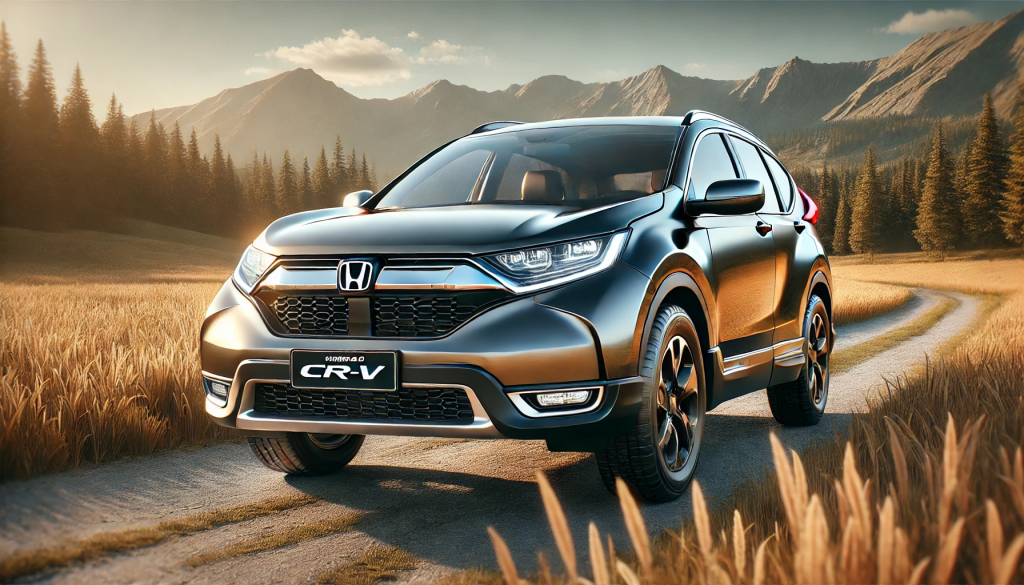
When choosing brake rotors for your Honda CR-V, it’s essential to know the options. This guide covers OEM, performance, and coated rotor types for Honda CR-Vs, specifically focusing on the various “rotor types for Honda CR-V” to help you pick the right one.
Key Takeaways
OEM brake rotors for Honda CR-V ensure compatibility, reliability, and maintain factory performance, making them ideal for authenticity and dependable performance.
Performance brake rotors, including slotted, drilled, and drilled-and-slotted designs, offer enhanced braking efficiency, superior cooling, and improved durability for demanding driving conditions.
Coated brake rotors protect against corrosion and extend lifespan, providing a practical and visually appealing option, while premium brands like R1 Concepts deliver high quality and long-term cost-effectiveness.
OEM Brake Rotors for Honda CR-V
OEM brake rotors for the Honda CR-V offer:
Compatibility and reliability, as they are designed to match the original specifications of the vehicle
Longer lifespan and consistent performance compared to many aftermarket options
High quality and durability, making them a worthwhile investment
Maintenance of the vehicle’s warranty and resale value
The benefits of choosing OEM brake rotors for your Honda CR-V are numerous:
They provide the reliability you expect from well-known brands
They maintain the factory performance and trustworthiness that comes with the original parts
This is particularly important for those who want to ensure their vehicle operates just as it did when it first rolled off the assembly line.
Additionally, OEM brake rotors, including front rotors, are often supplied in plain boxes with the car manufacturer’s logo on the part, signaling their authenticity and direct alignment with factory standards. For Honda CR-V owners who prioritize authenticity and uncompromising performance, OEM rotors are a top choice when it comes to auto parts.
Performance Brake Rotors
Performance brake rotors are designed for those who demand more from their braking system. Whether it’s for spirited driving or heavy-duty use, these rotors enhance braking power and longevity. They come in various designs, including slotted, drilled, and drilled and slotted, each tailored to manage heat and improve performance in demanding situations.
Let’s explore these designs in more detail.
Slotted Brake Rotors
Slotted brake rotors are engineered with curved slots that channel water and debris away from the brake pad surface. This design not only keeps the rotor clean but also improves braking efficiency by providing a fresh surface for the brake pads to grip.
The slotted design significantly enhances braking performance by dissipating heat more effectively, which is crucial during heavy use. By reducing the risk of brake fade, slotted rotors ensure that your Honda CR-V can handle intense braking situations without compromising safety. This makes them an excellent choice for drivers who demand consistent performance under various conditions.
Moreover, the slots help in removing debris and gases from the rotor surface, further enhancing the braking performance. This continuous clearing action ensures that the brake pads maintain optimal contact with the rotor, providing reliable stopping power every time.
Drilled Brake Rotors
Drilled brake rotors feature strategically placed holes that help ventilate heat away from the braking surface, acting as cooling vanes. This design is particularly effective in high-performance driving scenarios where excessive heat can lead to brake fade.
By allowing heat to escape through the drilled holes, these rotors maintain a cooler operating temperature, which prevents brake fade and ensures consistent braking performance. For those who push their vehicles to the limit, drilled brake rotors offer a significant advantage.
Drilled and Slotted Brake Rotors
Drilled and slotted brake rotors offer the following benefits:
Superior cooling
Enhanced braking performance
Heat management
Debris removal
Clean and efficient braking surface
This combination provides the best of both worlds, making drilled and slotted rotors ideal for drivers who need robust and reliable braking performance in various driving conditions. The superior cooling capabilities and debris removal make these rotors a top choice for those who demand the utmost from their braking system.
Coated Brake Rotors
Coated brake rotors are designed to prevent corrosion, significantly extending their lifespan. These rotors feature a protective layer that shields them from rust and wear, making them a durable and long-lasting option for Honda CR-V owners.
Brands like Dynamic Friction Company have developed advanced anti-corrosion technologies. For instance, DFC’s geospec rotors are consist zinc and aluminum flake coating that is water-based and environmentally friendly, providing excellent anti-rust protection while being eco-conscious.
In addition to their protective benefits, coated rotors also offer an improved visual appearance and can be directly fitted without the need for cleaning, saving on labor costs. This makes them a practical and aesthetically pleasing choice for those looking to maintain their vehicle’s pristine condition.
Premium Brand Options
When it comes to premium brake rotor options, brands like Dynamic Friction Company stand out. These high-quality rotors offer enhanced performance and durability, making them a preferred choice for Honda CR-V owners who prioritize quality and reliability.
Choosing a premium brand ensures that you get rotors that are designed to last longer and perform better under various conditions. While the initial cost might be higher, the long-term benefits, including fewer replacements and better overall performance, make them a cost-effective choice.
Additionally, premium brands often offer better warranties and customer support, providing peace of mind and ensuring that you get the most out of your investment. For those looking to shop for the best, premium rotors are undoubtedly worth considering.
Factors to Consider When Choosing Brake Rotors
Choosing the right brake rotors involves considering several factors to ensure optimal performance and longevity. One crucial aspect is the driving conditions. For regular driving, drilled and slotted rotors may not provide significant benefits and could result in less effective stopping under normal conditions.
The quality of the rotor material is another critical factor. High-quality materials can prevent issues like warping and ensure that the rotors last longer. It’s essential to choose rotors that meet or exceed OEM standards to get the best performance and durability.
Finally, compatibility with your Honda CR-V is paramount. Ensuring that the rotors fit perfectly with your vehicle’s braking system is crucial for maintaining optimal performance and safety. Always check the specifications and consult with a professional if necessary.
How to Replace Front Brake Rotors on a Honda CR-V
Replacing the front brake rotors on your Honda CR-V is a task that requires careful attention to detail. Here are the steps to follow:
Start by lifting the vehicle at the specified lift points mentioned in the owner’s manual and using jack stands for safety.
Remove the lug nuts and tires.
Proceed to remove the brake caliper, ensuring it is supported properly.
Next, to replace your front brake pads, follow these steps:
Remove the screws holding the rotor to the hub and take off the worn pads.
Clean off old grease and re-lubricate the new brake pads before installing them.
Compress the caliper piston using an old brake pad and a C-clamp.
Install the new pads on the bracket.
Reinstalling the brakes involves the following steps:
Reinstall the rotor and caliper bracket, rotating the rotor to check for proper alignment.
Apply proper lubrication to all moving parts and re-install the caliper.
Finally, reinstall the tires, torque the lug nuts to the correct specifications, lower the car, and pump the brakes to build pressure before driving.
Check and top off the brake fluid level if necessary.
Maintenance Tips for Long-Lasting Brake Rotors
Maintaining your brake rotors involves:
Regular inspections and cleaning to detect early signs of wear such as cracks, warping, or rusting
Cleaning the rotors regularly to remove debris and prevent buildup that may cause uneven wear
Proper bedding-in of new rotors, which involves a series of controlled stops to ensure even deposition of brake pad material on the rotor surface and achieve optimal braking performance
Complete maintenance of the braking system, including pulling pins out of calipers, cleaning, and greasing them with high-temperature brake grease, to ensure smooth operation.
Driving habits also significantly impact rotor lifespan. Here are some tips to reduce wear on the rotors:
Avoid hard, sudden stops
Use engine braking on steep hills
Regularly check and change brake fluid to improve stopping performance and maintain the overall health of the braking system.
Summary
Choosing the right brake rotors for your Honda CR-V is essential for ensuring safety and performance. From OEM to high-performance and coated rotors, each type offers unique benefits. Understanding these differences helps you make an informed decision that aligns with your driving needs.
By considering factors like driving conditions, rotor material quality, and compatibility, you can extend the lifespan of your rotors and maintain optimal braking performance. Regular maintenance and proper installation practices further enhance the longevity and reliability of your braking system. Make the right choice, and keep your Honda CR-V running smoothly and safely.
Frequently Asked Questions
What are the benefits of OEM brake rotors for my Honda CR-V?
Using OEM brake rotors for your Honda CR-V can ensure compatibility, reliability, and maintain factory performance, which can help preserve your vehicle’s warranty and resale value.
Are slotted brake rotors better for heavy braking conditions?
Yes, slotted brake rotors are better for heavy braking conditions because they dissipate heat more effectively and reduce brake fade during intense use.
How do coated brake rotors prevent corrosion?
Coated brake rotors prevent corrosion by using protective layers like zinc and aluminum flake coatings that inhibit rust and extend the rotors’ lifespan.
What factors should I consider when choosing brake rotors?
When choosing brake rotors, consider driving conditions, rotor material quality, and compatibility with your vehicle to ensure optimal performance and longevity. These factors can significantly impact your braking system’s effectiveness.
How can I extend the lifespan of my brake rotors?
Regular inspections, proper bedding-in of new rotors, and maintaining good driving habits are key to extending the lifespan of your brake rotors. With these steps, you can significantly increase their longevity.
In the brake maintenance debate of resurface vs replace rotors, drivers seek cost-effective, safe solutions. This guide simplifies the pros and cons, giving you the information you need to make the right choice for your vehicle.
Key Takeaways
Brake rotors are key parts that help your car stop. They need regular care, and their lifespan depends on the quality of the material, how well they handle heat, the type of brake pads used, and driving conditions.
Resurfacing rotors can improve their performance for a short time, but it might not always be the best choice if it makes the rotors too thin to be safe.
Replacing rotors completely is often a better long-term choice for safety and performance. New rotors last longer, need fewer repairs, and may come with a warranty.
Understanding Brake Rotors and Their Role in Your Braking System
Brake rotors are hidden behind your car’s wheels and are very important for stopping your car. When you press the brake pedal, it makes the brake pads press against the rotors. These rotors are big discs that change the car’s moving energy into heat through friction. This process is crucial for stopping your car and needs a good braking system. Keeping this system in good shape includes changing worn-out brake pads on time for the best performance.
The lifespan of these important parts can vary a lot because of:
The quality of material used
How well they get rid of heat
The type of brake pads used
Your driving style and conditions
Under normal conditions, rotors usually last between 30,000 and 80,000 miles. They need regular care to work well and keep your car safe. Ignoring maintenance or exposing them to tough conditions can cause uneven surfaces on the rotors, which can affect how well they work with the brake pads and reduce your car’s stopping power.
It’s important to think about not just when, but also how you replace parts in your car’s braking system. Wear and heat damage affect both brake pads and rotors. Replacing them on time helps keep a good friction level between the pad and rotor, ensuring your car can stop effectively.
The Brake Rotor Resurfacing Process Explained
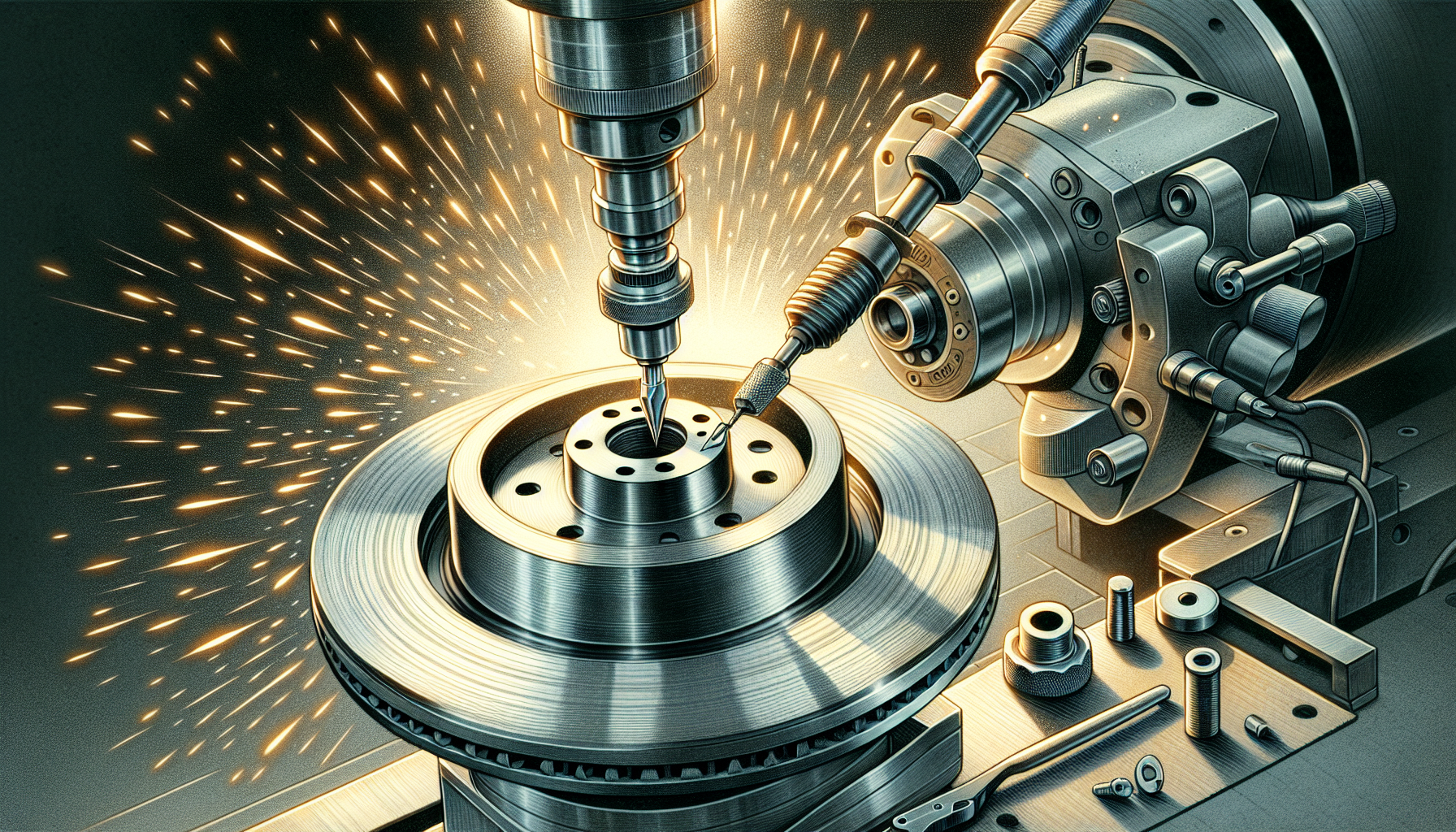
The process of resurfacing rotors essentially refreshes them. By using a machine to smooth out the rotor surface and fix any thickness differences, this operation gets the rotors ready for new brake pads. Think of it as a detailed cleaning service where your car’s rotors are made smooth and even again using a special tool called a brake lathe. When you get your rotors resurfaced, you’re improving both the performance and lifespan of your braking system.
While not a permanent fix, this method offers a temporary solution to extend the life and efficiency of your vehicle’s braking parts.
What Tools Are Used?
During a brake job, the most important tool used for resurfacing is the brake lathe. This precise machine carefully removes extra material from the rotors. This ensures that when the rotors are put back on the car, their surface is as smooth and even as a freshly cleaned ice rink.
Duration of Resurfacing vs. Replacement
Urgency is key. Resurfacing might seem like the gentler method, but it’s not the fastest – taking about 15 to 30 minutes for each rotor. On the other hand, replacing them can be like a quick pit stop, letting you get back on the road faster.
When to Consider Resurfacing Your Brake Rotors
Resurfacing should only be considered when there is enough material left on the rotors to keep them thick enough for safe braking. Just like you wouldn’t wear a sweater that’s too thin in the winter, your rotors shouldn’t be resurfaced if it would make them too thin to be safe.
On the other hand, if your rotors don’t have deep grooves or warping and are still above their wear limit, they might be good candidates for resurfacing. This is especially true if you notice uneven wear on the rotors or feel vibrations when pressing the brake pedal.
The Costs: Resurfacing vs. New Brake Rotor Replacement
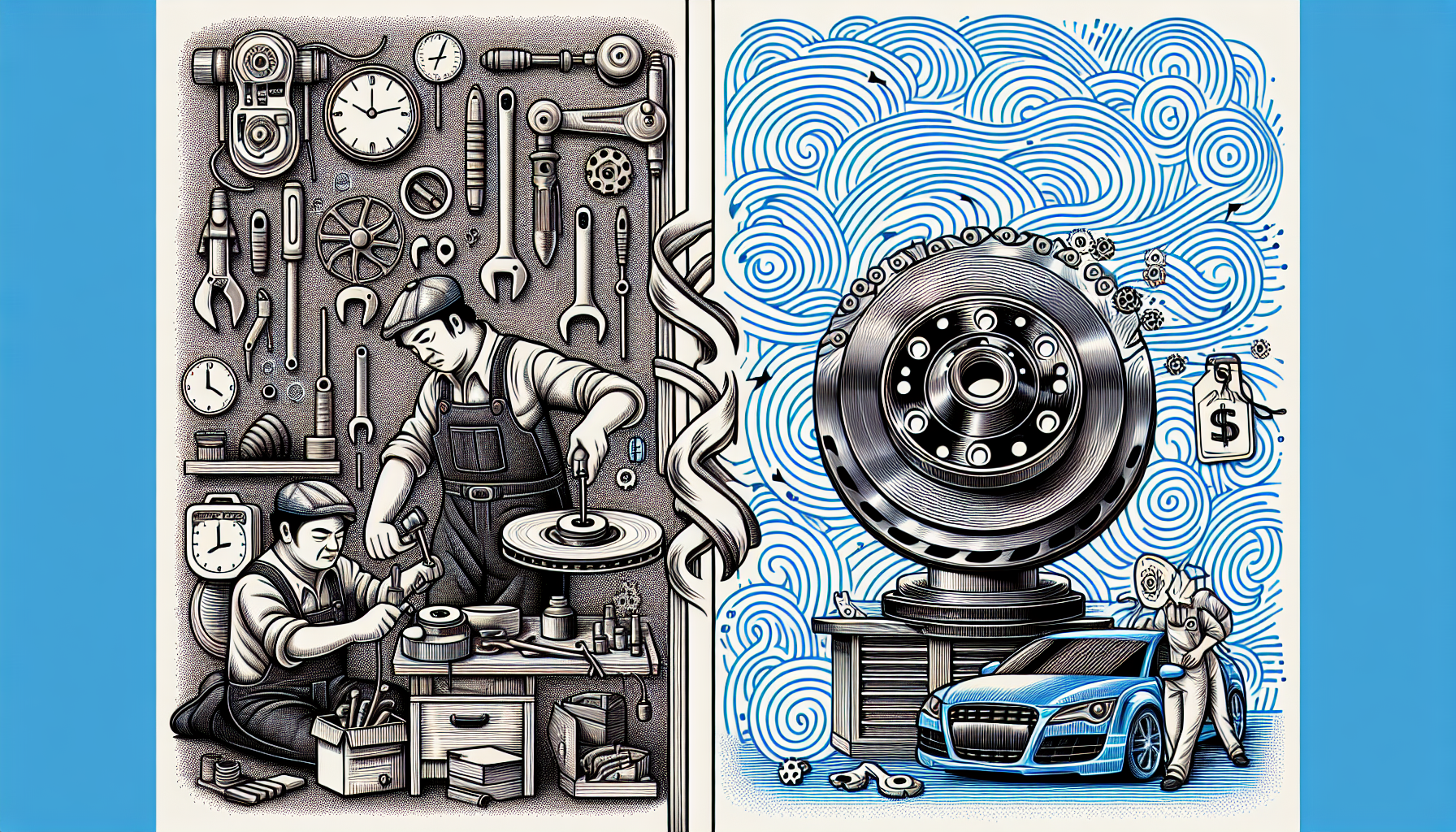
Choosing to resurface (smooth out) your rotors might seem cheaper than buying new ones. However, before you count the savings, remember that the costs for resurfacing might be higher than getting new ones when you add in labor costs and the time your car will be in the shop.
Time is valuable. Resurfacing takes a lot of time for your mechanic to finish and can add up, making replacing the rotors a more affordable option when you consider everything.
Replacing Brake Rotors: A Long-Term Investment?
Choosing new brake pads isn’t just a regular purchase. It’s an investment in the long-term safety and performance of your car. When you install new brake pads, they work perfectly with your brake rotors, ensuring they stay thick and even. Many new rotors come with warranties, giving you extra peace of mind. Replacing brake pads on time can also improve your car’s braking performance.
Although replacing rotors might cost more initially compared to resurfacing, it often saves money in the long run because new rotors last longer and need fewer repairs.
Signs That You Should Replace Rather Than Resurface Rotors
You should replace your rotors instead of resurfacing them if there are clear signs of damage. If you see cracks or notice that the rotors are warped, it’s time for new ones.
Severe rust or deep grooves that can’t be smoothed out are also reasons to replace rotors, especially if they are close to the minimum thickness allowed. Any damage from rust or loose lug nuts can make your braking system less effective, so replacing the rotors is the safest option.
How Driving Style Influences Rotor Wear and Maintenance Choices
The way you drive affects how long your brake rotors last. If you often speed up quickly and brake hard, your rotors will wear out faster. This can cause them to overheat and warp, meaning you’ll need to replace them sooner.
On the other hand, if you drive more gently—accelerating slowly and braking smoothly—your brake system will last longer. This careful driving can delay the need for rotor maintenance.
The Impact of Vehicle Specifications on Rotor Maintenance
Your vehicle’s design plays a big role in how you should take care of your brake rotors. There are different types of rotors, each made for specific vehicles and driving conditions.
Sports cars or high-performance vehicles often use vented rotors. These rotors have spaces that help get rid of heat, which is important when driving fast and braking hard.
Slotted rotors have grooves on their surface. These grooves help improve braking by letting gases and dirt escape.
Drilled rotors have holes in them. These holes help improve braking by releasing gases, removing dirt, and reducing heat.
Standard passenger cars usually have solid rotors. These are the simplest type of rotors.
Choosing the right material for your rotors, like cast iron, carbon-ceramic, or stainless steel, is also important because each material affects how long the rotors last and how well they perform in different conditions.
If your vehicle has an anti-lock braking system, it can affect whether you should resurface or replace your brake rotors.
Professional Opinion: Why Mechanics Might Recommend Rotor Replacement
When it comes to brake maintenance, a mechanic’s advice is very important. Mechanics often recommend replacing rotors instead of resurfacing them for safety reasons. Some rotors are made very thin, so even a little wear can make them less effective. In these cases, installing new rotors is necessary to keep your car working well.
Listening to your mechanic when they suggest replacing your rotors can help ensure your car stays safe and reliable.
Summary
In the grand scheme of automotive care, the decision to resurface or replace rotors is not one to be taken lightly. It’s a balance of cost, convenience, and most critically, safety. Whether you opt for the restoration of resurfacing or the renewal of replacement, ensure your choice is informed by the condition of your rotors, your driving habits, and the specifications of your vehicle. Remember, what you decide today will echo in the stopping power of every trip you take.
 UNITED STATES