 UNITED STATES










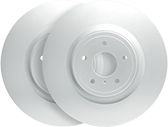



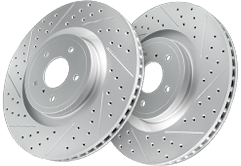
























The automotive industry is changing with the introduction of electric brakes in cars. These new brakes use electricity and offer better safety and efficiency than old braking systems. This article will explain how electric brakes work, their benefits, and why more car manufacturers are choosing them.
Key Takeaways
- Electric brakes, utilizing electrical signals and magnetism instead of hydraulic pressure, offer a reliable braking experience with enhanced performance, efficiency, and environmental benefits.
- Regenerative braking systems in electric vehicles convert kinetic energy into electricity, reducing wear on brake components and improving overall energy efficiency, while brake-by-wire technology removes physical linkage, favoring electronic control for precision.
- Despite the advantages of electric braking systems, drivers need to adjust to the different pedal feel, and the increased system complexity may lead to higher maintenance requirements and more complex accident analysis.
Decoding Electric Brakes: The Shift from Hydraulic to Electrical Systems

The time when hydraulic systems were the only way to slow down cars is over. Now, we have electric brake technology. These new brakes use electricity and magnetic forces to create resistance that can slow down or stop a car. This change is a big leap in how brakes work, moving away from traditional hydraulic brakes.
The move to electric brakes comes with many benefits for the car industry. As cars keep getting better and more advanced, these benefits are too important to ignore. That’s why we see more and more vehicles, including electric and gas-powered ones, using electric brakes.
The Mechanics of Electric Braking
When you press the brake pedal in a car with electric brakes, a series of well-designed actions starts. Electric brakes use electric signals to command actuators. These actuators apply the right amount of force to the brake pads and discs, slowing down the car. This system avoids the risk of leaks from hydraulic fluid and is more reliable.
Here are the main parts of this system:
- Sensors that check how hard the pedal is pressed and the car’s movement
- Control modules that understand the sensor data
- Control units that decide the right amount of force needed to slow down or stop the car
- Actuators that receive instructions from the control units to apply the force
This system is quick to respond and adjusts to both the driver’s style and changing road conditions.
Transition Trends: Are Electric Brakes Overtaking Hydraulics?
The automotive industry is changing as more cars use electric brakes instead of traditional hydraulic brakes. These new brakes are better for performance and last longer, which is good for safety and the environment. As people want more eco-friendly cars, electric brakes are becoming the standard for future car braking systems.
Electric brakes offer better control and are a big step forward in car technology. They are already setting new standards in braking and are key to the future of the automotive industry.
The Advantages of Going Electric with Your Brakes
Electric brakes are a smart choice for many reasons, including longer-lasting brake pads and being kinder to the environment. For instance, some electric car owners report their brake pads last over 100,000 miles.
Electric brakes have other benefits too:
- They make car building cleaner and simpler by not using hydraulic fluids.
- They’re good for the planet.
- They improve efficiency.
- They’re quieter than traditional brakes.
- They reduce pollution.
Enhanced Stopping Power
Electric brakes are important for safe driving. They work very well and can stop a car quickly. These brakes adjust the stopping force as needed and respond fast. They also use a system that saves energy, making them better for safety and the environment.
Efficiency on the Rise
The regenerative braking system stands as a key technological advancement in the world of automotive efficiency, enabling vehicles—particularly hybrids—to perform several critical functions. It captures kinetic energy that would otherwise be lost, converts it into electrical power, reduces the load on the combustion engine, and improves fuel economy.
Paired with this innovative system is the brake-by-wire technology, which uses lighter components to decrease overall vehicle weight. This reduction in weight contributes to better efficiency and positions electric braking systems as both revolutionary and environmentally friendly solutions in modern vehicle design.
The Challenges of Electric Braking Systems
Electric brakes, while offering many benefits, also come with challenges. Some drivers find the brake pedal less responsive, lacking the usual feedback. This feedback is important as it gives drivers confidence and control over their cars.
These systems are complex, which might lead to higher repair costs and make accident analysis more difficult. However, manufacturers aim to provide consistent feedback through the brake pedal, regardless of brake temperature.
Learning to Use Electric Brakes
Drivers may need time to get used to electric brakes, particularly the e-pedal mode in electric vehicles. The pedal feels different from traditional brakes, but with time, drivers can adapt to it and appreciate its benefits.
Complexity and Reliability
Electric brakes bring precision but their complexity could affect reliability. Issues like brake blending in electric cars can impact smooth operation. In emergencies, analyzing electric brake failures requires considering many factors. Car makers work hard to ensure these brakes are safe and reliable.
Regenerative Braking: A Closer Look at This Electric Marvel
The process of regenerative braking is key in electric cars, turning the motor into a generator to slow down the car and make electricity. This saves energy and reduces the need for brake pad replacement.
Regenerative braking has benefits like:
- Saving energy
- Less wear on brake pads
- Reducing the need for traditional brakes
- Longer brake pad life
- Lower maintenance
Electric car owners benefit a lot from these advantages.
This technology is now being used in regular cars too, showing its growing importance for better braking systems.
How Regenerative Braking Works
When drivers stop pressing the gas or push the brake, electric cars start regenerative braking. This changes the motor into a generator, turning the movement energy into electricity. This electricity goes back into the car’s battery, making the car more efficient and possibly letting it go further on one charge. This eco-friendly method is important for electric cars.
The Role of Regeneration in EVs
Regenerative braking is very important for slowing down electric cars and charging their batteries. It can turn up to 70% of the car’s movement energy back into electrical power. The amount of energy saved changes with the car’s weight, if it’s pulling something heavy, and how the driver brakes. These factors affect how the car feels to drive.
Electromechanical Braking: Understanding Brake-by-Wire
The brake-by-wire system, also known as electromechanical braking, is a big step in electric brake technology. This system gets rid of the mechanical link between the brake pedal and the brakes. Instead, it uses electronic signals to control braking. This system is lighter because it doesn’t use heavy mechanical parts and it’s simpler with fewer parts.
- It makes cars lighter by removing heavy parts.
- It simplifies the system with less parts.
- For example, Continental’s MKC1 system makes cars about 4 kilograms lighter.
This system is now in cars like the 2018 Alfa Romeo Giulia and Stelvio. It’s reliable and makes brakes last longer because there’s less wear and tear.
How Brake-by-Wire Works
In brake-by-wire systems, everything is controlled electronically. Here’s what happens when you brake:
- You press the brake pedal and a sensor measures this force, turning it into an electronic signal.
- A control unit processes this signal.
- The control unit tells the system how much braking force to use.
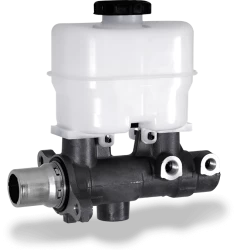
An electric pump creates the hydraulic pressure needed to stop the car when needed. This system can adjust to how different people drive, which could make braking better for each driver.
Premium Brake Parts: Part Of The Innovative Technology Of Electric Vehicles
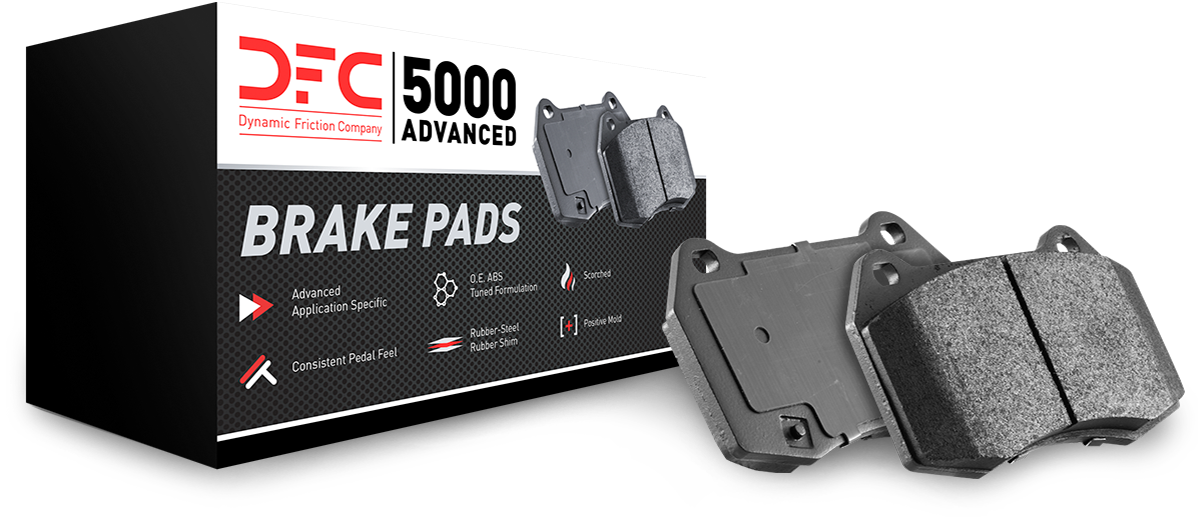
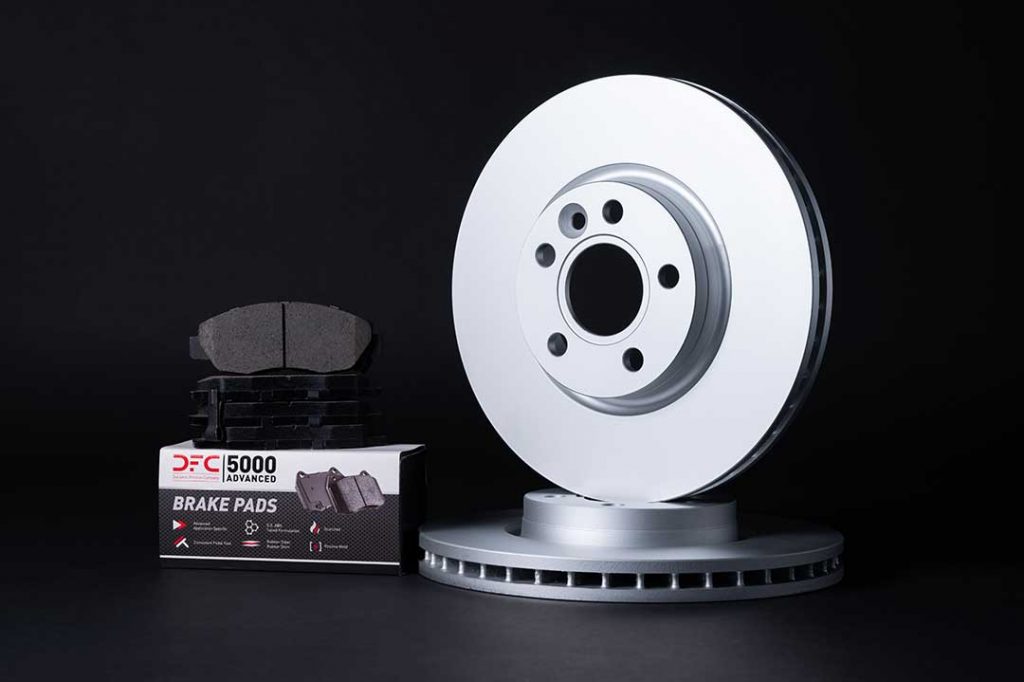
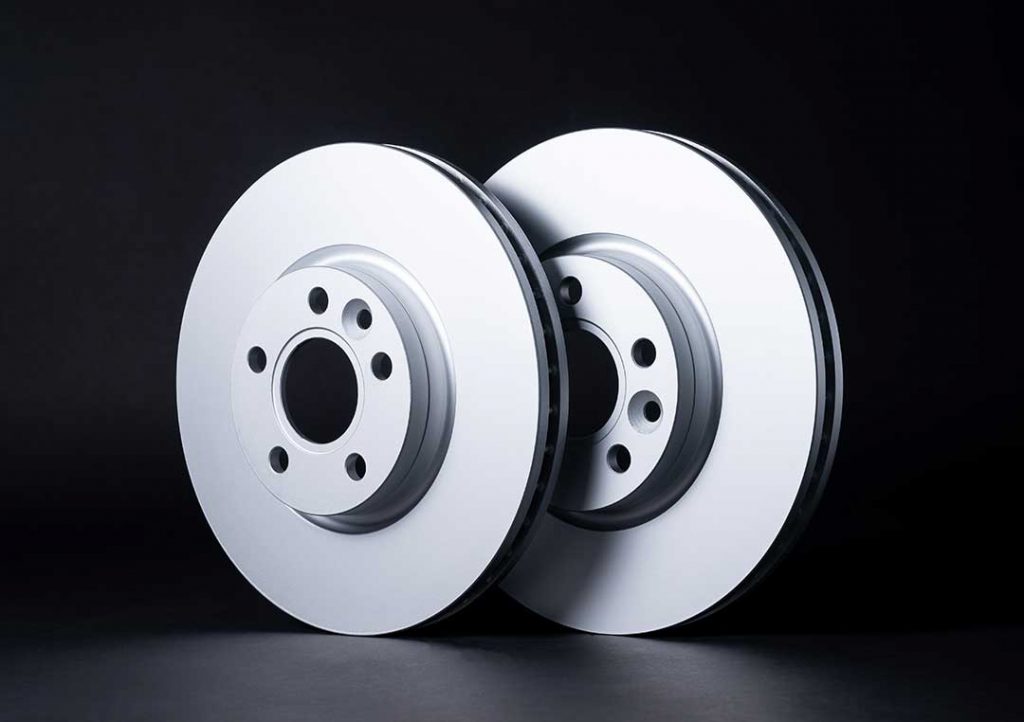
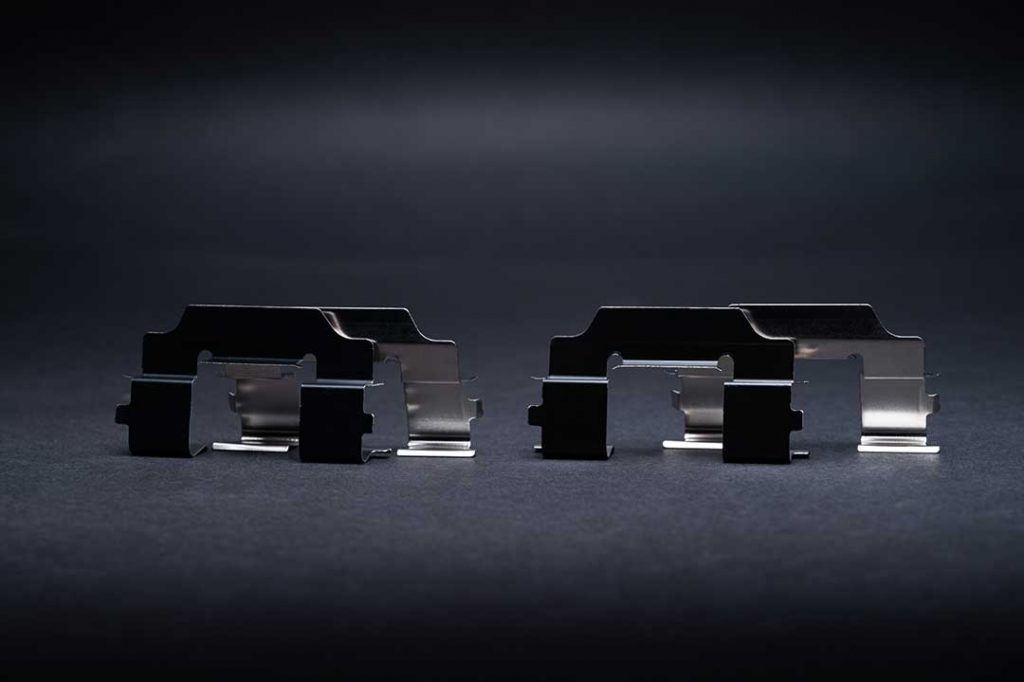
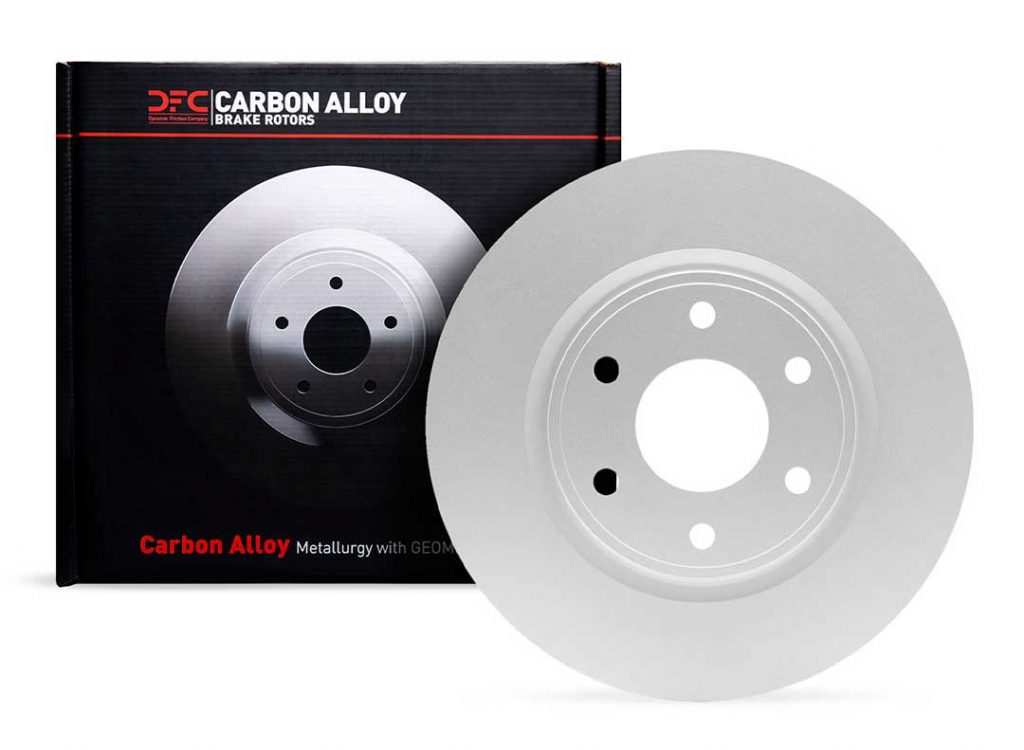
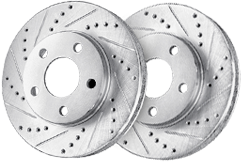
Electric brakes are a smart choice for many reasons, including the adoption of premium brake components that enhance performance and sustainability. Electric car brake parts are designed to handle the unique demands of regenerative braking systems, which result in less wear and tear compared to traditional brakes. They’re also built with advanced materials that enhance performance and are environmentally friendly. These innovations contribute to longer-lasting brake components and more efficient vehicles.
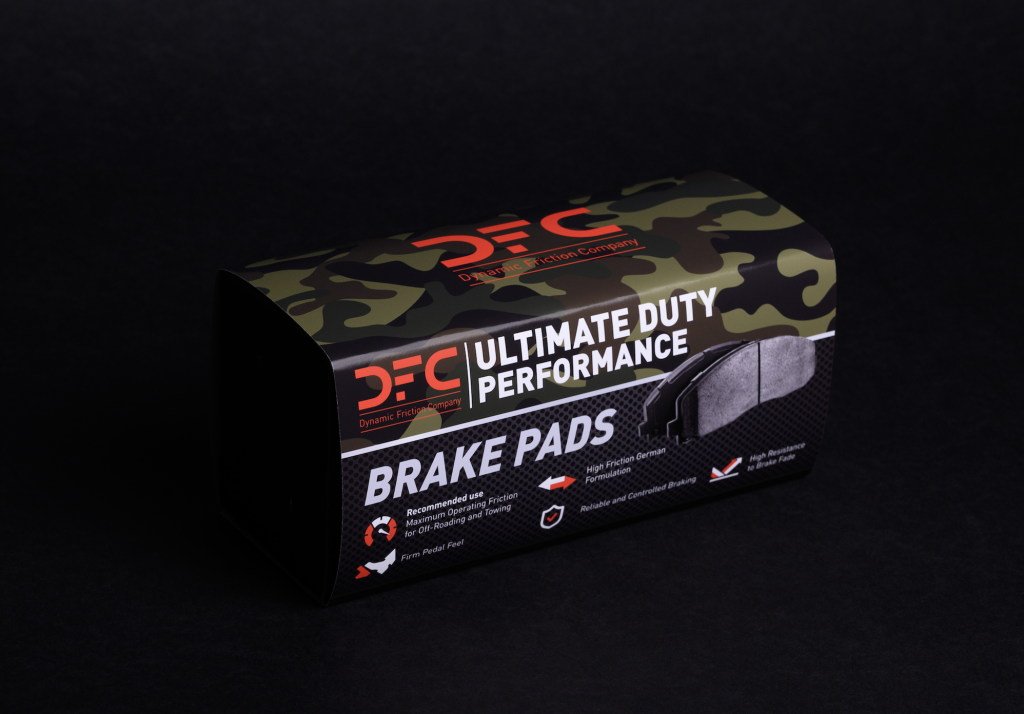
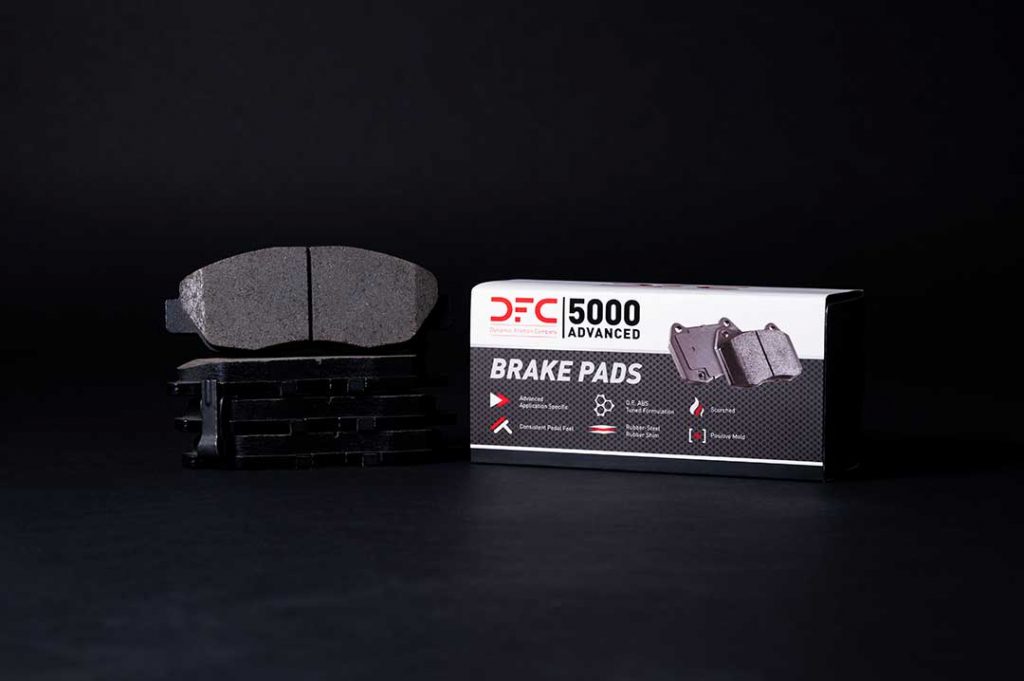
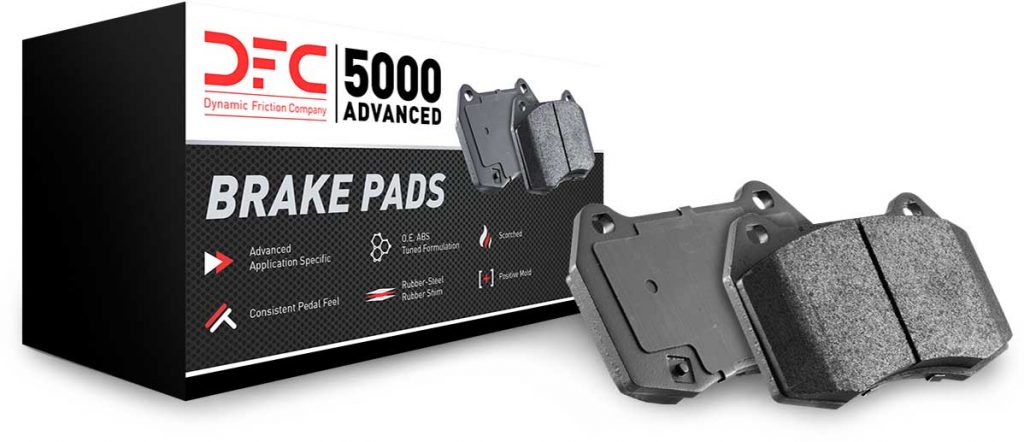
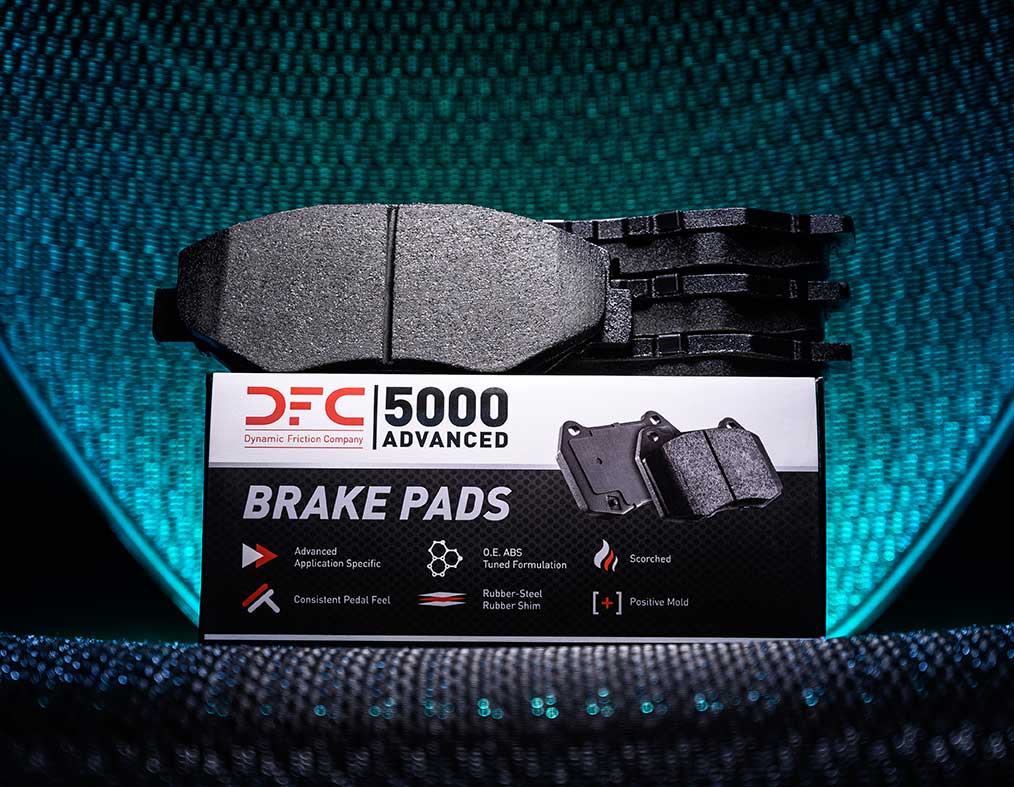
The DFC 5000 Advanced brake pads exemplify the innovation in electric vehicle brake technology. Designed with advanced friction formulas, these pads offer enhanced stopping power, quieter operation, and minimal dust production. Their rotor-friendly design is particularly suited to the heavier electric vehicles that depend on regenerative braking, extending the life of both pads and rotors. In addition to their performance benefits, these brake pads are eco-conscious, made without copper to meet future environmental standards. By marrying performance with sustainability, the DFC 5000 Advanced brake pads represent a leap forward in electric vehicle safety and efficiency.
Exploring the Diversity of Electric Braking Systems
The world of electric brakes is diverse, with innovations like electromagnetic brakes that stop vehicles without touching them, which means no wear and tear. Continental’s Future Brake System is an exciting development that works without hydraulic parts.
It’s exciting to think about what new electric brake technologies might be coming. The automotive industry is always moving forward, offering different braking systems for different cars and drivers, making future vehicles even better at braking efficiently.
Electric Brakes in Electric vs. Hybrid Cars
Both battery electric vehicles (BEVs) and hybrids use regenerative braking to turn motion into electricity when slowing down. Here’s what’s different:
- Hybrids combine this with traditional brakes, giving a feeling similar to engine braking.
- When hybrids slow down for a long time and the battery is full, they use the engine to manage the extra energy. BEVs don’t do this because they only use electricity.
- BEVs have unique electric brakes without the usual hydraulic parts, giving a different feel from hybrids.
Electric Brakes for Trailers
Electric brakes are also used in trailers towed by electric vehicles. These trailers have brakes that work with electromagnets to slow down. Elecbrakes is a product that lets drivers control these brakes wirelessly, making it easy to install and use.
The Elecbrakes EB2 is designed for electric vehicles and is simple to set up with wireless technology. It can be installed quickly without changing the vehicle.
Safety rules say that trailers with a heavy load must have electric brakes that stay on even if the trailer disconnects from the car. This shows how important reliable electric brakes are for towing safely.
Electric Brakes in Traditional Cars
Electric brakes are now being used in regular cars, not just electric ones. They offer better safety and can even save fuel. As technology gets better, more cars are using electric brakes.
Simple Safety with Electric Brakes
Electric brakes are very safe. They have extra ways to check things like pedal position and wheel speed to keep you safe. If the electric system fails, there’s a backup manual system to stop the car.
These brakes also have smart features that can brake for you to avoid accidents.
Reliable Braking, Even During Failures
Car makers add extra safety to electric brakes. If the electric part fails, the car can still brake using a manual brake or electric parking brake. This means you can always stop safely, even if there’s an electrical problem.
Summary
As we’ve journeyed through the intricate world of electric braking systems, it’s clear that this technology is not just an alternative to traditional brakes, but a revolutionary step forward in automotive design. From the enhanced stopping power and efficiency gains to the diversity of systems and their applications across different vehicles, electric brakes are reshaping our expectations of vehicle safety and performance.
Embrace the change, for the future of braking is electric. With continuous advancements, increased adoption, and a focus on sustainability, electric braking systems stand as a testament to human ingenuity and a beacon for the evolution of transportation technology.
Frequently Asked Questions
How do electric brakes differ from traditional hydraulic brakes?
Electric brakes differ from traditional hydraulic brakes by using electrical signals and magnetism instead of hydraulic pressure to engage the brake pads, providing a cleaner, more responsive, and efficient braking process.
What is regenerative braking and how does it work?
Regenerative braking harnesses the electric motor to convert kinetic energy into electrical energy, storing it in the battery for later use, which improves efficiency and reduces brake wear.
This system helps slow down the vehicle by utilizing the generator aspect of the electric motor.
Are electric brakes more reliable than traditional brakes?
Yes, electric brakes are often considered more reliable than traditional brakes due to their reduction of friction-based components, which enhances reliability and lifespan.
Can electric braking systems be used on gasoline-powered cars?
Certainly, gasoline-powered cars can be equipped with electric braking systems, which enhance safety measures and fuel efficiency while representing progress in the realm of automotive technology.
What safety measures are in place for electric braking systems?
Advanced safety mechanisms such as automatic emergency braking are integrated into electric braking systems, which also incorporate manual hydraulic linkages and multiple sensors to maintain the vehicle’s safety.