Matching OEM Specs: Is It Important?

DFC Blog

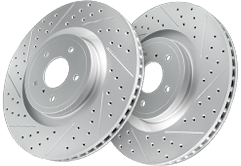
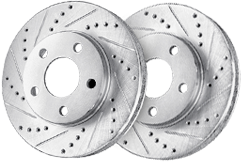
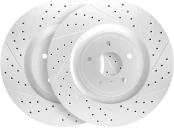
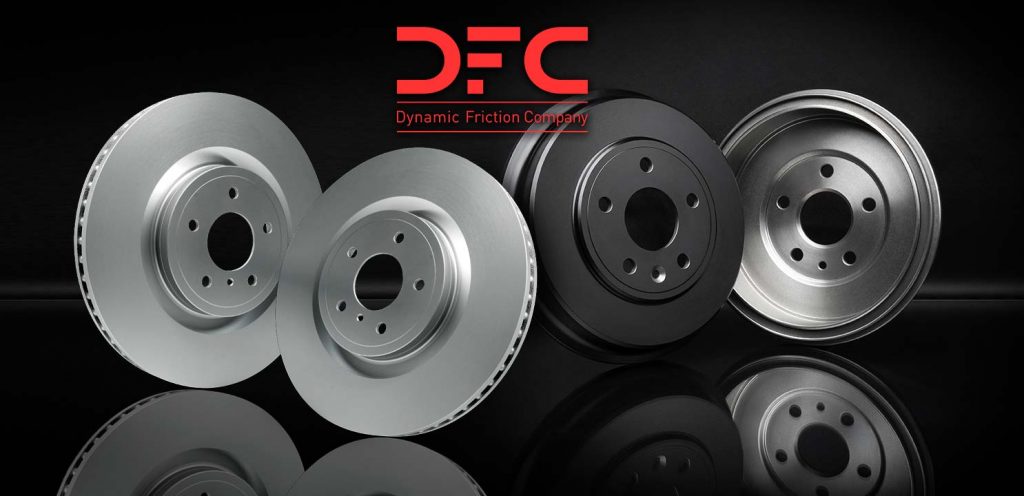
All DFC rotors and drums are based on OEM fit, form, and function. Our benchmark for design is OEM. This means that we have to capture all the dimensions of the design, including cooling veins to ensure proper performance for all usage conditions. Some of you are probably wondering…what does OEM mean? OEM stands for Original Equipment Manufacturer. This ultimately means that the parts we build are based on an organization’s specific OEM.

DFC Blog

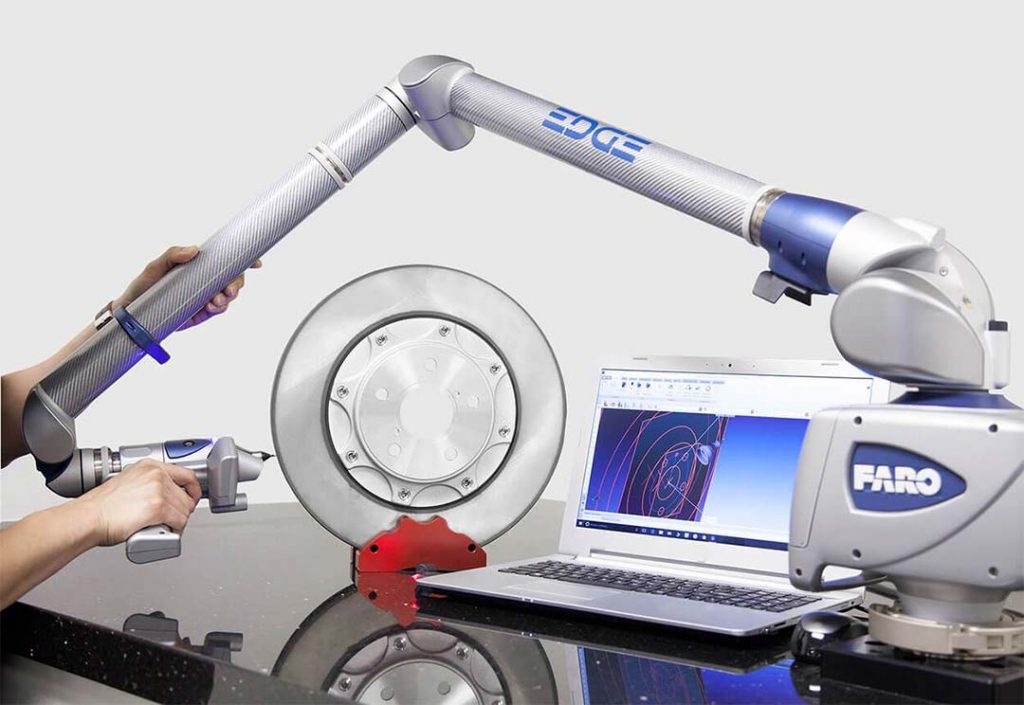
DFC capture all the specific dimensions using a FaroArm CMM

We catch all the specific dimensions of a design through the use of a FaroArm CMM (coordinate measuring machine), which allows us to capture every last detail of the design with great precision. Our capabilities include (but are not limited to):

• probe data measuring for most machine surfaces
• laser scanning for complex surfaces
• OES methods to analyze metallurgy and match high-carbon content iron
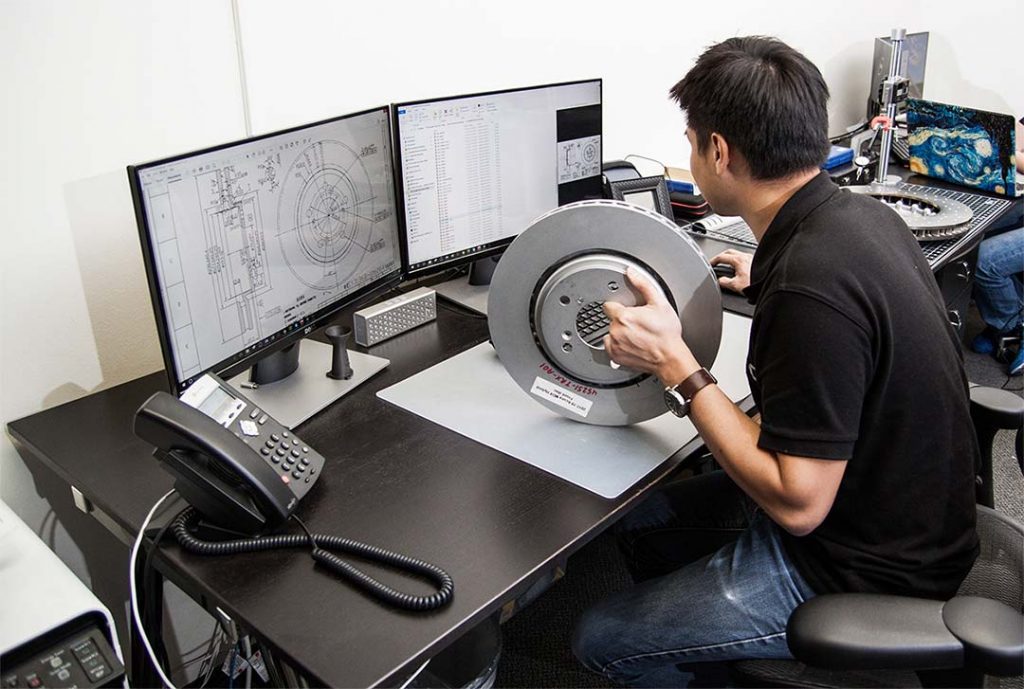
• designing CAD Models

Of course, these tools and methods are performed in conjunction with one another. This ensures that we get the most accurate data available.

Many part manufacturers only focus on production and revenue. Here at DFC, however, we prioritize your safety and the performance of every single product we release. We want you to feel safe on the road and also want for our products to contribute to that safety. To achieve that, all braking system parts require a lot of research, calculation, and measurement to work properly and perform at their best. 

DFC Blog

OES Methods & CAD Models
OES methods are key to ensuring that modern performance applications have the correct material and characteristics required for higher demand, automated braking systems. CAD models, on the other hand, are created in order to optimize performance and ensure that all DFC parts perform at their absolute best. 

Using analysis methods, we determine how our parts will act and react during certain conditions. These tools also allow us to make data-driven decisions when consolidating OEM part numbers. These all ultimately result in us being able to offer you and our partners the best-performing parts in the market. 

DFC Matching OEM Specs Video

Ready for your new brakes?
Click here to see our latest deals
DFC Blog

Changing Your Brakes? Avoid These 3 Mistakes

DFC Blog

So it’s time to change your brakes…what could possibly go wrong? We know you’re an expert and you know what you’re doing (wink wink), but there are a few common mistakes to avoid when replacing your brakes. Below you’ll find the top 3 mistakes that people (not you) usually make during a brake replacement. Check them out. 

1. Forgetting to clean the rotor mating surfaces

We can’t stress this enough. It’s very important that the hub mating surface that your rotor is being applied to is 100% clean. And we mean clean. This means you need to get all the gunk, grime and rust off before you apply your rotors. Heads up: you may have to roll up your sleeves for this one but a simple wire brush will do the trick. 

2. Putting wayyyy too much lubricant

Here’s a shocking fact (don’t tell anyone we told you). None of the 50 million cars produced each year leave the factory with grease on the abutments. None. Not even one. Why don’t they lube it? Well…they do this to avoid the grit and grime in the surrounding area from mixing up with the grease. That being said, there are a lot of people who swear by putting grease on the abutments. If you are one of those, make sure you apply the absolute minimum.  

Oh! One last thing. It’s very important you don’t put grease on the back of the brake pad. The grease that manufacturers include in your brake set is only meant to be applied on the edges of the pad mounting tabs. 

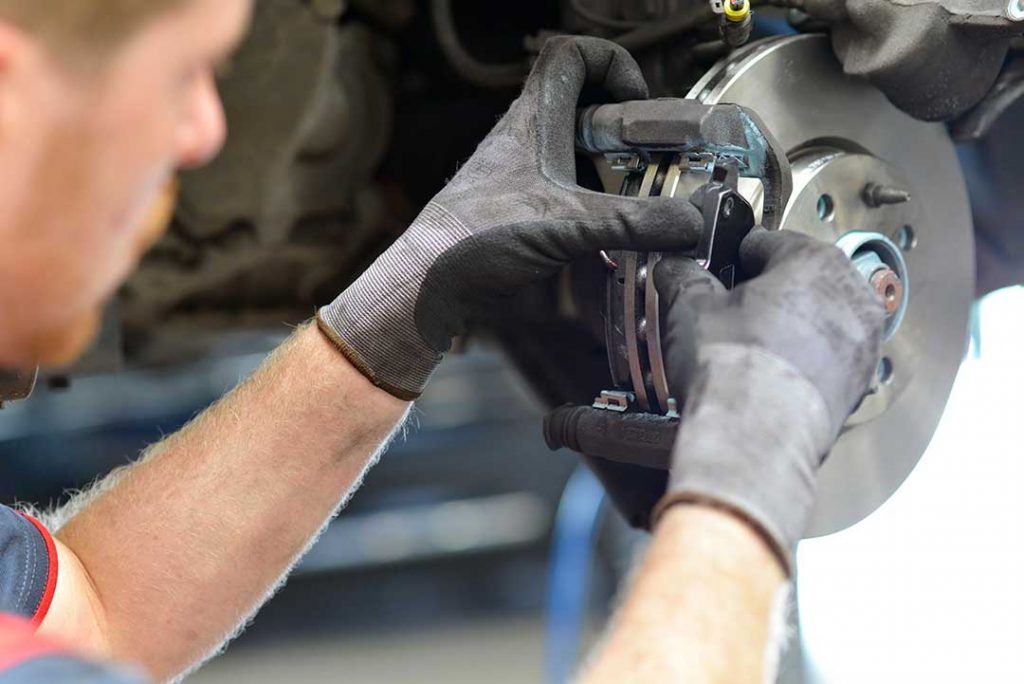
3. Forgetting to make sure that the sliding calipers are clean

Take the bracket off from the body of the caliper and make sure that the guide pins are clean and properly lubricated. If the caliper can’t clamp down or retract properly, you’re opening yourself up to potential brake problems. And you don’t need those kinds of problems in your life. 


Dino Crescentini, Co-Founder of DFC, shares his top 3 mistakes to avoid when changing brakes.

Conclusion

The last thing you want is to be cruising down the boulevard and suddenly find that you can’t brake properly. As you know, you can’t parachute out of a car. We encourage you to take note of these potential mistakes when replacing your brakes. Not doing so may result in uneven braking, increased wear and tear, and poor performance. Don’t worry, we got your back.

Brake responsibly. 

Ready for your new brakes?
Click here to see our latest deals & selection
DFC Co-Founder Dino Crescentini – The Perfect Solution for the Perfect Brake Job

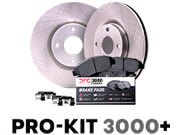
When doing a complete brake job, ordering the right components can be time consuming and confusing: 

• What brake rotor to use?

• What brake pads to pair it with?

• What about brake hardware?

Would you like to save time with the right choice? 

Here’s Dino Crescentini’s solution to a perfect brake job.

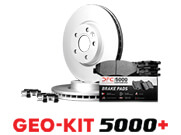
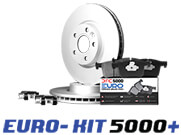
We’ve simplified what has become a long and overdue process by developing a brake kit program designed to fit your customers’ needs without having to search out all the necessary components.

The DFC Brake Kit program has been painstakingly cataloged with an easy to access kit numbers designed to suit your customer’ needs and desires whether it be price, performance or aesthetics.


Learn more about the New DFC Brake Kits:
https://www.dynamicfriction.com/products/brake-kits


About Dynamic Friction Company

DFC is an award winning brake components manufacturer and supplier headquartered in Southern California.  DFC offers a complete brake systems program for all passenger car, pickup, & medium duty trucks. DFC is recognized for its devotion to bringing its customers the latest and greatest in brake products available without the exorbitant costs. DFC boasts a full complement of dedicated in-house engineers and R&D staff who work vigorously to give our customers first-to-market advantage and assurances that modern technological complexities are fully addressed.

DFC Blog

For more information about DFC please visit: www.dynamicfriction.com