Brake rotors are critical to a vehicle’s overall performance, safety, and longevity. While much attention is given to materials and coatings, the surface finish of a rotor is just as important. One key innovation in modern brake rotor manufacturing is the non-directional finish, a feature that ensures improved braking performance and longevity. Let’s explore why non-directional finishes matter and how DFC GeoSpec® Coated Brake Rotors incorporate this advanced technology.
Understanding Brake Rotors and Brake Pads
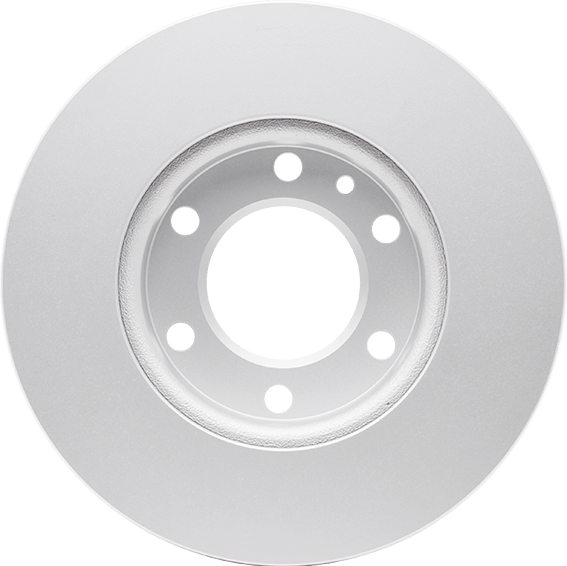
Brake rotors and brake pads are the heart of your vehicle’s brake system, working together to ensure safe and effective stopping power. The brake rotor, a circular disc attached to each wheel, is designed to convert kinetic energy into thermal energy during braking. Meanwhile, the brake pad, made of friction material, presses against the rotor to slow or stop the vehicle.
When you press the brake pedal, the brake pads clamp down on the rotors, creating friction. This friction converts the vehicle’s forward momentum into heat, which is then dissipated into the air around the wheel. The brake system’s efficiency hinges on the quality and condition of both the brake rotors and brake pads. A well-maintained brake system ensures that your vehicle stops smoothly and safely, providing peace of mind on the road.
What is a Non-Directional Finish on Brake Rotors?
A non-directional finish is a uniform surface pattern applied to the brake rotor during manufacturing. This process eliminates the circular or directional grooves that often result from machining and instead creates a smooth, consistent surface.
A special rotor refinishing brush is often used to achieve this finish, sanding both sides of the rotor while it rotates on a lathe. The finish is achieved through a precision process such as fine sanding or machining with specialized equipment. It results in a surface that promotes even wear and optimized brake pad contact.
The Benefits of Non-Directional Finishes in Reducing Brake Noise
Faster and More Even Pad Bedding: Bedding in brake pads is essential to ensure they properly conform to the rotor surface. A non-directional finish accelerates this process by providing an even, consistent surface for brake pad material transfer. This leads to smoother stops right from the first drive.
Reduced Brake Noise and Vibrations: Directional finishes can create uneven friction surfaces, leading to noise and vibration during braking. Non-directional finishes minimize these irregularities, resulting in quieter and more comfortable braking performance.
Improved Rotor Longevity: Uneven wear patterns caused by directional finishes can shorten a rotor’s lifespan. Non-directional finishes promote uniform contact between the rotor and pads, reducing hotspots and extending the rotor’s durability. Using a solid cast iron rotor can further enhance durability by providing a stable and consistent surface for the non-directional finish.
Enhanced Brake Performance: Consistent friction between the rotor and pads is crucial for reliable stopping power. The non-directional finish ensures that the brake pads can generate even pressure, delivering optimal performance in all driving conditions.
Reducing Brake Noise
Brake noise can be an annoying and sometimes alarming issue, but it’s often a sign that your brake system needs attention. Common causes of brake noise include worn-out brake pads, warped rotors, and loose brake components. Here are some practical tips to help you reduce brake noise and ensure a quieter ride:
Inspect Brake Pads and Rotors: Regularly check your brake pads and rotors for signs of wear and tear. If they are worn down or damaged, replace them promptly to maintain optimal braking performance.
Check the Brake Caliper: Look for any signs of damage or corrosion on the brake caliper. Clean or replace it if necessary to ensure it functions correctly.
Apply High-Temperature Brake Lubricant: Use a high-temperature brake lubricant on the backs of the brake pads and the points where the pads contact the caliper. This helps to dampen vibrations and reduce noise.
Lubricate Caliper Mounts, Shims, and Bushings: Proper lubrication of these components can further dampen vibrations and minimize noise.
Upgrade to High-Quality Brake Pads: Consider investing in high-quality brake pads designed to reduce noise and vibration. These pads often feature advanced friction formulations that provide smoother and quieter braking.
By following these tips, you can significantly reduce brake noise and enjoy a more comfortable driving experience.
The Role of Friction Material in Brake Performance
Friction material is a critical component of brake pads, directly influencing the performance and reliability of your brake system. The friction material provides the necessary grip to slow or stop the vehicle, and different types of friction materials offer unique benefits:
Semi-Metallic Friction Materials: Commonly used in brake pads, semi-metallic materials are known for their high friction coefficient and durability. They are ideal for a wide range of driving conditions and provide reliable performance.
Low-Metallic Friction Materials: These materials are designed to offer a smoother braking experience and are often used in high-performance vehicles. They provide excellent stopping power while minimizing noise and dust.
Ceramic Friction Materials: Known for their high heat resistance, ceramic materials are often used in heavy-duty applications. They offer superior performance under extreme conditions and are less prone to wear and tear.
Choosing the right friction material depends on your vehicle’s specific requirements and driving conditions. It’s essential to select a friction material that is compatible with your brake system and provides the necessary friction to ensure safe and reliable braking performance. By understanding the role of friction material, you can make informed decisions that enhance your vehicle’s braking efficiency and safety.
DFC GeoSpec® Coated Brake Rotors: Engineered with Precision
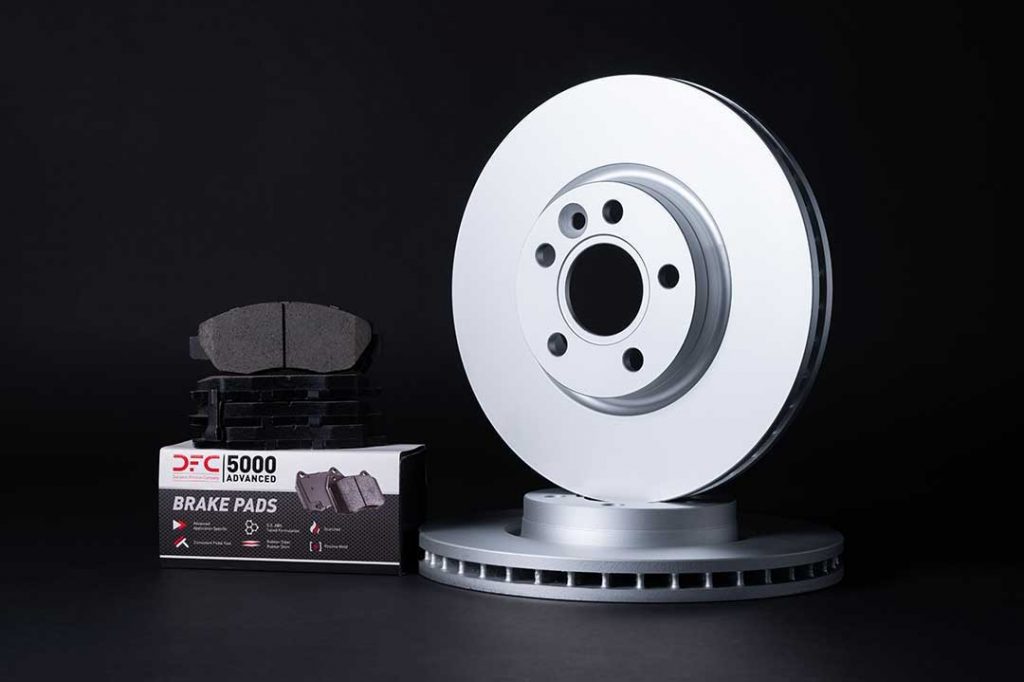
At Dynamic Friction Company (DFC), we understand the importance of advanced rotor technology. That’s why our GeoSpec® Coated Brake Rotors are manufactured with a precision-applied non-directional finish. Our manufacturing process utilizes bench brake lathes to ensure the correct rotor finish, reducing noise and improving performance.
Non-Directional Surface: Promotes even brake pad bedding and reduces noise.
Corrosion-Resistant Coating: Protects the rotor from rust, extending its lifespan.
OEM Standard Performance: Designed to meet or exceed original equipment specifications.
This combination of innovative features ensures that DFC rotors deliver the reliability and performance that drivers expect.
Applications of Non-Directional Finishes in the Brake System
Non-directional finishes are particularly beneficial for:
Daily Drivers: Enhances performance and longevity for everyday use. This finish is particularly advantageous for rear brakes, ensuring consistent performance and reduced maintenance.
Fleet and Commercial Vehicles: Reduces maintenance costs by preventing premature wear. Non-directional finishes are also beneficial for drum brakes, enhancing their performance and longevity.
Performance Vehicles: Provides consistent braking under high-stress conditions. A non-directional finish on the rotor disc ensures optimal braking performance under high-stress conditions.
Whether you’re looking for smoother stops or improved rotor life, rotors with a non-directional finish are the smart choice.
Conclusion: The Details Make the Difference
When it comes to brake rotors, the surface finish isn’t just a detail—it’s a defining factor in performance and durability. Non-directional finishes ensure faster bedding, reduced noise, and longer rotor life, making them essential for modern braking systems.
At DFC, we’re proud to offer rotors like our GeoSpec® Coated Brake Rotors, which incorporate this advanced feature to deliver exceptional quality and value. Invest in rotors with non-directional finishes to ensure your vehicle’s brakes perform at their best.
Obeying speed limits not only keeps you safer but also highlights why obeying speed limits can prolong your brake system’s lifespan. Driving within speed limits reduces stress and heat on your brakes, which helps components last longer. This article will explain these benefits and share tips on smarter driving to save you money on brake repairs.
Key Takeaways
Obeying speed limits reduces brake wear and prolongs the lifespan of your braking system, enhancing safety.
Smooth driving habits like gradual braking and maintaining a safe following distance can significantly decrease the need for hard braking, preserving brake health.
Regular maintenance, including brake inspections and timely pad replacements, is essential for optimizing brake performance and saving on repair costs.
Car Accident Statistics Due To Faulty Brakes
Faulty brakes are a common cause of car accidents. When brakes do not work properly, they can lead to dangerous situations on the road. Statistics show that many accidents happen because of brake problems. In the United States, there are approximately 6 million car accidents each year, and it is estimated that around 5% of these, or about 300,000 accidents, are suspected to be caused by faulty brakes while disobeying speed limits. This alarming number underscores the critical importance of regular brake maintenance and inspections.
According to Donald Day, a car accident lawyer from Naples, Florida, as per their evaluation towards car accident legal issues, it is often that violating speed limits is root of brake-related car accidents. He explains that driving at excessive speeds makes the car’s brakes more susceptible to wear and tear, especially when the type of driving style is not at par with the brakes they have in their car; increasing the likelihood of brake failure and subsequent accidents. This insight highlights the importance of adhering to speed laws to maintain brake health and ensure road safety.
How Speed Impacts Brake Wear
Driving at higher speeds demands longer stopping distances, which inevitably increases brake wear. The faster you go, the more force and energy your brakes need to dissipate to bring your vehicle to a halt. This section will delve into the specifics of how speed impacts brake wear, focusing on two main factors: increased friction and heat generation, and frequent hard braking.
Understanding these factors allows you to make informed decisions about your driving habits and take proactive steps to minimize brake wear. Let’s explore these aspects in more detail.
Increased Friction and Heat Generation
High speeds lead to more friction and heat, which accelerates brake pad breakdown. When you drive fast and apply the brakes, the friction between the brake pads and rotors generates a significant amount of heat. This rapid heating and cooling cycle can cause the brake pads to degrade faster than they would under normal driving conditions.
Increased friction and heat not only wear down brake pads but also affect other brake components. Over time, this can lead to uneven wear and tear, reducing the overall effectiveness of your braking system.
Adhering to speed limits can significantly extend the lifespan of your brakes, ensuring optimal performance when needed most.
Frequent Hard Braking
Driving at high speeds requires more frequent braking. Additionally, the braking needs to be more forceful. When you’re speeding, you’re more likely to encounter situations that require sudden, hard braking, which places additional stress on your brake system. This type of braking accelerates the wear of brake pads, leading to more frequent replacements and higher maintenance costs.
Moreover, brake pads experience uneven wear when subjected to repetitive hard braking at high speeds. Overloading your vehicle can also exacerbate this issue, as more braking force is needed to slow down or stop a heavier vehicle.
Maintaining a moderate speed and avoiding rapid acceleration reduces the need for hard braking, thereby prolonging the life of your brake components.
Potential Savings on Brake Repairs by Obeying Speed Limits
Adhering to speed limits contributes to the longevity of the brake system, which can result in significant financial savings. Speeding often leads to increased brake wear due to more frequent hard braking, resulting in higher repair and replacement costs. Maintaining appropriate speeds contributes to safer rides. It can also help you save money on brake repairs.
Moreover, by reducing the frequency of brake repairs and replacements, you also decrease the likelihood of brake-related accidents. This not only ensures a safer driving experience but also reduces the overall cost of vehicle maintenance. In the long run, obeying speed limits is a cost-effective and safety-enhancing practice for all drivers.
Driving Habits That Complement Speed Limit Adherence
Good driving habits are essential for preserving brake health and complementing the practice of obeying speed limits. Reduced speed can enhance the driver’s ability to react to road changes, further preserving brake health. Driving within speed limits decreases the wear and tear on brake components, leading to fewer replacements and repairs.
Maintaining a moderate speed improves reaction times, allowing for smoother deceleration, which lessens the strain on the braking system. Planning ahead by slowing down before reaching stops reduces the need for hard braking.
Let’s explore some specific driving habits that can help prolong your brake life.
Gradual Braking
Using smooth and gradual braking techniques reduces stress on brake components, which helps to extend their lifespan. Applying brakes gently rather than abruptly minimizes wear and tear on brake pads and rotors. Sudden hard braking puts excessive stress on the braking system, which can lead to premature wear.
Anticipating traffic conditions and highway driving while braking gradually can prevent the need to brake suddenly, further prolonging brake life. Maintaining a safe following distance allows drivers to apply brakes gradually, reducing the need for sudden stops.
Smooth driving practices, including gradual braking, contribute to extending the lifespan of brake components.
Maintaining a Safe Following Distance
Maintaining a safe following distance is crucial to avoid sudden stops and unnecessary wear on the braking system. Keeping a safe distance minimizes the need for sudden stops, allowing for smoother, more gradual braking. A good rule of thumb for maintaining a safe distance is to keep at least one car length for every 10 MPH.
In summary, maintaining a safe following distance is essential for extending brake life and enhancing overall driving safety. This practice not only helps in preserving brake health but also improves reaction times and reduces the likelihood of accidents.
Engine Braking Techniques
Engine braking is the method of slowing down by shifting down through the gears. This technique reduces reliance on brake pads, which helps extend their lifespan. Engine braking is beneficial when transporting heavy loads. It helps to preserve the brake pads and rotors.
Engine braking improves brake longevity by reducing reliance on the brake pedal during deceleration. This technique is effective in both manual and automatic transmission vehicles, making it a versatile and practical method for preserving brake health.
Routine Maintenance Practices for Prolonged Brake Life
Regular maintenance and the right driving techniques can significantly extend the lifespan of brake pads. Following brake maintenance tips leads to longer brake lifespan, improved safety, and cost savings. Essential for extending the life of brakes is having regular brake maintenance.
Maintaining safe and legal speed limits, coasting before braking, and increasing following distance can significantly reduce brake wear while driving. Gradual braking, maintaining a safe following distance, and using engine braking techniques are effective ways to prolong brake life.
Let’s delve into some routine maintenance practices that can help keep your brake system in top condition.
Regular Brake Inspections
Regular brake inspections are crucial as they catch early signs of wear and prevent costly repairs. Routine inspections identify and replace brake pads before they wear out completely, helping save money in the long run. During regular brake inspections, important components such as brake pad thickness, rotor condition, and brake fluid levels should be checked.
A brake maintenance inspection typically consists of checking brake pads and rotors, as well as flushing and replacing brake fluid if necessary. It is essential to assess the thickness of brake pads during routine brake maintenance to prevent failure. Rapid temperature fluctuations from quick braking can weaken brake materials, leading to faster degradation and failure if not inspected regularly.
Brake Fluid Flush and Replacement
Brake fluid is essential for optimal brake performance and system function. Regular flushing and replacing of brake fluid maintains optimal brake function and prolongs brake life. Brake fluid naturally attracts water, which can lead to decreased brake performance if not managed. Flushing brake fluid is advisable every two years. Alternatively, it should be done every 25,000 miles.
Maintaining brake fluid at the recommended levels is critical to prevent issues like brake fade, which can occur if inspections are neglected. Regular brake fluid flushes ensure that your brakes operate efficiently and safely.
Timely Brake Pad Replacement
Brake pads typically have a lifespan that ranges between 15,000 to 80,000 miles. Over time, brake pads will wear down due to constant friction and pressure applied during braking. Timely replacement of worn brake pads is crucial to maintaining optimal braking performance and ensuring safety.
Monitoring brake pad wear is essential to ensure that brakes function properly for safe driving. Regularly checking and replacing brake pads can prevent brake failure and extend the overall lifespan of your brake system.
The Role of Vehicle Weight in Brake Wear
Excess vehicle weight leads to increased brake wear due to the higher braking force required to stop the vehicle. Statistical analysis indicates that the amount of brake and tire wear can be predicted based on the mass of the vehicle and the severity of braking events. Heavier vehicles generate higher quantities of brake wear particles, significantly contributing to increased emissions.
The intensity of braking increases in heavier vehicles, resulting in greater particle emissions during braking. To minimize strain on brakes related to vehicle weight, drivers should remove unnecessary items from their cars. Reducing vehicle weight lowers the kinetic load on brakes, which decreases brake wear.
Overall, minimizing excess weight not only prolongs the lifespan of brake components but also enhances vehicle performance and safety. Keeping your vehicle lighter results in smoother rides and more efficient braking.
Summary
In summary, obeying speed limits plays a crucial role in prolonging the lifespan of your brake system. By driving at moderate speeds, you reduce the stress on your brake components, minimize the need for frequent hard braking, and prevent excessive heat generation. These practices, combined with good driving habits like gradual braking, maintaining a safe following distance, and using engine braking techniques, can significantly extend the life of your brakes.
Regular maintenance, including routine brake inspections, brake fluid flushes, and timely brake pad replacements, is essential for optimal brake performance and safety. Additionally, reducing vehicle weight can further decrease brake wear and improve overall vehicle efficiency. By adopting these practices, you can enjoy a safer driving experience, save money on brake repairs, and contribute to a cleaner environment.
Frequently Asked Questions
How does obeying speed limits reduce brake wear?
Obeying speed limits is a smart choice because it minimizes the energy needed to stop, which directly leads to less brake wear. By driving within the limits, you’re not just ensuring safety, but also extending the life of your vehicle!
What are the benefits of gradual braking?
Gradual braking not only extends the lifespan of your brake components but also enhances your safety by preventing sudden stops. Embrace this practice for smoother rides and greater vehicle longevity!
How often should I get my brakes inspected?
You should get your brakes inspected regularly as part of routine maintenance to catch any early signs of wear. This proactive approach will help ensure your safety and save you from costly repairs down the line.
What is engine braking and how does it help?
Engine braking not only helps slow your vehicle by downshifting but also reduces wear on your brake pads, enhancing their lifespan. Embracing this technique can lead to smoother and more efficient driving!
How does vehicle weight affect brake wear?
Reducing your vehicle’s weight will significantly decrease brake wear since lighter vehicles require less braking force. This not only extends the life of your brakes but also enhances your vehicle’s overall performance!
In the brake maintenance debate of resurface vs replace rotors, drivers seek cost-effective, safe solutions. This guide simplifies the pros and cons, giving you the information you need to make the right choice for your vehicle.
Key Takeaways
Brake rotors are key parts that help your car stop. They need regular care, and their lifespan depends on the quality of the material, how well they handle heat, the type of brake pads used, and driving conditions.
Resurfacing rotors can improve their performance for a short time, but it might not always be the best choice if it makes the rotors too thin to be safe.
Replacing rotors completely is often a better long-term choice for safety and performance. New rotors last longer, need fewer repairs, and may come with a warranty.
Understanding Brake Rotors and Their Role in Your Braking System
Brake rotors are hidden behind your car’s wheels and are very important for stopping your car. When you press the brake pedal, it makes the brake pads press against the rotors. These rotors are big discs that change the car’s moving energy into heat through friction. This process is crucial for stopping your car and needs a good braking system. Keeping this system in good shape includes changing worn-out brake pads on time for the best performance.
The lifespan of these important parts can vary a lot because of:
The quality of material used
How well they get rid of heat
The type of brake pads used
Your driving style and conditions
Under normal conditions, rotors usually last between 30,000 and 80,000 miles. They need regular care to work well and keep your car safe. Ignoring maintenance or exposing them to tough conditions can cause uneven surfaces on the rotors, which can affect how well they work with the brake pads and reduce your car’s stopping power.
It’s important to think about not just when, but also how you replace parts in your car’s braking system. Wear and heat damage affect both brake pads and rotors. Replacing them on time helps keep a good friction level between the pad and rotor, ensuring your car can stop effectively.
The Brake Rotor Resurfacing Process Explained
The process of resurfacing rotors essentially refreshes them. By using a machine to smooth out the rotor surface and fix any thickness differences, this operation gets the rotors ready for new brake pads. Think of it as a detailed cleaning service where your car’s rotors are made smooth and even again using a special tool called a brake lathe. When you get your rotors resurfaced, you’re improving both the performance and lifespan of your braking system.
While not a permanent fix, this method offers a temporary solution to extend the life and efficiency of your vehicle’s braking parts.
What Tools Are Used?
During a brake job, the most important tool used for resurfacing is the brake lathe. This precise machine carefully removes extra material from the rotors. This ensures that when the rotors are put back on the car, their surface is as smooth and even as a freshly cleaned ice rink.
Duration of Resurfacing vs. Replacement
Urgency is key. Resurfacing might seem like the gentler method, but it’s not the fastest – taking about 15 to 30 minutes for each rotor. On the other hand, replacing them can be like a quick pit stop, letting you get back on the road faster.
When to Consider Resurfacing Your Brake Rotors
Resurfacing should only be considered when there is enough material left on the rotors to keep them thick enough for safe braking. Just like you wouldn’t wear a sweater that’s too thin in the winter, your rotors shouldn’t be resurfaced if it would make them too thin to be safe.
On the other hand, if your rotors don’t have deep grooves or warping and are still above their wear limit, they might be good candidates for resurfacing. This is especially true if you notice uneven wear on the rotors or feel vibrations when pressing the brake pedal.
The Costs: Resurfacing vs. New Brake Rotor Replacement
Choosing to resurface (smooth out) your rotors might seem cheaper than buying new ones. However, before you count the savings, remember that the costs for resurfacing might be higher than getting new ones when you add in labor costs and the time your car will be in the shop.
Time is valuable. Resurfacing takes a lot of time for your mechanic to finish and can add up, making replacing the rotors a more affordable option when you consider everything.
Replacing Brake Rotors: A Long-Term Investment?
Choosing new brake pads isn’t just a regular purchase. It’s an investment in the long-term safety and performance of your car. When you install new brake pads, they work perfectly with your brake rotors, ensuring they stay thick and even. Many new rotors come with warranties, giving you extra peace of mind. Replacing brake pads on time can also improve your car’s braking performance.
Although replacing rotors might cost more initially compared to resurfacing, it often saves money in the long run because new rotors last longer and need fewer repairs.
Signs That You Should Replace Rather Than Resurface Rotors
You should replace your rotors instead of resurfacing them if there are clear signs of damage. If you see cracks or notice that the rotors are warped, it’s time for new ones.
Severe rust or deep grooves that can’t be smoothed out are also reasons to replace rotors, especially if they are close to the minimum thickness allowed. Any damage from rust or loose lug nuts can make your braking system less effective, so replacing the rotors is the safest option.
How Driving Style Influences Rotor Wear and Maintenance Choices
The way you drive affects how long your brake rotors last. If you often speed up quickly and brake hard, your rotors will wear out faster. This can cause them to overheat and warp, meaning you’ll need to replace them sooner.
On the other hand, if you drive more gently—accelerating slowly and braking smoothly—your brake system will last longer. This careful driving can delay the need for rotor maintenance.
The Impact of Vehicle Specifications on Rotor Maintenance
Your vehicle’s design plays a big role in how you should take care of your brake rotors. There are different types of rotors, each made for specific vehicles and driving conditions.
Sports cars or high-performance vehicles often use vented rotors. These rotors have spaces that help get rid of heat, which is important when driving fast and braking hard.
Slotted rotors have grooves on their surface. These grooves help improve braking by letting gases and dirt escape.
Drilled rotors have holes in them. These holes help improve braking by releasing gases, removing dirt, and reducing heat.
Standard passenger cars usually have solid rotors. These are the simplest type of rotors.
Choosing the right material for your rotors, like cast iron, carbon-ceramic, or stainless steel, is also important because each material affects how long the rotors last and how well they perform in different conditions.
If your vehicle has an anti-lock braking system, it can affect whether you should resurface or replace your brake rotors.
Professional Opinion: Why Mechanics Might Recommend Rotor Replacement
When it comes to brake maintenance, a mechanic’s advice is very important. Mechanics often recommend replacing rotors instead of resurfacing them for safety reasons. Some rotors are made very thin, so even a little wear can make them less effective. In these cases, installing new rotors is necessary to keep your car working well.
Listening to your mechanic when they suggest replacing your rotors can help ensure your car stays safe and reliable.
Summary
In the grand scheme of automotive care, the decision to resurface or replace rotors is not one to be taken lightly. It’s a balance of cost, convenience, and most critically, safety. Whether you opt for the restoration of resurfacing or the renewal of replacement, ensure your choice is informed by the condition of your rotors, your driving habits, and the specifications of your vehicle. Remember, what you decide today will echo in the stopping power of every trip you take.
Are you eager to master how to break in your new Tesla brakes? Ensuring the safety and efficiency of your Tesla starts with the proper break-in of your brakes. This guide will walk you through necessary procedures without the fluff—covering everything from the initial gentle usage to the all-important cooling period—equipping you with the knowledge to optimize your Tesla’s braking performance.
Key Takeaways
The break-in process for new Tesla brakes involves initial gentle application, a gradual increase in braking intensity, and a final cooling down phase to ensure optimal performance and longevity.
Regular monitoring and maintenance, such as inspecting for wear, checking brake fluid levels, and seeking professional inspection in case of any issues, are crucial to sustain the brakes’ performance post-break-in.
Maximizing regenerative braking benefits and understanding the role of mechanical brakes are essential for enhancing energy efficiency and ensuring safety in Tesla vehicles.
Step-by-Step Guide to Breaking in Your Tesla Brakes
To make sure your new Tesla’s brakes work well and last a long time, it’s important to follow the recommended steps for using them the first time. Tesla has a special process that involves driving and braking in a certain way, and then letting the brakes cool down. Let’s go through this process step by step in a simple way.
The first time you use your brakes, there are three main parts to the process: start with gentle braking, slowly brake harder over time, and finally, give the brakes time to cool down. This careful method helps your car’s brakes get ready for everyday driving while preventing damage during the first times you use them.
Initial Gentle Use
Initiating the break-in process with a period of cautious usage is essential to avoid the brake pads leaving impressions on the rotors. To achieve this, it is recommended that you:
Maintain your speed within 50 to 55 mph.
Apply gentle braking pressure to decelerate smoothly until reaching roughly 10 mph.
Perform this cycle six times in succession for gradual heating of the brakes.
Such measured engagement of the brakes ensures that brake pads settle correctly against rotors, an imperative step for achieving peak performance from your braking system. It’s important throughout this stage not to bring your vehicle entirely to halt if possible since doing so may lead directly to imprinting by brake pads onto rotors.
Gradual Increment of Braking Intensity
Once you’ve gently broken in the brake pads, it’s time to increase the intensity of your braking. Incrementally intensifying both force and velocity during this stage will Embed the brake system. This crucial step aids in forming an even distribution of pad material on the rotors, thereby improving overall braking effectiveness.
Following Tesla’s guidelines for properly bedding new brakes involves several key actions.
Maintain a speed within 50 to 55 mph.
Use steady pressure on the brake to decelerate down to 10 mph.
Perform this cycle six times with at least half-a-minute intervals for cooling purposes between each application of brakes. It is critical not to halt completely while performing these steps because doing so could result in embedding parts of the pads onto the surface of rotors.
During this enhanced phase, ensure that when applying brake pressure that you don’t bring your vehicle entirely to a stop. Stopping abruptly can risk transferring materials from pads onto rotoirs which could compromise smooth braking.
Cooling Down Phase
The cooling down phase represents the concluding part of the brake break-in process and is vital to its overall completion. Following a sequence of mild to strong stops, it’s imperative that the brakes are allowed ample time to cool off. This step safeguards the brake system’s functionality and avoids warping due to high heat levels.
During this critical stage in your Tesla, aim to drive without excessive use of brakes so that airflow can aid in their cooling. It’s during this period when allowing them to properly cool ensures that the brake pad resin sets correctly, which is crucial for achieving peak braking efficacy. Should you have any reservations or need guidance, reaching out directly to Tesla for support is recommended.
To keep your Tesla car’s brakes working well, it’s important to check them regularly. By watching how your brakes perform after the break-in, you can make sure your car can stop safely and smoothly.
This means paying attention to signs that the break-in is done and knowing when to get a professional to look at your brakes. Keeping an eye on these things will help make sure your Tesla’s brakes stay reliable for a long time.
Signs of Successful Break-In
To determine whether the break-in of your Tesla brakes has been effective, listen for a quiet and smooth operation during braking. Your Tesla should come to a halt gently and silently, free from any squeaks or harsh grinding sounds.
Keep in mind that the purpose of breaking in the brake system is to augment stopping capability while diminishing noise levels. Should you observe these enhancements subsequent to completing the break-in process, it’s an indication that the procedure was accomplished properly.
When to Seek Professional Inspection
Regular checks and careful attention will help keep your Tesla’s brakes working well. But sometimes, you might need a professional to take a closer look. Watch for these signs that it’s time for an expert to check your brakes:
If you hear high-pitched noises or rough scraping sounds
If the car shakes or the brake pedal vibrates when you use the brakes
If the brake fluid level is low
If warning lights turn on in your car’s dashboard
If the brake pedal feels soft or easy to push down without much resistance
For example, if the brake pads on your Tesla Model 3 wear down too much, they will make a high-pitched noise to tell you they need to be checked and possibly changed. If your car has been in an accident that might affect how well the brakes work, it’s very important to have them checked by a professional, even if you don’t see any damage or hear any strange noises.
Maintaining Your Tesla’s Brakes Post-Break-In
After you have correctly broken in your Tesla’s brakes and learned how to check how they are working, it’s very important to take care of them. Here are some simple tips to remember:
Look at your brakes often to see if they are wearing out or if there is any damage.
Keep your brakes clean by removing dirt or other things that could make them work poorly.
Check the level of brake fluid often and add more if you need to.
Follow the schedule recommended by Tesla for replacing and servicing your brakes.
By doing these things, you can make sure your brakes stay in good shape and work well for a long time.
Taking care of your brakes is not just about making sure they work well now, but also about making them last longer. Let’s look at these care tips to help your Tesla’s brakes work well for many years.
Regular Inspection and Cleaning
To keep your Tesla’s brakes safe and reliable, it’s important to check them often for signs of wear or damage. Look for brake pads that are very thin or rotors that have deep lines in them.
Keeping your brakes clean is also key to making sure they work well. Here’s how to clean your Tesla’s brakes:
Use special brake cleaners and the right brushes.
Depending on how much rust there is, you might need to clean gently or use more force.
If you find parts like retaining pins, anti-rattle springs, or bolts that are too rusty, replace them during your brake maintenance.
Checking Brake Fluid Levels
To make sure your Tesla’s brakes work really well, it’s important to take care of not only the brake pads and rotors, but also to check the brake fluid level often. Brake fluid is very important because it helps your foot’s pressure on the pedal reach the brakes, making the car slow down smoothly.
Here’s what Tesla suggests for taking care of the brake fluid:
Test the brake fluid for dirt every 2 years and change it if needed.
Check the brake fluid more often if you use your brakes a lot, like when pulling heavy loads, driving down steep hills, or in hot and humid weather.
If the brake fluid is too low or dirty, your car might not stop as it should. So, keeping an eye on it and taking care of it is very important for your safety.
Replacement and Service Schedules
It is very important to check your Tesla’s brakes regularly to make sure they are working well. A skilled mechanic should look at the brakes every 12,000 to 15,000 miles or as the car’s manual suggests.
Teslas are different from other cars because they don’t need to change the brake pads very often. This is because the car’s regenerative braking system reduces how much the pads wear out. However, Tesla still recommends that every year, or every 12,500 miles in places where roads are salted, you should clean and put oil on the brake calipers. Also, you should check the brake fluid every four years to keep the brakes working well beyond just watching for brake pad wear.
Regenerative Braking and Mechanical Brake Synergy
Tesla vehicles stand out due to the collaborative operation between regenerative braking and mechanical brakes, enhancing efficiency and prolonging the lifespan of traditional brake components. We will explore strategies for optimizing the advantages of regenerative braking while explaining how mechanical brakes contribute to your Tesla’s functioning.
Distinguished from conventional cars, Teslas utilize a distinctive method that recovers energy and channels it back into the vehicle’s battery during deceleration—this occurs when you ease off on the accelerator pedal. But what steps can be taken to fully leverage regenerative braking, and in which situations do mechanical brakes become involved?
Maximizing Regenerative Braking Benefits
To prolong the service life of mechanical brakes and fully harness regenerative braking advantages, one should adapt their driving habits accordingly. By grasping how electric braking operates—especially regenerative systems—and prioritizing it for slowing down the car, not only can you preserve your Tesla’s traditional brakes, but also boost its energy efficiency.
While an electric vehicle is charging, preconditioning ensures that optimal battery temperatures are reached, which bolsters regenerative braking effectiveness. By anticipating stops ahead and easing off the accelerator sooner rather than later, more energy is recaptured through regenerative deceleration to enhance both the recovery process and overall range—an upper hand when compared with a gas-powered car where this kind of energy capture system does not exist.
The Role of Mechanical Brakes
Regenerative braking is an outstanding function in Tesla vehicles that employ electric motors, yet the importance of mechanical brakes cannot be ignored. Your Tesla’s mechanical brakes deliver essential stopping force during emergencies and enhance regenerative braking when extra deceleration strength is needed.
During chilly weather or instances where the battery reaches full capacity, the capability of regenerative braking diminishes, rendering mechanical brakes exceptionally vital for preserving safety. Comprehending how regenerative and mechanical braking systems work together will help you maximize your Tesla’s overall braking efficiency while ensuring vehicular safety.
Summary
Breaking in your Tesla brakes is a crucial step in ensuring optimal performance and longevity. From initial gentle use, through increasing braking intensity, to the cooling down phase, the break-in process prepares your brakes for the rigors of everyday driving. Regular monitoring of your Tesla’s braking performance and adhering to recommended maintenance practices can further enhance the life and performance of your brakes.
Understanding the synergy between regenerative and mechanical braking can also help you maximize the benefits of your Tesla’s unique braking system. Whether you’re a new Tesla owner or an experienced driver, these guidelines can help you keep your Tesla brakes in top condition, ensuring smooth and safe rides for many miles ahead.
Maintaining your wheels is key to vehicle safety and performance. Are you checking your tire pressure regularly and keeping an eye on tread depth? Our comprehensive guide on wheel maintenance outlines practical steps to ensure lasting function and safety on the road. Keep reading to learn about tire pressure, tread depth, rotation, and more to prevent common issues before they arise.
Key Takeaways
Maintaining correct tire pressure is crucial for vehicle safety, fuel efficiency, and preventing uneven wear, with regular monthly checks recommended and additional checks during cold seasons or before long trips.
Tires must have a minimum tread depth of 2/32 of an inch for safety, particularly in wet conditions, with simple techniques like the penny and quarter tests used to measure tread depth at home.
Uneven tire wear can indicate underlying issues such as wheel misalignment or suspension problems, and should be addressed through regular maintenance checks to prevent further complications and ensure vehicle performance.
The Vital Role of Tire Pressure in Wheel Maintenance
Maintaining the proper tire pressure is a key element of wheel maintenance. It is essential for ensuring vehicle safety, optimizing fuel consumption, and avoiding uneven tread wear on your tires. Uneven wear can occur when the tire is either not sufficiently inflated or excessively pumped up. This negatively impacts how the vehicle brakes and handles.
As such, it’s crucial to be adept at checking your tire pressure and to know the recommended PSI levels for your particular vehicle. This knowledge represents an initial step towards top-notch tire maintenance.
Checking Tire Pressure: How Often and Why?
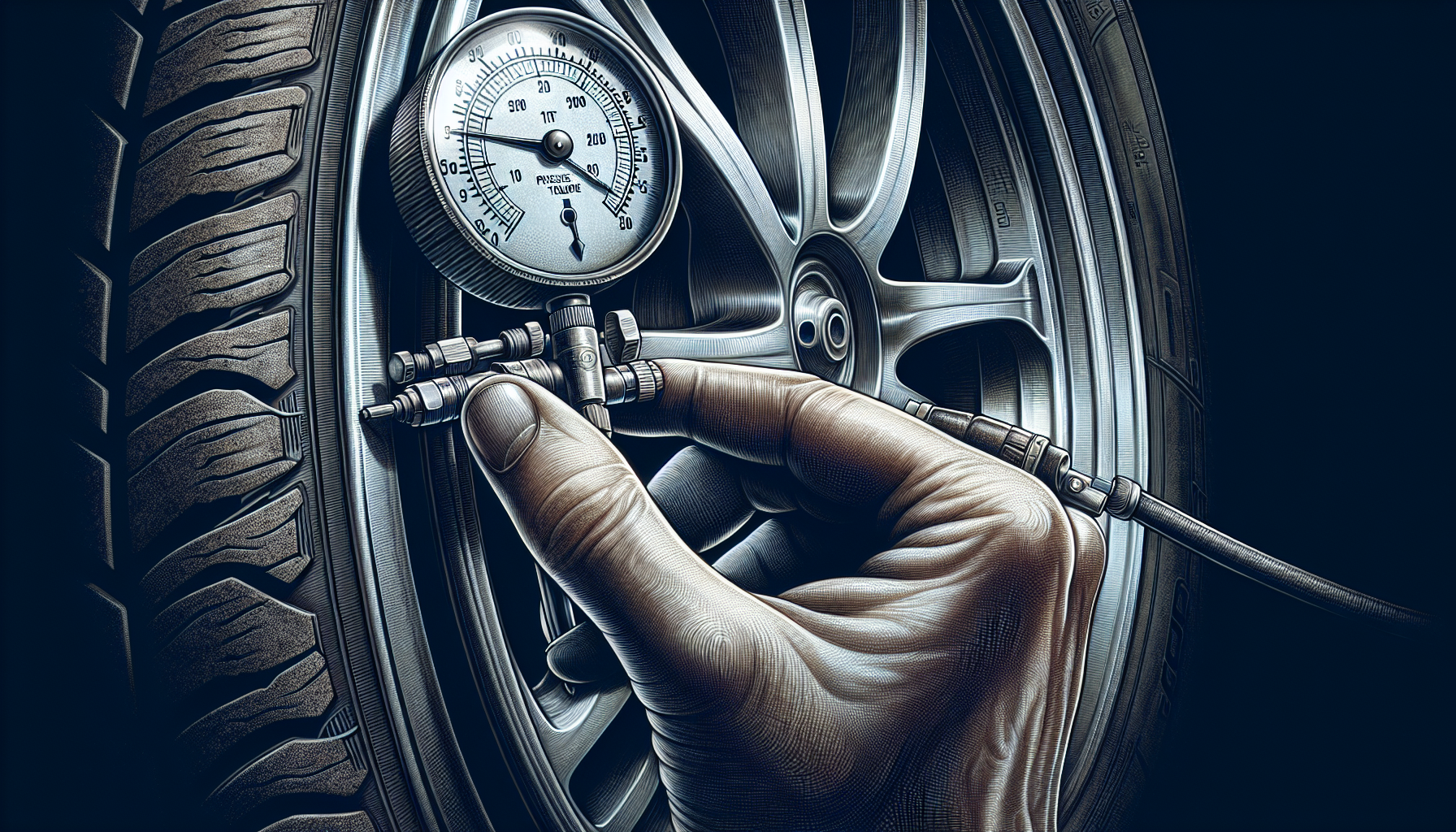
The minimum recommended frequency for checking your tire pressure is once every month as this helps you compensate for any natural shifts in pressure. During colder months, you might have to inspect the pressure more often since lower temperatures can cause a decrease in tire pressure.
Before setting off on extended journeys, it’s wise also to examine your tire pressures because variations in temperature during travel could affect them. By keeping an eye on the state of your tire’s inflation levels consistently, not only will undue wear be prevented, but you’ll also maintain peak performance of your vehicle.
Understanding PSI Levels
“PSI” denotes pounds per square inch, which is the standard unit for gauging tire pressure. To achieve ideal driving conditions and vehicle performance, adhering to your vehicle’s specific recommended PSI is vital. This suggested tire pressure usually falls between 28 and 36 PSI across most vehicles, depending on various factors.
Thus, in order to properly inflate your tires with the correct amount of pressure, it’s important that you refer either to the owner’s manual or check out information provided on a label located at the driver’s side doorjamb for exact PSI values related to your particular vehicle.
Tread Carefully: Ensuring Legal Tire Tread Depth
It’s essential to monitor your tire tread depth and manage brake dust for proper wheel maintenance. The legal limit for tire tread depth in the majority of states within the U.S. is 2/32 inch. Preserving at least this minimum amount of tread is crucial for maintaining traction and handling capabilities on your vehicle, which becomes particularly important under wet conditions where reduced tread can lead to increased stopping distances.
Wondering how you can check the depth of your tire treads yourself? Fortunately, there are several straightforward methods that you’ll learn about in subsequent sections we’ll be exploring below.
Measuring Tread Depth: Techniques and Tools
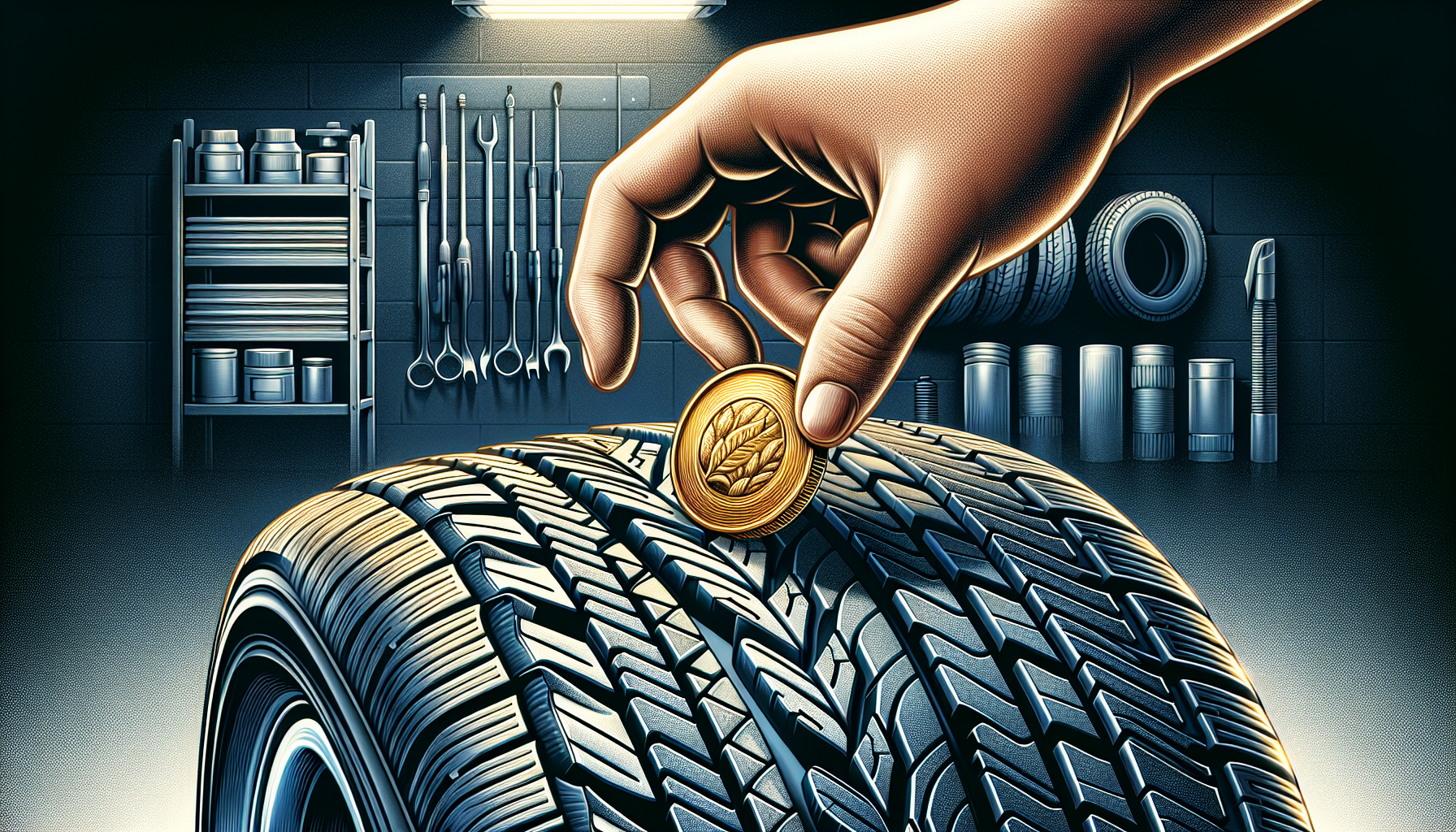
There are a couple of easy techniques that you can use at home to check the depth of your tire tread. A popular approach includes using coins such as pennies and quarters.
The penny test, for example, requires inserting a penny into one of the grooves on your tire with the top of Lincoln’s head pointing downwards. If you can see all of his head above the tread, it indicates low tread depth and potentially necessitates getting new tires.
Likewise, by placing a quarter in one of your tire’s grooves with Washington’s head facing downward. Should Washington’s hairline be exposed above the tread, this suggests that it might be time to consider replacing your tires. Performing these basic tests will help ensure that your tires meet legal safety standards and maintain roadworthiness.
Recognizing the Signs of Unsafe Tread Wear
Worn tire treads heighten the danger of hydroplaning, decrease braking effectiveness, and make punctures more probable. Tires with insufficient tread depth compromise traction and prolong stopping distances.
To this, when driving in wet conditions with inadequate tire tread depth, there’s a substantially increased chance of hydroplaning. Regular inspections for indications of dangerous wear on your tires are Essential to safeguard both the performance and safety of your vehicle.
Diagnosing and Addressing Uneven Tire Wear
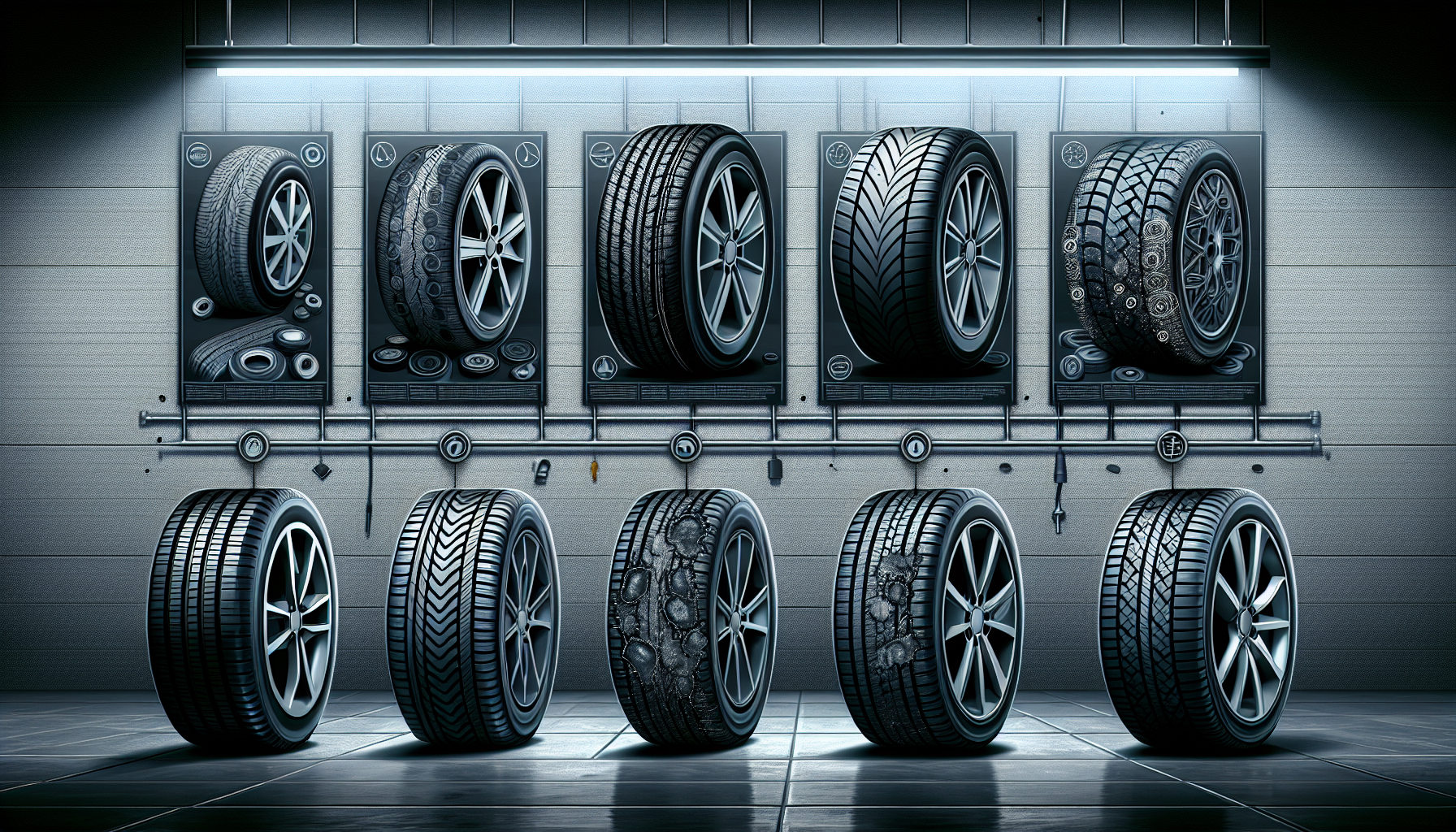
If you see uneven wear on your tires, this could mean there are bigger problems. Patterns like feathering, cupping, or more wear on one side can show issues with how your wheels are aligned or problems with the parts that connect the wheels to the car.
Uneven wear can happen if your wheels are not straight, your tires don’t have enough air, parts of the car that hold the wheels are worn out, or the tires are not balanced. Driving over potholes and rough roads or making sharp turns can make it worse.
To stop these problems and make your tires last longer, do these things: keep your tires filled to the right amount, make sure your wheels are straight, and get your car checked regularly. This includes making sure your tires are balanced. It’s important to notice when your tires are wearing out unevenly and to take care of the problem right away.
Spotting Uneven Wear: What to Look For
When examining your tires, keep an eye out for indicators of uneven tread wear. This condition could indicate a malfunction in the wheel bearings and might lead to hazardous handling difficulties. Vibrations stemming from radial run-out, or a tire and wheel assembly that isn’t perfectly circular, can have more impact on vehicle control compared to vibrations caused by lateral run-out.
During a visual examination of your tires look for:
cracks
bulges
foreign objects lodged in them
any patterns indicating irregular wear
Detecting these issues early can assist you in dealing with potential problems before they worsen, potentially preventing severe complications such as those which may require cleaning using mild soap.
Causes of Uneven Tire Wear
Many things can cause tires to wear out unevenly. If your car’s wheels are not straight, your tires will wear out too fast. This can be dangerous and may cause tires to fail. The amount of air in your tires also affects how they wear. Too much air means the middle part of the tire wears out quickly. Not enough air makes the edges of the tire wear out fast.
Issues with suspension components like:
degraded struts
weakened springs
cracked bushings
compromised control arms
These conditions can cause tire surfaces to wear down in an uneven pattern, which affects the way your car drives. Brake dust can also make tires wear out in an uneven way. If you drive quickly and then stop suddenly often, your tires might get flat spots or rough surfaces. Knowing these things helps you take care of your tires and keep your car driving well.
The Benefits of Regular Tire Rotation
It’s important to rotate your tires often. This means moving them from one position on your car to another. Doing this helps the tires wear down evenly, which makes them last longer and saves you money. It also helps your car drive more steadily and safely.
Next, we’ll talk about when to rotate your tires and how it helps your car drive better.
Tire Rotation: Simple Guide
You should move your tires to different positions on your car every 3,000 to 5,000 miles. This helps your tires wear down the same and last longer. If your car maker says to do it less often, like every 6,000 to 8,000 miles, then follow that advice.
When you change the tires around, you can move the front tires straight back and the back tires to the front but switch sides. This is called an “X-pattern” and is a common way to rotate tires.
Rotating your tires makes them wear evenly. This is good for your car and can make your tires last longer.
Why Rotate Your Tires?
Rotating your tires helps your car drive better. It keeps the wear even, which is good for the tires and the car. If you don’t rotate them, some tires might wear out faster than others. This can make your car harder to drive and less safe.
It’s important to take care of your tires. If you don’t, they might not last as long and your car won’t drive as well. So, remember to rotate your tires regularly!
Aligning for Optimal Control: The Importance of Wheel Alignment
Maintaining correct wheel alignment is very important for your car. It makes sure your car drives well and is safe. This process is about adjusting the suspension, which is the system that connects the car to its wheels. It makes sure the tires are straight and can touch the road in the right way. Here are some signs that your wheels might not be aligned properly:
Uneven or fast tire wear
The car pulls to one side when you’re driving
The steering wheel vibrates
One side of the tires is wearing out faster than the other
If you don’t check your wheel alignment, you could have to spend more money later. This could be for new tires or fixing the suspension, which can cost more than regular checks.
In this section, we will talk about what proper wheel alignment is and how to tell if your wheels are not aligned.
Understanding Wheel Alignment
Wheel alignment is important for good driving. It adjusts the angles of the wheels so your car drives straight. The camber is the tilt of the tire. If it’s wrong, your car can be unstable. The toe is whether the tires point inwards or outwards when you look from above. It needs to be right so your tires wear evenly. The caster is the angle of the steering wheel’s pivot. It helps your car go straight and makes steering easier. Knowing about these angles helps keep your car running well and safely.
Symptoms of Misalignment
Knowing the signs of bad wheel alignment can stop your tires from wearing out too quickly and keep your car driving right. Look for these signs:
Tires that wear out in strange ways
Your car moves to one side on its own
The steering wheel doesn’t stay straight when you’re driving forward
The steering wheel shakes
If you see any of these signs, you should get a professional to check your wheels and fix them if needed.
Wheel Balancing Basics
It’s important to keep your wheels balanced. This helps your car drive smoothly and keeps the tires from wearing out too fast. Let’s talk about how to balance your wheels and why it’s good for your car.
What is Wheel Balancing?
Balancing your wheels means making sure that the weight is spread out evenly around each wheel. When wheels are not balanced, your car can shake, and your tires can wear out in some places more than others. There are two types of balancing: static and dynamic. Static balancing fixes shaking up and down, while dynamic balancing stops shaking side to side. Special machines help to find where the wheel is off balance and fix it by adding small weights.
Knowing about these two types of balancing helps you keep your wheels working right.
How to Tell if Your Wheels Need Balancing
If your car’s steering wheel shakes when you drive at certain speeds, your wheels might not be balanced. This shaking can also make your tires wear out unevenly. It’s good to balance your wheels regularly to keep your car running smoothly.
If you feel shaking, it’s time to get your wheels checked and balanced if needed.
What to Do with a Flat Tire
Having a flat tire is a problem, but knowing when to fix it or when to get a new one makes things easier. You need to check how bad the damage is and where it is to decide if you can repair the tire or if you need to buy a new one.
Check the Damage
It’s important to look at your tires often and carefully to see if they are damaged. Sometimes you can fix a tire with special tools and materials, but other times you have to replace it. If the tire is very worn out or has cuts on the side, you must get a new one.
Fixing a Tire Yourself or Getting Help
If you know how to fix a flat tire, you can save money by doing it yourself. But you need the right skills and tools. If you’re not sure, it’s better to get help from a professional. They have the right tools and know-how to fix the tire so it’s safe to use again.
Smart Shopping: Key Considerations for Tire Purchases
Investing in new tires, whether it’s due to wear or the desire for an upgrade, is a significant financial commitment. The decision extends beyond the simplistic choice between the cheapest or the priciest options. It’s about selecting tires that are compatible with your vehicle and suitable for the driving conditions you regularly encounter. Factors such as performance, durability, and budget are all critical in making a well-informed tire purchase.
As you embark on the journey of buying new tires, what should you weigh in your decision-making process? Let’s explore these essential considerations further.
Selecting Tires Based on Your Driving Conditions
Choosing the right tires for your vehicle means considering the specific demands of your driving environment. Factors like the climate in your region, the typical conditions of the roads you travel on, and your driving habits should guide your decision. For those facing a mix of weather conditions throughout the year, all-season tires are a sensible choice. In contrast, for locales with heavy snowfall, winter tires are a necessity.
Moreover, your personal driving style should influence your tire selection. If you prioritize high-performance and agility, then tires designed for enhanced handling are the way to go. Conversely, if you seek comfort along with proficient handling, grand touring tires might offer the perfect compromise. Making the right tire choice ensures that your driving needs are met with precision.
Interpreting Tire Labels
Tire labels are packed with information that can help you choose the right new tires. They provide:
The size and load capacity of the tire, which are crucial for compatibility with your vehicle
The type of tire, including all-season, performance, or winter options
Intended use, such as for passenger vehicles or off-road applications
All this information is clearly outlined on each tire’s label.
Additionally, tire labels include speed ratings and tread-wear indicators, which give insights into a tire’s performance and expected lifespan. Understanding these labels is key to ensuring that your new tires are well-suited to both your vehicle and your driving conditions.
Spare Tire Basics: Keep Your Backup Ready
Having a spare tire is important for those surprise times when you get a flat tire. But just having it isn’t enough. You need to make sure your spare tire is ready to use in an emergency. This means you should check the air in your spare tire often, look at it for any damage, and keep it in a good place so it stays in good shape. By doing this, you can relax knowing that if you get a flat tire, your extra tire is ready to help you out.
How to Check Your Spare Tire
It’s a good idea to look at your spare tire from time to time, just like you would with the tires you use every day. Start by making sure it has the right amount of air, which you can find out by looking at the recommended PSI level. Then, check for any damage like cracks, cuts, or bulges that could make the tire weak.
Look carefully for any serious damage or old wear that might mean you need to fix or replace the tire to make sure it works right. Also, take out any dirt or small stones stuck in the tire grooves to keep it working well. By regularly checking your spare tire, you can trust that it will be ready and work right when you need it.
How to Take Care of Your Spare Tire
To take good care of your spare tire, you need to do more than just check it sometimes. You should keep your spare tire in a place that’s dry, cool, and away from sunlight to stop it from getting old too fast. If you keep your spare tire outside, cover it with something that lets air through but keeps water out, to stop moisture from getting in.
If you follow these tips for taking care of your spare tire, you can count on it being ready to use when you need it.
The Perils of Ignoring Wheel Maintenance
Overlooking the maintenance of your vehicle’s wheels not only affects how well it drives, but can also pose significant safety hazards and result in substantial repair expenses. Ensuring that your wheels are kept in top condition is essential for safe and smooth driving, as well as minimizing fuel usage, protecting the suspension system from damage, and reducing the frequency of tire replacements.
Now consider what risks you face when wheel maintenance falls by the wayside. We’ll explore what happens regarding safety dangers, performance drawbacks, and financial implications when you ignore taking care of your vehicle’s wheels.
Safety Risks and Performance Issues
Neglecting routine inspections of tires can pose substantial safety hazards. This is particularly true when tires hit the critical threshold of 50,000 miles or have been in use for five years, whichever occurs sooner. Should tires exceed their designated service lifespan without adequate upkeep, your vehicle’s performance may be severely impaired—its handling could become challenging and its response time in urgent situations might be reduced.
Continued operation of a vehicle on worn-out tires beyond their recommended service duration can result in several issues such as:
Expedited deterioration of various vehicular components due to heightened stress and uneven driving dynamics
Diminished traction and maneuverability which are crucial under slippery conditions
A higher chance for tire failures including blowouts or tread detachment
Lessened fuel economy
In essence, disregarding essential maintenance of wheels critically undermines not only passenger and driver safety, but also the structural soundness of the automobile.
The Cost of Neglect
Neglecting the maintenance of your wheels is not solely a matter of safety, but also an economic concern. Consistent upkeep of your vehicle’s wheels can stave off expensive repairs and forestall the necessity for expensive replacements due to wear that comes from overlooking their care. When wheel maintenance is not considered, it may contribute to an uncomfortable ride and elevate the risk of accidents through suboptimal vehicle performance.
By regularly maintaining and keeping your wheels clean, you are likely to maintain or even enhance your vehicle’s resale value by avoiding damage that could otherwise reduce its market price. As such, dedicating a bit of effort and resources into routine wheel upkeep can prove financially beneficial in preventing significant outlays down the line.
Summary
We have addressed all the fundamental aspects of wheel maintenance, from keeping correct tire pressure and confirming that tread depth is within legal limits to routinely rotating tires and aligning wheels. Overlooking the care of your wheels isn’t merely about affecting how well your vehicle operates. It can also create dangerous driving situations and result in considerable repair expenses down the line. Consistently inspecting your tires, performing rotations, ensuring wheel alignment, and balancing will facilitate a more secure and even ride while helping you avoid unnecessary costs over time. Never underestimate the importance of wheel attention—properly serviced wheels are crucial for taking you to your destinations with safety and efficiency at their forefront.
The automotive industry is changing with the introduction of electric brakes in cars. These new brakes use electricity and offer better safety and efficiency than old braking systems. This article will explain how electric brakes work, their benefits, and why more car manufacturers are choosing them.
Key Takeaways
Electric brakes, utilizing electrical signals and magnetism instead of hydraulic pressure, offer a reliable braking experience with enhanced performance, efficiency, and environmental benefits.
Regenerative braking systems in electric vehicles convert kinetic energy into electricity, reducing wear on brake components and improving overall energy efficiency, while brake-by-wire technology removes physical linkage, favoring electronic control for precision.
Despite the advantages of electric braking systems, drivers need to adjust to the different pedal feel, and the increased system complexity may lead to higher maintenance requirements and more complex accident analysis.
Decoding Electric Brakes: The Shift from Hydraulic to Electrical Systems
The time when hydraulic systems were the only way to slow down cars is over. Now, we have electric brake technology. These new brakes use electricity and magnetic forces to create resistance that can slow down or stop a car. This change is a big leap in how brakes work, moving away from traditional hydraulic brakes.
The move to electric brakes comes with many benefits for the car industry. As cars keep getting better and more advanced, these benefits are too important to ignore. That’s why we see more and more vehicles, including electric and gas-powered ones, using electric brakes.
The Mechanics of Electric Braking
When you press the brake pedal in a car with electric brakes, a series of well-designed actions starts. Electric brakes use electric signals to command actuators. These actuators apply the right amount of force to the brake pads and discs, slowing down the car. This system avoids the risk of leaks from hydraulic fluid and is more reliable.
Here are the main parts of this system:
Sensors that check how hard the pedal is pressed and the car’s movement
Control modules that understand the sensor data
Control units that decide the right amount of force needed to slow down or stop the car
Actuators that receive instructions from the control units to apply the force
This system is quick to respond and adjusts to both the driver’s style and changing road conditions.
Transition Trends: Are Electric Brakes Overtaking Hydraulics?
The automotive industry is changing as more cars use electric brakes instead of traditional hydraulic brakes. These new brakes are better for performance and last longer, which is good for safety and the environment. As people want more eco-friendly cars, electric brakes are becoming the standard for future car braking systems.
Electric brakes offer better control and are a big step forward in car technology. They are already setting new standards in braking and are key to the future of the automotive industry.
The Advantages of Going Electric with Your Brakes
Electric brakes are a smart choice for many reasons, including longer-lasting brake pads and being kinder to the environment. For instance, some electric car owners report their brake pads last over 100,000 miles.
Electric brakes have other benefits too:
They make car building cleaner and simpler by not using hydraulic fluids.
They’re good for the planet.
They improve efficiency.
They’re quieter than traditional brakes.
They reduce pollution.
Enhanced Stopping Power
Electric brakes are important for safe driving. They work very well and can stop a car quickly. These brakes adjust the stopping force as needed and respond fast. They also use a system that saves energy, making them better for safety and the environment.
Efficiency on the Rise
The regenerative braking system stands as a key technological advancement in the world of automotive efficiency, enabling vehicles—particularly hybrids—to perform several critical functions. It captures kinetic energy that would otherwise be lost, converts it into electrical power, reduces the load on the combustion engine, and improves fuel economy.
Paired with this innovative system is the brake-by-wire technology, which uses lighter components to decrease overall vehicle weight. This reduction in weight contributes to better efficiency and positions electric braking systems as both revolutionary and environmentally friendly solutions in modern vehicle design.
The Challenges of Electric Braking Systems
Electric brakes, while offering many benefits, also come with challenges. Some drivers find the brake pedal less responsive, lacking the usual feedback. This feedback is important as it gives drivers confidence and control over their cars.
These systems are complex, which might lead to higher repair costs and make accident analysis more difficult. However, manufacturers aim to provide consistent feedback through the brake pedal, regardless of brake temperature.
Learning to Use Electric Brakes
Drivers may need time to get used to electric brakes, particularly the e-pedal mode in electric vehicles. The pedal feels different from traditional brakes, but with time, drivers can adapt to it and appreciate its benefits.
Complexity and Reliability
Electric brakes bring precision but their complexity could affect reliability. Issues like brake blending in electric cars can impact smooth operation. In emergencies, analyzing electric brake failures requires considering many factors. Car makers work hard to ensure these brakes are safe and reliable.
Regenerative Braking: A Closer Look at This Electric Marvel
The process of regenerative braking is key in electric cars, turning the motor into a generator to slow down the car and make electricity. This saves energy and reduces the need for brake pad replacement.
Electric car owners benefit a lot from these advantages.
This technology is now being used in regular cars too, showing its growing importance for better braking systems.
How Regenerative Braking Works
When drivers stop pressing the gas or push the brake, electric cars start regenerative braking. This changes the motor into a generator, turning the movement energy into electricity. This electricity goes back into the car’s battery, making the car more efficient and possibly letting it go further on one charge. This eco-friendly method is important for electric cars.
The Role of Regeneration in EVs
Regenerative braking is very important for slowing down electric cars and charging their batteries. It can turn up to 70% of the car’s movement energy back into electrical power. The amount of energy saved changes with the car’s weight, if it’s pulling something heavy, and how the driver brakes. These factors affect how the car feels to drive.
The brake-by-wire system, also known as electromechanical braking, is a big step in electric brake technology. This system gets rid of the mechanical link between the brake pedal and the brakes. Instead, it uses electronic signals to control braking. This system is lighter because it doesn’t use heavy mechanical parts and it’s simpler with fewer parts.
It makes cars lighter by removing heavy parts.
It simplifies the system with less parts.
For example, Continental’s MKC1 system makes cars about 4 kilograms lighter.
This system is now in cars like the 2018 Alfa Romeo Giulia and Stelvio. It’s reliable and makes brakes last longer because there’s less wear and tear.
How Brake-by-Wire Works
In brake-by-wire systems, everything is controlled electronically. Here’s what happens when you brake:
You press the brake pedal and a sensor measures this force, turning it into an electronic signal.
A control unit processes this signal.
The control unit tells the system how much braking force to use.
An electric pump creates the hydraulic pressure needed to stop the car when needed. This system can adjust to how different people drive, which could make braking better for each driver.
Premium Brake Parts: Part Of The Innovative Technology Of Electric Vehicles
Electric brakes are a smart choice for many reasons, including the adoption of premium brake components that enhance performance and sustainability. Electric car brake parts are designed to handle the unique demands of regenerative braking systems, which result in less wear and tear compared to traditional brakes. They’re also built with advanced materials that enhance performance and are environmentally friendly. These innovations contribute to longer-lasting brake components and more efficient vehicles.
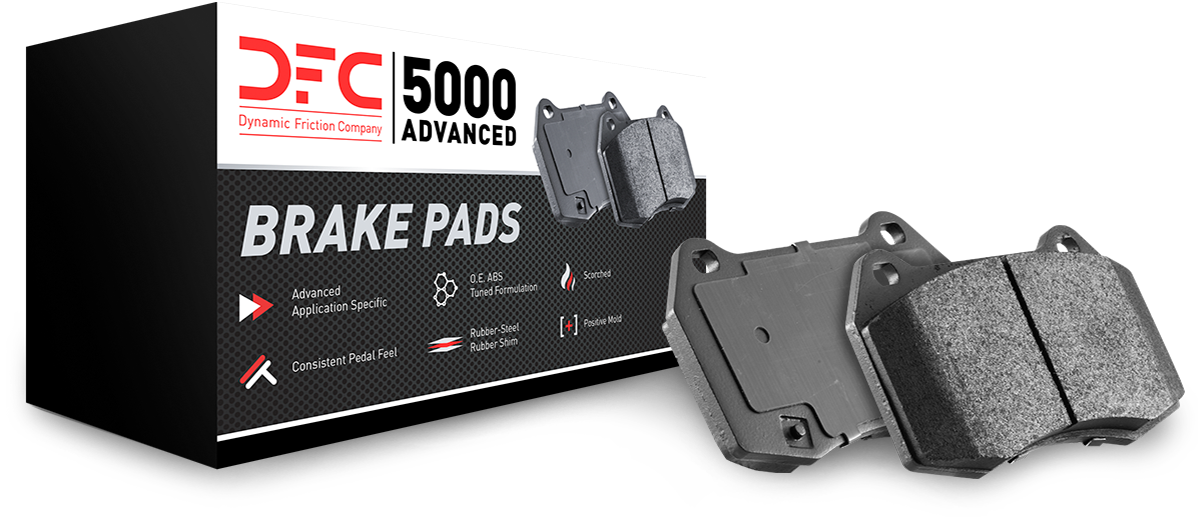
The DFC 5000 Advanced brake pads exemplify the innovation in electric vehicle brake technology. Designed with advanced friction formulas, these pads offer enhanced stopping power, quieter operation, and minimal dust production. Their rotor-friendly design is particularly suited to the heavier electric vehicles that depend on regenerative braking, extending the life of both pads and rotors. In addition to their performance benefits, these brake pads are eco-conscious, made without copper to meet future environmental standards. By marrying performance with sustainability, the DFC 5000 Advanced brake pads represent a leap forward in electric vehicle safety and efficiency.
Exploring the Diversity of Electric Braking Systems
The world of electric brakes is diverse, with innovations like electromagnetic brakes that stop vehicles without touching them, which means no wear and tear. Continental’s Future Brake System is an exciting development that works without hydraulic parts.
It’s exciting to think about what new electric brake technologies might be coming. The automotive industry is always moving forward, offering different braking systems for different cars and drivers, making future vehicles even better at braking efficiently.
Electric Brakes in Electric vs. Hybrid Cars
Both battery electric vehicles (BEVs) and hybrids use regenerative braking to turn motion into electricity when slowing down. Here’s what’s different:
Hybrids combine this with traditional brakes, giving a feeling similar to engine braking.
When hybrids slow down for a long time and the battery is full, they use the engine to manage the extra energy. BEVs don’t do this because they only use electricity.
BEVs have unique electric brakes without the usual hydraulic parts, giving a different feel from hybrids.
Electric Brakes for Trailers
Electric brakes are also used in trailers towed by electric vehicles. These trailers have brakes that work with electromagnets to slow down. Elecbrakes is a product that lets drivers control these brakes wirelessly, making it easy to install and use.
The Elecbrakes EB2 is designed for electric vehicles and is simple to set up with wireless technology. It can be installed quickly without changing the vehicle.
Safety rules say that trailers with a heavy load must have electric brakes that stay on even if the trailer disconnects from the car. This shows how important reliable electric brakes are for towing safely.
Electric Brakes in Traditional Cars
Electric brakes are now being used in regular cars, not just electric ones. They offer better safety and can even save fuel. As technology gets better, more cars are using electric brakes.
Simple Safety with Electric Brakes
Electric brakes are very safe. They have extra ways to check things like pedal position and wheel speed to keep you safe. If the electric system fails, there’s a backup manual system to stop the car.
These brakes also have smart features that can brake for you to avoid accidents.
Reliable Braking, Even During Failures
Car makers add extra safety to electric brakes. If the electric part fails, the car can still brake using a manual brake or electric parking brake. This means you can always stop safely, even if there’s an electrical problem.
Summary
As we’ve journeyed through the intricate world of electric braking systems, it’s clear that this technology is not just an alternative to traditional brakes, but a revolutionary step forward in automotive design. From the enhanced stopping power and efficiency gains to the diversity of systems and their applications across different vehicles, electric brakes are reshaping our expectations of vehicle safety and performance.
Embrace the change, for the future of braking is electric. With continuous advancements, increased adoption, and a focus on sustainability, electric braking systems stand as a testament to human ingenuity and a beacon for the evolution of transportation technology.
Frequently Asked Questions
How do electric brakes differ from traditional hydraulic brakes?
Electric brakes differ from traditional hydraulic brakes by using electrical signals and magnetism instead of hydraulic pressure to engage the brake pads, providing a cleaner, more responsive, and efficient braking process.
What is regenerative braking and how does it work?
Regenerative braking harnesses the electric motor to convert kinetic energy into electrical energy, storing it in the battery for later use, which improves efficiency and reduces brake wear.
This system helps slow down the vehicle by utilizing the generator aspect of the electric motor.
Are electric brakes more reliable than traditional brakes?
Yes, electric brakes are often considered more reliable than traditional brakes due to their reduction of friction-based components, which enhances reliability and lifespan.
Can electric braking systems be used on gasoline-powered cars?
Certainly, gasoline-powered cars can be equipped with electric braking systems, which enhance safety measures and fuel efficiency while representing progress in the realm of automotive technology.
What safety measures are in place for electric braking systems?
Advanced safety mechanisms such as automatic emergency braking are integrated into electric braking systems, which also incorporate manual hydraulic linkages and multiple sensors to maintain the vehicle’s safety.
When temperatures drop, drivers often face the nerve-wracking issue of brakes freezing up in cold weather. This not only disrupts your driving experience, but also poses a safety risk. Our article cuts through the cold to deliver essential guidance on why this happens and how you can respond effectively to keep your car’s brakes functioning smoothly in cold weather.
Key Takeaways
Moisture in low temperatures can cause brake components to freeze together, leading to reduced brake performance and potential damage to the braking system.
Immediate actions for thawing frozen brakes include letting the car idle to generate heat, gently rocking the car, and applying directed heat, as well as driving carefully if the brakes are still functional.
Preventative measures for avoiding frozen brakes include parking indoors, regular maintenance checks, using car covers, and adopting driving techniques like engine braking to reduce brake wear.
Understanding Brake Freeze in Frigid Temperatures
As the temperature drops, water can sneak into the small gaps between the brake parts and the pads or shoes that press against them. If it gets cold enough to freeze, this water turns to ice, which can make these parts stick together.
This moisture issue is more than just about freezing; it speeds up the wear and tear on brakes in cold weather, leading to more brake problems. If brake lines are exposed to extreme cold for too long, they can develop cracks. These cracks allow water to get in and freeze at 32°F, which is warmer than what you would expect for brake fluid to freeze.
The Science Behind Frozen Brakes
Brake components, including brake pads and rotors, are especially susceptible to the harsh conditions of cold weather. The winter months can intensify the deterioration process and result in more rapid wear, often resulting in increased instances of brake problems.
During colder periods, moisture or grime that becomes lodged between the brake disc and pads may freeze due to low temperatures. Just like how your tongue can become stuck to an ice-cold metal pole in the winter, the brake pads can also freeze to the discs in your car’s braking system.
Identifying Frozen Brakes
If you suspect that your car’s brakes may be frozen, listen closely for unusual noises when you start driving after the vehicle has been stationary overnight. These sounds can suggest that the brake components have become frozen.
Experiencing a hard-to-press brake pedal, particularly during cold weather following extended periods of non-use, is another typical sign of this problem. Frozen pads or linings might lead to wheels seizing up, a situation often precipitated by chilly nights with moisture present among the parts of the brake system.
If there’s noticeable sluggishness in acceleration once you take your foot off the brake pedal and an apparent decline in how effectively your car stops—these could point toward complications with rust or moisture affecting either performance or causing resistance within the brakes due to freezing conditions.
Thawing Out Your Brakes: Immediate Actions
If you suspect that your car brakes are frozen, here are some actions you need to do to thaw it without adding damage:
Start your car and leave it idle for at least 10 minutes to generate heat and melt any ice on the braking system, especially the parking brake.
Use a hairdryer to direct focused warmth on icy areas around your vehicle’s wheels or parking brake to quickly thin out the ice.
For iced-up rear drum brakes, place some weight in your trunk and gently shift the car back and forth between drive and reverse gears to loosen any icy buildup.
If the car moves but the brakes feel excessively frictional, drive for a short distance to create friction-induced heat, which can help melt slight ice accumulations in the braking system.
Employing the gentle rocking technique can efficiently and safely remove ice from your brakes. The strategy entails subtly maneuvering the vehicle to-and-fro to shatter any ice accumulation without exerting excessive force on the brake pedal, thus safeguarding the braking system from potential harm.
Using a super soaker loaded with hot water allows for precise application and melting of ice on your frozen brakes through a focused stream. These methods will enable you to safely hit the road without undue delays.
Preventative Measures to Keep Brakes Unfrozen
The old saying “better safe than sorry” definitely applies to preventing your car’s brakes from freezing. If you can, try to park your car inside during the winter. This simple step can significantly reduce the chances of your brakes freezing up.
Keeping up with your car’s recommended brake service schedule is also important. It ensures that your brakes are in good working order and less likely to be affected by the cold. Taking these proactive steps is much easier and safer than dealing with frozen brakes when the temperature plummets.
Regular Maintenance Checks
Every strategy to prevent brake freezes must incorporate consistent maintenance inspections. These examinations are critical for assessing the condition of the brake lines, as they help identify possible complications like fractures, perforations, and penetration by moisture that might cause braking difficulties in chilly conditions.
Regular assessments of the brake pads and rotors are imperative for preserving optimal functionality of brakes, especially during times when cold weather elevates the risk of encountering brake issues. It’s essential to replace brake pads that appear to be less than 1/4 inch thick upon visual inspection so as to guarantee efficient performance of brakes.
Protective Practices for Overnight Parking
Even without a garage, you can safeguard your car’s brake system from the harsh freeze. Utilizing a car cover when parked overnight shields the brakes and helps avoid moisture-induced seizure as temperatures drop.
Keeping your vehicle under a covered area will also help deter rust accumulation on brake rotors by keeping it dry. Reducing excess weight in your car can aid in warding off complications with the brakes during extended parking periods in cold environments.
The Impact of Winter Driving Conditions on Braking Systems
Winter conditions can be tough on your car’s brakes. Using your brakes a lot on icy roads can make them too hot, which makes them work less effectively. If snow and water get on the brake pads, you might need to press harder and for longer to slow down the car, which also heats up the brakes.
If your brakes are less responsive or make squeaking sounds, they might be too hot. To prevent this, try not to press on the brake pedal constantly, use the brakes gently, take advantage of engine braking to slow down without using the brakes, and keep a good distance from the car in front of you.
Too much heat from overusing brakes in winter can wear them out faster. Regular checks are important to make sure your brakes are ready for the cold. Using engine braking, which means shifting to a lower gear to slow the car, can help keep your brakes from getting too hot.
By understanding how winter affects your brakes and taking steps to reduce their workload, you can drive more safely and keep your brakes in good shape.
Engine Braking and Its Benefits
During the winter, it’s a good idea to use engine braking to take care of your car’s brakes. This technique slows down the car by shifting to a lower gear, letting the engine do the work instead of the brakes.
Using engine braking when you drive on icy roads helps you control the car better and puts less strain on the brakes. This way, your brakes won’t overheat from being used too much, and they’ll last longer without wearing out from the heat.
Cold Weather and Brake Fluid Dynamics
The dynamics of your brake fluid are impacted by cold weather, which can also affect the components of your braking system. When temperatures drop to around -22C (-30F), there’s a possibility for the brake fluid to thicken and move more slowly, hindering its ability to convey braking force with full effectiveness.
Frigid conditions may cause harm such as cracks or ruptures in the brake lines that could let water seep into the system. This infiltration raises the risk of freezing within parts of the brake system. Despite having a resistance to freeze until roughly -40°F, any degradation in quality or integrity of both fluid and lines might prompt freezing issues that compromise how well your brakes function.
When it gets really cold out, thickened fluid is especially troubling because it may prevent proper operation of systems like Anti-lock Braking System. That system relies on finely tuned pressure modulation during braking. This precision helps maintain control and traction during stops.
Choosing the Right Brake Fluid
Choosing the right brake fluid is just as critical for vehicle maintenance as tending to your brake components. It’s imperative that you use the type of brake fluid specified by your vehicle’s manufacturer, ensuring optimal lubrication and function of the braking system when temperatures drop.
Brake fluids are specifically designed to maintain their thickness across various temperature extremes and usually won’t freeze until they hit roughly -40°F. This ability to withstand freezing is vital to maintaining reliable brake performance in chilly environments.
Tackling Rust and Corrosion Challenges
The onset of winter weather can pose additional threats to your vehicle’s brakes, with rust and corrosion being major concerns. The accumulation of road salt, commonly applied during snowy conditions, coupled with moisture from snowmelt, can fast-track the deterioration process on brake components leading to pitting in the brake rotors.
To combat these issues effectively, it is recommended to use zinc-plated, specifically like Dynamic Friction’s Geospec coated brake rotors which are designed for better resistance against corrosive elements.
It also helps to regularly clean your brakes to eliminate any buildup of road salt and drive frequently enough so that surface rust is naturally scraped off by the action of the pads on rotors. Significant rust buildup could greatly diminish braking effectiveness and may even cause the brake pads to adhere strongly onto the rotor—such scenarios endangering vehicular safety due needlessly prolonged stopping distances.
Cleaning Strategies to Combat Rust
Maintaining cleanliness of your brakes is essential for preventing excessive rust accumulation, particularly in cold weather. Frequent washing of your car during and subsequent to the winter months helps eliminate soil, salt, and impurities that can lead to rusting, thereby prolonging the lifespan of your vehicle.
By periodically shifting the vehicle gently between drive and reverse positions you can shake off any rust or salt buildup which might cause the brakes to seize up during cold periods. Adopting these straightforward cleaning techniques is crucial for preserving both brake functionality and vehicular safety.
Recognizing When to Seek Professional Help
No matter how diligent you are, sometimes it’s imperative to seek expert assistance for your brake problems. Signs that suggest a professional replacement of the brake rotors is required include:
Extensive rust accumulation
Deep scoring
Visible grooving on the surface
Experiencing vibrations during braking
If you notice a lot of rust on your car’s brakes, it’s important to get them checked at a repair shop right away. A professional mechanic can ensure your brakes are safe and working properly.
Summary
From understanding brake freeze in frigid temperatures to recognizing when to seek professional help, we’ve covered a comprehensive guide to prevent and tackle cold weather brake problems. Remember, regular maintenance, adopting protective practices, and using the right brake fluid are key to a safe and smooth winter driving experience.
Frequently Asked Questions
Can brake fluid freeze?
While brake fluid can become extremely viscous to the point where it fails to efficiently convey force from the master cylinder to the wheel brakes, it does not solidify like water does because it is an oil-based substance.
How do you unfreeze frozen brakes?
To resolve the issue of frozen brakes, consider methods such as shutting off and then restoring the air supply, gently rocking the trailer back and forth, using a hammer to break them loose, or allowing them to defrost in an environment with warmer temperatures.
Addressing this problem swiftly is crucial for maintaining road safety.
Why do my brakes stick in the cold?
During cold conditions, moisture present between the disc/drum and brake pads can solidify due to freezing temperatures, leading to the sticking of brakes and the seizing up of wheels. Rust accumulation in these areas might contribute to this problem.
How can I prevent my brakes from freezing?
Ensure regular maintenance inspections of your brakes to stop them from freezing, opt for indoor parking spots whenever they are available, and adhere to preventive measures when parking outside overnight.
When should I seek professional help for brake issues?
If you observe significant rust accumulation, scoring, grooves on the brake components, or experience vibrations during braking, it’s imperative to consult with a professional. These symptoms signal critical problems with your brakes.
Promptly attending to these issues is vital for maintaining road safety.
Are you wondering how to keep your vehicle running smoothly despite the freezing temperatures and challenging road conditions of winter?
This may seem to be a no-brainer for people who are already used to work with their vehicles and have been driving for quite some time now, but if you’re someone who’s new to having a car, you may be clueless on how to do so.
The good news is that we’re ready to help you with that and we have compiled a detailed blog for you to read on!
This guide on winter car maintenance will provide you with simple, yet essential tips to prepare your car for the cold months ahead.
Key Takeaways
Winterizing your car is essential for safety and reliability in cold weather, requiring tire pressure checks, battery health inspections, and antifreeze level tests.
Essential maintenance for winter driving includes replacing windshield wipers for better visibility, maintaining proper fluid levels for vehicle performance, and inspecting belts and hoses to prevent failures in cold conditions.
Preparing for winter emergencies involves assembling a safety kit, learning how to drive in snow and ice, and planning for roadside assistance. Also, caring for your car’s exterior with regular washing and waxing is crucial to protect it from rust and corrosion.
Preparing Your Car for Winter Weather
Preparing your car for winter weather is crucial to ensure it can handle the challenges of winter road conditions, and cold weather performance. But as someone who is a total novice when it comes to cars, this can be a challenging factor.
What you need to keep in mind first is that you need to know your vehicle manufacturer’s recommended maintenance process; each and every make and model will require a slightly different way when it comes to maintaining some parts of your car, like the engine, so this part is essential.
Assuming you already know it, here are some of the general steps you need to do in order to perform a winter car maintenance.
Inspect Tires and Adjust Pressure
Let’s start from the ground up – your tires. Ensuring that your tires are adequately inflated with the right air pressure and have enough tread depth is crucial for better traction and safety during winter driving conditions.
Inspecting your tires is a crucial step in winter car maintenance to ensure safety and performance. Here’s a detailed step-by-step procedure to follow:
Check Tread Depth: Use a tread depth gauge or the penny test to measure the tread depth. Insert a penny into the tread groove with Lincoln’s head upside down. If you can see the top of Lincoln’s head, the tread is too worn and the tire needs replacing. For safety, the recommended minimum tread depth is 2/32 of an inch.
Examine Tread Wear Patterns: Look for uneven tread wear, which might indicate alignment issues, improper inflation, or problems with suspension parts. If the tread is more worn on the inside or outside, consider having your car’s alignment checked. If the center tread is excessively worn, your tires might be overinflated; if the outer edges are worn, they might be underinflated.
Inspect for Damage: Check the sidewalls for cuts, bulges, or other damage that could lead to a blowout. If you find any such damage, the tire should be replaced as it may be unsafe to drive on.
Test Tire Pressure: Use a reliable tire pressure gauge to test the pressure when tires are cold (not driven on for at least three hours). Inflate the tires to the manufacturer’s recommended pressure, which can be found in the owner’s manual or on a sticker inside the driver’s door.
Check Tire Age: Look at the tire’s sidewall for the DOT code to find the tire’s age. The last four digits represent the week and year the tire was made. For instance, “3217” indicates the tire was manufactured in the 32nd week of 2017. Most manufacturers recommend replacing tires every six years, regardless of tread depth, due to the breakdown of rubber compounds.
Rotate Tires Regularly: Tire rotation should be performed as recommended by the vehicle manufacturer, typically every 5,000 to 8,000 miles, to ensure even tread wear and extend tire life.
Balance and Align Tires: If you notice a vibration while driving or uneven tread wear, have your tires balanced and aligned. This will help maintain even tread wear and improve vehicle handling.
By following these steps, you can identify issues with your tires and take the necessary actions to ensure they are in good condition for winter driving. Always address any tire issues promptly to maintain safety and performance.
Check Battery Health
Moving onto the heart of your car – the battery. The last thing you’d want in the midst of a winter drive is a dead battery. Identifying a weak or failing car battery is integral to ensuring reliable performance. Symptoms such as:
a clicking sound when starting the car
a slow engine crank
electrical component issues
an illuminated car battery warning light on the dashboard
can indicate a weak or failing car battery.
It’s advisable to regularly test your car battery, especially if it’s over four years old. Consider doing so twice a year for continued dependability. Cold temperatures can significantly decrease battery power, necessitating a battery with the recommended Cold Cranking Amps (CCA) of 600 or above for optimal performance. Additionally, keep your battery clean and free of corrosion to prevent car breakdowns, especially during the winter months.
Test Antifreeze Levels
Now, let’s turn our attention to the lifeblood of your engine – the antifreeze or coolant.
The antifreeze in your vehicle is essential for preventing the water in your engine’s cooling system from freezing in cold weather. Here’s how to check your antifreeze levels step by step:
Locate the Coolant Reservoir: Find the coolant reservoir under the hood; it’s usually a translucent plastic container with a label or symbols indicating it’s for coolant.
Check the Coolant Level: Look at the side of the reservoir to check the coolant level. There will typically be “full” and “low” level marks. If the coolant is below the “low” mark, you’ll need to add more.
Inspect the Coolant Condition: Check the color of the coolant. It should be bright and clear. If it’s discolored or contains particles, it might be time for a coolant flush and replacement.
Add Coolant if Necessary: If the levels are low, add the correct type of antifreeze to the reservoir to bring it up to the proper level. Be sure to use the type recommended by your vehicle’s manufacturer.
Check for Leaks: After filling, briefly run your engine and check for leaks. Any leaks could indicate a problem with the cooling system that should be addressed immediately.
Screw the Cap Back On Securely: Once you’ve finished checking and adding coolant, make sure to replace the cap on the reservoir securely to prevent any spillage or evaporation.
By regularly monitoring and maintaining your vehicle’s antifreeze levels, you can help ensure that your engine is protected against freezing temperatures and overheating.
Essential Maintenance Tasks for Winter Driving
Consistent winter car care, including servicing spark plugs and inspecting engine air filters, as well as cabin air filter, can improve fuel efficiency and prevent engine strain during the cold times.
Changing the engine air filter every 30,000 to 45,000 miles ensures the engine does not run hot and operates efficiently.
These tasks may seem like a lot, but the payoff is well worth the effort. Not only will your vehicle perform better under winter conditions, but you’ll also avoid costly repairs in the long run.
Replace Windshield Wipers
Visibility is key when driving in winter conditions, and your windshield wipers play a major role in this.
Your windshield wipers are frontline defenders against the snow, sleet, and ice that can impair it. Here’s a step-by-step guide to ensure your wipers are ready for winter:
Evaluate Wiper Blades: Check your current wiper blades for signs of wear such as cracks, tears, or missing pieces. If the rubber is hard or chattering across the windshield, it’s time for them to be replaced.
Choose the Right Blades: Opt for winter or all-season wiper blades. Winter blades are encased in a protective rubber boot to prevent ice and snow buildup.
Remove Old Wiper Blades: Lift the wiper arm away from the windshield and press the small tab underneath the wiper where it meets the wiper arm. Slide the blade off by pulling downward.
Attach New Wiper Blades: Align the new blade with the arm, and slide it into place until you hear a click, which indicates the blade is secured.
Test the Wipers: After installation, turn on the wipers to ensure they are working correctly and making full contact with the windshield without any streaks or skips.
Consider Wiper Fluid: Use a windshield washer fluid with de-icer to help melt away ice and reduce the work your wipers have to do. Check the reservoir and fill it up if needed.
Regular Maintenance: Throughout the winter, regularly clean off any ice or snow from the wiper blades before using them. This can prevent damage to the blades and ensure they perform optimally.
By following these steps, you can help maintain clear visibility during winter conditions and enhance your safety on the road.
Maintain Proper Fluids
Fluids are the lifeblood of your car, and maintaining them is crucial for optimal performance. Low-viscosity engine oils, such as 0W-20 or 5W-30, are preferable for winter as they pour more effectively at low temperatures, aiding quicker engine starts and optimal performance in the cold.
Regular checks of brake fluid are vital, as low levels can lead to decreased braking efficiency, which is especially hazardous on icy winter roads. Additionally, replacing your oil filter ensures that your engine oil remains clean and free of debris. Don’t forget to check your windshield wiper fluid, as it plays a significant role in maintaining visibility during winter months.
It’s recommended to inspect the following levels regularly:
Oil
Coolant
Brake fluid
Transmission fluid
Power steering fluid
Check these levels monthly, or every few gas fill-ups, and before embarking on longer trips. In winter conditions, make sure to check the power steering fluid for proper fluidity, as it can thicken and impact steering control and safety.
Inspect Belts and Hoses
The belts and hoses in your vehicle are like the veins and arteries in your body – they keep everything running smoothly. To ensure your serpentine belt is in top shape for the cold season, follow this detailed step-by-step inspection procedure:
Locate the Serpentine Belt: Open the hood and locate the serpentine belt. The belt is usually on the front of the engine and winds around various pulleys.
Inspect Belt Tension: Press down on the belt with moderate force. The belt should have some give, but not more than half an inch of play. If it’s too loose or too tight, tension adjustments may be necessary or it might indicate wear on the tensioner.
Examine for Visible Damage: Look for signs of wear such as cracks, fraying, or splits on the belt’s surface. Small cracks are normal as the belt ages, but deep or numerous cracks indicate it’s time for a replacement.
Check for Glazing and Pilling: A shiny or glazed appearance on the belt’s surface can be a sign of slippage, while pilling (small pieces of the belt creating bumps) can indicate misalignment or deterioration.
Listen for Noises: Start the engine and listen for any squealing or chirping sounds. These noises can be a sign of a worn belt or misaligned pulleys.
Assess Pulley Condition: Inspect the pulleys for any damage or debris that could affect the belt’s performance. Clean off any dirt or residue.
Check Alignment: Look at the belt in relation to the pulleys to ensure it is seated properly and running straight.
Replace if Damaged: If you’ve found any damage or signs of excessive wear during your inspection, replace the serpentine belt to avoid potential failures in cold weather.
By following these steps, you can identify any issues with your serpentine belt and take the necessary actions to ensure it is in good condition for winter driving. Always address any belt issues promptly to maintain safety and performance.
Caring for Your Car’s Exterior in Winter
Mitigating rust and corrosion through routine maintenance in winter is essential due to the damage caused by road salt and ice.
Maintaining the vehicle’s exterior during winter supports its value and protects the owner’s investment from depreciation related to weather conditions. Waxing the car forms a protective seal, keeping the paint in good condition and reducing the likelihood of rust during winter months.
Wash and Wax Regularly
Winter can be harsh on your car’s exterior, but regular washing and waxing can keep it looking its best. Regular car washes during winter months are essential for removing road salt, which can cause rust and corrosion on the vehicle.
After washing, applying a sealant, wax, or ceramic coating to your car can provide an additional layer of protection against corrosive damage during cold months. Remember, the best time to wash and wax your car in winter is on a day with mild temperatures between 45-60 degrees Fahrenheit, ensuring the cleaning and drying processes are most effective.
Protect Door Seals and Locks
Last, but certainly not least, let’s talk about your car’s door seals and locks. Silicone spray lubricant is recommended for treating door seals to repel water, resist dirt contamination, and ensure functionality in extreme temperatures ranging from -100 to 500 degrees Fahrenheit.
Applying a thin layer of beeswax to the paint that contacts the rubber seals can effectively prevent doors from freezing shut in cold weather. You can also use talcum powder to maintain the condition of rubber seals. It’s recommended to wipe them down with talcum every six months.
Summary
In conclusion, winter car maintenance doesn’t have to be daunting. With the right knowledge and a little bit of effort, you can ensure that your vehicle stays in top shape throughout the winter months, keeping you safe and your car running smoothly. Remember, prevention is always better than cure, especially when it comes to your vehicle. Stay safe and enjoy the ride this winter!
Frequently Asked Questions
Is it worth doing your own car maintenance?
Yes, it’s worth doing your own car maintenance as it can save you money in the long run by avoiding expensive professional mechanic labor costs. Instead, you’ll only be paying for parts and tools, leading to significant savings over time.
What does winterizing a car include?
Winterizing a car involves tasks such as inspecting tires, fixing tire pressure, testing the battery, changing the oil, adding proper coolant, and checking belts and hoses. It’s also important to have an emergency kit, test the battery, and protect the car from winter damage, such as ice and salt.
How often should you start a sitting car in the winter?
In the winter, it’s advisable to start a sitting car at least once a week and let it run for ten to fifteen minutes to maintain engine health.
Do I need to do anything to my car for winter?
To prepare your car for winter, check the antifreeze and windshield wiper fluid levels, and consider using a winter-specific fluid with de-icer. Additionally, make sure your tires have sufficient tread and air pressure. These steps can help ensure your safety and prevent car troubles during winter driving.
How often should I check my tire pressure in winter?
It’s important to check your tire pressure every month and before long trips or carrying extra loads, particularly in colder months when tires can lose pressure more rapidly.
The Honda Accord continues to be one of the bestselling sedans in the country. Did you know it was also the first foreign vehicle to be manufactured in the US? It was first produced by the Honda plant in Marysville, Ohio, in 1982.
We recently did a Brake Install for a 2018 Honda Accord, replacing stock parts with our GEO-KIT 5000 Brake Kit.
Click the video to check out the install.
We’ve simplified the confusing process of finding the right parts by developing a brake kit program designed to fit you or your customer’s needs. The GEO-KIT 5000 Brake Kit includes:
DFC GEOSPEC Coated Brake Rotors
DFC 5000 ADVANCED Brake Pads
Our GEOSPEC Coated Brake Rotors come in an eye-catching, silver-gray finish, are processed and shipped dry, and are ready to install right out of the box.
The 5000 ADVANCED Brake Pads are specially formulated to maintain balanced braking and provide the correct friction performance, critical for vehicles with ABS.
Together, they are the perfect brake upgrade for the 2018 Honda Accord.
At DFC, we’re committed to providing the market with specially formulated friction products that meet the ever increasing requirements for all vehicles.
Hardware is often overlooked, but it can make or break your next brake job.
The reality is hardware can be stressed or corroded within a year or two, leading to reduced spring tension, premature and uneven wear, as well as noise.
Co-Founder Dino Crescentini presents the value of hardware for your brake job, as well as the signature features of DFC Hardware Kits.
Click the image below to view the video.
The most important thing about hardware is for the spring tension to maintain the proper alignment of the pad and caliper. This alignment helps in both the prevention and reduction of noise.
In addition, our caliper abutment clips are coated with polytetrafluoroethylene (PTFE), commonly known as teflon.
DFC goes one step further: we add PTFE coating to vehicle-specific applications that didn’t come standard originally on the vehicle. This increases brake performance and prevents unnecessary noise.
Finally, when it’s time for you to replace the hardware, make sure you use the right hardware to perform a perfect brake job.

 UNITED STATES




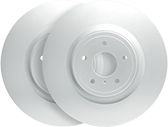

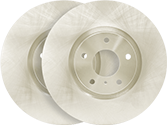

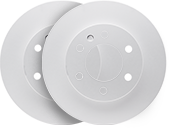

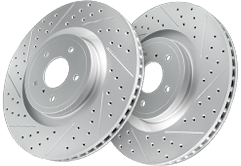

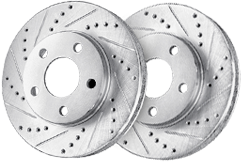

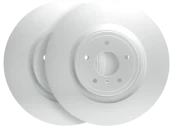

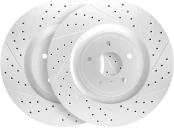

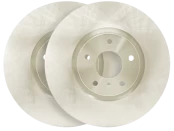

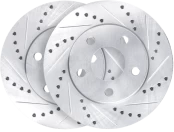






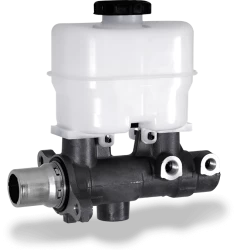

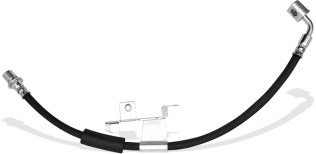

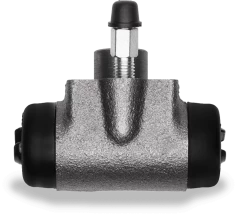


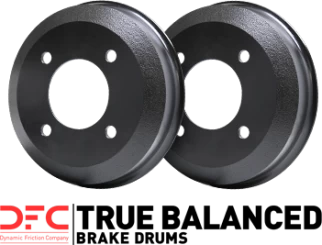

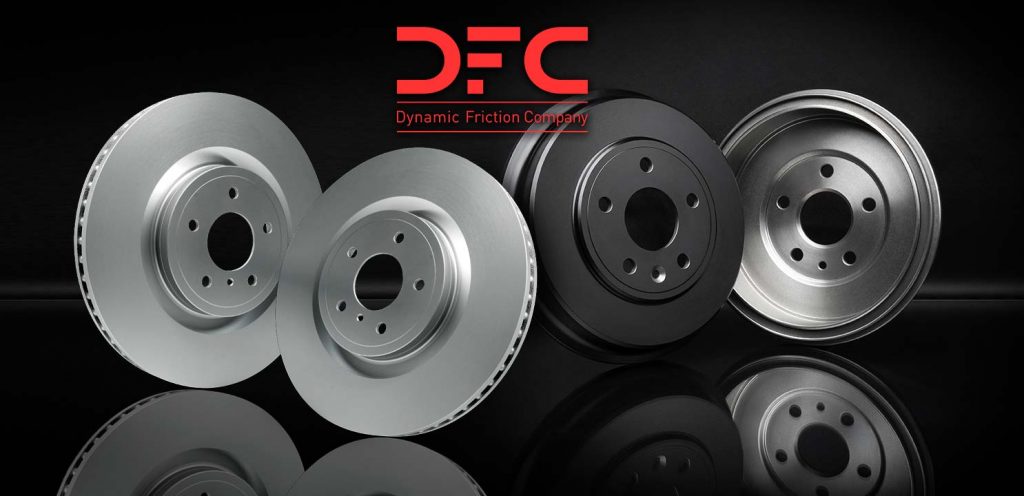
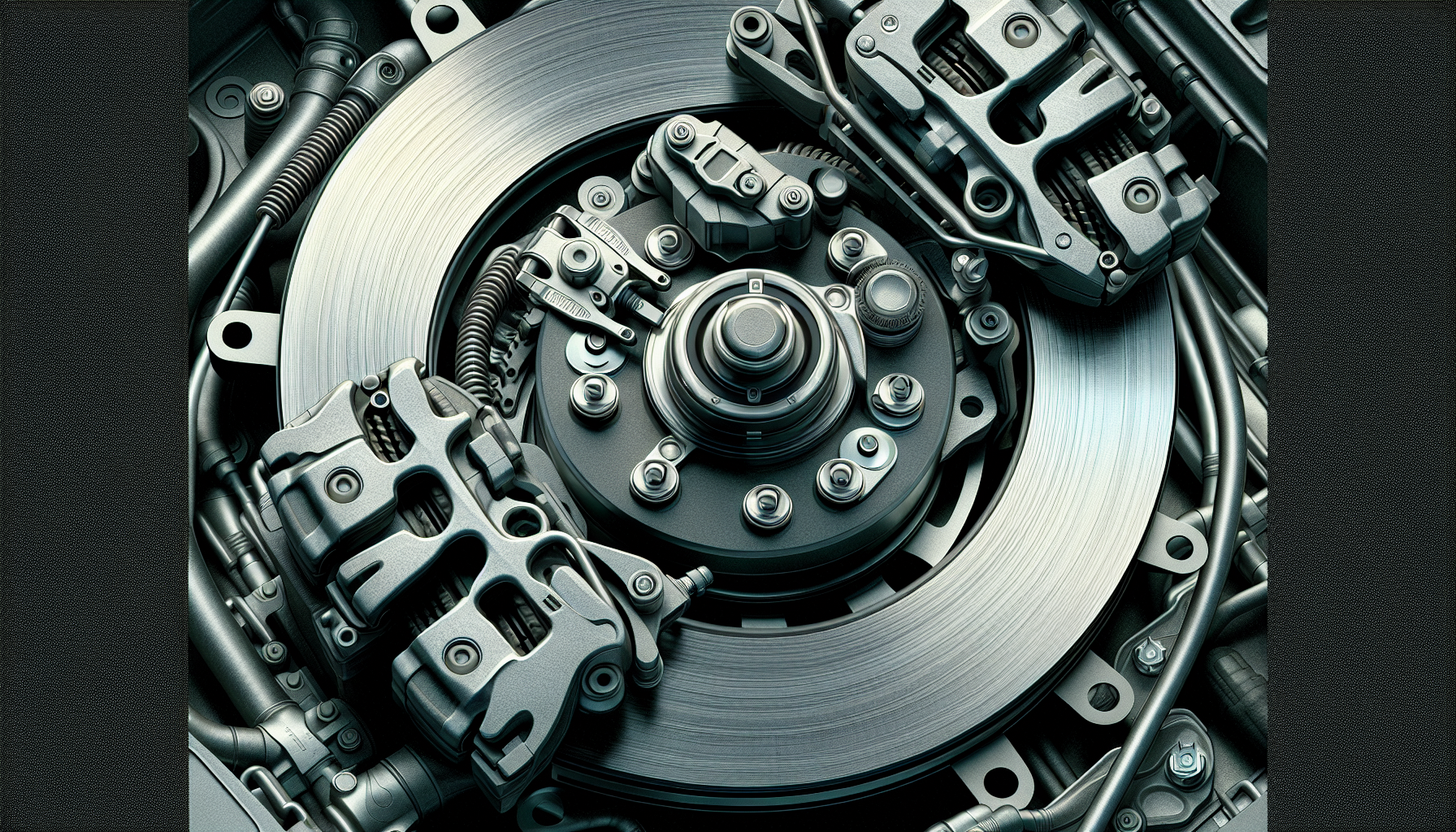
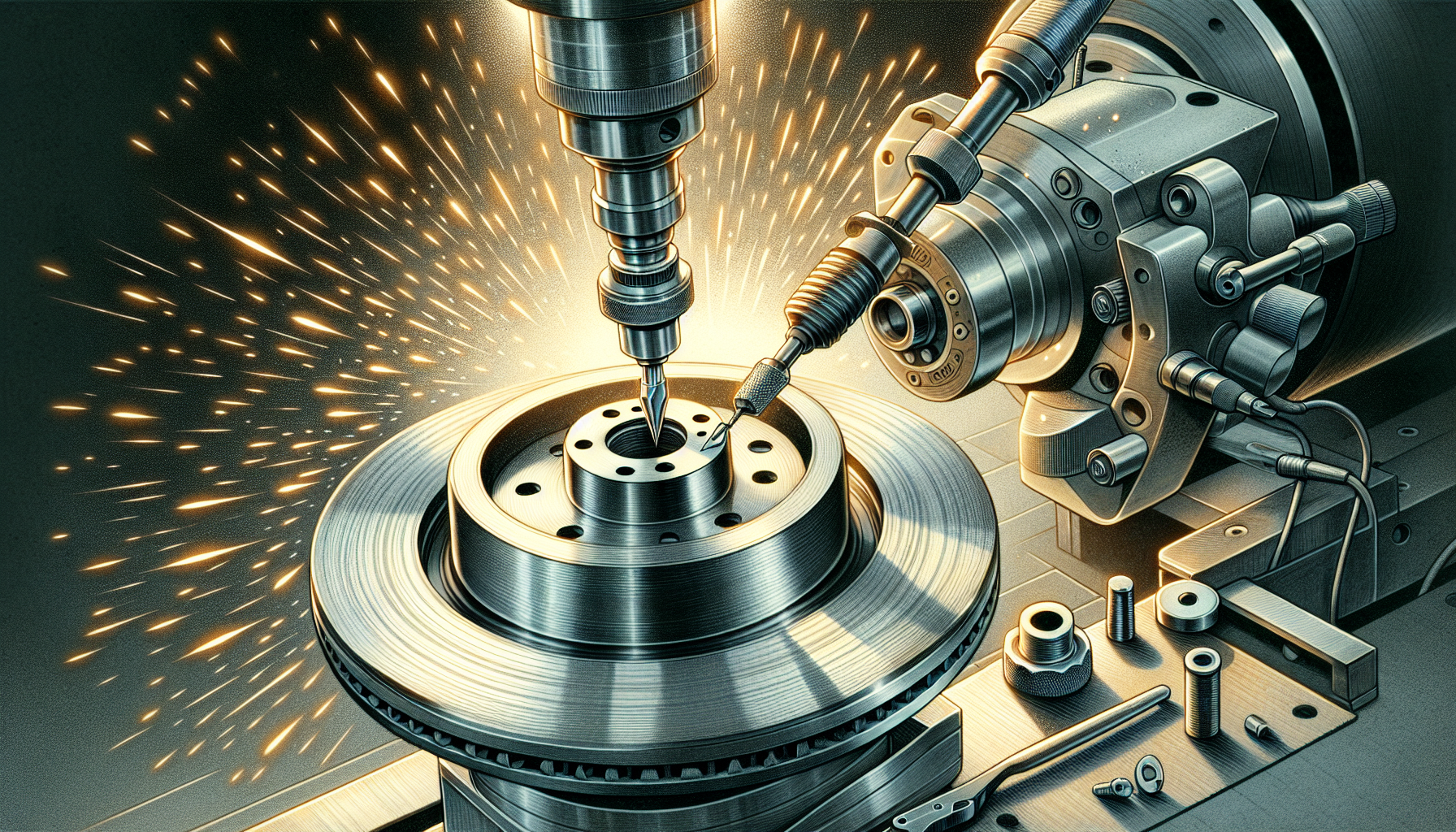
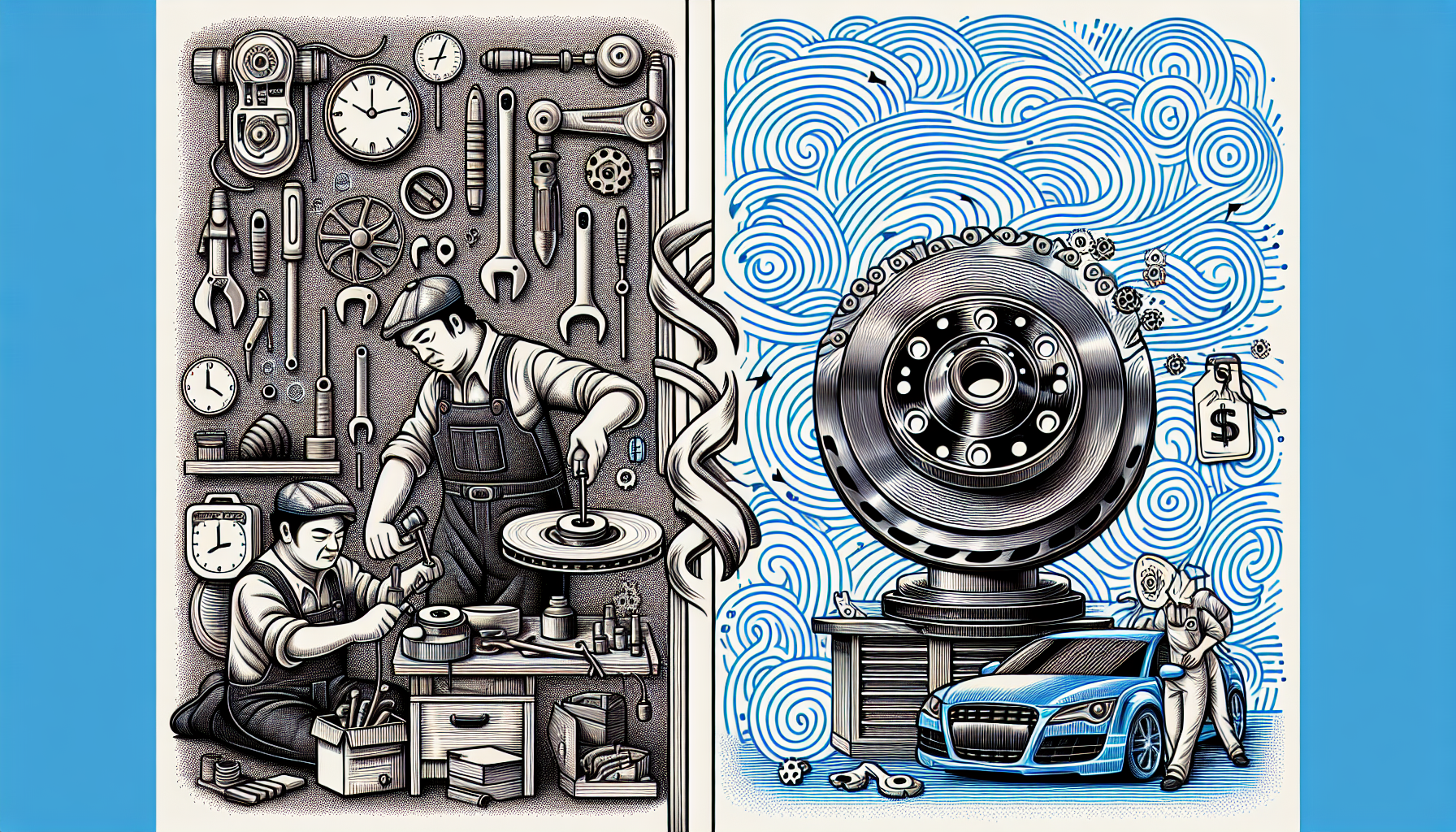
:max_bytes(150000):strip_icc()/GettyImages-1494888410-c8b4c4bc55814f31bc437713b8467636.jpg)