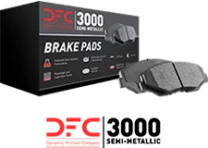
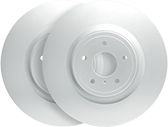
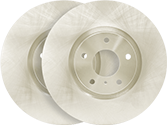
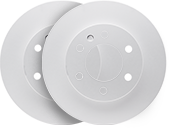
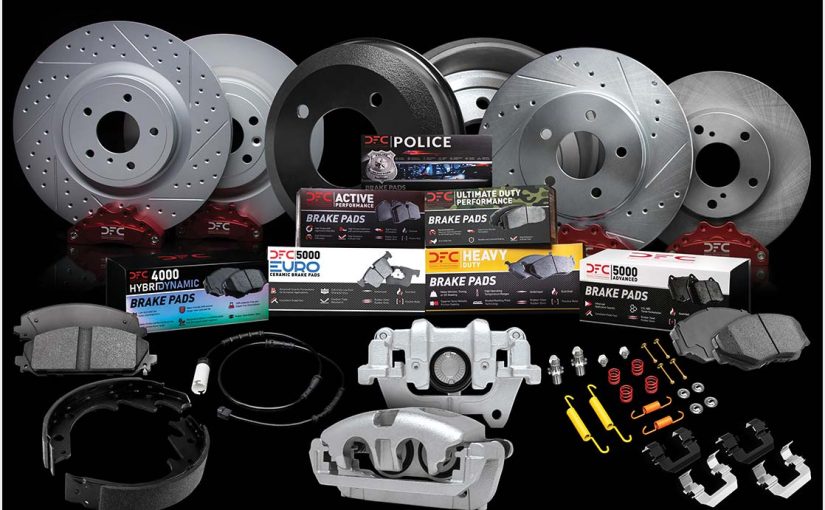
Quality brake components are essential not just for vehicle performance—but for driver and passenger safety. From brake pads to rotors, each part of the braking system plays a critical role in ensuring responsive, reliable stopping power under all driving conditions.
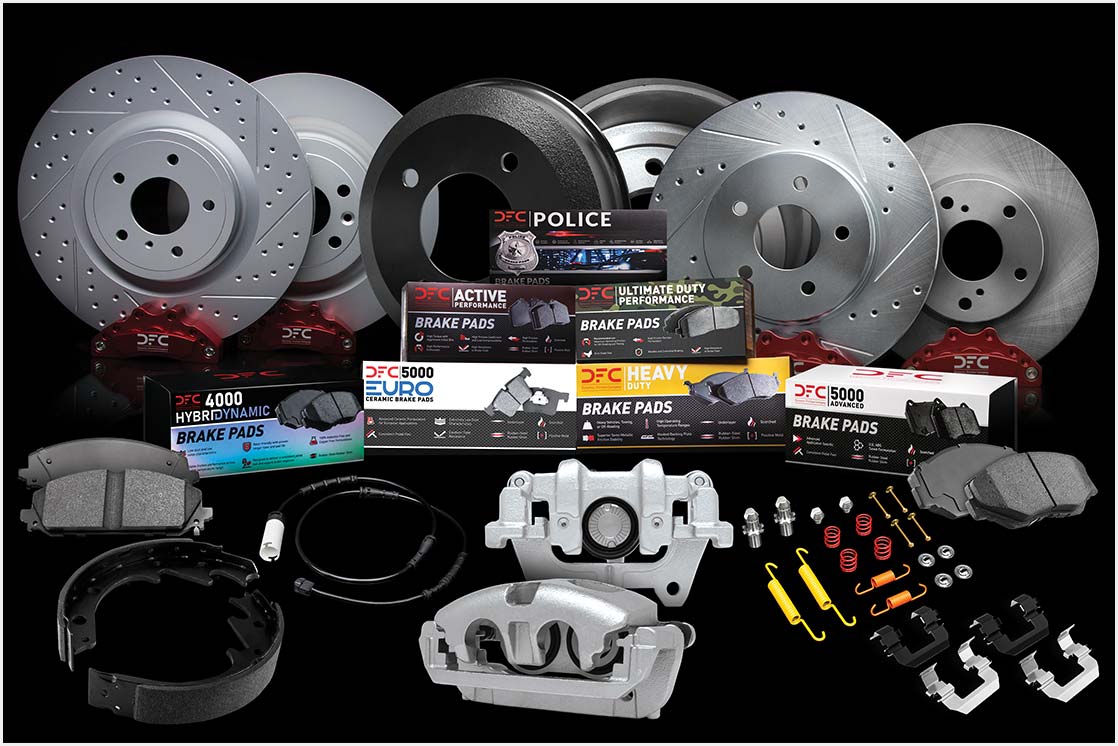
Dynamic Friction Company (DFC) stands at the forefront of the automotive aftermarket, delivering premium brake components that consistently meet—and often exceed—Original Equipment Manufacturer (OEM) standards.
Why High-Quality Brake Components Matter
Safety Reliable brake components are fundamental to vehicle safety. They deliver consistent stopping power, reduce braking distances, and help prevent accidents.
Performance Precision-engineered brake parts provide smoother, more responsive braking. This improves vehicle handling and enhances driver confidence in daily driving and high-demand scenarios.
Durability High-quality materials and manufacturing processes extend the life of brake pads, rotors, and hardware—reducing maintenance costs and increasing long-term value.
DFC’s Commitment to Engineering Excellence
Founded on the principles of quality, innovation, and value, DFC offers a comprehensive range of braking solutions for both foreign and domestic applications. Every product is designed with performance, reliability, and technician ease-of-use in mind.
Brake Pads Available in multiple friction formulations, DFC brake pads are designed to meet the specific needs of various vehicle platforms. Each formulation balances stopping power, low noise, and minimal dust.
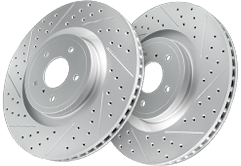
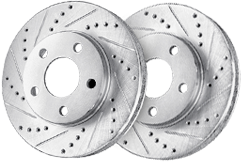
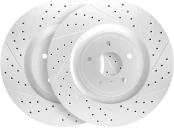
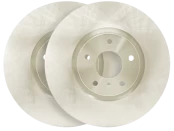
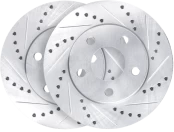
Brake Rotors Made with premium G3000/G11H18 iron castings, DFC rotors are engineered for strength, thermal stability, and long-lasting durability—ensuring consistent braking performance mile after mile.
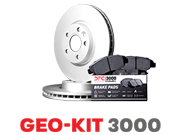
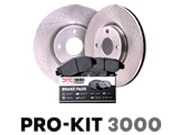
Brake Kits DFC’s complete brake kits pair premium pads and rotors for a turn-key solution that simplifies installation and maximizes performance.
Innovation That Delivers Real-World Benefits
DFC is driven by continuous improvement and innovation. Their investment in R&D ensures the introduction of cutting-edge technologies that enhance safety and simplify installation.
GeoSpec® Coated Rotors DFC’s exclusive GeoSpec® fully coated rotors provide superior corrosion resistance and arrive ready to install—no pre-cleaning required. This improves efficiency in the shop and delivers long-term protection against rust and wear.
Conclusion: Trust in Every Stop
Investing in high-quality brake components is more than a smart choice—it’s a safety imperative. With Dynamic Friction Company, you’re choosing a brand trusted by professional technicians, performance drivers, and fleet operators across the industry.
From advanced materials to OE-level precision, DFC’s brake products are engineered for reliability, performance, and peace of mind. When safety matters most, trust the company that builds with purpose—trust DFC.
When it comes to vehicle safety, effective braking is non-negotiable. However, one of the most concerning issues drivers face is brake fade—a temporary reduction in braking performance caused by excessive heat, which affects the entire brake system. Whether you’re navigating steep descents, towing heavy loads, or dealing with high-performance driving conditions, brake fade can compromise safety.
At Dynamic Friction Company (DFC), we design our brake products to resist brake fade and maintain consistent, reliable performance under extreme conditions. Let’s dive into what brake fade is, why it occurs, and how DFC products offer a solution.
What Is Brake Fade?
Brake fade occurs when a vehicle’s braking system loses effectiveness due to heat buildup. This can happen in various scenarios, such as repeated heavy braking or extended downhill driving, where the friction materials in the pads and rotors overheat and lose their ability to generate the necessary stopping force. Heat buildup reduces braking power, leading to a significant reduction in braking performance and compromising safety.
Types of Brake Fade: Brake Fluid Fade
Friction Fade: Overheated brake pads lose their ability to generate friction, reducing stopping power.
Fluid Fade: Excessive heat causes the brake fluid to boil, creating vapor that reduces hydraulic pressure in the braking system. This phenomenon, known as brake fluid fade, occurs when the brake fluid becomes compressible due to boiling. Prolonged or heavy braking can lead to this condition, especially if moisture in the fluid lowers its boiling point, ultimately resulting in reduced braking power. It is recommended to flush the system to prevent or address brake fluid fade.
Mechanical Fade: Components like rotors warp or degrade due to extreme heat, affecting the braking system’s mechanical integrity.
Causes and Symptoms of Brake Fade
Brake fade occurs when the braking system’s ability to stop the vehicle is reduced due to excessive heat buildup, worn-out brake pads, or brake fluid leaks. Recognizing the causes and symptoms of brake fade is crucial for maintaining vehicle safety.
Excessive Heat Buildup: When brake pads and rotors overheat, they lose their ability to generate friction, leading to brake fade. This is common during repeated heavy braking or extended downhill driving.
Worn-Out Brake Pads: As brake pads wear down, they become less effective at generating the necessary friction. This can cause the brake pedal to feel spongy or soft, reducing stopping power.
Brake Fluid Leaks: Leaks in the brake fluid system can lead to a spongy brake pedal and decreased stopping power, as the hydraulic pressure needed for effective braking is compromised.
Aggressive Driving: Quick stops and fast starts generate excessive heat in the braking system, increasing the risk of brake fade.
High-Speed Driving: Driving at high speeds can cause significant heat buildup in the braking system, leading to reduced braking effectiveness.
Heavy Vehicles: Trucks, buses, and other heavy vehicles are more prone to brake fade due to their increased weight and higher braking demands.
Why Brake Fade Is Dangerous
Brake fade reduces your ability to stop quickly, increasing the risk of accidents. Unlike brake fade, which is a temporary reduction in braking power due to heat, brake failure is a more severe issue caused by mechanical or hydraulic faults. It’s especially dangerous during high-stress situations like emergency braking or when traveling at high speeds.
Prevention and Maintenance
Preventing brake fade requires regular maintenance and mindful driving habits. Here are some effective strategies to keep your braking system in top condition:
Regular Brake Pad Replacements: Ensure your brake pads are replaced regularly to maintain optimal friction and stopping power. Worn-out pads are less effective and more prone to overheating.
Brake Fluid Checks: Regularly check brake fluid levels and condition to prevent leaks and ensure the hydraulic system functions properly. Using high-quality brake fluid with a higher boiling point can also help prevent fluid fade.
Engine Braking: Utilize engine braking by downshifting to slow down, which reduces the load on the braking system and helps prevent brake fade.
Lower Gear: When driving down steep hills, use a lower gear to control your speed and reduce reliance on the brakes, minimizing heat buildup.
Avoid Aggressive Driving: Smooth, gradual stops and starts help prevent excessive heat buildup in the braking system, reducing the risk of brake fade.
How DFC Products Are Engineered to Prevent Brake Fade
At DFC, we focus on advanced materials, engineering, and design to combat the effects of heat buildup. Selecting the right brake pad material is crucial for preventing brake fade, especially under extreme conditions. Our products are specifically designed to maintain optimal performance under extreme conditions, giving you confidence and control when it matters most.
Key Features of DFC Products to Combat Brake Fade: Brake Pad Material
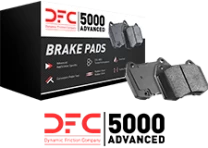
Advanced Friction Materials: The DFC 5000 ADVANCED Brake Pads feature a specialized formulation designed to deliver consistent pedal feel and superb fade resistance. These pads ensure stable friction performance across a wide temperature range, making them ideal for daily driving and demanding conditions alike.
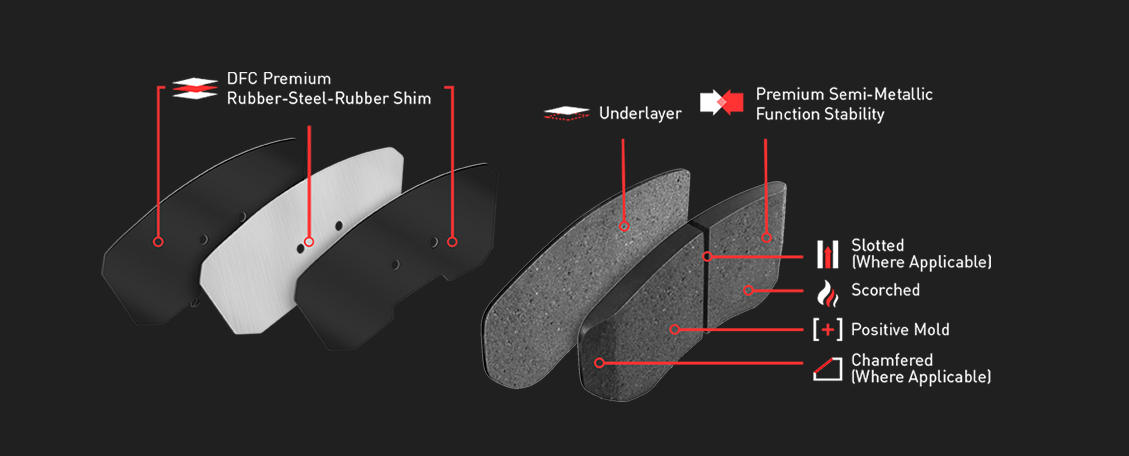
Positive Mold Construction: Our brake pads are manufactured using positive mold construction, which ensures consistent friction material density for reliable performance. This method minimizes the risk of overheating.
Scorching and Post-Curing: All DFC brake pads are 100% post-cured and scorched to eliminate uncured bonding agents, providing immediate stopping power and reducing the likelihood of fade during the initial break-in period.
High Carbon Rotors: DFC’s GeoSpec Coated Brake Rotors are engineered with high carbon content, which improves heat dissipation and reduces the risk of warping, a common cause of mechanical fade. Disc brakes are more effective in dissipating heat and preventing brake fade compared to drum brakes, making them standard in most modern vehicles.
Ventilation Design: Our rotors feature advanced ventilation patterns to enhance airflow, keeping temperatures low during heavy braking sessions.
Premium Brake Fluid: Using high-quality brake fluid with a higher boiling point can prevent fluid fade. At DFC, we recommend pairing our pads and rotors with premium fluid for optimal results.
DFC Brake Pads vs. OEM Brake Pads
When it comes to choosing brake pads, DFC offers significant advantages over OEM options, particularly in terms of fade resistance and overall performance.
Fade Resistance: DFC brake pads are engineered to provide superior fade resistance, even under extreme temperatures and demanding braking conditions. This ensures consistent performance and safety.
Friction Material: DFC uses proprietary friction materials designed to deliver consistent braking performance and excellent fade resistance. These materials are formulated to handle a wide range of temperatures and driving conditions.
Ceramic Materials: Many DFC brake pads incorporate ceramic materials, which offer improved durability and heat resistance compared to traditional materials. This results in longer-lasting pads and better performance under stress.
OEM Compatibility: DFC brake pads are designed to be fully compatible with OEM brake systems, making them an ideal upgrade for drivers seeking enhanced braking performance without the need to replace their entire braking system.
Real-World Applications of Brake System
DFC products are designed for diverse applications, from daily driving to heavy-duty and performance use. Whether you’re managing the intense heat of a track day or navigating challenging terrain, DFC components provide the durability and fade resistance needed to perform in any condition.
Trust Dynamic Friction Company for Fade-Resistant Brake Performance
Brake fade can compromise safety and confidence on the road, but it’s preventable with the right components. At DFC, we are committed to delivering innovative solutions that combat brake fade and ensure your braking system performs at its best, even under the toughest conditions.
Upgrade to DFC products and experience the difference that quality and engineering excellence can make.
When it comes to braking systems, there’s more than meets the eye. Dino Crescentini and Wayne Schaack, two seasoned professionals in the automotive brake industry, recently shed light on the critical factors that influence brake pad performance, including the brake disc, in an engaging discussion. The conversation highlighted how shims and the quality of friction materials play pivotal roles in braking efficiency, noise reduction, and overall durability. Here, we delve into their insights to understand why these components are essential and how they contribute to optimal braking performance.
Introduction to Brake Pads
Brake pads are a crucial component of a vehicle’s brake system, playing a vital role in ensuring safe and reliable braking performance. These essential parts are designed to convert the kinetic energy of a moving vehicle into heat energy, which is then dissipated, allowing the vehicle to come to a stop. The construction of brake pads involves a careful blend of raw materials, including metallic friction materials, organic materials, and other additives. Each of these materials is selected for its unique properties that contribute to the overall braking performance.
Metallic friction materials, for instance, are known for their durability and high friction coefficient, which is essential for effective braking. Organic materials, on the other hand, offer a quieter and smoother braking experience. The combination of these materials ensures that brake pads can provide optimal performance under various driving conditions. The manufacturing process of brake pads is meticulously designed to ensure that these materials are blended and processed correctly, resulting in a product that meets the high standards required for safe and efficient braking.
The Overlooked Role of Shims in Brake Pads
Shims are a crucial yet often underestimated component of brake pads. Crescentini and Schaack emphasized that a shim’s design and material significantly impact the pad’s performance. They explained how shims serve as a dampening layer between the brake pad and caliper, reducing noise and vibrations during braking. However, the effectiveness of shims depends on their construction and how well they align with the brake pad design.
Key takeaways about shims include:
Shape Matters: Shims should match the brake pad’s contour precisely. Poorly designed or consolidated shims that don’t cover critical contact points can lead to uneven wear and noise issues.
Material Quality: Rubber-steel-rubber shims, a common choice, need to maintain their integrity under high pressure. Inadequate materials can degrade quickly, exposing the caliper to direct steel contact, resulting in noise and reduced braking performance.
OEM vs. Aftermarket: While OE (Original Equipment) shims are tailored to exact specifications, aftermarket solutions often sacrifice quality to meet cost constraints. This can compromise long-term reliability.
Metallic Friction Materials: Beyond Formulation
While friction material often takes center stage in brake pad discussions, Crescentini and Schaack highlighted that quality goes beyond the formulation. Even identical formulas can yield vastly different results depending on the source and quality of the raw materials.
Brake lining plays a crucial role in enhancing braking efficiency and protecting braking components. It acts as a barrier that increases friction and prolongs the lifespan of brake parts, similar to brake pads, and is essential for maintaining vehicle safety and performance.
Factors affecting friction material performance:
Ingredient Sourcing: Premium materials ensure consistent performance, reduce rotor wear, and maintain a smooth braking surface throughout the pad’s lifecycle.
Manufacturing Process: The art and science of creating brake pads extend to how the ingredients are processed. Poorly processed materials can lead to inconsistent performance, noise, and dust over time.
Long-Term Durability: Inferior ingredients may perform adequately in initial tests but can break down under prolonged use, leading to scoring on the rotor and noise issues.
The Backing Plate: A Foundation for Success
The backing plate is another component that plays a vital role in ensuring brake pad stability and alignment. Crescentini pointed out that flatness and dimensional accuracy are critical for optimal performance. Without proper attention to the backing plate’s construction, even the best friction material and shims can fail to deliver the desired results.
Why Quality Matters in Reducing Brake Noise
Both experts emphasized the importance of not cutting corners in brake pad manufacturing. While cost constraints are a reality, quality materials and precise engineering ensure that the brake pad performs reliably over its lifetime. High-quality materials and precise engineering also help in reducing brake squeal, which can be caused by vibrations between components and the material properties of the pads.
As Crescentini aptly put it: “If I’m paying good money for a product, I expect it to work not just out of the garage but over time.” This philosophy underscores why DFC’s approach prioritizes superior materials, rigorous testing, and adherence to OEM specifications in all its products.
Performance Testing and Validation
Performance testing and validation are critical steps in the development and manufacturing of brake pads. These processes involve evaluating the braking performance of brake pads under various conditions, including different temperatures, speeds, and loads. The goal of performance testing is to ensure that brake pads meet the required safety and performance standards while also providing a comfortable and quiet braking experience for drivers.
During performance testing, brake pads are subjected to a series of rigorous tests, including:
Friction Coefficient Testing: This test measures the friction coefficient of the brake pad, a critical factor in determining its braking performance. A high friction coefficient indicates better stopping power, which is essential for safety.
Braking Performance Testing: This test evaluates the braking performance of the brake pad under various conditions, such as different speeds and loads. It ensures that the brake pad can perform reliably in real-world driving scenarios.
Noise Testing: This test measures the noise level of the brake pad during braking. Brake noise can be a significant concern for drivers, and this test helps ensure that the brake pad provides a quiet braking experience.
Wear Testing: This test evaluates the wear rate of the brake pad over time. Understanding the wear characteristics is crucial for determining the lifespan and maintenance requirements of the brake pad.
The results of these tests are used to validate the performance of the brake pad and ensure that it meets the required safety and performance standards. Additionally, the data collected during performance testing is used to optimize the design and manufacturing process of the brake pad, ensuring that it provides optimal braking performance and a comfortable and quiet braking experience for drivers.
In addition to performance testing, brake pads are also subjected to various validation tests, including:
Dynamometer Testing: This test evaluates the braking performance of the brake pad on a dynamometer, which simulates real-world braking conditions. It provides valuable data on how the brake pad will perform in actual driving situations.
Vehicle Testing: This test evaluates the braking performance of the brake pad on a vehicle, under various driving conditions. It ensures that the brake pad performs well in real-world scenarios.
Environmental Testing: This test evaluates the performance of the brake pad in different environmental conditions, including extreme temperatures and humidity. It ensures that the brake pad can withstand various environmental challenges.
The results of these validation tests are used to ensure that the brake pad meets the required safety and performance standards and provides a comfortable and quiet braking experience for drivers.
How DFC Ensures Excellence
Dynamic Friction Company (DFC) sets itself apart by focusing on every component of the brake pad, from shims to friction materials to backing plates. DFC products are engineered to deliver consistent performance, reduced noise, and long-lasting reliability. With premium features like multi-layered shims, high-quality friction materials, and precision-engineered backing plates, DFC ensures that customers get the best value for their investment.
DFC’s products are specifically designed to meet the needs of passenger vehicles, ensuring optimal performance and safety for everyday drivers.
Conclusion
The discussion between Dino Crescentini and Wayne Schaack highlights the intricate balance of art and science in brake pad manufacturing. From the unsung heroics of shims to the critical role of premium friction materials, every component matters. As the automotive industry evolves, these insights remind us that quality and attention to detail are non-negotiable when it comes to safety and performance.
In the automotive brake industry, materials matter. From friction stability to noise reduction and durability, the quality of the materials used in brake pads directly impacts performance. At Dynamic Friction Company (DFC), we are committed to using only the highest-quality, premium materials in our brake parts, including brake pads, rotors, and kits, ensuring they meet the demands of today’s vehicles and provide optimal safety and reliability.
In this post, we’ll explore the specific materials that make DFC brake pads stand out, along with the unique benefits these components bring to your braking experience.
1. The Importance of High-Quality Brake Pads
High-quality brake pads are essential for ensuring the safety and reliability of a vehicle’s braking system. Brake pads are a critical component of a vehicle’s brake system, and their performance can significantly impact the overall braking performance of the vehicle. High-quality brake pads are designed to provide stable friction performance, excellent fade resistance, and low dust, making them ideal for various driving conditions.
Using high-quality brake pads can also help to reduce brake noise, which is a common issue with lower-quality brake pads. Brake noise can be caused by a variety of factors, including worn-out brake pads, misaligned brake rotors, and loose brake components. High-quality brake pads are designed to minimize brake noise and provide a smoother braking experience.
In addition to their performance benefits, high-quality brake pads are also designed to meet or exceed OEM standards. This means that they are designed to provide the same level of performance and reliability as the original equipment brake pads that came with the vehicle. By using high-quality brake pads, vehicle owners can ensure that their brake system is functioning at its best and that they are getting the most out of their vehicle.
High-Quality Friction Materials for Reliable Brake Pads
The heart of any brake pad lies in its friction material. High-quality brake pads, including performance brake pads, are essential for ensuring the safety and reliability of a vehicle’s braking system. DFC’s brake pads are crafted using advanced formulations tailored to deliver consistent friction performance. These include:
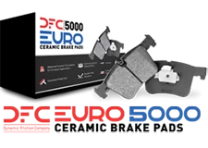
Ceramic Formulations like those in our EURO 5000 series, designed for high performance with minimal dust and noise.
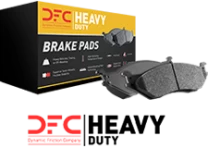
Specialized Police and Heavy-Duty Formulations to handle extreme demands, with stability under high-temperature braking.
Each DFC pad is carefully post-cured and scorched to stabilize the friction material, increasing initial stopping power and ensuring consistent braking performance right from installation.
3. Advanced Materials and Manufacturing Process
Dynamic Friction Company uses advanced materials and manufacturing processes to produce high-quality brake pads that meet the demands of modern vehicles. The company’s brake pads are formulated to provide optimal and reliable stopping performance, excellent fade resistance, low dust, and stable friction performance across a wide temperature range.
One of the key materials used in Dynamic Friction Company’s brake pads is ceramic. Ceramic pads are made with a denser version of material used in pottery or plates and are designed to provide excellent fade resistance, low dust, and stable friction performance. Ceramic pads are also designed to reduce brake noise and provide a longer service life compared to traditional brake pads.
In addition to ceramic, Dynamic Friction Company also uses semi-metallic materials in some of its brake pads. Semi-metallic pads combine metal and organic materials to provide a balance of performance and durability. These pads are designed to provide excellent stopping power and are ideal for vehicles that require high-performance braking.
Dynamic Friction Company’s brake pads are also designed to withstand extreme heat, heavy-duty operation, and frequent stopping. The company’s brake pads are engineered to meet the demands of various driving conditions, including spirited street driving, off-roading, and towing. By using advanced materials and manufacturing processes, Dynamic Friction Company is able to produce brake pads that provide exceptional braking performance and reliability.
The company’s manufacturing process involves a submerged coating process that ensures 100% coating coverage of the inner vanes and all exposed non-braking surfaces. This process provides superior corrosion resistance and durability, making Dynamic Friction Company’s brake pads ideal for vehicles that are exposed to harsh weather conditions.
Overall, Dynamic Friction Company’s advanced materials and manufacturing processes make its brake pads some of the best in the industry. By using high-quality materials and advanced manufacturing techniques, the company is able to produce brake pads that provide exceptional braking performance, reliability, and durability.
DFC Premium Rubber-Steel-Rubber Shims for Brake Noise Reduction
DFC brake pads incorporate advanced noise-reducing technology with Premium Rubber-Steel-Rubber (RSR) shims. These shims help absorb and dampen noise, reducing vibration and harshness (NVH) commonly associated with braking. The RSR design effectively minimizes braking noise, ensuring a quiet, comfortable ride while also promoting durability.
This multilayered shim technology is used across DFC’s product lines, from our DFC 3000 Brake Pads for daily driving to our police and heavy-duty pads, all providing drivers with a premium, noise-free experience.
3. Superior Corrosion Resistance with High-Carbon Content and Protective Coatings
Corrosion is one of the biggest threats to brake components, potentially reducing both lifespan and performance. DFC combats this issue with two essential components:
High-Carbon Content Rotors: Available with DFC brake pads for enhanced noise reduction, stability, and resilience to high-temperature stress.
GeoSpec Coating Technology: This patented silver-gray coating is applied to rotors to resist rust and corrosion, delivering extended durability without compromising performance.
DFC brake pads are engineered to perform under extreme conditions, such as track use and heavy-duty scenarios.
By pairing our brake pads with high-quality, corrosion-resistant rotors, DFC provides an added layer of protection that helps keep brake systems functioning smoothly and safely.
Chamfered and Slotted Design for Enhanced Braking Performance
DFC brake pads feature chamfered and slotted designs to optimize braking performance. These design features also contribute to improved pedal response, ensuring quick and effective braking. These design features reduce edge lift, which helps prevent irregular pad wear and minimizes the chance of brake noise. Slotted pads also promote heat dissipation and debris clearing, keeping your brake pads clean and effective over time.
Chamfering and slotting are premium design choices that align with original equipment manufacturer (OEM) standards, providing a smoother and more stable braking experience. This approach is part of DFC’s dedication to maintaining the highest standards in product engineering and design.
5. Environmentally Responsible, 100% Copper-Free and Asbestos-Free
At DFC, we prioritize both performance and environmental responsibility. All of our brake pads are 100% copper-free and asbestos-free, complying with California and Washington’s low-copper requirements well ahead of regulatory deadlines. By eliminating these harmful materials, DFC reduces environmental impact and enhances driver safety.
Why DFC’s Use of Premium Materials Matters
From advanced friction materials to high-quality shims and coatings, DFC’s dedication to using only premium materials ensures that our brake pads provide:
Durability: Materials and designs that withstand high temperatures, harsh conditions, and extended use.
Noise Reduction: Enhanced shims and construction techniques for a quieter ride.
Environmental Compliance: Sustainable and eco-friendly materials that meet industry regulations.
Choose DFC for Your Braking Needs
DFC’s commitment to quality materials is a commitment to the safety, satisfaction, and peace of mind of every driver. When you choose DFC brake pads, you’re choosing high performance, reliability, and braking components crafted to exceed expectations. For anyone who values top-quality materials in their brake system, DFC brake pads are the clear choice.
Upgrade to DFC today and experience the difference premium materials make. Visit DFC’s website to explore our full range of premium brake products.
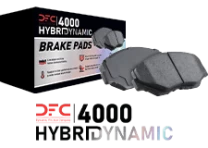
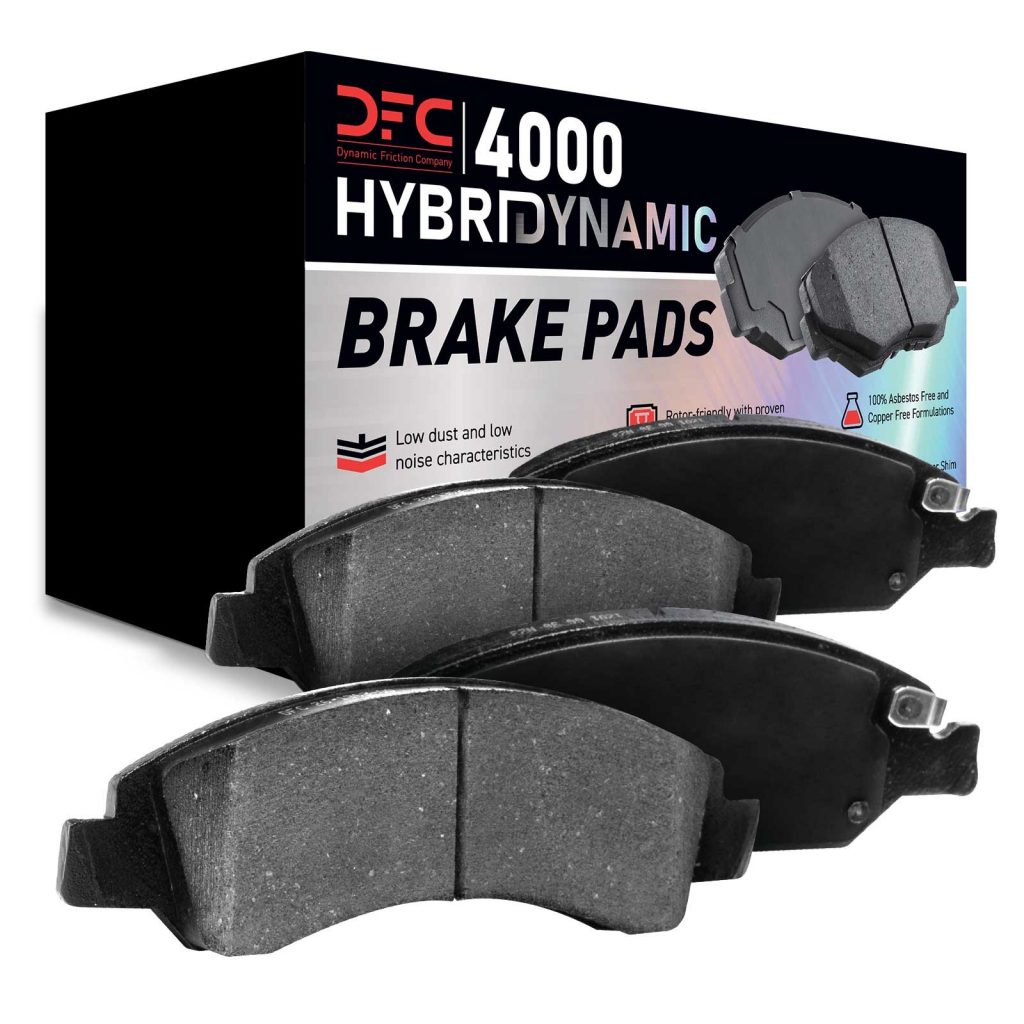
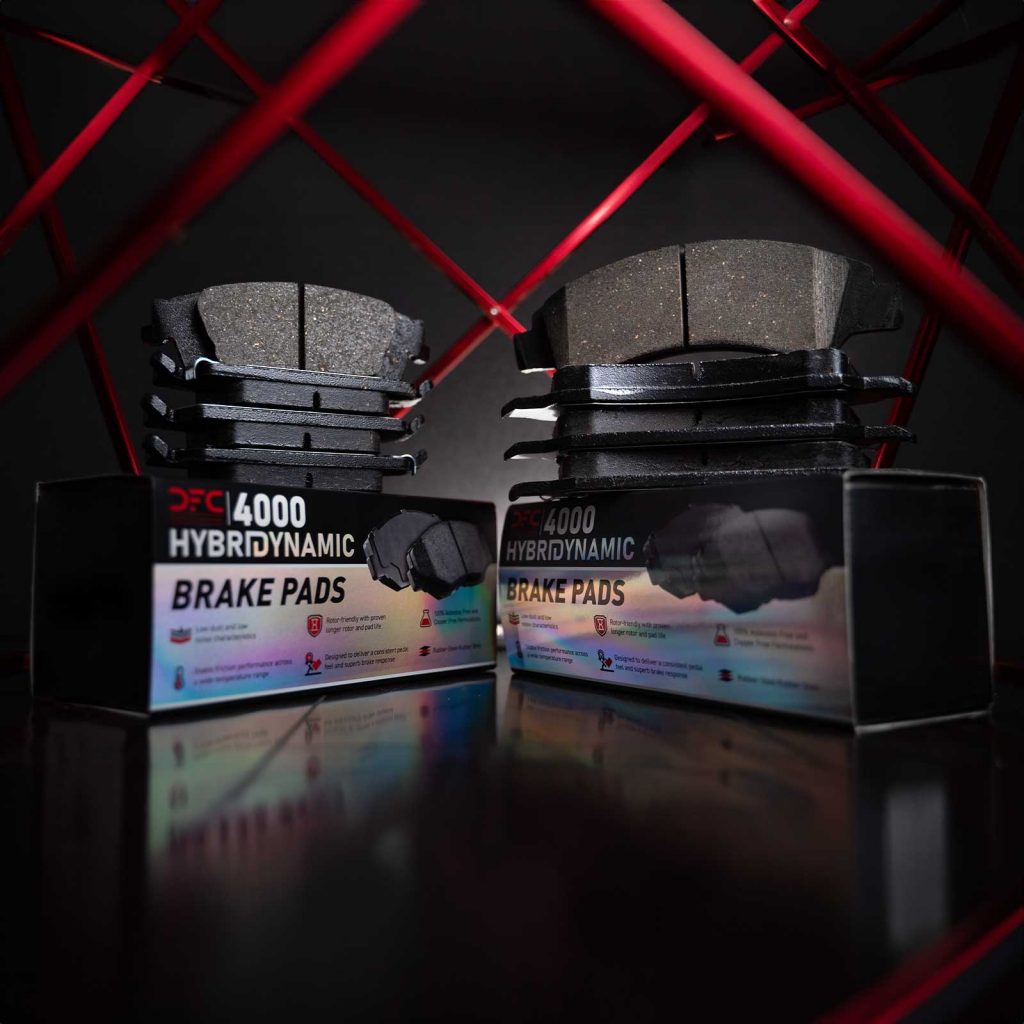
Dynamic Friction Company (DFC) proudly unveils the DFC 4000 HybriDynamic Brake Pads, a groundbreaking addition to the world of brake technology. This launch reinforces DFC’s unwavering commitment to delivering supreme braking performance, surpassing traditional classifications to offer a solution that seamlessly bridges the gap between “better” and “best” in the aftermarket brake pad sector.
Innovative HybriDynamic Formulation
Central to the DFC 4000 Brake Pads is the HybriDynamic Formulation, a bespoke amalgamation of ceramic and semi-metallic materials meticulously engineered to meet the specific requirements of each vehicle. This sophisticated mix ensures unparalleled performance, safety, and endurance across various driving conditions, establishing new benchmarks within the industry.
Elevating Performance and Reliability
The essence of DFC’s philosophy is to provide products that don’t just meet expectations but redefine them. The DFC 4000 series embodies this ethos, offering an exceptional level of performance and reliability that goes beyond conventional good-better-best ratings to introduce an entirely new tier of excellence.
Key Features:
Advanced Stopping Power: Featuring our innovative HybriDynamic Formulation, the DFC 4000 Brake Pads deliver unmatched stopping capabilities, enhancing safety and response in all driving scenarios.
Vehicle-Specific Engineering: Tailored to fit the unique specifications of each vehicle, ensuring flawless performance and compatibility.
Quieter, Cleaner Driving Experience: Designed to minimize noise and dust, these brake pads provide a cleaner, more peaceful driving experience without sacrificing effectiveness.
Technical Superiority: Incorporating advanced material science and engineering techniques, DFC sets the stage for the next generation of braking solutions, focusing on performance, durability, and safety.
“Dino Crescentini, Co-Founder of Dynamic Friction Company, states, “The DFC 4000 series is the culmination of our rigorous pursuit of excellence in braking technology. By pushing the boundaries of material science and engineering, we have crafted a product that exemplifies our commitment to superior performance, safety, and reliability. With the DFC 4000, we’re not just following industry standards—we’re creating them.”
Discover Unparalleled Braking Performance
We invite you to experience the revolutionary DFC 4000 HybriDynamic Brake Pads, a symbol of our innovative approach to braking technology. For more information on this pioneering product and our comprehensive range of braking solutions, visit Dynamic Friction Company
About Dynamic Friction Company:
Leading the automotive aftermarket, Dynamic Friction Company offers a wide array of high-performance braking solutions for every type of vehicle. Grounded in a tradition of quality, innovation, and performance, DFC is the brand of choice for drivers and service providers seeking the utmost in braking technology.
Dino Crescentini and Daniel Biezonsky get into the specifics of friction formulation that are not apparent to the naked eye. Competitors view brake pads as being the same, they’ll see one shape and offer one formulation across a wide variety of vehicles. At DFC we do things a lot differently!
We aim to get the brake system with a DFC product feeling like it did when you drove it off the showroom floor. We make sure the friction formulation is very specific to the use case of the vehicle its intended for. That is the only way to restore the braking system to its optimum form.
 UNITED STATES