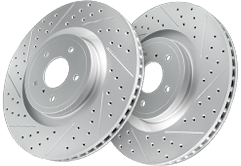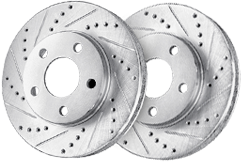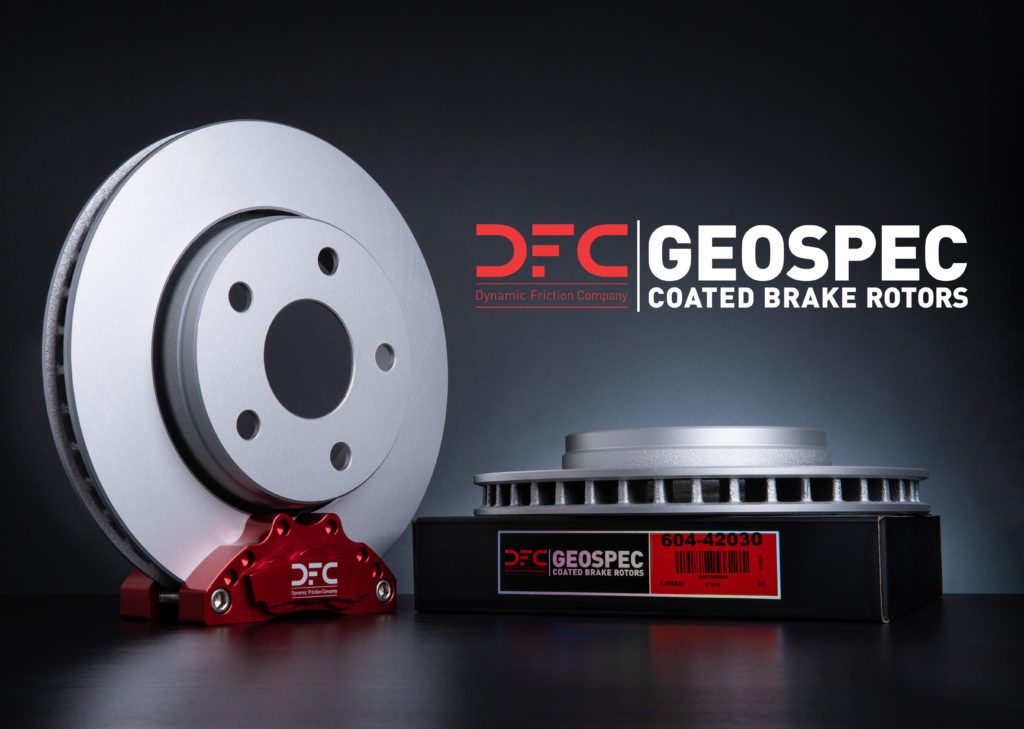
What Is GeoSpec Coating? How Coated Rotors Reduce Come-Backs and Boost Shop Profits

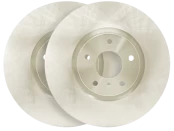
Pull a bare, uncoated rotor off the shelf after it’s been sitting in your warehouse for three months. You know what you’re looking at. Surface rust across the friction faces, corrosion creeping along the edges and hat section, and that orange-brown film that tells every customer this part looks like it’s been sitting in a junkyard.

It’s cosmetic. Sort of. The surface rust wipes off, and a few stops will clean the friction face. But the edge corrosion and hat section rust? Those don’t go away. And on a vehicle with open-spoke wheels where the rotor is visible, that corrosion is what the customer sees every time they look at their car after the brake job you just charged them $600 for.

That’s why coated rotors went from a premium option to a standard expectation in the aftermarket.

Why Brake Rotors Corrode (And Why It’s Getting Worse)

Cast iron is an excellent material for brake rotors. It handles heat well, machines to precise tolerances, and provides a consistent friction surface. What it doesn’t do is resist corrosion.

Bare cast iron starts oxidizing the moment it’s exposed to moisture. This problem has gotten measurably worse:

Vehicles sit longer between drives. Remote work, multi-car households, and EVs with regenerative braking all mean rotors spend more time stationary and exposed to moisture.

Open-spoke wheel designs are everywhere. Modern 18, 19, and 20-inch wheels put the entire rotor on display. Visible corrosion is an immediate cosmetic complaint.

Road salt usage has increased. Northern states have increased salt application rates, and brine pre-treatment has become standard.

What Rotor Coatings Actually Do

1. Corrosion protection on non-friction surfaces. The hat section, outer edges, cooling vanes, and inner edges never contact the brake pad. A coating keeps moisture and salt from reaching the iron.

2. Shelf protection during storage. A coated rotor can sit in a warehouse for months and come out looking new.

3. Cosmetic appearance through the wheel. A silver or gray coated rotor looks professional and finished.

Not All Coatings Are the Same

Paint coatings are the most basic. A thin layer of paint tends to chip, peel, and degrade under thermal cycling. A paint-coated rotor might look good on the shelf but start showing corrosion within months on the vehicle.

Zinc plating is a step up. Better thermal cycling resistance, but can develop a white, powdery zinc oxide appearance over time.

Engineered proprietary coatings represent the top tier. These are purpose-built formulations designed specifically for brake rotor applications.

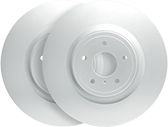
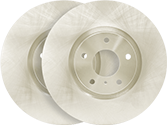
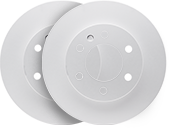
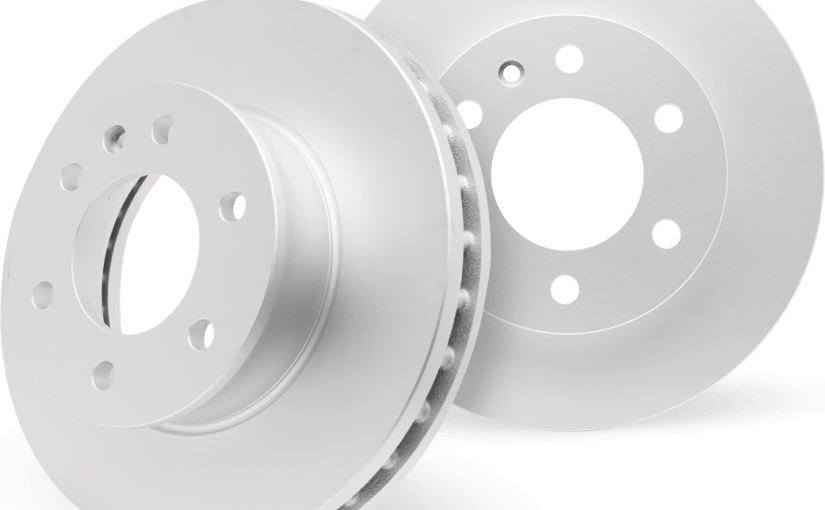
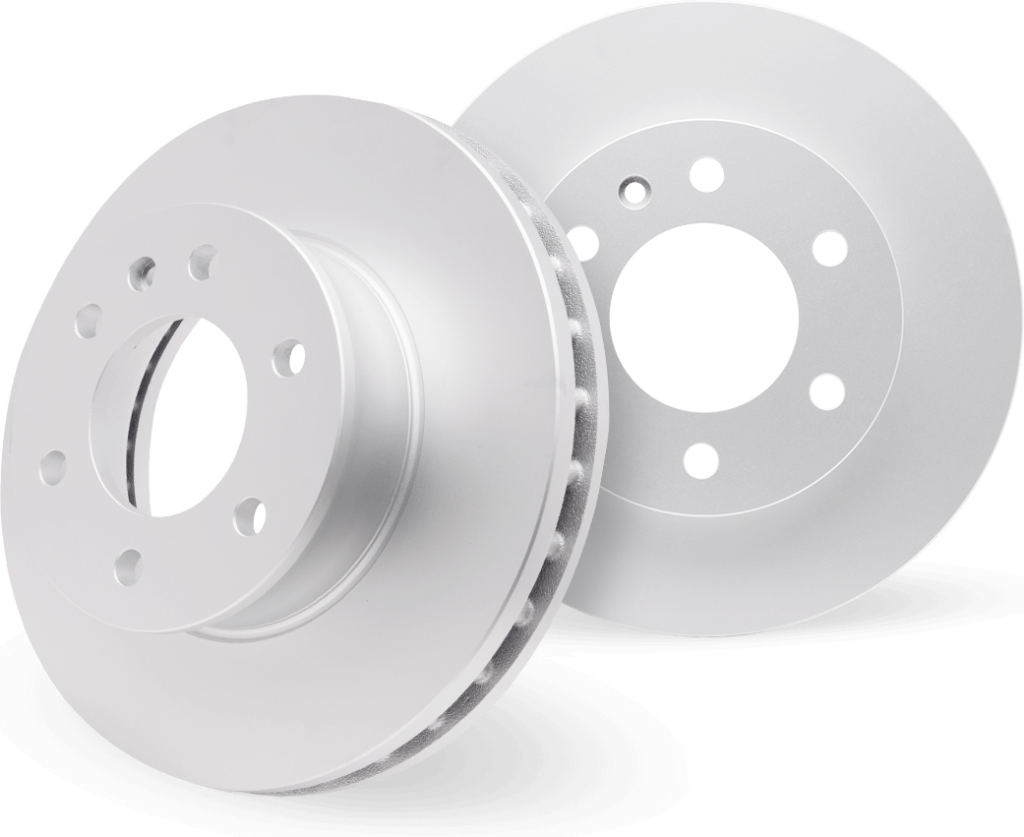
DFC’s GeoSpec coating falls into this category. It’s a patented corrosion-resistant finish engineered to withstand the thermal and environmental conditions specific to brake rotors. In salt spray testing, GeoSpec outperforms conventional zinc and paint coatings. The silver-gray finish maintains its appearance on the vehicle and provides long-term protection where corrosion hits hardest.

The Business Case for Coated Rotors

Fewer corrosion-related complaints. Hat section and edge corrosion on uncoated rotors is the number one cosmetic complaint on brake jobs. Coated rotors eliminate this category almost entirely.

Less prep time on installation. An uncoated rotor that’s been on the shelf needs the friction surface cleaned before installation. A GeoSpec Coated rotor comes out of the box ready to install.

Better shelf life for distributors. Uncoated rotors are a shelf life problem. Coated rotors sell through without that issue.

Higher perceived value. A coated rotor looks like a premium part. That perception translates to customer satisfaction, online reviews, and repeat business.

Upsell opportunity. Show the customer both options. The visual difference speaks for itself.

When Coating Matters Most

  • Vehicles with open-spoke or large-diameter wheels
  • Northern climate vehicles exposed to road salt
  • Low-mileage or infrequently driven vehicles
  • Fleet vehicles in mixed-climate operations
  • Any customer who has previously complained about rotor appearance

What About the Friction Surfaces?

On a quality coated rotor, the coating does not affect braking performance. The friction surfaces are either left uncoated or treated with a coating that burns off during the first few stops.

A coated friction surface can actually improve initial performance by preventing the surface rust that would otherwise need to be scrubbed off during the first few drives. That means a more consistent break-in period and a more even transfer film when paired with ceramic pads.

Pairing Coated Rotors with the Right Pads

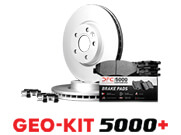
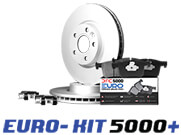
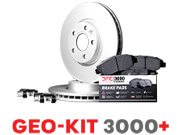
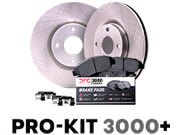
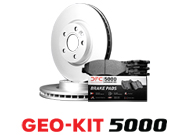
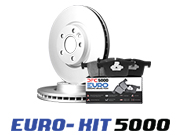
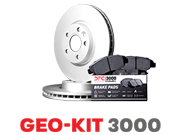
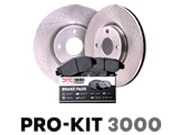
DFC offers GeoSpec Coated Rotors as part of complete brake kits that include matched pads and hardware. Find the right rotor at dynamicfriction.com.

Rotor coatings have evolved from a cosmetic nice-to-have into a practical tool for reducing comebacks, cutting prep time, and maintaining customer satisfaction.

Related: The warped rotor myth and our complete guide to aftermarket brake rotors.

The Warped Rotor Myth: What Actually Causes Brake Pulsation (And How to Fix It for Good)

Every technician has heard it. The customer walks in, grabs the counter, and says those two words: “warped rotors.”

And for decades, that’s exactly what the industry called it. Warped rotors. The diagnosis that explains the shudder in the steering wheel, the pulsing brake pedal, the vibration that gets worse the harder you stop. Simple enough, right?

Here’s the problem. Rotors don’t actually warp.

Not in any way that matches what most people mean when they say it. And if your shop keeps diagnosing brake pulsation as “warped rotors” without understanding what’s really going on underneath, you’re setting yourself up for comebacks, lost labor hours, and frustrated customers who keep coming back with the same complaint three months later.

Let’s talk about what’s really happening. Because once you understand it, you can fix it right the first time and stop chasing the same problem on every brake job.

Why Brake Rotors Can’t “Warp” Under Normal Driving

Cast iron brake rotors are manufactured at temperatures between 2,500 and 2,800 degrees Fahrenheit. That’s the temperature of molten iron being poured into a mold. To physically distort that casting after it’s cooled and machined, you’d need to hit it with similar heat.

Your customer’s Camry isn’t doing that. Not even close.

During normal driving, brake rotors operate between 200 and 400 degrees Fahrenheit. Hard braking on a steep mountain grade might push them to 600 or 700 degrees. Even a track day in a sports car rarely gets rotors above 900 degrees consistently.

To actually warp a cast iron rotor (meaning to permanently deform its shape through heat), you’d need to sustain temperatures above 1,000 to 1,200 degrees Fahrenheit across the rotor unevenly. That doesn’t happen in normal or even aggressive street driving.

So if the rotor isn’t warped, why does the brake pedal pulse?

The Real Culprit: Disc Thickness Variation

The answer is disc thickness variation, or DTV. This is the measurable difference in thickness between the thickest and thinnest points of the rotor as it rotates. When that variation gets large enough (usually more than 0.001 inches, depending on the application), the brake pad displacement changes as the rotor spins through the caliper. That fluctuation pushes and pulls the piston, which moves the brake fluid, which pulses the pedal.

That’s not warping. That’s uneven wear.

And here’s what matters to you as a tech or a shop owner: DTV is almost always caused by something that happened during the last brake job. Not by how the customer drives.

How Lateral Runout Creates DTV

The root cause of most disc thickness variation is lateral runout. That’s the side-to-side wobble of the rotor as it spins on the hub.

Picture it like this. If a rotor has even 0.002 inches of lateral runout, one spot on the rotor face is slightly closer to the brake pad than the rest. Every time the wheel rotates, that high spot makes contact with the pad. Over thousands of rotations, two things happen depending on your pad type:

With semi-metallic pads: The pad scrapes material off the rotor at the high spot. The rotor gets thinner in that area. Over time, you get a measurable thickness variation that causes pulsation.

With ceramic pads: The pad deposits friction material onto the rotor at the high spot. The rotor gets thicker in that area. Same result, different mechanism. Same pulsation.

Either way, you end up with a rotor that has uneven thickness. And either way, the customer comes back complaining about a vibration that wasn’t there when they picked up the car.

The Five Things That Actually Cause Brake Pulsation

If you want to eliminate brake pulsation complaints (and the comebacks that come with them), focus on these five causes. Every single one is preventable during a quality brake job.

1. Rust and Debris on the Hub Mounting Surface

This is the number one cause of lateral runout in the field. Period.

When a rotor sits on a hub that has corrosion buildup, rust scale, or road debris on the mounting face, the rotor can’t sit flat. Even a few thousandths of an inch of rust between the hub and rotor creates enough runout to eventually cause DTV.

The fix: Clean the hub face every single time you install a rotor. Wire brush it. Use a hub cleaning tool. Get the rust off. This takes 60 seconds and prevents 80% of pulsation comebacks.

2. Improper Lug Nut Torque

This one gets overlooked constantly, especially in busy shops where impact guns are doing the final tightening.

When lug nuts are torqued unevenly (which happens every time you rattle them down with an impact instead of using a torque wrench), the rotor mounting face gets pulled into a slight cone shape. That creates lateral runout from the start.

The fix: Hand-torque lug nuts in a star pattern to the manufacturer’s spec. Every time. No exceptions. Yes, it takes an extra minute. That minute saves you the 45 minutes of diagnosing a comeback.

3. Over-Tightening with Impact Guns

Related to the above, but worth calling out separately. Pneumatic impact guns can easily exceed the torque spec for wheel fasteners, which not only creates uneven clamping force but can also damage the threads and hub face over time.

The fix: Use the impact to snug the lug nuts, then finish with a calibrated torque wrench. Train every tech in the shop to do this consistently.

4. Pad Material Deposits (Pad Imprinting)

When new brake pads aren’t properly broken in, friction material can transfer unevenly onto the rotor surface. This creates high spots of deposited material that act just like thickness variation, producing a pulsation that the customer notices within the first few hundred miles.

This is especially common with ceramic formulations that rely on an adherent friction mechanism (transferring a thin, even layer of pad material onto the rotor face). If that initial transfer is uneven because the pads weren’t bedded properly, you get deposits instead of a uniform film.

The fix: Follow the pad manufacturer’s break-in procedure. For most applications, that means a series of moderate stops from 30-35 mph followed by a cool-down period. Don’t skip this step, and tell the customer not to sit on the brakes at a stoplight right after the install. That’s how you get pad imprinting.

One advantage of post-cured brake pads (like DFC’s entire lineup) is that the curing process stabilizes the friction material before it ever goes on the vehicle. That means more consistent pad transfer during break-in and a more uniform friction film on the rotor. It’s a small manufacturing detail that makes a real difference in the field.

5. Low-Quality Rotor Castings

Not all rotors are created equal. Cheap offshore castings can have inconsistencies in the iron metallurgy, uneven cooling during manufacturing, or poor machining tolerances. Those inconsistencies might not show up as lateral runout on a new rotor, but they accelerate the development of DTV once the rotor is in service.

The fix: Use rotors that are electronically inspected for runout, thickness variation, and dimensional accuracy before they ship. DFC runs every rotor through a 100% electronic inspection station that measures over 20 attributes to ensure OE-level specs. That kind of quality control eliminates the manufacturing variables that contribute to premature DTV.

How to Measure for DTV and Lateral Runout

If a customer comes in with a pulsation complaint, here’s the diagnostic process that actually identifies the root cause instead of just throwing parts at it.

Measuring Lateral Runout

  1. Mount a dial indicator on a fixed point (the caliper bracket or a magnetic base on the knuckle)
  2. Position the indicator tip against the rotor face, about 1 inch from the outer edge
  3. Rotate the rotor 360 degrees by hand
  4. Record the total indicator reading (TIR). Most manufacturers spec lateral runout at 0.002 inches or less

If runout exceeds spec, the rotor needs to come off. Clean the hub face, reinstall, and re-measure. If runout is still out of spec with a clean hub, the rotor itself may need to be replaced, or the hub assembly may have bearing wear contributing to the wobble.

Measuring Disc Thickness Variation

  1. Use an outside micrometer (not a caliper, you need the precision)
  2. Take thickness measurements at 8 to 12 equally spaced points around the rotor
  3. Record the difference between the thickest and thinnest readings
  4. Most manufacturers spec DTV at 0.001 inches or less

If DTV exceeds spec, the rotor needs to be replaced. Resurfacing can temporarily correct thickness variation, but if the underlying runout issue isn’t addressed, the DTV will come right back.

The Corrosion Factor: Why This Problem Is Getting Worse

There’s a reason brake pulsation complaints have increased over the past decade, and it’s not because rotors are getting worse. It’s because vehicles sit more.

Remote work, hybrid schedules, multicar households, and the rise of EVs with regenerative braking all mean that brake rotors spend more time sitting still, collecting moisture, and building up surface rust. That corrosion creates uneven surfaces that accelerate DTV development, especially on vehicles that sit for days between drives.

This is one reason coated rotors have gone from a “nice to have” to a “need to have” for shops that want to reduce pulsation comebacks. A quality corrosion-resistant coating (like DFC’s GeoSpec finish) protects the non-friction surfaces and the edges of the rotor from the rust buildup that contributes to runout over time. It also keeps rotors looking clean on the shelf, which matters if you’re a distributor managing inventory.

The Comeback Prevention Checklist

Print this out. Tape it to the wall in every bay. Follow it on every brake job and your pulsation comeback rate will drop to nearly zero.

  • Clean the hub mounting face (wire brush or hub cleaning tool)
  • Inspect the hub face for deep pitting or damage
  • Install rotor and check lateral runout with a dial indicator before installing pads
  • If runout exceeds 0.002″, reposition the rotor on the hub or address the hub surface
  • Install pads and hardware per manufacturer instructions
  • Torque lug nuts in a star pattern to manufacturer spec with a calibrated torque wrench
  • Perform proper pad break-in procedure (series of moderate stops, allow cool-down)
  • Advise customer: avoid heavy braking for the first 100 miles, don’t sit on the brake at stoplights during the break-in period

Stop Saying “Warped Rotors”

Language matters. When we tell customers their rotors are warped, we’re setting an expectation that rotors just do that on their own and there’s nothing anyone can do about it. That leads to repeated rotor replacements that don’t fix the actual problem, which means the customer keeps coming back with the same complaint and eventually loses trust in your shop.

When you explain that the pulsation is caused by thickness variation from a contaminated hub surface or improper torque, you’re telling the customer something different: this is preventable. We know how to fix it correctly. And when we do, it stays fixed.

That’s the difference between a shop that churns through brake jobs and a shop that builds a reputation for doing it right.

Choosing the Right Rotor to Minimize DTV

Not every rotor gives you the same starting point. Here’s what to look for when selecting rotors that resist DTV development:

Consistent metallurgy. Premium iron castings (G3000/G11H18 spec) with controlled carbon content provide more uniform wear characteristics than budget castings with inconsistent alloy composition.

Tight manufacturing tolerances. Rotors that are electronically inspected for runout and parallelism out of the box give you a better starting point. If the rotor has 0.001″ of runout before it ever goes on the vehicle, you’re already halfway to the DTV threshold.

Corrosion protection. Coated rotors reduce the surface rust that contributes to uneven pad contact and accelerated thickness variation. This matters more now than ever, with vehicles sitting longer between drives.

DFC’s rotor lineup is built with all three of these factors in mind. Every rotor passes a 100% electronic inspection measuring over 20 attributes. The Carbon Alloy line uses enhanced iron formulations for better wear characteristics. And the GeoSpec Coated line adds a patented corrosion-resistant finish that outperforms conventional zinc and paint coatings in salt spray testing.

Find DFC rotors for your application at dynamicfriction.com.

The “warped rotor” myth has been around for decades, but the science is clear: brake pulsation is caused by disc thickness variation and lateral runout, not by heat warping. Proper installation technique, quality components, and attention to the hub mounting surface are what separate a brake job that lasts from one that comes back in 90 days.

Why DFC’s Corrosion-Resistant Coating Outperforms Competitors

DFC Blog
Developed to form a durable and attractive silver-gray finish, DFC GEOSPEC Coated Brake Rotors fight rust far better than conventional paint or zinc coatings.

When it comes to brake performance, longevity, and reliability, achieving a balance in brake pad selection is crucial for optimal performance and disc longevity. Additionally, certain aluminium alloys containing copper affect their susceptibility to corrosion. At Dynamic Friction Company (DFC), our corrosion-resistant GeoSpec Coated Brake Rotors set the industry standard, offering superior protection and performance compared to competitors. With cutting-edge engineering and a focus on customer value, DFC ensures your braking system operates at peak efficiency for longer.

The Problem with Corrosion in Braking Systems

Corrosion can significantly impact the effectiveness and lifespan of brake components. When rotors and other metal components, including iron, are exposed to moisture, road salt, and other environmental factors, they begin to rust. This corrosion weakens the structural integrity of the rotor, compromises braking performance, and accelerates wear. For drivers, this means increased maintenance costs and potential safety risks.

Advanced Corrosion Protection Technology

In the realm of corrosion protection, advancements in technology have significantly enhanced our ability to safeguard metal surfaces. At the forefront of this innovation is the development of new materials and manufacturing processes that provide added protection against rust and corrosion. One of the most effective methods is the application of anti-rust technology, which involves coating metal surfaces to prevent rust formation.

Various types of coatings, such as epoxy, acrylic, and ceramic, offer unique properties tailored to specific needs. Epoxy coatings, renowned for their high corrosion resistance, are ideal for high-traffic areas and environments exposed to harsh elements. Acrylic coatings, known for their flexibility, are perfect for applications where the metal surface experiences movement or vibration. Ceramic coatings, on the other hand, provide exceptional heat resistance and durability.

Beyond coatings, other technologies like corrosion inhibitors play a crucial role. These chemicals, when applied to metal surfaces, actively prevent corrosion. Additionally, the use of corrosion-resistant materials such as stainless steel and titanium offers an alternative to traditional metals, ensuring longevity and durability.

By leveraging advanced corrosion protection technology, it is possible to achieve the best results in protecting metal surfaces. Whether through innovative coatings or the use of superior materials, these advancements ensure that metal components remain resilient and functional over time, providing peace of mind and reducing maintenance costs.

By following this structured approach, the new sections will seamlessly integrate into the existing article, maintaining consistency in tone and style while providing valuable information on advanced corrosion protection technology.

How DFC’s GeoSpec Coating Provides Corrosion Protection

DFC GeoSpec Coated Brake Rotors are engineered with a patented coating technology that forms a durable silver-gray finish. Unlike conventional paints or zinc coatings, our coating is specifically designed to provide superior corrosion resistance in the harshest conditions.

Key features of DFC’s GeoSpec Coating include:

  • Enhanced Rust Prevention: Outperforms standard coatings to protect against rust and environmental wear.
  • Durable, Attractive Finish: The silver-gray finish maintains its appearance and performance over time.
  • Ready-to-Install Design: Processed and shipped dry, eliminating the need for additional cleaning or preparation.
  • Weight Management: Helps manage the weight of the braking system, reducing strain and enhancing performance.

What Sets DFC Apart from the Competition

  1. Patented Technology: While many competitors use basic zinc or paint coatings, DFC’s patented solution provides longer-lasting and more effective protection.
  2. Non-Directional Finish: Promotes quicker and more even brake pad bed-in for smoother stops and reduced noise, enhancing overall braking speed.
  3. High Carbon Content: Improves durability, noise dampening, and overall rotor performance.
  4. Industry-Standard Compliance: GeoSpec rotors meet or exceed the highest quality standards, ensuring safety and reliability for all vehicle types.

Benefits for Drivers and Technicians

For vehicle owners, DFC GeoSpec Coated Brake Rotors mean fewer replacements and greater peace of mind. Technicians benefit from the time-saving ready-to-install design, reducing labor costs and improving efficiency in the shop.

Proven Performance Across All Applications

DFC’s GeoSpec Coated Rotors are ideal for a wide range of vehicles, from daily drivers to heavy-duty applications. Whether you face harsh winters, frequent road salt exposure, or high-performance braking demands, these rotors provide unmatched resilience and reliability.

Choose DFC for Long-Lasting Braking Solutions

At DFC, we’re committed to innovation, quality, and value. Our corrosion-resistant GeoSpec Coated Brake Rotors outperform competitors by delivering durable, ready-to-install solutions that keep your vehicle’s braking system in top shape.

When you need brake components that stand the test of time, DFC is the name to trust.
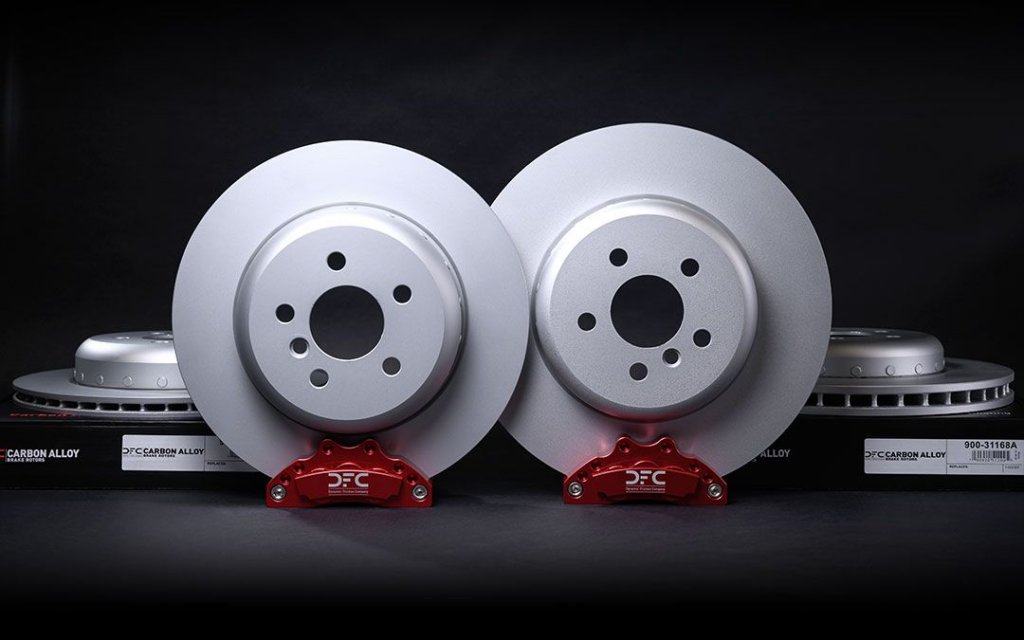
Understanding the Unique Benefits of Corrosion Resistant DFC GeoSpec Coated Brake Rotors

When it comes to vehicle safety and performance, reliable braking is crucial. Dynamic Friction Company (DFC) has designed its GeoSpec Coated Brake Rotors to address common challenges in the braking world, especially in resisting corrosion, improving longevity, and simplifying installation. The coating is designed to form a durable finish that enhances corrosion resistance. In this blog, we’ll dive into the unique benefits of DFC GeoSpec Coated Brake Rotors and how they help ensure a smooth, safe, and consistent ride for all types of vehicles.

1. What are GeoSpec Coated Brake Rotors?

GeoSpec Coated Brake Rotors are a premium line of brake rotors meticulously designed to deliver superior braking performance and exceptional corrosion resistance. Each rotor boasts a durable and attractive silver-gray finish, specifically developed to withstand the harsh conditions of the brake system. This advanced coating is applied using a proprietary process that ensures a consistent and even layer, providing optimal protection against rust and corrosion. With GeoSpec Coated Brake Rotors, drivers can expect not only improved braking performance but also reduced noise and vibration, and increased durability. These rotors are engineered to maintain their integrity and appearance, even in the most challenging environments, making them a reliable choice for any vehicle.

Exceptional Coated Corrosion Resistance

One of the standout features of DFC GeoSpec Coated Brake Rotors is their remarkable corrosion resistance. The coating is designed to form a durable finish that enhances the product’s resistance to rust. Each rotor is coated with a proprietary silver-gray finish, designed to outperform traditional coatings like zinc or standard paint. This advanced finish guards against rust in a way that ordinary coatings cannot, making these rotors particularly beneficial for vehicles that encounter humid, coastal, or snowy environments where exposure to salt and moisture is higher.

Corrosion resistance is more than just an aesthetic advantage. By preventing rust buildup, GeoSpec Coated Rotors reduce the risk of rotor wear and distortion, which can compromise braking performance over time. For drivers, this means longer-lasting brake components and reduced maintenance costs.

2. Ready-to-Install Convenience

DFC’s GeoSpec rotors are shipped dry and ready for installation, meaning that no extra cleaning or preparation is required. For installers and DIY mechanics, this convenience saves valuable time and effort, making the installation process smoother and faster. Unlike rotors that need additional steps to clean off oils or residues, GeoSpec rotors go straight from the box to the vehicle.

3. Improved Brake Pad Bed-In

Each DFC GeoSpec Coated Brake Rotor is crafted with a non-directional finish, which promotes faster and more even brake pad bed-in. The bed-in process is crucial for establishing the friction material on new pads, ensuring a solid contact surface between the pad and rotor. When this is achieved, the result is quieter, more responsive braking and smoother stops.

Thanks to this unique finish, DFC GeoSpec Coated Brake Rotors reduce the time it takes for new brake pads to reach optimal performance, giving drivers confidence from the start.

4. High Carbon Content for Durability

DFC’s GeoSpec rotors also feature a high carbon content, which enhances their durability and performance. High carbon rotors dissipate heat more effectively, making them highly resistant to the warping and thermal damage that can occur under repeated, intense braking conditions. For drivers who frequently engage in stop-and-go traffic or live in areas with mountainous terrain, this heat resistance is a key advantage.

Additionally, the high carbon content helps dampen vibrations, contributing to a quieter ride by reducing noise, vibration, and harshness (NVH). This is a benefit not only for driver comfort but also for extended brake life and reduced wear on the braking system overall.

6. Improved Heat Dissipation and Gas Escape

The unique design of GeoSpec Coated Brake Rotors significantly enhances heat dissipation and gas escape, ensuring consistent performance even under high operating temperatures. The non-directional finish of the rotor surface plays a crucial role in dissipating heat more efficiently, thereby reducing the risk of brake fade and warping. This meticulous coating process ensures that the braking surfaces are free from imperfections, allowing for optimal contact between the brake pads and the rotor. As a result, drivers experience improved braking performance, reduced noise and vibration, and increased efficiency. This design not only enhances the overall performance of the brake system but also contributes to a smoother and more reliable driving experience.

7. The Electrophoretic Coating Process

The Electrophoretic coating process used on GeoSpec Coated Brake Rotors represents a state-of-the-art technology that guarantees 100% coating coverage of the inner vanes and all exposed non-braking surfaces. This sophisticated process involves fully immersing the rotor in a liquid medium containing suspended resin particles that are electrically charged. Under a controlled current, these particles migrate to the rotor and are uniformly deposited onto all exposed surfaces, resulting in a highly corrosion-resistant and durable coating. After the coating is applied, the rotor undergoes thorough rinsing and baking to harden the coating, ensuring a strong bond between the coating and the rotor. This meticulous process ensures that every GeoSpec Coated Brake Rotor provides long-lasting protection and performance.

5. Meets Stringent Industry Standards

DFC GeoSpec Coated Brake Rotors are engineered to meet or exceed the highest industry standards, including those set by the Original Equipment Manufacturer (OEM). By adhering to these standards, DFC ensures that every GeoSpec rotor delivers reliable, consistent performance across a wide range of vehicles. Whether it’s for daily drivers or heavy-duty applications, these rotors are crafted to provide the stability, strength, and reliability needed for safe, predictable braking.

6. Designed for Compatibility Across Vehicle Types

DFC GeoSpec Coated Brake Rotors are compatible with a wide range of vehicles, from passenger cars to SUVs and light-duty trucks. DFC’s commitment to extensive fitment coverage means that drivers across the spectrum can benefit from this cutting-edge rotor technology. By offering rotors specifically engineered to meet diverse braking demands, DFC provides a versatile solution for both foreign and domestic vehicles, giving drivers peace of mind knowing their brake system is optimized for their specific needs.


10. Warranty and Quality Assurance

GeoSpec Coated Brake Rotors are backed by a comprehensive warranty and quality assurance program, reflecting DFC’s commitment to excellence. Each rotor is machine balanced to ensure optimal brake system performance and undergoes rigorous inspection for quality and consistency. The coating process is carefully monitored to ensure that every rotor meets the highest standards of quality and performance. With GeoSpec Coated Brake Rotors, customers can have confidence in the reliability and durability of their brake system. The warranty and quality assurance program provide peace of mind, knowing that DFC stands behind their product, ensuring satisfaction and safety for all drivers.

Why Choose DFC GeoSpec Coated Brake Rotors?

The benefits of DFC GeoSpec Coated Brake Rotors go beyond basic functionality. These rotors are engineered to provide enhanced corrosion resistance, durability, and performance that can withstand the demands of various driving environments. From the advanced coating and ready-to-install convenience to high carbon content and noise-dampening features, GeoSpec rotors reflect DFC’s dedication to innovation and quality in automotive braking.

Choosing DFC GeoSpec Coated Brake Rotors means investing in a product designed to provide long-lasting performance, fewer maintenance concerns, and an overall better driving experience. For drivers, installers, and mechanics alike, GeoSpec Coated Brake Rotors are a premium solution that adds value to any braking system.

Maximize Your Ride: Top Geospec Coated Rotor Benefits for Enhanced Performance

Why choose geospec coated rotors for your vehicle? This guide cuts through the clutter to explain the geospec coated rotor benefits clearly and concisely. Expect to find out how these rotors offer superior corrosion resistance, long-lasting performance, and sleek aesthetics. We’ll help you understand why they might be the smart choice for your brake system needs without resorting to technical complexities or a sales approach. Dive in for a straightforward breakdown of the advantages that geospec coated rotors bring to the table.

Key Takeaways

  • Geospec coated rotors offer superior corrosion resistance, enhanced wear characteristics due to premium G3000 Castings, and aesthetic appeal with a durable silver-gray finish, aligning with OE vane configurations for precise fitment.
  • DFC’s extensive inventory includes over 1400 SKUs of Geospec coated rotors, providing comprehensive coverage for a wide range of foreign and domestic passenger cars and light trucks, ensuring compatibility and optimized performance.
  • Proper maintenance and a correct bed-in process are essential for the longevity and optimal performance of Geospec coated rotors, and DFC brake kits offer a complete solution with all necessary components for a harmonious brake system.

The Geospec Coating Advantage

DFC Blog

The brake system is a very important part of keeping your car running safely. Geospec rotors are special parts made with high-quality G3000 Castings. These rotors are not just regular parts; they are made with advanced technology to match the original parts in your car for a perfect fit.

Geospec rotors are treated with a special coating process that uses rust-preventing solutions, making them last longer. This coating protects the rotors from rust while giving them a nice silver-gray color that looks good on your car. The DFC Geospec program promises that these rotors will last a long time and work very well.

Superior Corrosion Resistance

The Geospec coating is a powerful shield that wins the fight against rust and decay. It offers the best protection against corrosion when compared to older methods like zinc plating or simple paint. A brake rotor with Geospec’s modern technology stands strong against tough conditions. It also has a lasting silver-gray color that not only keeps rust away but also makes the rotor work well for a longer time.

Enhanced Wear Characteristics

The durability of a braking system is essential for its performance, and Geospec rotors are renowned for their resilience. They possess:

  • Superior wear characteristics due to the use of high-quality iron castings that enhance the strength, consistency, and longevity of these brake rotors
  • Construction aimed at long-term use
  • A design that reduces the chances of friction contamination
  • Promotion of an even bed-in process and steady wear over time

Through regular upkeep combined with their intrinsic design advantages, Geospec coated rotors can achieve a prolonged service life. When maintained correctly, these rotors preserve their exceptional wear characteristics, ensuring dependable performance from your braking system without compromise.

Aesthetic Appeal

A vehicle’s looks are as important as how it works, and the special silver-gray color of Geospec coated brake rotors helps make a car look better. This is more noticeable for cars with wheels that you can see through, where these shiny, modern-looking rotors can make the car look more attractive. The Geospec coating is not just for show. It also protects against rust and keeps the rotors looking good even in tough weather.

The special paint on these rotors lasts longer than other kinds of paint, so it stays looking new for a long time. This makes not only car fans happy but also people who drive every day and like their car to look nice for a long time. Cars with Geospec rotors are better because they work well and look good, which makes them stand out because of their great performance and nice look.

Complete Vehicle Coverage: The DFC Promise

DFC Blog

The Dynamic Friction Company (DFC) focuses on high-quality products, especially its unique Geospec coating. DFC offers a wide range of brake parts for many kinds of vehicles, including cars from other countries and trucks for light work. They promise to keep the same high standards for all vehicles, new and old, going back to 1930.

DFC has a large supply of brake parts to make sure drivers can always get the high-quality performance and strong braking power that the Geospec coating provides.

Extensive Range for Passenger Vehicles

The Geospec rotor program offers a wide range of choices, with about 1,400 different products for many kinds of cars from all over the world. DFC makes sure there is a large selection for car owners to find exactly what they need.

These products cover many years of car models, from very old ones made in 1930 to the newest ones on the roads today. Geospec has a big supply of important brake parts like rotors and pads. This means they can help a lot of different cars, making sure drivers can get the right part for their car’s brakes.

Light Truck Applications Boasting Full Protection

Geospec coated rotors are designed to handle the extra demands of light trucks, which often carry heavier loads and operate in tough conditions. These rotors are strong and last a long time because of their high-quality coating, making them perfect for light trucks. They are made with precision to fit each truck model exactly, which means they work just right for each truck. The special coating covers the whole rotor, protecting it from wear and rust, and is made to fit the truck’s specific needs.

Discovering the Geospec Program

The Geospec program by Dynamic Friction Company leads the way with its top-notch coated rotors. It offers a wide variety of choices, with over 1400 types made for different cars and light trucks. This means that every vehicle can find the right fit with this advanced rotor program.

Redesigning Rotor Surfaces

DFC carefully applies coating to every part of the rotor surface to make sure it’s even. This careful approach sets Geospec rotors apart from others.

Using precise machines, DFC makes rotors that match the exact size and balance needed. This careful making process ensures that the rotors work consistently and meet high-quality standards.

The All-Inclusive Brake Kit Solution

DFC takes great pride in offering a comprehensive brake kit, meticulously crafted as axle-specific sets for particular vehicle models. The kits feature Geospec coated rotors and represent the ease and financial benefits that come with acquiring an entire set for one axle, which boosts the efficiency of maintaining and replacing parts within the brake system.

The advantage of opting for DFC’s full brake kit is found in its ability to eliminate the necessity for incremental buying, guaranteeing that clients are provided with exceptional defense against both wear and corrosion.

What’s Included in a DFC Brake Kit

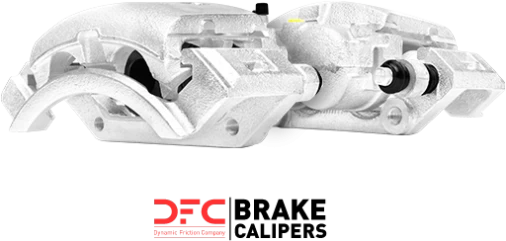
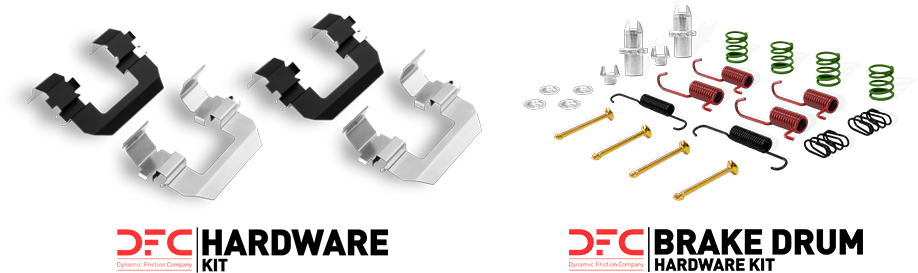
The DFC brake kit encompasses a full set of critical braking components, comprising calipers, discs, and pads for a total system overhaul. This package comes with upgraded pads and an inclusive hardware kit to deliver a fully integrated braking solution. Depending on the vehicle’s requirements, the kit may also contain extra elements like wear sensors, brake fluids, and rotor rings to cater specifically to that application.

Constructed from stainless steel, the provided DFC Hardware Kits are designed to resist corrosion while enduring high temperatures. This enhances both the durability and lifespan of each brake kit component.

Why Choose a Complete Kit

Choosing a complete brake kit provides numerous advantages.

  • The components are engineered to work together seamlessly, enhancing the vehicle’s braking system performance and compatibility.
  • Noise issues become less of an issue with this option.
  • Smooth operation is achieved since all the new parts are created to operate in unison.

A complete brake kit from DFC offers additional benefits.

  • It streamlines the process of choosing the right parts
  • Delivers a matched system that simplifies selection
  • Effectively restores optimal performance
  • Meets varying customer needs concerning price, function, and design.

Summary

We understand that the Geospec-coated rotors from DFC are very good for many reasons. They do not rust easily, last a long time, and look nice. These rotors help your car run smoothly and look stylish. DFC promises to have the right rotor for every kind of vehicle because they care about quality and have many options.

Choosing a complete brake kit from DFC is even better because it has everything you need in one package. This makes it easy to use and take care of your car’s brakes. If you take good care of these rotors and use them the right way, they will work well for a long time. When you pick Geospec-coated rotors, you are choosing safety and a great driving experience.