How EV Brakes Are Transforming Electric Vehicle Design

DFC Blog

The rise of electric cars and electric vehicles (EVs) is reshaping the automotive industry, and braking systems are no exception. Traditional friction-based brakes are giving way to innovative designs, improving efficiency, longevity, and performance. Mechanics and auto industry professionals must understand these advancements to stay ahead of the curve.

1. Introduction to Electric Vehicle Braking Systems

Electric vehicle braking systems are designed to provide safe and efficient stopping power while also recovering kinetic energy and converting it into electrical energy. These systems are a crucial component of electric vehicles, as they enable the recovery of energy that would otherwise be lost as heat during braking. Electric vehicle braking systems typically consist of a combination of regenerative braking and traditional friction braking. Regenerative braking uses the electric motor to capture kinetic energy and convert it into electrical energy, which is then stored in the vehicle’s battery. Traditional friction braking uses brake pads and rotors to slow the vehicle down. The combination of these two braking systems allows electric vehicles to achieve improved energy efficiency and reduced wear on brake components.

Regenerative Braking: A Game Changer in Kinetic Energy Recovery

One of the biggest changes in electric vehicle brake design is regenerative braking. Unlike conventional brakes, the brake system in electric vehicles incorporates regen braking to slow the vehicle by converting kinetic energy into electricity, which is then stored in the battery.

Benefits of Regenerative Braking:

Reduces brake wear by minimizing friction brake usage through the regenerative braking system ✔ Improves energy efficiency and extends driving range ✔ Enhances vehicle control through smoother deceleration

What This Means for Mechanics:

🔧 Unlike traditional brake pads, EV brake pads and rotors last significantly longer, requiring fewer replacements.

🔧 Less wear means fewer brake dust emissions, making EVs more environmentally friendly.

🔧 Shops must adapt maintenance strategies, focusing on brake lubrication and caliper service instead of frequent pad replacements.

3. Types of Brakes Used in Electric Vehicles

Electric vehicles use a variety of brake types, including regenerative brakes, friction brakes, and electrohydraulic brakes. Regenerative brakes are the primary braking system used in electric vehicles, as they capture kinetic energy and convert it into electrical energy. Friction brakes are used in conjunction with regenerative brakes to provide additional stopping power when needed. Electrohydraulic brakes are used in some electric vehicles to provide a balance between regenerative and friction braking. These brakes use an electric motor to control the hydraulic system that applies pressure to the brake pads.

2. Lighter Brake Components for Efficiency

Since EVs are heavier than gas-powered cars due to large battery packs, manufacturers are turning to lighter brake materials like metallic brake pads, which are known for their superior heat dissipation and suitability for high-performance driving, to improve efficiency.

New Innovations in EV Brake Materials:

🚗 Carbon-ceramic rotors – Lighter and more durable than traditional cast iron 🚗 Aluminum brake calipers – Reduce weight while maintaining strength 🚗 Advanced coatings – Protect brake surfaces from rust due to infrequent use

Why This Matters: Lighter materials reduce unsprung weight, leading to better handling and longer range. Additionally, these innovations enhance the conversion of kinetic energy into mechanical energy during regenerative braking, improving overall energy efficiency.

3. Shift Towards Rear Drum Brakes in EVs

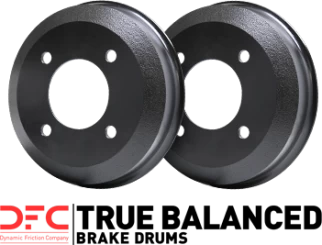
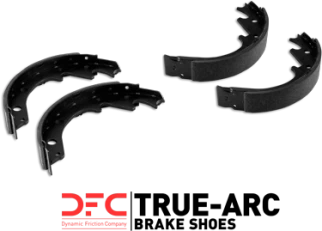
Surprisingly, some EV manufacturers (such Volkswagen) are reintroducing rear drum brakes as part of their brake systems. While drum brakes were largely phased out in favor of disc brakes, EVs are bringing them back for efficiency.

Why Some EVs Use Rear Drum Brakes:

Less brake dust – Drums are enclosed, reducing emissions ✔ Lower maintenance – Less exposure to debris and moisture ✔ Better for regenerative braking – Vehicle manufacturers are focusing on the efficiency of regenerative braking systems to enhance energy recovery from braking in hybrid and electric vehicles. Drums complement regen braking systems

The Impact of Reduced Brake Use on Brake Pads Maintenance

Because the brake pedal in EVs is used less frequently, mechanics must rethink traditional maintenance schedules. The biggest challenges include:

🛠 Corrosion and rust buildup – Less frequent use means moisture can accumulate on rotors. 🛠 Seized calipers – Without regular actuation, caliper pistons can stick. 🛠 Brake fluid contamination – EVs still require periodic fluid changes to maintain hydraulic system integrity.

Best Practices for EV Brake Maintenance:

✅ Perform regular inspections to check for rust buildup and ensure optimal recovery of initial kinetic energy during braking events.

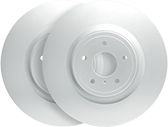
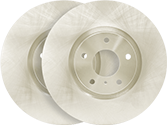
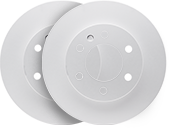
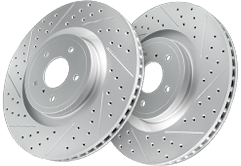
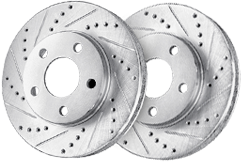
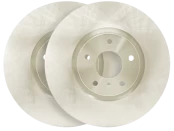
✅ Use coated rotors like DFC GeoSpec Coated Brake Rotors to resist corrosion.

✅ Lubricate caliper slides to prevent sticking.

7. Electric Vehicle Braking Systems and Energy Efficiency

Electric vehicle braking systems are designed to provide improved energy efficiency by recovering kinetic energy and converting it into electrical energy. Regenerative braking is a key component of electric vehicle braking systems, as it captures kinetic energy and converts it into electrical energy. This energy is then stored in the vehicle’s battery and can be used to power the vehicle’s electrical systems. Electric vehicle braking systems can achieve energy efficiency of up to 70% or more, depending on the vehicle and driving conditions. This is significantly higher than traditional friction braking systems, which typically achieve energy efficiency of around 10-20%. The improved energy efficiency of electric vehicle braking systems can lead to increased driving range and reduced energy consumption.

5. The Future of Brake-by-Wire Technology

EVs are pushing the industry toward brake-by-wire systems, which replace traditional hydraulic systems with electronic controls and leverage electric motors for regenerative braking. This technology offers:

🔹 Faster response times for improved safety 🔹 Adjustable braking feel to optimize performance 🔹 Reduced weight and complexity compared to hydraulic systems

Some EVs, like the Tesla Model S Plaid, are already experimenting with fully electronic braking systems.
Final Thoughts

Electric vehicle brake design, compared to traditional brakes, is evolving rapidly, reducing maintenance needs, increasing efficiency, and introducing new materials. As EV adoption grows, mechanics and parts distributors must stay informed on these changes.

For brake parts designed for modern vehicles, check out DFC’s high-performance brake solutions—engineered for durability, efficiency, and cutting-edge braking technology.


Best Practices for Brake Maintenance: Preventing Common Brake Issues for Mechanics

DFC Blog

Build Trust and Reliability—One Brake Job at a Time

Brakes are one of the most critical safety systems in any vehicle—yet they’re often overlooked until something goes wrong. As a technician or shop owner, preventative brake maintenance is key not only to protecting your customers but also to reducing comebacks and strengthening your reputation.

From worn pads to fluid contamination and ABS diagnostics, this guide outlines practical strategies to help mechanics prevent the most common brake problems—with solutions backed by DFC’s trusted product line.


1. Know Your Brake System Inside and Out

Understanding how braking components work together allows you to identify early signs of wear and recommend proper service intervals.

Pads & Rotors
When the brake pedal is pressed, pads clamp down on rotors to generate friction and slow the vehicle. Worn pads or overheated rotors reduce stopping power and increase risk.

Drum vs. Disc Brakes
Disc brakes provide stronger, more consistent performance and are easier to maintain—making them standard on modern vehicles. Drum brakes are still used on some rear applications and require different service considerations.


2. Stop Premature Brake Pad Wear

Uneven or rapid pad wear is one of the most common (and avoidable) issues in the bay.

Common Causes:

  • Inferior-quality pads
  • Sticking calipers or dry guide pins
  • Hard braking or aggressive driving
  • Overloaded vehicles and towing

Prevention Tips:

  • Use high-quality pads like DFC 5000 Advanced Brake Pads
  • Clean and lubricate caliper slide pins at every service
  • Inspect for even wear across all pads
  • Educate customers on proper braking habits

3. Address Brake Noise Before It Becomes a Comeback

Squeaks, squeals, and grinding can indicate pad glazing, misaligned hardware, or debris. Customers often interpret noise as poor workmanship—even when the cause is unrelated.

Fix It Right:

  • Resurface or replace rotors showing excessive wear or scoring
  • Use DFC brake hardware kits to eliminate movement and vibration
  • Apply noise-reducing lube to contact points (never pad or rotor surfaces)

4. Prevent Rotor Warping and Vibration Complaints

Brake pulsation often points to warped rotors—a problem that undermines performance and drives customer dissatisfaction.

Common Causes:

  • Excessive heat from aggressive braking
  • Improper lug nut torque
  • Low-grade or unbalanced rotors

Prevention Tips:

  • Upgrade to DFC Carbon Alloy Rotors with superior heat tolerance
  • Always torque lugs to factory specs using a torque wrench
  • Encourage smooth, progressive braking for better rotor longevity

5. Avoid Brake Fluid Contamination

Brake fluid absorbs moisture over time, reducing braking performance and damaging internal components. A spongy pedal or ABS light may point to degraded fluid.

Watch for:

  • Soft brake pedal
  • ABS warning lights
  • Dark, dirty, or discolored fluid

Best Practices:

  • Flush fluid every 2 years or as recommended
  • Use premium DOT 3 or DOT 4 brake fluid depending on OEM spec
  • Bleed system properly to remove air

6. Don’t Overlook Brake Lines and Hoses

Even if the pads and rotors look good, the system is only as strong as its weakest link. Old or damaged hoses can leak or fail under pressure.

Inspection Checklist:

  • Look for cracks, bulges, or dry rot in rubber lines
  • Inspect metal lines for corrosion or surface rust
  • Replace with DOT-approved parts to maintain system integrity

7. Diagnose ABS Issues Accurately

ABS lights are a top concern among drivers. When illuminated, they signal potential failure in one of the most important safety systems.

What to Know:
The ABS system prevents wheel lock-up during emergency stops. Ignoring a fault can lead to reduced braking control, especially in wet or slippery conditions.

Recommended Steps:

  • Scan for fault codes with a diagnostic tool
  • Inspect wheel speed sensors and ABS modules
  • Check for contaminated or old brake fluid contributing to the fault
  • Verify system resets post-repair

Final Thoughts

By following these brake maintenance best practices, you help your customers avoid costly issues while building a reputation for thorough, professional service.

  • Use premium-grade DFC pads, rotors, and hardware for proven durability and performance
  • Perform complete inspections, not just pad swaps
  • Educate customers on signs of wear and when to return for service

Trusted by Professionals. Proven in the Bay.

Looking for OEM-quality components that deliver under pressure?
Dynamic Friction Company offers a full line of brake pads, rotors, hardware kits, and fluids designed to meet the demands of today’s vehicles—and the shops that service them.

Browse DFC Brake Solutions
Contact Us for expert recommendations.

Towing Safety: Best Practices for Braking Downhill

DFC Blog

Stay in Control on Every Descent

Towing heavy loads downhill poses a serious challenge—even for experienced drivers. One of the greatest risks is brake fade, a condition where braking effectiveness decreases due to heat buildup during prolonged or repeated braking. Without proper technique and high-performance components, this can lead to dangerously long stopping distances and increased wear on your brake system.

Whether you’re hauling a trailer, camper, or heavy-duty equipment, the following best practices will help you brake safely, extend component life, and maintain full control on steep descents.


1. Know Your Braking System

Before every trip, confirm that your vehicle and trailer braking systems are fully functional. Don’t overlook any component—especially when towing under load.

Key Safety Checks:

  • Inspect brake pads and rotors for wear or glazing
  • Check brake fluid levels and quality
  • Test the trailer brake controller and emergency braking system
  • Confirm your vehicle’s integrated braking systems (ABS, stability control) are functioning properly

2. Perform a Pre-Trip Inspection

A thorough pre-trip inspection ensures reliability and performance throughout your towing journey. Focus especially on the braking and suspension systems.

Critical Items to Inspect:

  • Brake System: Pads, fluid levels, brake lines, calipers or drums
  • Trailer Brakes: Check controller settings and trailer brake pad wear
  • Tires: Ensure proper inflation on both tow vehicle and trailer
  • Suspension & Steering: Look for alignment issues, looseness, or wear
  • Parking Brake: Confirm it’s holding properly, especially on inclines
  • Engine Braking Systems: Verify operation for added downhill control

3. Downshift to Lower Gears

Let your engine help do the braking. Downshifting reduces reliance on the brakes and helps control speed on long downhill grades.

When to Downshift:

  • Long, sustained descents
  • Approaching curves or intersections
  • Anytime braking power needs to be supplemented

This technique minimizes brake fade and extends pad and rotor life.


4. Use Pulse Braking—Avoid Riding the Brakes

One of the most common (and dangerous) mistakes when descending is riding the brakes—a sure path to overheating and brake fade. Instead, use controlled “pulse braking.”

How to Apply Pulse Braking:

  1. Apply steady, firm brake pressure for a few seconds.
  2. Release to allow the brakes to cool.
  3. Repeat as needed to control speed.

This method gives brakes time to dissipate heat while maintaining control.


5. Balance Your Load Correctly

An unbalanced load increases brake strain and reduces vehicle stability—especially on downhill slopes.

Best Practices:

  • Maintain 10–15% tongue weight on trailers
  • Load heavier items toward the front of the trailer
  • Use tie-downs to prevent shifting during descent

A well-distributed load improves braking response and reduces sway.


6. Upgrade to DFC Heavy-Duty Brake Components

Standard brake systems often fall short under the demands of towing. DFC performance brake components are engineered specifically for heavy loads and extended use.

Recommended Towing Upgrades:

🛠️ Trusted by fleet operators and performance-focused shops alike, DFC braking solutions are built to withstand punishing conditions while maintaining safety and control.


7. Maintain a Safe Following Distance

Towing increases braking distance—sometimes dramatically. Maintain at least 5–6 seconds of space between your vehicle and the one ahead to allow for safe, gradual braking.


8. Use Trailer Brakes Effectively

Proper use of trailer brakes improves control and prevents trailer sway during descent.

Tips:

  • Adjust the gain setting on your electric brake controller
  • Test brake response before hitting a long grade
  • Manually activate trailer brakes to help reduce sway, if needed

9. Plan Routes and Avoid Dangerous Grades

Use GPS tools or trucker apps to map out routes that avoid excessive downgrades, especially when towing at or near capacity. When unavoidable, ensure your vehicle and brakes are ready for the challenge.


Final Thoughts

Braking downhill while towing requires the right equipment, technique, and preparation. From pre-trip checks to gear selection and load balancing, every step contributes to a safer, more controlled descent.

For maximum confidence on the road, equip your vehicle with DFC’s high-performance towing brake components—engineered for durability, temperature resistance, and stopping power you can count on.

Experience Superior Braking Performance from the First Stop

DFC Blog
Scorched to remove uncured bonding agents, minimizing the need for initial break-in period and increasing stopping power from the initial stop

Confidence Begins with the First Press of the Pedal

Whether you’re a daily commuter, fleet operator, or high-performance driver, you need reliable stopping power—right from the first stop. At Dynamic Friction Company (DFC), we ensure that confidence with every brake pad we produce.

A key part of that performance? Post-curing. This advanced manufacturing process delivers immediate stopping power, reduces break-in time, and guarantees friction stability under all driving conditions.


What is Post-Curing—and Why Does It Matter?

Post-curing is a heat treatment process applied to brake pads after molding. It fully cures the friction material by eliminating uncured bonding agents and stabilizing the pad’s composition.

Many competitors skip this step, relying on drivers to “bed-in” the pads during use—leaving initial performance compromised. At DFC, every brake pad is 100% post-cured so it’s ready to perform the moment it’s installed.


The DFC Post-Curing Advantage

Immediate Stopping Power

No long break-in periods. Our post-cured pads deliver confident, responsive braking from the first press—ideal for customers who demand immediate results.

Consistent Braking in Any Condition

Post-curing stabilizes the pad’s friction coefficient, ensuring uniform performance across a wide range of temperatures and conditions—from city traffic to highway emergencies.

Reduced Noise & Vibration

By eliminating volatile compounds during post-curing, we reduce the risk of noise, vibration, and harshness (NVH). Expect smoother, quieter stops—every time.

Longer Pad Life

Post-curing reduces uneven wear and prevents glazing, extending the lifespan of your pads and minimizing downtime for replacements.

Superior Thermal Stability

High heat from aggressive or frequent braking won’t compromise performance. DFC pads maintain their integrity and stopping power even under extreme thermal stress.


Scorched for Extra Performance

After post-curing, we go one step further: scorching. This additional treatment burns off residual gases and surface impurities, enhancing initial bite and further shortening break-in time. It’s an extra step that delivers extra performance—only from DFC.


Post-Cured Pads Across the DFC Lineup

All DFC brake pads are post-cured and engineered for precision. Here are just a few examples from our range:


Why Trust DFC for Your Braking Needs?

  • 100% Post-Cured for Instant Performance
  • Scorched for Optimal Break-In
  • Engineered to OEM Standards or Better
  • Backed by Industry-Leading Technical Support

Upgrade to DFC Brake Pads and Feel the Difference

Looking for brake pads that offer instant performance, longer life, and fewer comebacks? Choose DFC post-cured brake pads and give your customers the confidence they deserve—right from the first stop.

How to Reduce Noise and Vibration in Brake Installations with DFC Shims

DFC Blog

Achieve a Quieter, Smoother Ride with Premium Brake Shims

Brake noise and vibration can be frustrating for drivers and a challenge for mechanics. Whether it’s an annoying squeal, a grinding noise, or a pulsating pedal, these issues often stem from poor damping and vibration control. One of the most effective ways to reduce brake noise and vibration is by using high-quality shims—like DFC Premium Rubber-Steel-Rubber (RSR) Shims—designed to improve braking performance, enhance comfort, and extend the life of your braking system.

In this guide, we’ll explore how brake noise occurs, why shims are essential, and how DFC brake shims can help you achieve a smoother, quieter brake installation.


Why Do Brakes Make Noise?

Brake noise is typically caused by vibration and resonance between the brake pads, rotors, and calipers. Some of the most common causes include:

  • Improper brake pad fitment – Pads that don’t sit flush against the caliper can create movement and noise.
  • Worn or damaged brake components – Old rotors, uneven pad wear, and lack of lubrication can lead to squealing and grinding.
  • Inadequate damping materials – Poor-quality or missing shims can increase vibrations.
  • Environmental factors – Dust, moisture, and extreme temperatures can affect brake performance.

While proper installation and high-quality brake pads are crucial, brake shims play a vital role in noise reduction by absorbing vibrations and preventing metal-to-metal contact.


The Role of Brake Shims in Noise and Vibration Control

Brake shims act as a buffer between the brake pad and caliper, helping to reduce vibrations and noise. High-quality shims absorb energy and dampen sound waves that would otherwise create unwanted brake noise.

DFC Premium Rubber-Steel-Rubber (RSR) Shims are specifically engineered to:

Reduce Noise & Vibration – Multi-layered construction absorbs sound and minimizes movement.
Improve Brake Performance – Maintains consistent contact between the pad and rotor for smooth braking.
Enhance Durability – Designed to withstand extreme temperatures and prolonged use.
Optimize Comfort – Delivers a quieter, smoother ride for drivers.


How DFC Brake Shims Provide Superior Noise Reduction

Not all brake shims are created equal. DFC’s Premium RSR Shims stand out due to their advanced three-layer construction, which ensures optimal vibration damping and noise suppression.

1. Rubber-Steel-Rubber (RSR) Construction

DFC shims are designed with a rubber-steel-rubber structure, providing superior damping properties. The rubber layers absorb vibrations, while the steel core maintains structural integrity, ensuring long-lasting performance.

2. OEM Fit & Functionality

DFC shims are precision-engineered to match or exceed OEM standards, ensuring a perfect fit and seamless installation. This guarantees consistent performance across a wide range of vehicle applications.

3. Thermal & Corrosion Resistance

Brake components experience extreme temperatures, moisture, and debris. DFC shims are thermally resistant to withstand high heat levels and corrosion-resistant for extended durability.

4. Improved NVH (Noise, Vibration, and Harshness) Characteristics

By minimizing unwanted brake vibrations and harmonics, DFC brake shims significantly enhance NVH performance, resulting in a quieter, more comfortable driving experience.


Best Practices for Installing Brake Shims

To maximize the benefits of DFC shims and ensure a noise-free brake installation, follow these expert tips:

Clean the Caliper Bracket & Hardware – Remove old brake debris and rust before installing new shims.
Apply Lubrication Sparingly – Use high-quality brake lubricant on contact points but avoid over-application.
Ensure Proper Pad Alignment – Make sure brake pads are seated correctly against the shims and caliper.
Check for Worn or Warped Rotors – If the rotors are uneven or excessively worn, replace them for optimal braking.
Use High-Quality Brake Pads – Pairing DFC shims with DFC brake pads ensures the best noise and vibration control.


Upgrade Your Braking System with DFC Shims Today

If you’re experiencing brake noise and vibration, upgrading to DFC Premium Rubber-Steel-Rubber Shims is a simple yet effective solution. Their advanced three-layer design, OEM precision fit, and superior noise-damping properties make them an essential upgrade for any brake installation.

For a quieter, smoother, and more reliable braking experience, choose DFC brake shims—the industry leader in brake noise reduction technology.

The Horror of Remanufactured Calipers: Why Bad Threads Cost You Time & Money

Understanding Brake Caliper Issues

Brake caliper issues can be a serious problem for vehicle owners, as they can lead to reduced braking performance and increased risk of accidents. The brake caliper is a critical component of the braking system, responsible for housing the brake pads and applying pressure to the brake rotor to slow or stop the vehicle. Issues with the brake caliper can arise from worn-out brake pads, damaged brake lines, or faulty brake fluid. Regular maintenance and inspections can help identify potential problems before they become major issues.

Are You Facing the Nightmare of Poor Threading?

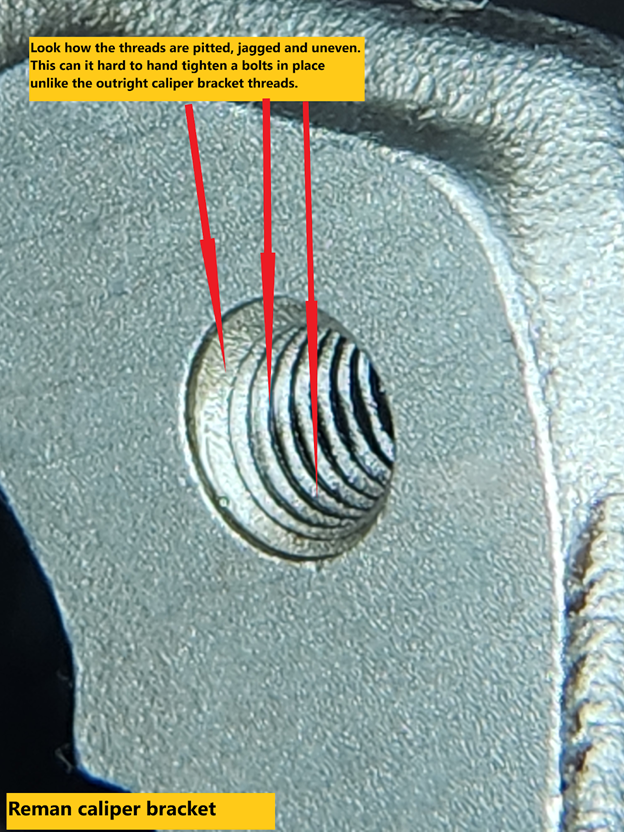
Have you ever picked up a remanufactured caliper and felt a chill run down your spine? The pitted, jagged threads. The stripped bleeder screw. The unknown past of failed repairs and questionable quality. If this sounds familiar, you’re not alone.

In Episode Three of Automotive Anonymous, we tackle one of the most frustrating issues installers face: damaged threading in remanufactured calipers. One reliable solution to leaks caused by damaged threading is to replace the caliper with a new part or reman unit, ensuring safety and functionality in braking systems.

The Dangers of Brake Fluid Leaks

Brake fluid leaks can be a serious safety hazard, as they can lead to reduced braking performance and increased risk of accidents. Brake fluid is a critical component of the braking system, responsible for transmitting pressure from the brake pedal to the brake calipers. Leaks can occur due to damaged brake lines, worn-out brake seals, or faulty brake fluid reservoirs. If left unchecked, brake fluid leaks can lead to total brake system failure, which can have devastating consequences. It is essential to address brake fluid leaks promptly and have them repaired by a qualified mechanic.

The Real Cost of Bad Brake Caliper Threads

When caliper threads are compromised, you’re looking at:

Brake fluid leaks – Damaged banjo bolt seats or bleeder screw threads can lead to costly and dangerous leaks. ✅ Stripped guide pin holes – If the caliper bracket threads are worn out, expect poor brake performance and uneven pad wear. ✅ Wasted labor and frustration – Fighting bad threads turns a simple install into a time-consuming nightmare.

The problem? Remanufactured calipers are often rebuilt from old, worn-out cores—meaning their threads have already lived a hard life. You’re gambling every time you install one. The average number of issues reported with remanufactured calipers is significantly higher compared to new ones, making them a risky choice.

Brake Fluid Maintenance and Prevention

Regular brake fluid maintenance is essential to ensure the optimal performance of the braking system. Brake fluid should be checked regularly for signs of contamination or degradation, and replaced as needed. It is also important to use the correct type of brake fluid for your vehicle, as specified in the owner’s manual. Additionally, brake fluid reservoirs should be inspected regularly for signs of damage or corrosion, and replaced if necessary. By following these maintenance tips, you can help prevent brake fluid leaks and ensure the optimal performance of your braking system.

A Brand-New Caliper Is a Brand-New Me

What if you never had to deal with these issues again? New calipers offer:

🚀 Factory-fresh threads – Precision-machined for perfect fitment. 🛑 No more cross-threading risks – No worn-out, re-tapped holes or questionable helicoils. 💸 No core fees, no surprises – Just a clean, hassle-free installation.

When diagnosing and repairing brake caliper issues, it’s important to consider related terms associated with these problems. These related keywords can include brake fluid leaks, uneven brake pad wear, and caliper piston sticking, which help signal the quality and depth of the article to search engines and users alike.

Diagnosing and Repairing Brake Caliper Issues

Diagnosing brake caliper issues can be a complex process, requiring specialized tools and expertise. If you suspect that your brake caliper is faulty, it is essential to have it inspected by a qualified mechanic. The mechanic will perform a series of tests to determine the cause of the problem, including inspecting the brake pads, brake lines, and brake fluid reservoir. Once the problem is identified, the mechanic can perform the necessary repairs, which may include replacing the brake pads, brake lines, or brake caliper. In some cases, the brake caliper may need to be replaced entirely, which can be a costly and time-consuming process. However, by addressing brake caliper issues promptly, you can help ensure the optimal performance and safety of your vehicle.

Break the Cycle—Choose a Better Way

If you’ve been burned by remanufactured calipers, it’s time to take the first step. Stop fighting with bad threads and start installing with confidence.

🚗 Recovery starts today. #BreakTheCycle #NewCalipersNewMe

Understanding Brake Fade and How DFC Products Combat It

DFC Blog

When it comes to vehicle safety, effective braking is non-negotiable. However, one of the most concerning issues drivers face is brake fade—a temporary reduction in braking performance caused by excessive heat, which affects the entire brake system. Whether you’re navigating steep descents, towing heavy loads, or dealing with high-performance driving conditions, brake fade can compromise safety.

At Dynamic Friction Company (DFC), we design our brake products to resist brake fade and maintain consistent, reliable performance under extreme conditions. Let’s dive into what brake fade is, why it occurs, and how DFC products offer a solution.

What Is Brake Fade?

Brake fade occurs when a vehicle’s braking system loses effectiveness due to heat buildup. This can happen in various scenarios, such as repeated heavy braking or extended downhill driving, where the friction materials in the pads and rotors overheat and lose their ability to generate the necessary stopping force. Heat buildup reduces braking power, leading to a significant reduction in braking performance and compromising safety.

Types of Brake Fade: Brake Fluid Fade

  1. Friction Fade: Overheated brake pads lose their ability to generate friction, reducing stopping power.
  2. Fluid Fade: Excessive heat causes the brake fluid to boil, creating vapor that reduces hydraulic pressure in the braking system. This phenomenon, known as brake fluid fade, occurs when the brake fluid becomes compressible due to boiling. Prolonged or heavy braking can lead to this condition, especially if moisture in the fluid lowers its boiling point, ultimately resulting in reduced braking power. It is recommended to flush the system to prevent or address brake fluid fade.
  3. Mechanical Fade: Components like rotors warp or degrade due to extreme heat, affecting the braking system’s mechanical integrity.

Causes and Symptoms of Brake Fade

Brake fade occurs when the braking system’s ability to stop the vehicle is reduced due to excessive heat buildup, worn-out brake pads, or brake fluid leaks. Recognizing the causes and symptoms of brake fade is crucial for maintaining vehicle safety.

  • Excessive Heat Buildup: When brake pads and rotors overheat, they lose their ability to generate friction, leading to brake fade. This is common during repeated heavy braking or extended downhill driving.
  • Worn-Out Brake Pads: As brake pads wear down, they become less effective at generating the necessary friction. This can cause the brake pedal to feel spongy or soft, reducing stopping power.
  • Brake Fluid Leaks: Leaks in the brake fluid system can lead to a spongy brake pedal and decreased stopping power, as the hydraulic pressure needed for effective braking is compromised.
  • Aggressive Driving: Quick stops and fast starts generate excessive heat in the braking system, increasing the risk of brake fade.
  • High-Speed Driving: Driving at high speeds can cause significant heat buildup in the braking system, leading to reduced braking effectiveness.
  • Heavy Vehicles: Trucks, buses, and other heavy vehicles are more prone to brake fade due to their increased weight and higher braking demands.

Why Brake Fade Is Dangerous

Brake fade reduces your ability to stop quickly, increasing the risk of accidents. Unlike brake fade, which is a temporary reduction in braking power due to heat, brake failure is a more severe issue caused by mechanical or hydraulic faults. It’s especially dangerous during high-stress situations like emergency braking or when traveling at high speeds.

Prevention and Maintenance

Preventing brake fade requires regular maintenance and mindful driving habits. Here are some effective strategies to keep your braking system in top condition:

  • Regular Brake Pad Replacements: Ensure your brake pads are replaced regularly to maintain optimal friction and stopping power. Worn-out pads are less effective and more prone to overheating.
  • Brake Fluid Checks: Regularly check brake fluid levels and condition to prevent leaks and ensure the hydraulic system functions properly. Using high-quality brake fluid with a higher boiling point can also help prevent fluid fade.
  • Engine Braking: Utilize engine braking by downshifting to slow down, which reduces the load on the braking system and helps prevent brake fade.
  • Lower Gear: When driving down steep hills, use a lower gear to control your speed and reduce reliance on the brakes, minimizing heat buildup.
  • Avoid Aggressive Driving: Smooth, gradual stops and starts help prevent excessive heat buildup in the braking system, reducing the risk of brake fade.

How DFC Products Are Engineered to Prevent Brake Fade

At DFC, we focus on advanced materials, engineering, and design to combat the effects of heat buildup. Selecting the right brake pad material is crucial for preventing brake fade, especially under extreme conditions. Our products are specifically designed to maintain optimal performance under extreme conditions, giving you confidence and control when it matters most.

Key Features of DFC Products to Combat Brake Fade: Brake Pad Material

  1. Advanced Friction Materials: The DFC 5000 ADVANCED Brake Pads feature a specialized formulation designed to deliver consistent pedal feel and superb fade resistance. These pads ensure stable friction performance across a wide temperature range, making them ideal for daily driving and demanding conditions alike.
  2. Positive Mold Construction: Our brake pads are manufactured using positive mold construction, which ensures consistent friction material density for reliable performance. This method minimizes the risk of overheating.
  3. Scorching and Post-Curing: All DFC brake pads are 100% post-cured and scorched to eliminate uncured bonding agents, providing immediate stopping power and reducing the likelihood of fade during the initial break-in period.
  4. High Carbon Rotors: DFC’s GeoSpec Coated Brake Rotors are engineered with high carbon content, which improves heat dissipation and reduces the risk of warping, a common cause of mechanical fade. Disc brakes are more effective in dissipating heat and preventing brake fade compared to drum brakes, making them standard in most modern vehicles.
  5. Ventilation Design: Our rotors feature advanced ventilation patterns to enhance airflow, keeping temperatures low during heavy braking sessions.
  6. Premium Brake Fluid: Using high-quality brake fluid with a higher boiling point can prevent fluid fade. At DFC, we recommend pairing our pads and rotors with premium fluid for optimal results.

DFC Brake Pads vs. OEM Brake Pads

When it comes to choosing brake pads, DFC offers significant advantages over OEM options, particularly in terms of fade resistance and overall performance.

  • Fade Resistance: DFC brake pads are engineered to provide superior fade resistance, even under extreme temperatures and demanding braking conditions. This ensures consistent performance and safety.
  • Friction Material: DFC uses proprietary friction materials designed to deliver consistent braking performance and excellent fade resistance. These materials are formulated to handle a wide range of temperatures and driving conditions.
  • Ceramic Materials: Many DFC brake pads incorporate ceramic materials, which offer improved durability and heat resistance compared to traditional materials. This results in longer-lasting pads and better performance under stress.
  • OEM Compatibility: DFC brake pads are designed to be fully compatible with OEM brake systems, making them an ideal upgrade for drivers seeking enhanced braking performance without the need to replace their entire braking system.

Real-World Applications of Brake System

DFC products are designed for diverse applications, from daily driving to heavy-duty and performance use. Whether you’re managing the intense heat of a track day or navigating challenging terrain, DFC components provide the durability and fade resistance needed to perform in any condition.

Trust Dynamic Friction Company for Fade-Resistant Brake Performance

Brake fade can compromise safety and confidence on the road, but it’s preventable with the right components. At DFC, we are committed to delivering innovative solutions that combat brake fade and ensure your braking system performs at its best, even under the toughest conditions.

Upgrade to DFC products and experience the difference that quality and engineering excellence can make.

5 Reasons to Avoid Remanufactured Calipers: Why New DFC Calipers Are the Better Choice

DFC Blog

When it comes to brake calipers, many shops and distributors have relied on remanufactured units in the past due to perceived cost savings. However, hidden inefficiencies, quality issues, and durability concerns often turn those savings into higher long-term expenses. With DFC’s all-new brake calipers, you get consistent quality, reduced failure rates, and competitive pricing—without the headaches.

DFC’s new calipers meet or exceed OEM performance standards, ensuring quality and reliability.

Let’s break down the five key issues with remanufactured calipers and how DFC’s newly manufactured calipers solve them.

1. Core Charges and Return Hassles

Remanufactured calipers require core exchanges, which can add both complexity and unexpected costs. Core returns may not meet acceptance criteria due to issues like corrosion or damage, leading to rejections and extra charges.

With DFC calipers, core exchanges are a thing of the past. Our calipers are all-new, eliminating return hassles and ensuring a smoother purchasing and installation process. Additionally, DFC calipers come with all necessary installation hardware, ensuring easy installation.

2. Caliper Port Inlet Thread Issues

DFC Blog

Poorly remanufactured calipers often have pitted, jagged, or uneven threads in the caliper port inlet. This makes hand-tightening difficult, causing leaks and installation delays.

DFC calipers feature precision-machined port threads, ensuring smooth, secure installation without added frustration. This saves valuable time for technicians and prevents potential performance issues caused by improper threading.


3. Challenges with Modern Brake Technology

Electric Parking Brake (EPB) Calipers

EPB calipers integrate the parking brake electronically, eliminating the need for mechanical levers. However, remanufacturing these units is particularly challenging. The complex assembly requires specialized equipment to meet OEM standards, and many remanufactured units suffer from high failure rates due to improper testing and assembly.

By contrast, DFC’s new EPB calipers are built entirely with new components, ensuring reliable operation and long-term durability. Each unit undergoes advanced testing to meet or exceed OEM specifications.

Mechanical Integral Parking Brake Calipers

Similar to EPB calipers, mechanical integral parking brake units require precise assembly to function correctly. Remanufactured versions often fail due to poor quality control, leading to brake performance issues and costly returns.

With DFC, precision-built calipers provide optimal performance and help shops avoid these risks.


4. Corrosion and Surface Damage in Aluminum Calipers

Modern vehicles increasingly use lightweight aluminum calipers, which present unique challenges for remanufacturers. Many rebuilders use abrasive steel-shot cleaning media, which can distort critical surfaces like guide pin bores and brake pad contact points. Aluminum calipers also corrode faster in harsh environments, making them less viable for remanufacturing.

DFC calipers are coated with a premium silver zinc finish to resist corrosion, ensuring long-lasting performance. This protective coating is applied to all our calipers, reducing the risk of surface damage and ensuring smooth, consistent operation. Proper installation of the caliper bracket is crucial to prevent surface damage and ensure the longevity of the caliper.

5. Guide Pin and Seal Integrity

Guide pins and seals play a crucial role in brake performance, but remanufacturing processes often compromise these components. Guide pin bores can become oval-shaped over time, especially in high-mileage calipers. Additionally, some rebuilders blast and tumble caliper bodies with guide pins still attached, causing bent pins and stripped protective coatings. Maintaining the integrity of guide pins and seals is crucial for preventing brake fluid leaks and ensuring optimal brake performance.

DFC calipers come with all-new guide pins, seals, and pin bushings. Our components are engineered to maintain proper alignment and retraction, preventing excessive brake pad contact with the rotor. This reduces wear, minimizes disc thickness variation (DTV), and ensures efficient braking performance.

Proper Brake Caliper Installation is Crucial

The Dangers of Upside-Down Brake Caliper Installation

Installing a brake caliper upside down is a common mistake that can have serious consequences for your vehicle’s braking system. When a caliper is installed upside down, the bleeder valve is positioned at the bottom, making it impossible to properly bleed air from the brake lines. This can lead to air pockets remaining in the system, resulting in reduced braking performance, spongy brake pedal feel, and increased risk of accidents.

In addition to reduced braking performance, an upside-down brake caliper installation can also lead to premature wear on the brake pads and caliper pistons. This can result in increased maintenance costs and reduced stopping power, making it essential to correct the issue as soon as possible. Ensuring the caliper is installed correctly from the start can save time, money, and most importantly, enhance the safety of your vehicle.

The Role of Brake Calipers in Overall Brake Performance

Brake calipers play a critical role in overall brake performance, working together with the brake pads and pistons to slow or stop your vehicle. A brake caliper is responsible for housing the brake pads and pistons, which apply pressure to the brake rotor to slow or stop the vehicle.

When a brake caliper is installed correctly, it can provide optimal braking performance, including improved stopping power, reduced brake fade, and increased safety. However, when a caliper is installed incorrectly, it can lead to reduced braking performance, uneven brake pad wear, and increased risk of accidents. Properly functioning calipers ensure that the braking system operates efficiently, providing the necessary stopping power to keep you and your passengers safe on the road.

Why Choose DFC Newly Manufactured Calipers?

With a catalog of nearly 3,000 SKUs, DFC offers the largest selection of new brake calipers in the industry. Our calipers are designed to address the challenges posed by remanufactured units, including:

  • No core returns or hidden charges.
  • Precision-machined components for easier installation.
  • Corrosion-resistant coatings for durability.
  • Compatibility with modern technologies like EPB and integral parking brakes.

Additionally, we’ve recently reduced prices by 10.94%, making our calipers more cost-effective than ever. Shops can now enjoy the benefits of new calipers at prices that compete with remanufactured alternatives—without sacrificing quality or performance. DFC calipers are designed for easy and accurate connection to the brake line, ensuring reliable performance.

Upgrade Your Brake System with DFC Calipers

Don’t let the inefficiencies of remanufactured calipers slow your shop down. DFC’s newly manufactured brake calipers provide reliable performance, easier installation, and long-term durability, all while eliminating core returns and other hidden costs.

Contact us today to explore our extensive catalog and discover how DFC calipers can enhance your operations and customer satisfaction.

The Role of Corrosion Resistant Brake Calipers in Performance

DFC Blog

Corrosion-resistant brake calipers are essential for maintaining the performance and safety of your vehicle. These components play a crucial role in the automotive braking system, affecting both the performance and appearance of the vehicle itself.

Corrosion: The Enemy of Brake Calipers

Corrosion is one of the biggest threats to brake caliper performance. Rusting can occur due to exposure to moisture and other environmental factors. It weakens the metal, compromises braking efficiency, and shortens the lifespan of the part. Additionally, maintaining proper levels of brake fluid is crucial to prevent caliper malfunctions and ensure optimal performance. That’s why DFC calipers are coated with a premium silver zinc finish to protect against rust and corrosion.

1. Prolonged Durability in Any Climate

Whether your customers drive through snow, rain, or humidity, DFC calipers are built to withstand the elements. A base coat is applied before the silver zinc finish to improve adhesion and enhance the protective barrier against rust. The silver zinc coating creates a protective barrier that keeps the calipers performing like new.

2. Prevent Costly Failures

Corroded calipers can lead to premature failures and expensive repairs. Ensuring that both brake pads and calipers are in good condition is essential for preventing premature failures. By offering corrosion-resistant DFC calipers, you help your customers avoid these issues and ensure long-term performance. Regular inspection of the caliper pins is also important to maintain proper alignment and functionality.

3. Stand Out with Superior Products

When you stock or install DFC calipers, you’re offering a product that’s built to outperform the competition. This gives your business a competitive edge and keeps your customers coming back.

Protect Your Customers with DFC Calipers

Easy to Install Brake Calipers – The DFC Advantage

DFC Blog

With nearly 3,000 SKUs, DFC calipers offer the largest catalog of new brake calipers in the industry, covering a wide range of vehicles. Our calipers are meticulously designed for specific applications, ensuring a perfect fit and seamless function with your vehicle’s brake system. This application-specific engineering eliminates installation headaches and prevents the hidden costs associated with remanufactured parts.

By choosing DFC calipers, you also bypass the hassle of core returns and core charges, saving both time and money for your shop and customers.


Save Time with DFC Calipers

Time is money in the auto repair business. DFC’s newly manufactured brake calipers are designed for quick, hassle-free installation, allowing you to service more vehicles efficiently. This reduces labor hours, improves workflow, and increases customer satisfaction.


Key Features of DFC Calipers

1. Perfectly Threaded Caliper Ports

DFC calipers feature precision-machined port inlets, ensuring that threads are smooth and easy to tighten. This eliminates frustrations caused by uneven or pitted threads commonly found in remanufactured calipers. Each DFC caliper includes all necessary components, such as brackets, for a complete and efficient installation.

2. Ready-to-Install Design

Every DFC caliper is built with all-new components and coated with a corrosion-resistant silver zinc finish, offering long-lasting durability. These calipers require no additional preparation or cleaning, saving valuable time. They are engineered to withstand harsh elements like corrosion and high heat from braking friction, ensuring consistent performance.

3. Reduced Labor and Increased Efficiency

DFC calipers help reduce labor hours by simplifying the installation process. This allows technicians to focus on delivering quality service to more customers, while drivers benefit from enhanced brake performance and ease of use.


Simplify Rear Brake Jobs with DFC Calipers

Rear brake jobs can be time-consuming, but DFC calipers make the process straightforward. With their user-friendly design and comprehensive set of components—including pads, pins, boots, and rotors—installing rear brakes becomes faster and more efficient. These calipers are built to integrate seamlessly with existing brake systems, reducing the need for additional repairs or modifications.

Whether you’re a professional mechanic or a DIY enthusiast, DFC calipers help simplify brake installations, saving you both time and effort.


Choose DFC Calipers for Quality and Reliability

When it comes to brake calipers, DFC leads the industry with the largest new caliper catalog and a commitment to innovation, quality, and performance. Our calipers are engineered for durability, ease of installation, and long-term reliability—offering a superior solution to remanufactured options.

Upgrade your brake system today with DFC calipers for a safer, smoother, and more efficient driving experience.