Quality brake components are essential not just for vehicle performance—but for driver and passenger safety. From brake pads to rotors, each part of the braking system plays a critical role in ensuring responsive, reliable stopping power under all driving conditions.
Dynamic Friction Company (DFC) stands at the forefront of the automotive aftermarket, delivering premium brake components that consistently meet—and often exceed—Original Equipment Manufacturer (OEM) standards.
Why High-Quality Brake Components Matter
Safety Reliable brake components are fundamental to vehicle safety. They deliver consistent stopping power, reduce braking distances, and help prevent accidents.
Performance Precision-engineered brake parts provide smoother, more responsive braking. This improves vehicle handling and enhances driver confidence in daily driving and high-demand scenarios.
Durability High-quality materials and manufacturing processes extend the life of brake pads, rotors, and hardware—reducing maintenance costs and increasing long-term value.
DFC’s Commitment to Engineering Excellence
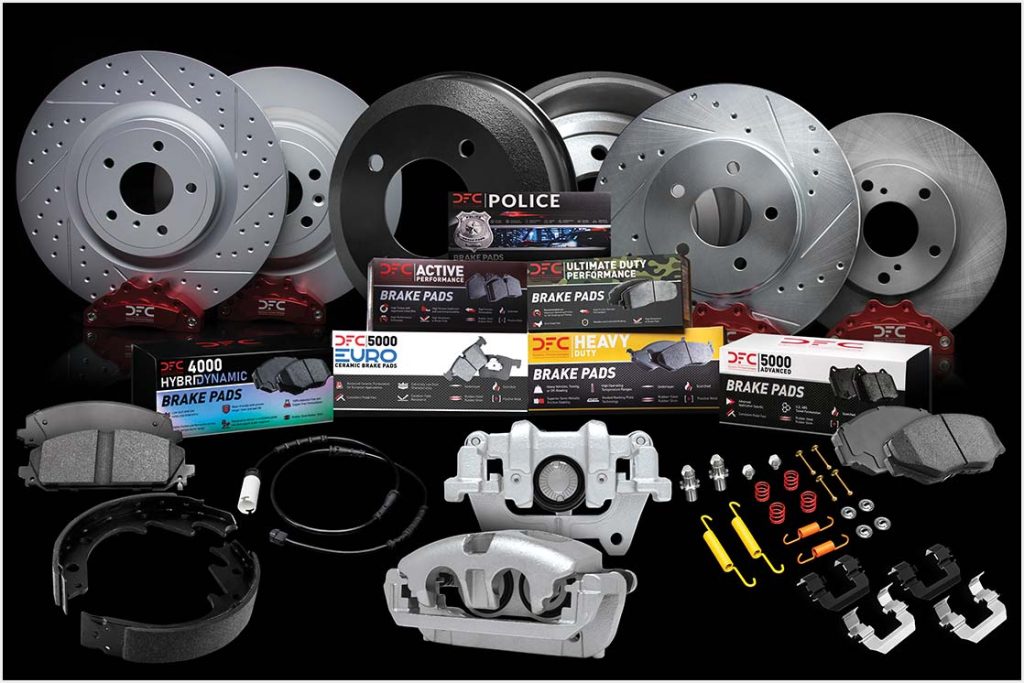
Founded on the principles of quality, innovation, and value, DFC offers a comprehensive range of braking solutions for both foreign and domestic applications. Every product is designed with performance, reliability, and technician ease-of-use in mind.
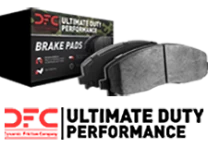
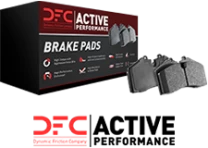
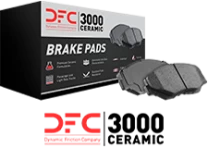
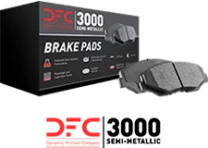
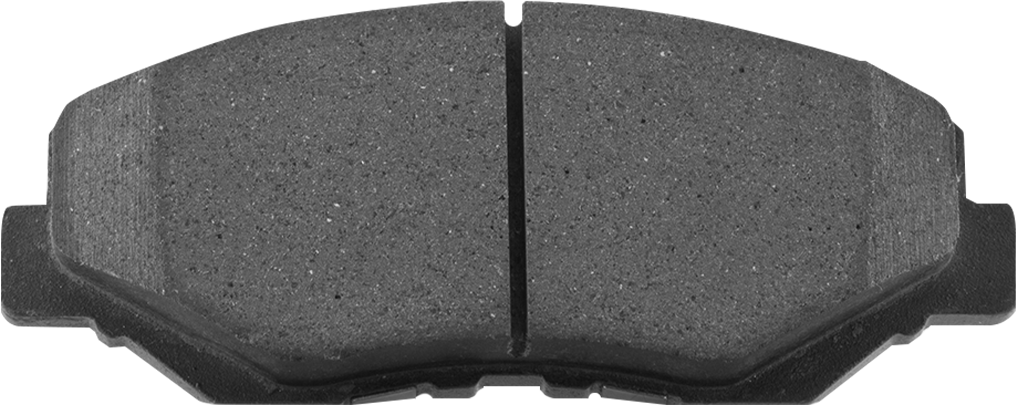
Brake Pads Available in multiple friction formulations, DFC brake pads are designed to meet the specific needs of various vehicle platforms. Each formulation balances stopping power, low noise, and minimal dust.
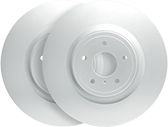
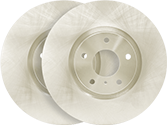
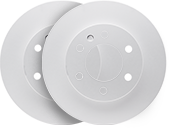
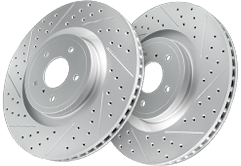
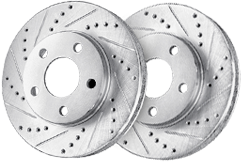
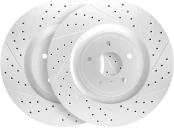
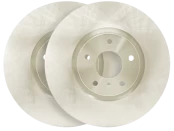
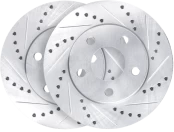
Brake Rotors Made with premium G3000/G11H18 iron castings, DFC rotors are engineered for strength, thermal stability, and long-lasting durability—ensuring consistent braking performance mile after mile.
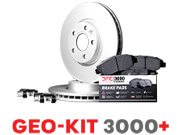
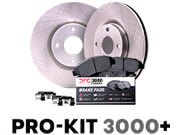
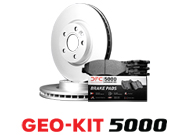
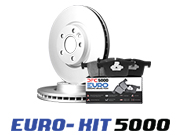
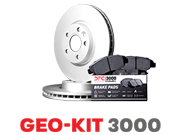
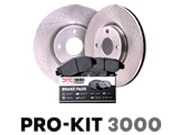
Brake Kits DFC’s complete brake kits pair premium pads and rotors for a turn-key solution that simplifies installation and maximizes performance.
Innovation That Delivers Real-World Benefits
DFC is driven by continuous improvement and innovation. Their investment in R&D ensures the introduction of cutting-edge technologies that enhance safety and simplify installation.
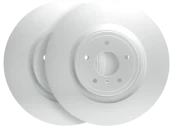
GeoSpec® Coated Rotors DFC’s exclusive GeoSpec® fully coated rotors provide superior corrosion resistance and arrive ready to install—no pre-cleaning required. This improves efficiency in the shop and delivers long-term protection against rust and wear.
Conclusion: Trust in Every Stop
Investing in high-quality brake components is more than a smart choice—it’s a safety imperative. With Dynamic Friction Company, you’re choosing a brand trusted by professional technicians, performance drivers, and fleet operators across the industry.
From advanced materials to OE-level precision, DFC’s brake products are engineered for reliability, performance, and peace of mind. When safety matters most, trust the company that builds with purpose—trust DFC.
When buying brake pads in bulk, price often plays a major role. But is choosing the cheapest option really the most cost-effective decision? In reality, low-cost brake pads can lead to increased wear, safety risks, and higher long-term expenses—especially for warehouse distributors, shop owners, and fleet managers.
Investing in high-quality brake pads from a trusted manufacturer like Dynamic Friction Company (DFC) provides long-term value through durability, performance, and reduced returns. Here’s why smart bulk buyers know that quality pays off.
1. Understanding Brake Systems and Pad Materials
Brake pads are a critical part of the vehicle’s stopping system. Pressed against the rotor by calipers, they generate friction to slow and stop the vehicle. The quality of that friction—and how it affects other components—matters deeply.
Brake Pad Types:
Ceramic Brake Pads: Known for quiet, smooth operation and low dust. Ideal for consistent daily driving and long wear life.
Semi-Metallic Brake Pads: Built for strength and heat dissipation, making them ideal for heavier loads and commercial use.
Organic Pads: Common in older vehicles but wear faster and offer less consistent performance.
Each formulation serves a purpose, but high-quality ceramic and semi-metallic pads strike the best balance for bulk buyers prioritizing performance and longevity.
2. The Hidden Costs of Cheap Brake Pads
Cheaper brake pads may offer upfront savings, but they often come with hidden liabilities that drive up total cost of ownership.
Frequent Replacements
Low-grade pads wear out faster, increasing labor costs and causing more vehicle downtime. For fleets and busy repair shops, these disruptions reduce efficiency and profitability.
Compromised Safety
Inconsistent friction levels can result in longer stopping distances, brake fade, and reduced control—putting vehicles and drivers at risk. Quality pads offer a reliable initial bite and fade-resistant performance.
Increased Wear on Rotors and Calipers
Cheap pads can be harsh on other brake system components, causing premature wear to rotors, calipers, and even brake fluid systems. Over time, this leads to costly repairs that far outweigh any initial savings.
Customer Complaints and Returns
For distributors and auto shops, low-cost pads often mean higher return rates and lower customer satisfaction. Protecting your reputation starts with stocking and selling reliable, high-performing components.
3. Why Bulk Buyers Should Choose Premium Brake Pads
High-quality brake pads offer measurable benefits that improve both vehicle performance and your business operations.
Longer Lifespan, Lower Service Costs
Premium pads are made with advanced friction materials and reinforced backing plates. This durability translates into fewer replacements and reduced service intervals.
Reliable Performance and Safer Braking
Top-tier pads dissipate heat efficiently and maintain stable friction—even under high loads or extreme conditions. This consistency is especially important for commercial vehicles, high-mileage fleets, and safety-conscious customers.
Better Rotor Compatibility
Quality brake pads are engineered to pair with rotors without causing undue wear. This helps protect the entire braking system and minimizes rotor resurfacing or replacement.
Stronger Customer Retention
Satisfied customers come back. Distributors and auto shops that prioritize quality earn more trust, more referrals, and more long-term business.
4. What to Look for When Buying Brake Pads in Bulk
Bulk buyers need to focus on quality and consistency—not just price. Here’s what to prioritize:
✔ Material Composition: Look for ceramic or semi-metallic formulations with proven performance. ✔ Reinforced Backing Plates: Choose pads with galvanized steel plates and mechanical bonding for improved strength and rust resistance. ✔ OEM or Equivalent Standards: Ensure the product meets or exceeds factory specs. ✔ Reputable Manufacturing: Work with trusted manufacturers known for rigorous testing and quality control. ✔ Certifications and Compliance: Verify adherence to safety standards and performance benchmarks.
5. Maintenance Matters Too
While quality pads are essential, maintaining the brake system helps extend their lifespan and performance.
Regularly inspect pads for wear and replace before damage occurs.
Check brake fluid levels and flush as needed to prevent corrosion.
Keep rotors clean and free from debris or glazing.
Educate customers on driving habits that can prolong pad life.
Cheap brake pads might save a few dollars upfront, but the long-term costs—from repairs to reputation—can be significant. Investing in high-quality brake pads protects your bottom line, your customers, and your brand.
For warehouse distributors, fleet managers, and professional repair shops, reliable performance is the best value.
Ready to Order Premium Brake Pads in Bulk?
Dynamic Friction Company offers a full line of high-performance brake pads engineered for longevity, safety, and profitability. Whether you’re restocking your warehouse or supplying high-volume clients, DFC delivers the quality and coverage you need to succeed.
📞 Contact DFC Today to learn more about our bulk purchasing options and premium brake solutions.
Warehouse distributors are a vital link in the automotive supply chain—especially when it comes to brake components. Stocking the right parts ensures steady turnover, reduces downtime for service shops, and builds long-term trust with commercial and retail customers. In a rapidly evolving market, making informed stocking decisions is critical to staying competitive.
This guide highlights key strategies for warehouse distributors to stay ahead of trends, optimize inventory, and maximize ROI by focusing on high-demand brake parts.
1. Identify and Prioritize High-Demand Brake Components
Brake parts are not created equal when it comes to turnover. To optimize inventory, focus on the highest-demand categories:
Brake Pads – Frequently replaced across all vehicle types
Analyze your own sales data to identify top-moving SKUs
Monitor market trends tied to new vehicle releases, aging fleets, and seasonality
Engage directly with auto shops and fleet managers to understand recurring needs
Stocking these essentials not only reduces customer wait times but also positions you as a go-to source for reliable inventory.
2. Align Inventory with Vehicle and Industry Trends
Vehicle technology and ownership trends directly influence brake part demand. Staying informed allows you to adjust proactively.
Key Trends to Watch:
Electric & Hybrid Vehicles – These vehicles use regenerative braking and require specialized pads and rotors
Trucks and SUVs – Their increasing popularity calls for heavy-duty pads, rotors, and cooling technologies
Fleet and Commercial Vehicles – Consistent, high-volume demand for durable, long-life components
Being ahead of these trends helps reduce backorder and keeps your customers equipped with what they need—when they need it.
3. Understand Brake Pad Types and Rotor Features
A strong understanding of product categories will help you stock parts that meet a wide variety of customer needs.
Brake Pad Types:
Ceramic – Low noise, minimal dust, long wear life; ideal for everyday drivers
Semi-Metallic – Excellent heat dissipation and durability; suited for performance and fleet use
Low-Metallic – Balanced between stopping power and noise control
Brake Rotor Types:
Solid Rotors – Dependable for standard use
Vented Rotors – Designed for better heat dissipation under high load
Advanced Fin and Alloy Options – Offer improved cooling and structural integrity
By offering a diverse selection of friction materials and rotor styles, you increase your ability to serve a broader market base.
4. Balance Inventory to Minimize Dead Stock
Overstocking slow-moving items ties up cash and shelf space. Understocking high-demand parts risks losing sales and shop loyalty.
Inventory Best Practices:
Implement Just-in-Time (JIT) strategies to reduce overstock
Use inventory management software to track turnover in real-time
Maintain strong supplier relationships for flexible replenishment
Base orders on data-driven forecasts rather than guesswork
Smart inventory control helps you stay responsive while protecting your margins.
5. Stock Only Proven, Reliable Brake Brands
Quality matters. Mechanics and service shops rely on parts that perform reliably and install with confidence. Partnering with manufacturers like Dynamic Friction Company (DFC) ensures:
OEM-level quality with advanced friction materials and metallurgy
Consistent fill rates and fast shipping turnaround
A comprehensive product line covering a wide range of makes and models
Technical support and branded materials for your resellers and shop clients
DFC is a trusted name among professional installers and distributors, known for delivering the right balance of performance, reliability, and value.
6. Embrace E-Commerce and Digital Tools
Today’s auto professionals expect seamless digital ordering experiences. Distributors must evolve with this shift to remain competitive.
E-Commerce Essentials:
Maintain an intuitive, mobile-friendly online catalog
Display real-time stock levels to reduce misorders and delays
Enable B2B integrations for high-volume accounts
Offer advanced search, vehicle look-up, and cross-reference functionality
Digital convenience not only improves customer experience but expands your reach well beyond local markets.
7. Embrace Advancements in Brake Technology
Brake systems are becoming increasingly sophisticated. Stocking products that meet modern performance standards helps you stay ahead.
What to Look For:
Friction materials designed for high-temperature durability
Rotors with enhanced cooling vanes or carbon alloy formulations
Compatibility with electronic systems like ABS and electronic stability control (ESC)
Investing in advanced product lines helps you meet evolving customer expectations while building a premium inventory profile.
8. Use Smart Pricing Strategies and Promotions
Competitive pricing is essential, but it must be balanced with profitability. Strategic incentives can increase order volume and customer retention.
Tactics to Consider:
Offer bulk discounts to high-volume clients
Create loyalty programs for repeat buyers
Run seasonal or clearance promotions on slower-moving SKUs
Smart pricing keeps you competitive without sacrificing your bottom line.
Conclusion: Future-Proof Your Inventory Strategy
Success in brake distribution comes down to anticipating demand, managing stock efficiently, and aligning with dependable brands. By focusing on high-demand brake parts, embracing digital sales channels, and partnering with a trusted manufacturer like DFC, warehouse distributors can increase customer satisfaction and grow market share.
Looking to streamline your brake inventory with a brand that delivers performance, reliability, and full coverage? Contact Dynamic Friction Company today and discover how our brake solutions can support your distribution goals.
The rise of electric cars and electric vehicles (EVs) is reshaping the automotive industry, and braking systems are no exception. Traditional friction-based brakes are giving way to innovative designs, improving efficiency, longevity, and performance. Mechanics and auto industry professionals must understand these advancements to stay ahead of the curve.
1. Introduction to Electric Vehicle Braking Systems
Electric vehicle braking systems are designed to provide safe and efficient stopping power while also recovering kinetic energy and converting it into electrical energy. These systems are a crucial component of electric vehicles, as they enable the recovery of energy that would otherwise be lost as heat during braking. Electric vehicle braking systems typically consist of a combination of regenerative braking and traditional friction braking. Regenerative braking uses the electric motor to capture kinetic energy and convert it into electrical energy, which is then stored in the vehicle’s battery. Traditional friction braking uses brake pads and rotors to slow the vehicle down. The combination of these two braking systems allows electric vehicles to achieve improved energy efficiency and reduced wear on brake components.
Regenerative Braking: A Game Changer in Kinetic Energy Recovery
One of the biggest changes in electric vehicle brake design is regenerative braking. Unlike conventional brakes, the brake system in electric vehicles incorporates regen braking to slow the vehicle by converting kinetic energy into electricity, which is then stored in the battery.
Benefits of Regenerative Braking:
✔ Reduces brake wear by minimizing friction brake usage through the regenerative braking system ✔ Improves energy efficiency and extends driving range ✔ Enhances vehicle control through smoother deceleration
What This Means for Mechanics:
🔧 Unlike traditional brake pads, EV brake pads and rotors last significantly longer, requiring fewer replacements.
🔧 Less wear means fewer brake dust emissions, making EVs more environmentally friendly.
🔧 Shops must adapt maintenance strategies, focusing on brake lubrication and caliper service instead of frequent pad replacements.
3. Types of Brakes Used in Electric Vehicles
Electric vehicles use a variety of brake types, including regenerative brakes, friction brakes, and electrohydraulic brakes. Regenerative brakes are the primary braking system used in electric vehicles, as they capture kinetic energy and convert it into electrical energy. Friction brakes are used in conjunction with regenerative brakes to provide additional stopping power when needed. Electrohydraulic brakes are used in some electric vehicles to provide a balance between regenerative and friction braking. These brakes use an electric motor to control the hydraulic system that applies pressure to the brake pads.
2. Lighter Brake Components for Efficiency
Since EVs are heavier than gas-powered cars due to large battery packs, manufacturers are turning to lighter brake materials like metallic brake pads, which are known for their superior heat dissipation and suitability for high-performance driving, to improve efficiency.
New Innovations in EV Brake Materials:
🚗 Carbon-ceramic rotors – Lighter and more durable than traditional cast iron 🚗 Aluminum brake calipers – Reduce weight while maintaining strength 🚗 Advanced coatings – Protect brake surfaces from rust due to infrequent use
Why This Matters: Lighter materials reduce unsprung weight, leading to better handling and longer range. Additionally, these innovations enhance the conversion of kinetic energy into mechanical energy during regenerative braking, improving overall energy efficiency.
3. Shift Towards Rear Drum Brakes in EVs
Surprisingly, some EV manufacturers (such Volkswagen) are reintroducing rear drum brakes as part of their brake systems. While drum brakes were largely phased out in favor of disc brakes, EVs are bringing them back for efficiency.
Why Some EVs Use Rear Drum Brakes:
✔ Less brake dust – Drums are enclosed, reducing emissions ✔ Lower maintenance – Less exposure to debris and moisture ✔ Better for regenerative braking – Vehicle manufacturers are focusing on the efficiency of regenerative braking systems to enhance energy recovery from braking in hybrid and electric vehicles. Drums complement regen braking systems
The Impact of Reduced Brake Use on Brake Pads Maintenance
Because the brake pedal in EVs is used less frequently, mechanics must rethink traditional maintenance schedules. The biggest challenges include:
🛠 Corrosion and rust buildup – Less frequent use means moisture can accumulate on rotors. 🛠 Seized calipers – Without regular actuation, caliper pistons can stick. 🛠 Brake fluid contamination – EVs still require periodic fluid changes to maintain hydraulic system integrity.
Best Practices for EV Brake Maintenance:
✅ Perform regular inspections to check for rust buildup and ensure optimal recovery of initial kinetic energy during braking events.
✅ Use coated rotors like DFC GeoSpec Coated Brake Rotors to resist corrosion.
✅ Lubricate caliper slides to prevent sticking.
7. Electric Vehicle Braking Systems and Energy Efficiency
Electric vehicle braking systems are designed to provide improved energy efficiency by recovering kinetic energy and converting it into electrical energy. Regenerative braking is a key component of electric vehicle braking systems, as it captures kinetic energy and converts it into electrical energy. This energy is then stored in the vehicle’s battery and can be used to power the vehicle’s electrical systems. Electric vehicle braking systems can achieve energy efficiency of up to 70% or more, depending on the vehicle and driving conditions. This is significantly higher than traditional friction braking systems, which typically achieve energy efficiency of around 10-20%. The improved energy efficiency of electric vehicle braking systems can lead to increased driving range and reduced energy consumption.
5. The Future of Brake-by-Wire Technology
EVs are pushing the industry toward brake-by-wire systems, which replace traditional hydraulic systems with electronic controls and leverage electric motors for regenerative braking. This technology offers:
🔹 Faster response times for improved safety 🔹 Adjustable braking feel to optimize performance 🔹 Reduced weight and complexity compared to hydraulic systems
Some EVs, like the Tesla Model S Plaid, are already experimenting with fully electronic braking systems.
Final Thoughts
Electric vehicle brake design, compared to traditional brakes, is evolving rapidly, reducing maintenance needs, increasing efficiency, and introducing new materials. As EV adoption grows, mechanics and parts distributors must stay informed on these changes.
For brake parts designed for modern vehicles, check out DFC’s high-performance brake solutions—engineered for durability, efficiency, and cutting-edge braking technology.
Build Trust and Reliability—One Brake Job at a Time
Brakes are one of the most critical safety systems in any vehicle—yet they’re often overlooked until something goes wrong. As a technician or shop owner, preventative brake maintenance is key not only to protecting your customers but also to reducing comebacks and strengthening your reputation.
From worn pads to fluid contamination and ABS diagnostics, this guide outlines practical strategies to help mechanics prevent the most common brake problems—with solutions backed by DFC’s trusted product line.
1. Know Your Brake System Inside and Out
Understanding how braking components work together allows you to identify early signs of wear and recommend proper service intervals.
Pads & Rotors When the brake pedal is pressed, pads clamp down on rotors to generate friction and slow the vehicle. Worn pads or overheated rotors reduce stopping power and increase risk.
Drum vs. Disc Brakes Disc brakes provide stronger, more consistent performance and are easier to maintain—making them standard on modern vehicles. Drum brakes are still used on some rear applications and require different service considerations.
2. Stop Premature Brake Pad Wear
Uneven or rapid pad wear is one of the most common (and avoidable) issues in the bay.
Clean and lubricate caliper slide pins at every service
Inspect for even wear across all pads
Educate customers on proper braking habits
3. Address Brake Noise Before It Becomes a Comeback
Squeaks, squeals, and grinding can indicate pad glazing, misaligned hardware, or debris. Customers often interpret noise as poor workmanship—even when the cause is unrelated.
Fix It Right:
Resurface or replace rotors showing excessive wear or scoring
Always torque lugs to factory specs using a torque wrench
Encourage smooth, progressive braking for better rotor longevity
5. Avoid Brake Fluid Contamination
Brake fluid absorbs moisture over time, reducing braking performance and damaging internal components. A spongy pedal or ABS light may point to degraded fluid.
Watch for:
Soft brake pedal
ABS warning lights
Dark, dirty, or discolored fluid
Best Practices:
Flush fluid every 2 years or as recommended
Use premium DOT 3 or DOT 4 brake fluid depending on OEM spec
Bleed system properly to remove air
6. Don’t Overlook Brake Lines and Hoses
Even if the pads and rotors look good, the system is only as strong as its weakest link. Old or damaged hoses can leak or fail under pressure.
Inspection Checklist:
Look for cracks, bulges, or dry rot in rubber lines
Inspect metal lines for corrosion or surface rust
Replace with DOT-approved parts to maintain system integrity
7. Diagnose ABS Issues Accurately
ABS lights are a top concern among drivers. When illuminated, they signal potential failure in one of the most important safety systems.
What to Know: The ABS system prevents wheel lock-up during emergency stops. Ignoring a fault can lead to reduced braking control, especially in wet or slippery conditions.
Recommended Steps:
Scan for fault codes with a diagnostic tool
Inspect wheel speed sensors and ABS modules
Check for contaminated or old brake fluid contributing to the fault
Verify system resets post-repair
Final Thoughts
By following these brake maintenance best practices, you help your customers avoid costly issues while building a reputation for thorough, professional service.
Use premium-grade DFC pads, rotors, and hardware for proven durability and performance
Perform complete inspections, not just pad swaps
Educate customers on signs of wear and when to return for service
Trusted by Professionals. Proven in the Bay.
Looking for OEM-quality components that deliver under pressure? Dynamic Friction Company offers a full line of brake pads, rotors, hardware kits, and fluids designed to meet the demands of today’s vehicles—and the shops that service them.
Towing heavy loads downhill poses a serious challenge—even for experienced drivers. One of the greatest risks is brake fade, a condition where braking effectiveness decreases due to heat buildup during prolonged or repeated braking. Without proper technique and high-performance components, this can lead to dangerously long stopping distances and increased wear on your brake system.
Whether you’re hauling a trailer, camper, or heavy-duty equipment, the following best practices will help you brake safely, extend component life, and maintain full control on steep descents.
1. Know Your Braking System
Before every trip, confirm that your vehicle and trailer braking systems are fully functional. Don’t overlook any component—especially when towing under load.
Key Safety Checks:
✔ Inspect brake pads and rotors for wear or glazing
✔ Check brake fluid levels and quality
✔ Test the trailer brake controller and emergency braking system
✔ Confirm your vehicle’s integrated braking systems (ABS, stability control) are functioning properly
2. Perform a Pre-Trip Inspection
A thorough pre-trip inspection ensures reliability and performance throughout your towing journey. Focus especially on the braking and suspension systems.
Critical Items to Inspect:
Brake System: Pads, fluid levels, brake lines, calipers or drums
Trailer Brakes: Check controller settings and trailer brake pad wear
Tires: Ensure proper inflation on both tow vehicle and trailer
Suspension & Steering: Look for alignment issues, looseness, or wear
Parking Brake: Confirm it’s holding properly, especially on inclines
Engine Braking Systems: Verify operation for added downhill control
3. Downshift to Lower Gears
Let your engine help do the braking. Downshifting reduces reliance on the brakes and helps control speed on long downhill grades.
When to Downshift:
Long, sustained descents
Approaching curves or intersections
Anytime braking power needs to be supplemented
This technique minimizes brake fade and extends pad and rotor life.
4. Use Pulse Braking—Avoid Riding the Brakes
One of the most common (and dangerous) mistakes when descending is riding the brakes—a sure path to overheating and brake fade. Instead, use controlled “pulse braking.”
How to Apply Pulse Braking:
Apply steady, firm brake pressure for a few seconds.
Release to allow the brakes to cool.
Repeat as needed to control speed.
This method gives brakes time to dissipate heat while maintaining control.
5. Balance Your Load Correctly
An unbalanced load increases brake strain and reduces vehicle stability—especially on downhill slopes.
Best Practices:
Maintain 10–15% tongue weight on trailers
Load heavier items toward the front of the trailer
Use tie-downs to prevent shifting during descent
A well-distributed load improves braking response and reduces sway.
6. Upgrade to DFC Heavy-Duty Brake Components
Standard brake systems often fall short under the demands of towing. DFC performance brake components are engineered specifically for heavy loads and extended use.
Recommended Towing Upgrades:
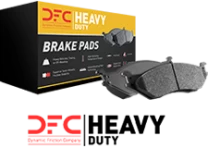
DFC Heavy-Duty Brake Pads Designed for high-friction performance under load, with superior heat resistance and long wear life.
🛠️ Trusted by fleet operators and performance-focused shops alike, DFC braking solutions are built to withstand punishing conditions while maintaining safety and control.
7. Maintain a Safe Following Distance
Towing increases braking distance—sometimes dramatically. Maintain at least 5–6 seconds of space between your vehicle and the one ahead to allow for safe, gradual braking.
8. Use Trailer Brakes Effectively
Proper use of trailer brakes improves control and prevents trailer sway during descent.
Tips:
Adjust the gain setting on your electric brake controller
Test brake response before hitting a long grade
Manually activate trailer brakes to help reduce sway, if needed
9. Plan Routes and Avoid Dangerous Grades
Use GPS tools or trucker apps to map out routes that avoid excessive downgrades, especially when towing at or near capacity. When unavoidable, ensure your vehicle and brakes are ready for the challenge.
Final Thoughts
Braking downhill while towing requires the right equipment, technique, and preparation. From pre-trip checks to gear selection and load balancing, every step contributes to a safer, more controlled descent.
For maximum confidence on the road, equip your vehicle with DFC’s high-performance towing brake components—engineered for durability, temperature resistance, and stopping power you can count on.
Scorched to remove uncured bonding agents, minimizing the need for initial break-in period and increasing stopping power from the initial stop
Confidence Begins with the First Press of the Pedal
Whether you’re a daily commuter, fleet operator, or high-performance driver, you need reliable stopping power—right from the first stop. At Dynamic Friction Company (DFC), we ensure that confidence with every brake pad we produce.
A key part of that performance? Post-curing. This advanced manufacturing process delivers immediate stopping power, reduces break-in time, and guarantees friction stability under all driving conditions.
What is Post-Curing—and Why Does It Matter?
Post-curing is a heat treatment process applied to brake pads after molding. It fully cures the friction material by eliminating uncured bonding agents and stabilizing the pad’s composition.
Many competitors skip this step, relying on drivers to “bed-in” the pads during use—leaving initial performance compromised. At DFC, every brake pad is 100% post-cured so it’s ready to perform the moment it’s installed.
The DFC Post-Curing Advantage
✅ Immediate Stopping Power
No long break-in periods. Our post-cured pads deliver confident, responsive braking from the first press—ideal for customers who demand immediate results.
✅ Consistent Braking in Any Condition
Post-curing stabilizes the pad’s friction coefficient, ensuring uniform performance across a wide range of temperatures and conditions—from city traffic to highway emergencies.
✅ Reduced Noise & Vibration
By eliminating volatile compounds during post-curing, we reduce the risk of noise, vibration, and harshness (NVH). Expect smoother, quieter stops—every time.
✅ Longer Pad Life
Post-curing reduces uneven wear and prevents glazing, extending the lifespan of your pads and minimizing downtime for replacements.
✅ Superior Thermal Stability
High heat from aggressive or frequent braking won’t compromise performance. DFC pads maintain their integrity and stopping power even under extreme thermal stress.
Scorched for Extra Performance
After post-curing, we go one step further: scorching. This additional treatment burns off residual gases and surface impurities, enhancing initial bite and further shortening break-in time. It’s an extra step that delivers extra performance—only from DFC.
Post-Cured Pads Across the DFC Lineup
All DFC brake pads are post-cured and engineered for precision. Here are just a few examples from our range:
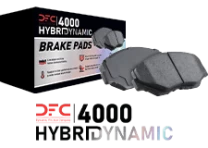
DFC 4000 HybriDynamic Brake Pads For light-duty trucks and passenger vehicles. Offers low dust, stable pedal feel, and quiet operation.
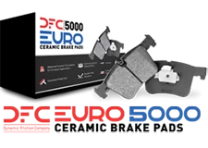
DFC 5000 Euro Ceramic Brake Pads Formulated for European vehicles. Provides clean, quiet performance and excellent thermal stability.
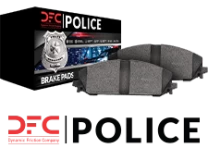
DFC Police Brake Pads Built for high-demand fleets and law enforcement. Offers unmatched fade resistance and durability under extreme pressure.
Why Trust DFC for Your Braking Needs?
100% Post-Cured for Instant Performance
Scorched for Optimal Break-In
Engineered to OEM Standards or Better
Backed by Industry-Leading Technical Support
Upgrade to DFC Brake Pads and Feel the Difference
Looking for brake pads that offer instant performance, longer life, and fewer comebacks? Choose DFC post-cured brake pads and give your customers the confidence they deserve—right from the first stop.
Achieve a Quieter, Smoother Ride with Premium Brake Shims
Brake noise and vibration can be frustrating for drivers and a challenge for mechanics. Whether it’s an annoying squeal, a grinding noise, or a pulsating pedal, these issues often stem from poor damping and vibration control. One of the most effective ways to reduce brake noise and vibration is by using high-quality shims—like DFC Premium Rubber-Steel-Rubber (RSR) Shims—designed to improve braking performance, enhance comfort, and extend the life of your braking system.
In this guide, we’ll explore how brake noise occurs, why shims are essential, and how DFC brake shims can help you achieve a smoother, quieter brake installation.
Why Do Brakes Make Noise?
Brake noise is typically caused by vibration and resonance between the brake pads, rotors, and calipers. Some of the most common causes include:
Improper brake pad fitment – Pads that don’t sit flush against the caliper can create movement and noise.
Worn or damaged brake components – Old rotors, uneven pad wear, and lack of lubrication can lead to squealing and grinding.
Inadequate damping materials – Poor-quality or missing shims can increase vibrations.
Environmental factors – Dust, moisture, and extreme temperatures can affect brake performance.
While proper installation and high-quality brake pads are crucial, brake shims play a vital role in noise reduction by absorbing vibrations and preventing metal-to-metal contact.
The Role of Brake Shims in Noise and Vibration Control
Brake shims act as a buffer between the brake pad and caliper, helping to reduce vibrations and noise. High-quality shims absorb energy and dampen sound waves that would otherwise create unwanted brake noise.
DFC Premium Rubber-Steel-Rubber (RSR) Shims are specifically engineered to:
✔ Reduce Noise & Vibration – Multi-layered construction absorbs sound and minimizes movement. ✔ Improve Brake Performance – Maintains consistent contact between the pad and rotor for smooth braking. ✔ Enhance Durability – Designed to withstand extreme temperatures and prolonged use. ✔ Optimize Comfort – Delivers a quieter, smoother ride for drivers.
How DFC Brake Shims Provide Superior Noise Reduction
Not all brake shims are created equal. DFC’s Premium RSR Shims stand out due to their advanced three-layer construction, which ensures optimal vibration damping and noise suppression.
1. Rubber-Steel-Rubber (RSR) Construction
DFC shims are designed with a rubber-steel-rubber structure, providing superior damping properties. The rubber layers absorb vibrations, while the steel core maintains structural integrity, ensuring long-lasting performance.
2. OEM Fit & Functionality
DFC shims are precision-engineered to match or exceed OEM standards, ensuring a perfect fit and seamless installation. This guarantees consistent performance across a wide range of vehicle applications.
3. Thermal & Corrosion Resistance
Brake components experience extreme temperatures, moisture, and debris. DFC shims are thermally resistant to withstand high heat levels and corrosion-resistant for extended durability.
4. Improved NVH (Noise, Vibration, and Harshness) Characteristics
By minimizing unwanted brake vibrations and harmonics, DFC brake shims significantly enhance NVH performance, resulting in a quieter, more comfortable driving experience.
Best Practices for Installing Brake Shims
To maximize the benefits of DFC shims and ensure a noise-free brake installation, follow these expert tips:
✅ Clean the Caliper Bracket & Hardware – Remove old brake debris and rust before installing new shims. ✅ Apply Lubrication Sparingly – Use high-quality brake lubricant on contact points but avoid over-application. ✅ Ensure Proper Pad Alignment – Make sure brake pads are seated correctly against the shims and caliper. ✅ Check for Worn or Warped Rotors – If the rotors are uneven or excessively worn, replace them for optimal braking. ✅ Use High-Quality Brake Pads – Pairing DFC shims with DFC brake pads ensures the best noise and vibration control.
Upgrade Your Braking System with DFC Shims Today
If you’re experiencing brake noise and vibration, upgrading to DFC Premium Rubber-Steel-Rubber Shims is a simple yet effective solution. Their advanced three-layer design, OEM precision fit, and superior noise-damping properties make them an essential upgrade for any brake installation.
For a quieter, smoother, and more reliable braking experience, choose DFC brake shims—the industry leader in brake noise reduction technology.
Sports cars are engineered for power, agility, and speed. But none of that matters without control. Whether you’re carving corners on the track or pushing the limits on the open road, your vehicle’s braking system plays a critical role in your safety and performance.
That’s where performance brake pads come in.
Upgrading to high-performance brake pads is essential for delivering consistent stopping power, enhanced pedal feel, and heat resistance under extreme driving conditions. Advanced brake systems—built from carbon-ceramic or high-carbon alloys—ensure that your sports car not only accelerates like a champion but stops like one too.
Why Brake Upgrades Matter for Sports Cars
Brake upgrades are one of the most important performance modifications a sports car owner can make. For those who demand more than stock performance, upgraded components enhance:
Stopping Power
Heat Dissipation
Fade Resistance
Driver Confidence
Whether for street performance or track days, upgrading to precision-engineered brake pads, rotors, and calipers ensures your vehicle is ready for whatever the road throws at it.
How Performance Brake Pads Outclass Stock Pads
Everyday brake pads are designed for commuter cars, not high-performance machines. Here’s how performance brake pads are built differently:
Higher Friction Coefficients – For rapid, responsive braking at high speeds.
Superior Heat Resistance – Designed to combat brake fade during repeated hard stops.
Extended Durability – Engineered to withstand the rigors of aggressive driving.
Refined Pedal Feel – Delivers confidence-inspiring control with every press.
Brake System Components: A Holistic Upgrade
A performance pad alone can’t do all the work. For optimal braking, every component matters:
Rotors – High-carbon or slotted rotors increase heat dissipation and resist warping.
When every second counts, stock just doesn’t cut it.
What Is Brake Fade—and How Do You Prevent It?
Brake fade occurs when your pads and rotors overheat, reducing braking power and increasing stopping distances. It’s a common issue in performance driving, but preventable with:
High-performance pads and rotors
Smooth, controlled braking techniques
Routine maintenance and component checks
By choosing premium brake materials, you significantly reduce the risk of fade under load.
Selecting the Right DFC Performance Brake Pads
Choosing the appropriate brake pads is crucial for optimal performance and safety. Here’s a breakdown of DFC’s premium brake pad lines to help you make an informed decision:
Best For: Commercial vehicles and situations requiring frequent stopping or operation under harsh conditions.
Benefits: Superior braking performance, extended pad life, and resistance to extreme heat.
Why It Matters: Provides dependable stopping power and durability for vehicles subjected to rigorous use.
Need assistance selecting the right brake pads for your vehicle? Visit our Brake Pads Product Page to explore our full range and find the perfect fit for your driving needs. For personalized support, don’t hesitate to reach out through our Contact Us page—our team is here to help you maintain OEM safety and performance standards with confidence.
Installation and Maintenance: Get the Most from DFC
Even the best-engineered brake pads—like those from DFC—require proper installation and routine maintenance to perform at their peak.
To ensure optimal braking performance:
🔄 Replace worn or damaged parts promptly to preserve safety and performance.
🛠️ Always follow DFC’s installation guidelines included with our products.
✔️ Use only premium components, such as DFC rotors and hardware, to maintain system integrity.
🔍 Inspect pads and rotors regularly for wear, glazing, or uneven contact.
Why Choose DFC Performance Brake Pads?
At Dynamic Friction Company (DFC), we design brake pads that exceed expectations in every performance category. Whether you’re upgrading for high-speed street driving or track day domination, DFC pads deliver precision, control, and safety.
What Sets DFC Apart:
✔️ Advanced Friction Formulas for consistent stopping ✔️ Scorched & Post-Cured Pads for optimal break-in ✔️ Low Dust & Quiet Operation for daily comfort ✔️ Heat-Resistant Materials to combat brake fade
Our performance brake pads are trusted by technicians, shop owners, and distributors nationwide—because we don’t just meet OE standards. We outperform them.
Final Thoughts
For sports car enthusiasts, performance brake pads are more than a luxury—they’re a necessity. The right braking system enhances control, preserves safety, and maximizes your driving experience.
Don’t let stock brakes hold you back. Upgrade to DFC Performance Brake Pads today and feel the difference.
The Importance of Reliable Braking in Law Enforcement
When police officers are in a police pursuit or responding to emergencies, their brakes are their lifeline. Unlike standard passenger vehicles, police fleet vehicles experience intense braking demands, including:
High-speed emergency stops
Frequent braking in urban environments
Extreme heat buildup from repeated stops
Extended vehicle idling and weight from added equipment
These conditions require specialized brake pads and rotors designed for police pursuit scenarios—not just any off-the-shelf product.
What Makes Police Brake Pads Different?
DFC Police Brake Padsare designed to handle the unique challenges of fleet vehicles, ensuring officers can rely on their brakes in the most critical moments. These specialized brake pads and rotors are crucial for police pursuit scenarios, where durability and high performance are essential.
1️⃣ Maximum Stopping Power for Emergency Situations
In high-speed chases or sudden stops during a police pursuit, every millisecond counts. DFC Police Brake Pads are formulated to provide: 🔹 Shorter stopping distances for high-risk scenarios 🔹 Instant brake response with minimal fade 🔹 High friction consistency across varying temperatures
2️⃣ Extreme Heat & Fade Resistance
Police vehicles endure continuous stop-and-go braking, leading to excessive heat buildup. Standard brake pads fade and lose effectiveness, while DFC Police Brake Pads feature: 🔥 Thermal stability to prevent overheating 🔥 Consistent braking performance under extreme conditions 🔥 Advanced friction materials designed for durability
3️⃣ Long-Lasting Performance for High-Mileage Fleets
Police vehicles cover thousands of miles per month, meaning brake pads must last longer without sacrificing safety. DFC’s police-specific formulation ensures:
✔ Extended pad life, reducing downtime
✔ Minimal wear for cost-effective fleet maintenance
✔ Lower brake dust production, keeping rotors in better condition
The Role of Rotors in Police Brake Performance
Rotors are a critical component in the braking system of police vehicles, working hand-in-hand with brake pads to deliver reliable and consistent stopping power. For vehicles like the Ford Police Interceptor Utility, Dodge Charger Pursuit, and Chevrolet Tahoe PPV, high-performance rotors are essential to meet the rigorous demands of law enforcement.
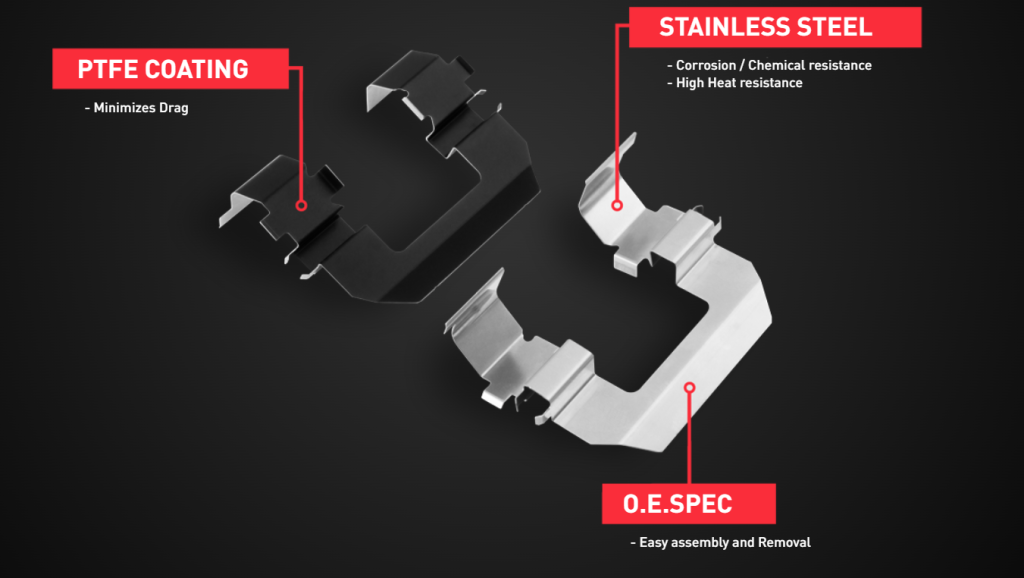
Police vehicles are subjected to frequent stops and starts, high-speed pursuits, and extreme braking conditions. This makes it imperative for rotors to be engineered with durability and longevity in mind. Premium stainless steel hardware is often used in police brake rotors to provide added strength and resistance to corrosion, ensuring they perform optimally even in the most demanding environments.
The design of police brake rotors is crucial in reducing noise and vibration, allowing law enforcement professionals to focus on their duties without distraction. Brake pads are designed to work in conjunction with these rotors, and the combination of the two is essential for providing reliable braking performance in police vehicles.
The demanding needs of police brake applications require rotors that can withstand extreme temperatures. Engineers develop these rotors to maintain their performance under such conditions, ensuring consistent braking performance. This consistency is vital for the safety of law enforcement professionals and the public, as it ensures that police vehicles can stop effectively when needed.
By providing reliable and consistent stopping power, police brake rotors play a critical role in the overall performance and safety of law enforcement vehicles. Investing in high-quality rotors, along with premium brake pads, ensures that police fleets are equipped to handle the unique challenges they face every day.
How to Choose the Right Brake Pads for Your Police Fleet
Not all “performance” brake pads are suitable for law enforcement vehicles. When selecting police brake pads, fleet managers should look for:
✅ Pursuit-rated performance – Designed for high-speed durability in police pursuit scenarios ✅ Low fade & high friction – Reliable in intense braking situations✅ Extended wear resistance – Reduces frequent replacements✅ Advanced heat dissipation – Prevents brake failure during long shifts
Why DFC Police Brake Pads Are the Best Choice
DFC has engineered police-specific brake pads that meet and exceed the rigorous demands of law enforcement vehicles. Here’s why fleet managers and police departments trust DFC:
Tested under real-world conditions to ensure maximum reliability
Superior friction formulations for unmatched stopping power
Built for durability, reducing fleet downtime and maintenance costs
Designed for police pursuit, with specialized brake pads and rotors for high-speed pursuits, emergency braking, and heavy-duty use
If your fleet depends on stopping power, durability, and officer safety, DFC Police Brake Pads are the clear choice.
Upgrade Your Fleet’s Braking System Today
Law enforcement officers rely on their vehicles to keep them safe—shouldn’t their brakes be just as dependable?