
 UNITED STATES





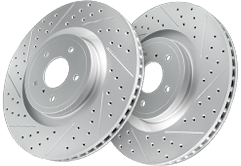

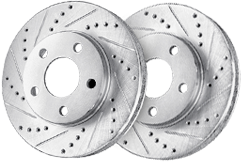


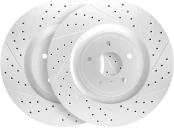

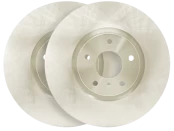

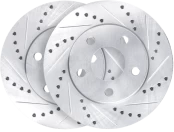





Pull a bare, uncoated rotor off the shelf after it’s been sitting in your warehouse for three months. You know what you’re looking at. Surface rust across the friction faces, corrosion creeping along the edges and hat section, and that orange-brown film that tells every customer this part looks like it’s been sitting in a junkyard.
It’s cosmetic. Sort of. The surface rust wipes off, and a few stops will clean the friction face. But the edge corrosion and hat section rust? Those don’t go away. And on a vehicle with open-spoke wheels where the rotor is visible, that corrosion is what the customer sees every time they look at their car after the brake job you just charged them $600 for.
That’s why coated rotors went from a premium option to a standard expectation in the aftermarket.
Why Brake Rotors Corrode (And Why It’s Getting Worse)
Cast iron is an excellent material for brake rotors. It handles heat well, machines to precise tolerances, and provides a consistent friction surface. What it doesn’t do is resist corrosion.
Bare cast iron starts oxidizing the moment it’s exposed to moisture. This problem has gotten measurably worse:
Vehicles sit longer between drives. Remote work, multi-car households, and EVs with regenerative braking all mean rotors spend more time stationary and exposed to moisture.
Open-spoke wheel designs are everywhere. Modern 18, 19, and 20-inch wheels put the entire rotor on display. Visible corrosion is an immediate cosmetic complaint.
Road salt usage has increased. Northern states have increased salt application rates, and brine pre-treatment has become standard.
What Rotor Coatings Actually Do
1. Corrosion protection on non-friction surfaces. The hat section, outer edges, cooling vanes, and inner edges never contact the brake pad. A coating keeps moisture and salt from reaching the iron.
2. Shelf protection during storage. A coated rotor can sit in a warehouse for months and come out looking new.
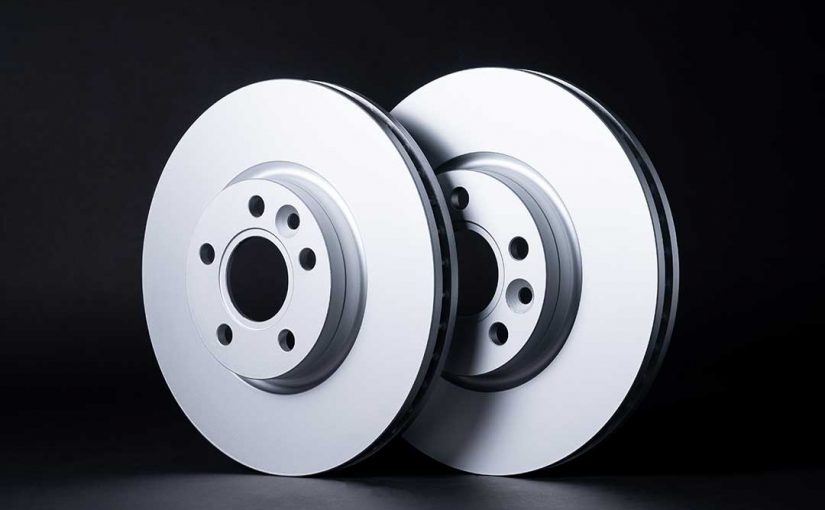
3. Cosmetic appearance through the wheel. A silver or gray coated rotor looks professional and finished.
Not All Coatings Are the Same
Paint coatings are the most basic. A thin layer of paint tends to chip, peel, and degrade under thermal cycling. A paint-coated rotor might look good on the shelf but start showing corrosion within months on the vehicle.
Zinc plating is a step up. Better thermal cycling resistance, but can develop a white, powdery zinc oxide appearance over time.
Engineered proprietary coatings represent the top tier. These are purpose-built formulations designed specifically for brake rotor applications.
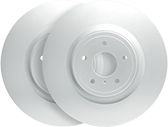
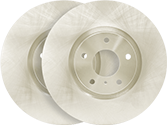
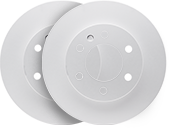
DFC’s GeoSpec coating falls into this category. It’s a patented corrosion-resistant finish engineered to withstand the thermal and environmental conditions specific to brake rotors. In salt spray testing, GeoSpec outperforms conventional zinc and paint coatings. The silver-gray finish maintains its appearance on the vehicle and provides long-term protection where corrosion hits hardest.
The Business Case for Coated Rotors
Fewer corrosion-related complaints. Hat section and edge corrosion on uncoated rotors is the number one cosmetic complaint on brake jobs. Coated rotors eliminate this category almost entirely.
Less prep time on installation. An uncoated rotor that’s been on the shelf needs the friction surface cleaned before installation. A GeoSpec Coated rotor comes out of the box ready to install.
Better shelf life for distributors. Uncoated rotors are a shelf life problem. Coated rotors sell through without that issue.
Higher perceived value. A coated rotor looks like a premium part. That perception translates to customer satisfaction, online reviews, and repeat business.
Upsell opportunity. Show the customer both options. The visual difference speaks for itself.
When Coating Matters Most
- Vehicles with open-spoke or large-diameter wheels
- Northern climate vehicles exposed to road salt
- Low-mileage or infrequently driven vehicles
- Fleet vehicles in mixed-climate operations
- Any customer who has previously complained about rotor appearance
What About the Friction Surfaces?
On a quality coated rotor, the coating does not affect braking performance. The friction surfaces are either left uncoated or treated with a coating that burns off during the first few stops.
A coated friction surface can actually improve initial performance by preventing the surface rust that would otherwise need to be scrubbed off during the first few drives. That means a more consistent break-in period and a more even transfer film when paired with ceramic pads.
Pairing Coated Rotors with the Right Pads
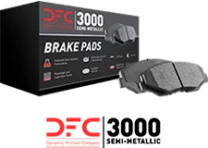
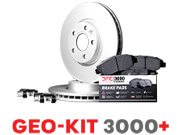
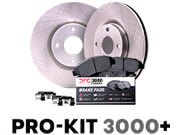
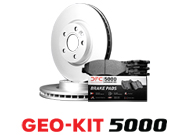
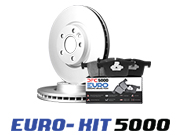
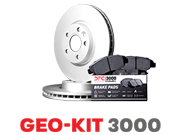
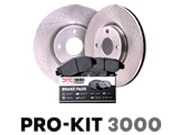
DFC offers GeoSpec Coated Rotors as part of complete brake kits that include matched pads and hardware. Find the right rotor at dynamicfriction.com.
Rotor coatings have evolved from a cosmetic nice-to-have into a practical tool for reducing comebacks, cutting prep time, and maintaining customer satisfaction.
Related: The warped rotor myth and our complete guide to aftermarket brake rotors.